Splenosis Pathology: A Comprehensive Guide For Clinicians
Comprehensive pathology overview of splenosis: ectopic splenic tissue post-trauma, diagnosis, mimics, and management insights.
Splenosis Pathology
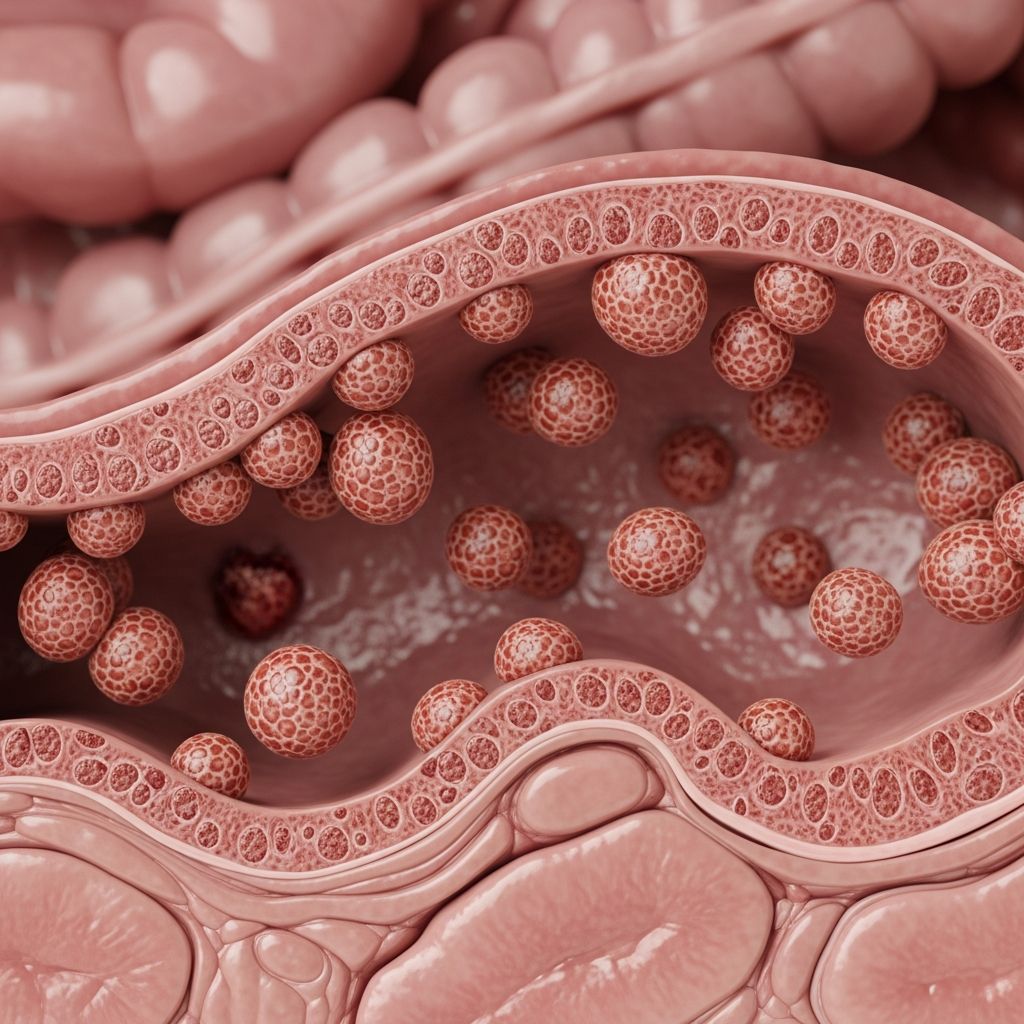
Splenosis is a benign condition characterised by the autotransplantation of splenic tissue fragments to ectopic sites following splenic trauma or surgery. These implants derive their blood supply from surrounding vascularised surfaces and can functionally mimic normal splenic tissue, often discovered incidentally during imaging or surgery.
What is splenosis?
**Splenosis** refers to the heterotopic autotransplantation of viable splenic tissue, typically after traumatic rupture or iatrogenic splenectomy. It occurs in up to 65% of splenic rupture cases, with implants most commonly in the peritoneal cavity but possible in thoracic, subcutaneous, hepatic, or even intracranial locations. Unlike congenital accessory spleens, which have splenic artery branches, splenosis nodules rely on neovascularisation from adjacent tissues. The condition is usually asymptomatic, presenting years post-injury—averaging 10-18 years—with nodules ranging from millimeters to 12 cm, though typically under 3 cm due to limited vascular supply.
Pathogenesis involves splenic rupture dispersing fragments onto serosal surfaces. These seed-like particles adhere, vascularise, and mature into functional splenic tissue capable of red pulp filtration and immunological roles. Risk factors include motor vehicle accidents, penetrating trauma, or splenectomy for conditions like mononucleosis or haemolytic disease.
Clinical features
Most patients with splenosis remain asymptomatic, with diagnosis incidental via imaging for unrelated issues or during laparotomy/autopsy. When symptomatic, presentations vary by location:
- Abdominal/pelvic: Pain, obstruction, haemorrhage, or hydronephrosis from mass effect.
- Thoracic: Haemoptysis, pleurisy, or infarction mimicking infection.
- Subcutaneous: Palpable nodules mistaken for tumours.
- Intrahepatic/intrathoracic: Mimicking metastases or abscesses.
Rare complications include rupture with bleeding, fever of unknown origin, or bowel obstruction. In haematological disorders like idiopathic thrombocytopenic purpura, splenosis may cause recurrence post-splenectomy. Functional benefits include preserved splenic immunity, avoiding overwhelming post-splenectomy infection (OPSI).
Diagnosis
Splenosis often mimics malignancy on imaging, prompting extensive workups. Key diagnostic modalities include:
- CT/MRI: Multiple hypoattenuating nodules isodense to spleen, enhancing similarly.
- Nuclear scintigraphy: Gold standard—heat-damaged Tc-99m RBC scan shows uptake in implants, distinguishing from tumours. Tc-99m sulfur colloid or anti-granulocyte scintigraphy as alternatives.
- Biopsy: Reserved for uncertainty; shows normal splenic histology.
Differentiate from accessory spleen (hilal-shaped, splenic artery-fed), lymphoma, metastases, or endometriosis. History of splenic trauma is crucial.
Pathology
Microscopic
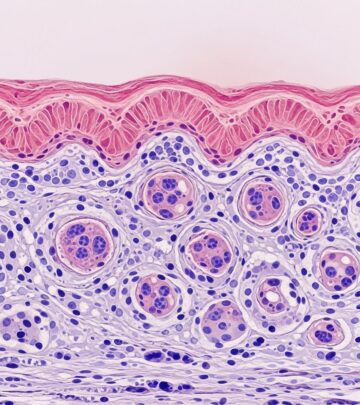
Splenosis nodules exhibit variable histology: red pulp predominates with sinusoids, cords, and phagocytic macrophages; white pulp (follicles) often poorly formed or absent due to avascular implantation. Lacks capsule, trabeculae, and elastic tissue of normal spleen. Immunostains positive for CD8, CD68 (red pulp), CD20/CD3 (sparse white pulp). No inflammation unless complicated. Some cases indistinguishable from normal spleen.
Cytology
Fine-needle aspiration reveals bland small lymphocytes, plasma cells, and hemosiderin-laden macrophages in sinusoids—mimicking reactive nodes or low-grade lymphoma.
Differential diagnosis
| Condition | Key Features | Differentiator |
|---|---|---|
| Lymphoma/Metastases | Multiple peritoneal masses | No splenic uptake on scintigraphy; atypical cells on biopsy |
| Accessory Spleen | Single, hilar location | Splenic artery Doppler; congenital |
| Endometriosis | Pelvic nodules in females | Cyclic symptoms; no RBC scan uptake |
| Leiomyomatosis | Smooth muscle proliferations | Desmin+ immunohistochemistry |
| Infection/Abscess | Enhancing lesions | Fever, PET avidity mismatch |
Splenosis tops peritoneal nodularity differentials post-trauma.
Treatment
Asymptomatic splenosis requires no intervention—observation suffices. Symptomatic cases (pain, bleeding, obstruction) warrant surgical excision, often laparoscopic. Avoid in haematological diseases needing asplenia (e.g., spherocytosis). Preoperative scintigraphy aids planning. Splenosis may confer benefits like infection resistance.
Frequently Asked Questions
Q: How common is splenosis?
A: Up to 65% post-traumatic rupture; incidence unclear as often incidental.
Q: Is splenosis cancerous?
A: No, entirely benign; mimics malignancy radiographically.
Q: Can splenosis occur outside the abdomen?
A: Yes—thoracic (diaphragm rupture), subcutaneous (gunshot), hepatic, intracranial.
Q: Does splenosis need removal?
A: Only if symptomatic; otherwise, monitor.
Q: How is splenosis diagnosed definitively?
A: Heat-damaged RBC scintigraphy.
Complications and Prognosis
Prognosis excellent; rare infarction from poor vascularity or recurrence in ITP. Preserves splenic function, reducing OPSI risk.
References
- Splenosis: a review — PubMed. 2007-06-01. https://pubmed.ncbi.nlm.nih.gov/17591312/
- Esplenosis abdominal — SciELO. 2011-08-01. http://scielo.isciii.es/scielo.php?script=sci_arttext&pid=S1130-01082011000800006
- Two Rare Cases of Intrathoracic Splenosis and Subcutaneous… — NIH PMC. 2016-01-12. https://pmc.ncbi.nlm.nih.gov/articles/PMC4762861/
- Splenosis — Wikipedia (primary sources referenced). N/A. https://en.wikipedia.org/wiki/Splenosis
- Splenosis Masquerading as Endometriosis — Am J Case Rep. 2021-01-01. https://amjcaserep.com/abstract/full/idArt/946307
- Abdominal Multiple Splenosis Mimicking Liver and Colon Tumors — Med Sci Monit. 2011-01-01. https://www.medsci.org/v09p0174.htm
- Splenosis: A Disease or a Beneficial Condition? — JAMA Surgery. 1979-01-01. https://jamanetwork.com/journals/jamasurgery/fullarticle/571402
Similar Articles




Read full bio of Sneha Tete