Splinters: 5 Safe Removal Steps And Infection Warning Signs
Learn essential steps to identify, remove splinters safely, spot infections early, and prevent serious health complications at home or with medical help.
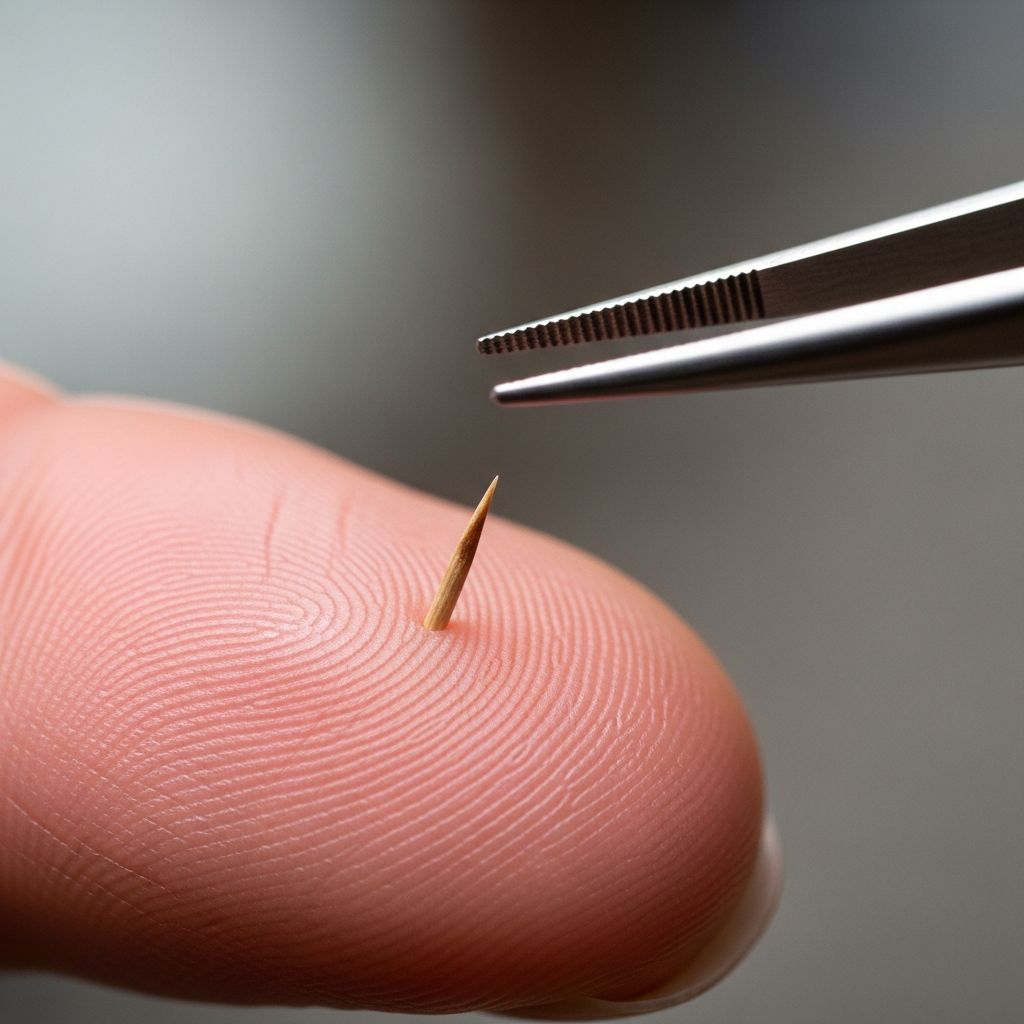
Splinters occur when small fragments of materials like wood, glass, metal, or thorns pierce the skin, often leading to discomfort and potential health issues if not addressed promptly. Understanding their nature, symptoms, and proper management is crucial for everyday safety.
What Causes Splinters and Why They Matter
Splinters embed into the skin during activities involving contact with rough surfaces, tools, or natural elements. Common sources include wooden structures, plant thorns, glass shards, or metal filings. These foreign bodies trigger the body’s immune response, causing localized inflammation that can escalate to infection if bacteria enter the wound.
Hands and feet are frequent sites due to their exposure during work, play, or walking barefoot. Children and outdoor enthusiasts face higher risks, as superficial cuts allow easy penetration. Ignoring a splinter prolongs irritation and raises complication chances, including abscess formation or systemic spread.
Recognizing Splinter Symptoms Early
Initial signs include a visible protrusion under the skin, tenderness, or a foreign sensation, especially in deeper embeddings. Pain varies: superficial ones cause minimal discomfort, while perpendicular or foot splinters hurt intensely under pressure or weight.
- Pain levels: Sharp or throbbing, worsening with touch or movement.
- Visual cues: Small puncture, minor bleeding, or swelling at entry point.
- Sensory alerts: Itching, warmth, or a palpable lump beneath the surface.
Early detection prevents progression. Use magnification like a smartphone lens to inspect, as clear materials hide easily.
Step-by-Step Guide to Safe Splinter Removal
Most splinters can be extracted at home with sterile tools and hygiene. Always wash hands and the area with soap and water first to minimize infection risk.
- Prepare tools: Tweezers, needle (sterilized with alcohol), magnifying glass, and antiseptic.
- Soften skin: Soak in warm soapy water for 10-15 minutes to loosen embedding.
- Gently expose: Use needle to lift skin edge without deep probing.
- Pull out: Grip with tweezers parallel to skin, extract in one smooth motion.
- Clean and protect: Apply antibiotic ointment, cover with bandage.
Avoid squeezing, which pushes fragments deeper. If unsuccessful after two tries, stop and seek help.
Spotting Infection: Critical Warning Signs
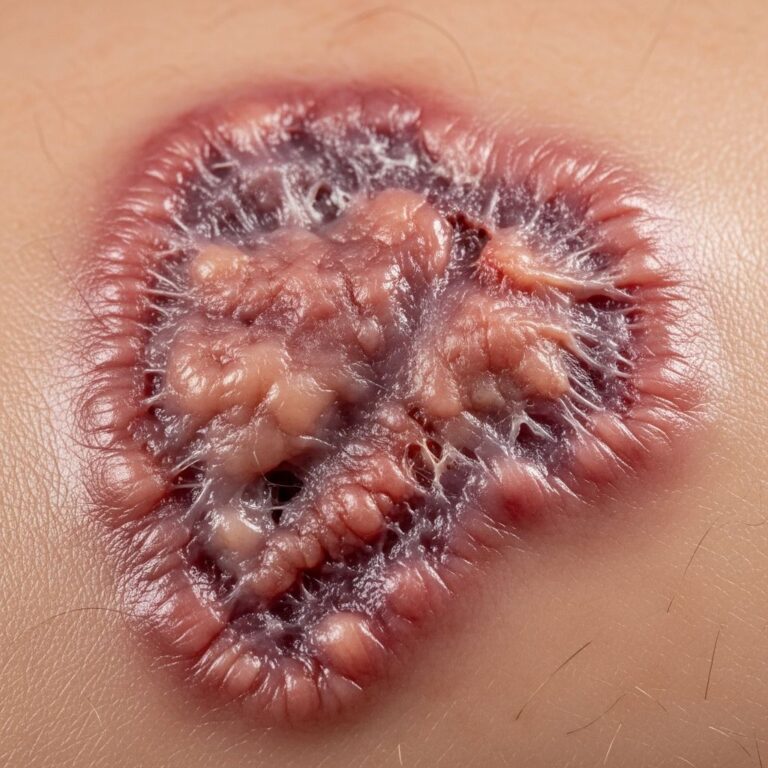
Infection arises when bacteria colonize the wound, often from dirty tools or delayed care. Monitor for these indicators post-removal or if embedded.
| Sign | Description | Severity Level |
|---|---|---|
| Redness & Swelling | Spreading beyond site, inflamed appearance | Mild to Moderate |
| Increased Pain | Throbbing, sharp, persistent despite rest | Moderate |
| Pus/Drainage | Yellow/green fluid oozing | Moderate to Severe |
| Warmth/Heat | Area hotter than surrounding skin | Mild to Moderate |
| Red Streaks | Lines radiating from wound (lymphangitis) | Severe |
| Fever/Chills | Systemic symptoms, malaise | Severe |
Persistent itching signals irritation; numbness or bruising may indicate nerve/joint involvement. Prompt recognition halves complication risks.
Advanced Risks: Tetanus and Beyond
Beyond bacteria, splinters from soil-contaminated sources risk tetanus from Clostridium tetani spores. Symptoms include muscle spasms, lockjaw, and swallowing difficulty, preventable by vaccination. Verify tetanus booster status if wound is deep or dirty—seek shot within 48 hours if over 5-10 years old.
Other concerns: Glass/metal fragments migrate, causing granulomas; organic splinters like thorns decompose, fostering abscesses. Diabetics or immunocompromised individuals face amplified dangers due to poor healing.
Home Remedies and Aftercare Essentials
Post-removal, promote healing with these practices:
- Apply petroleum jelly or antibiotic cream twice daily.
- Change bandages daily, keeping dry.
- Elevate affected limb to reduce swelling.
- Use over-the-counter pain relievers like ibuprofen for inflammation.
- Monitor 24-48 hours; re-soak if remnants suspected.
Related Stories



Natural aids like vinegar soaks draw out shallow splinters, but evidence is anecdotal—prioritize sterility.
When Professional Help is Necessary
Home efforts fail in these scenarios—consult a doctor immediately:
- Splinter deeply embedded, barbed, or under nail.
- Infection signs worsen: spreading redness, pus buildup, fever >100.4°F.
- Can’t remove after attempts; part breaks off.
- High-risk patient (diabetes, poor circulation).
- Foot/eye/joint involvement, or animal bite-related.
Clinicians use numbing, magnification, or ultrasound for extraction, followed by drainage, antibiotics, or tetanus prophylaxis as needed.
Preventing Splinters in Daily Life
Proactive measures cut incidence:
- Wear gloves for gardening, woodworking, construction.
- Inspect play areas, shoes for debris.
- Teach kids hazard awareness.
- Maintain tools, footwear in good condition.
- Update tetanus vaccinations routinely.
Workplaces should provide protective gear; parents model safe habits.
FAQs on Splinter Management
What if a splinter is not visible but painful?
Soak and observe; if sensation persists, professional imaging may locate it.
Can I use duct tape for removal?
Effective for superficial, flat splinters on smooth skin; follow with cleaning.
How long before infection sets in?
Hours to days; clean immediately to prevent.
Is hydrogen peroxide safe for wounds?
Use sparingly; it may delay healing—opt for soap/water.
What about splinters in children?
Stay calm, distract; seek pediatric care if uncooperative.
Mastering splinter care empowers quick resolution, safeguarding health amid minor mishaps.
References
- How To Tell If A Splinter Is Infected — Medical House Calls. 2023. https://medicalhousecalls.com/how-to-tell-if-a-splinter-is-infected/
- Splinters — American Institute for Preventive Medicine. 2024. https://healthylife.com/online/FullVersion/HierAtHome/Splinters.html
- Symptoms and Signs of Splinters: Treatment — eMedicineHealth. 2023-10-15. https://www.emedicinehealth.com/splinters/symptom.htm
- How to Tell If A Splinter is Infected — Emerald Coast Urgent Care. 2024. https://emeraldcoasturgentcare.com/how-to-tell-if-a-splinter-is-infected/
- Splinter or Sliver — Tenafly Pediatrics. 2023. https://www.tenaflypediatrics.com/splinter-or-sliver/
- Sliver or Splinter — Seattle Children’s Hospital. 2025-01-10. https://www.seattlechildrens.org/conditions/a-z/sliver-or-splinter/
Similar Articles








Read full bio of Sneha Tete