Split Nails: Causes, Treatment, Prevention
Discover why your nails split, from everyday habits to health issues, and learn effective treatments and prevention strategies for stronger nails.
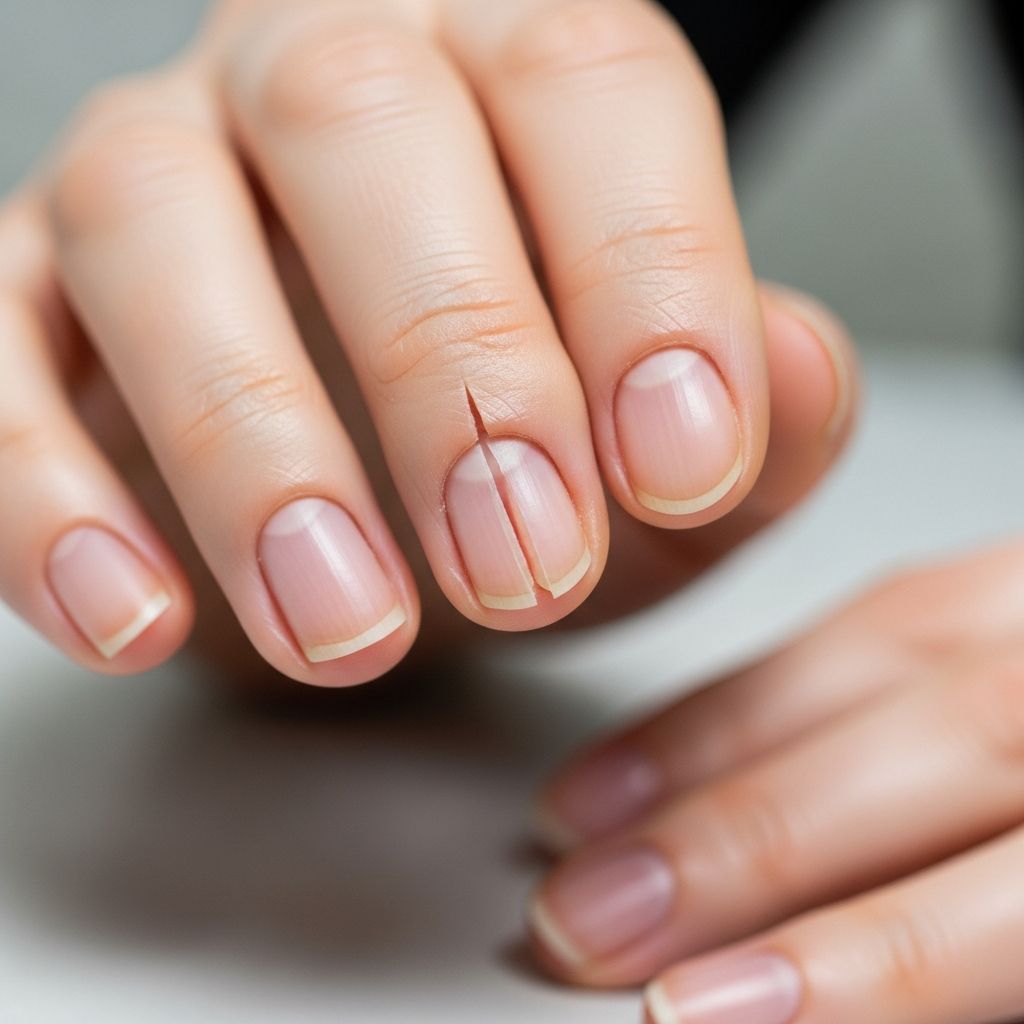
Split nails, also known as onychoschizia or onychorrhexis, occur when the nail plate separates into layers, leading to peeling, cracking, or ridges. This common issue affects fingernails and toenails, often due to environmental factors, habits, or underlying health conditions. Understanding the causes helps in effective treatment and prevention for healthier nails.
What Are Split Nails?
Split nails appear as cracks or peels in the nail plate, which consists of layered keratin—a tough protein also found in hair and skin. Horizontal splits (onychoschizia) involve layers separating across the nail, often from moisture imbalance, while vertical splits (onychorrhexis) run lengthwise, potentially indicating nail matrix damage.
Brittle nails prone to splitting may show additional signs like grooves, pitting, discoloration (yellow or brown), or thickening. These changes protect fingertips less effectively, increasing injury risk.
Common Causes of Split Nails
Several factors contribute to nail splitting. Identifying the trigger is key to resolution.
- Frequent Water Exposure: Prolonged contact with water softens nails, leading to splitting upon drying. Wear cotton-lined rubber gloves for dishes or cleaning.
- Chemical Exposure: Nail polish removers, solvents, and harsh cleaners dehydrate nails, causing brittleness.
- Aging: As we age, nails grow slower and become drier, more susceptible to splitting.
- Pregnancy: Increased nutrient demands can lead to deficiencies causing splits if diet lacks vitamins.
Medical Conditions Linked to Split Nails
Beyond lifestyle, health issues can manifest in nail splitting.
- Nutrient Deficiencies: Low biotin, calcium, or iron (anemia) weakens nails. Biotin supplementation may thicken nails by 25% over 6-9 months, though results vary. Consult a doctor before supplements.
- Thyroid Disorders: Hypothyroidism slows nail growth, causing brittleness and splits.
- Psoriasis or Eczema: These skin conditions affect the nail bed, leading to pitting and splitting.
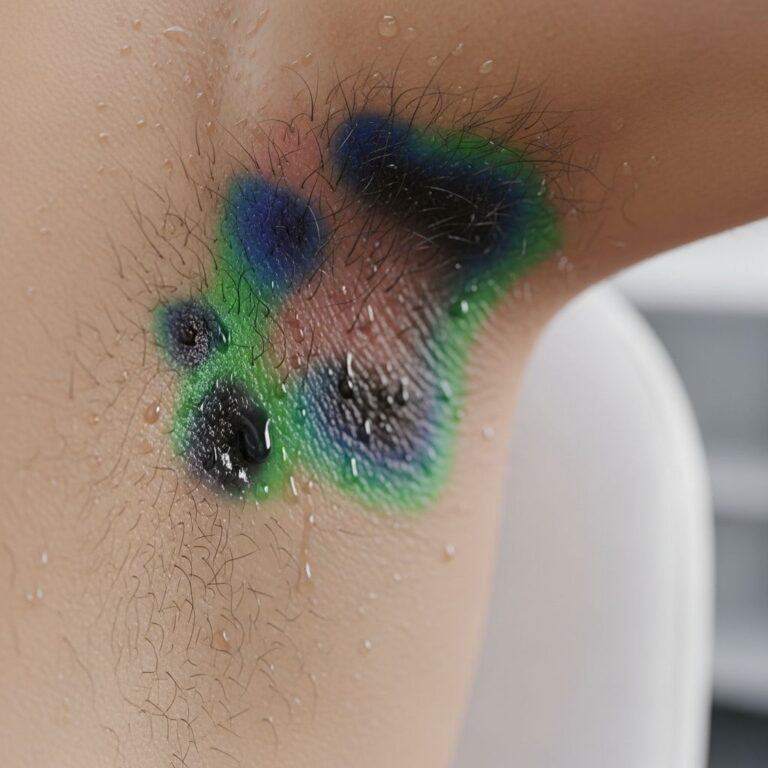
- Infections: Fungal infections (onychomycosis) or bacterial issues like green nail syndrome from Pseudomonas cause onycholysis and splits.
- Chemotherapy: Targets fast-growing cells, including nails, resulting in temporary brittleness.
Trauma and Nail Injuries
Injuries from slamming fingers, tight shoes, or aggressive manicures damage the nail matrix. Vertical splits often signal matrix involvement, risking permanent deformity if untreated. Severe cases may require nail removal for regrowth assessment.
How to Treat Split Nails
Treatment focuses on stabilization and addressing causes.
- Immediate Fixes: For horizontal tip splits, file smooth and apply clear nail lacquer or glue to seal layers until growth.
- Moisturize: Use petroleum jelly or nail oils nightly to combat dryness.
- Trim Properly: Cut straight across fingernails, gently curve tips; avoid over-rounding toenails to prevent ingrown issues.
- Medical Interventions: For infections, antifungals; deficiencies, targeted supplements; severe trauma, dermatologist evaluation.
| Split Type | Common Causes | Treatment |
|---|---|---|
| Horizontal (Onychoschizia) | Water/chemical exposure, dehydration | Moisturize, glue/lacquer, gloves |
| Vertical (Onychorrhexis) | Matrix damage, deficiencies, aging | Doctor visit, supplements, avoid trauma |
Prevention Tips for Healthy Nails
Related Stories



Preventive habits maintain nail integrity.
- Keep Dry: Dry hands thoroughly; use gloves for wet tasks.
- Avoid Bad Habits: No biting, picking cuticles, or hangnail pulling—clip gently to prevent infection.
- Gentle Manicures: Skip cuticle removal; ensure sterile tools and licensed salons. Test for allergies.
- Balanced Diet: Include biotin-rich foods like eggs, nuts; ensure iron, calcium intake.
- Protect Nails: Avoid filing surfaces, sharp objects under nails.
When to See a Doctor
Consult a dermatologist or primary care if splits persist, accompany pain, swelling, bleeding, color changes, onycholysis, or failure to grow. These may indicate serious issues like infection, psoriasis, or matrix damage.
Frequently Asked Questions (FAQs)
Can split nails be a sign of a serious health problem?
Yes, recurrent splits may signal deficiencies, thyroid issues, anemia, or psoriasis. Vertical splits warrant prompt medical check.
How long does it take for a split nail to grow out?
Fingernails grow ~3mm/month; full regrowth takes 4-6 months. Toenails slower at 1mm/month.
Is biotin effective for split nails?
Studies show potential benefits, with one noting 25% thickness increase, but consult a professional first.
Can nail polish cause splitting?
Frequent use and acetone removers dry nails; opt for non-acetone and breaks from polish.
Are split nails common in pregnancy?
Yes, due to nutrient shifts; a balanced prenatal diet helps.
Advanced Nail Care Routine
For optimal health, adopt this routine: Weekly oil massages, daily moisturizing, bi-weekly trims, protective gloves. Track changes; photo progress for doctor discussions.
Split nails often resolve with care, but persistence signals deeper issues. Prioritize nail hygiene for protection and aesthetics.
References
- Split Fingernails: 10 Possible Reasons (With Pictures) — GoodRx. 2024. https://www.goodrx.com/health-topic/dermatology/split-and-cracked-nails
- Fingernails: Do’s and don’ts for healthy nails — Mayo Clinic. 2023-05-11. https://www.mayoclinic.org/healthy-lifestyle/adult-health/in-depth/nails/art-20044954
- Nail health in women — PMC – PubMed Central (NCBI). 2020-04-06. https://pmc.ncbi.nlm.nih.gov/articles/PMC7105659/
Similar Articles








Read full bio of medha deb