Spondyloarthropathy: Symptoms, Diagnosis, Treatment Guide
Understanding the group of seronegative inflammatory rheumatic disorders linked by genetics and clinical features.
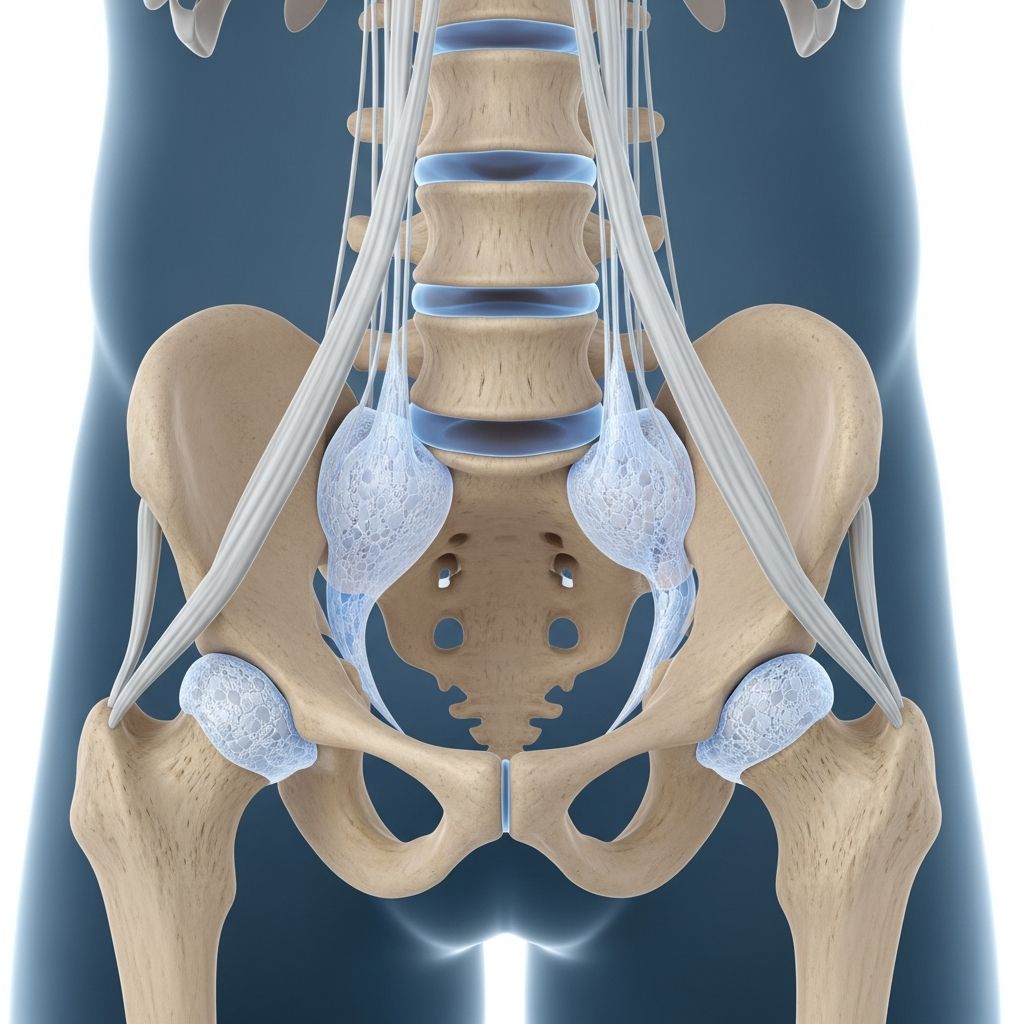
Spondyloarthropathy refers to a group of five interrelated seronegative inflammatory rheumatic disorders characterized by shared clinical manifestations and genetic predispositions, primarily involving the axial skeleton, peripheral joints, and entheses.
What is spondyloarthropathy?
Spondyloarthropathies (SpA) are a family of chronic inflammatory diseases that predominantly affect the spine and sacroiliac joints but can also involve peripheral joints, eyes, skin, and other organs. Unlike rheumatoid arthritis, these conditions are seronegative, meaning they lack rheumatoid factor or anti-CCP antibodies. The group includes ankylosing spondylitis (AS), psoriatic arthritis (PsA), reactive arthritis (ReA), enteropathic arthritis associated with inflammatory bowel disease (IBD), and undifferentiated spondyloarthropathy. Inflammation often begins at entheses—the sites where tendons and ligaments attach to bone—and is strongly associated with the HLA-B27 gene, present in up to 90% of AS patients.
These disorders share a pathophysiology driven by mechanical stress on entheses in genetically susceptible individuals, leading to immune-mediated inflammation that can progress to bone erosion, ankylosis (fusion), and structural damage if untreated. Early symptoms mimic mechanical back pain, contributing to diagnostic delays averaging 8.5 years.
Who gets spondyloarthropathy?
Spondyloarthropathies typically onset in young adults aged 20-40 years, with a strong male predominance in axial forms like AS (3:1 male-to-female ratio). Prevalence varies by population: AS affects 0.1-1.4% globally, higher in HLA-B27-positive groups such as Northern Europeans (up to 5%). PsA occurs in 0.1-0.25% and links to psoriasis (30% of PsA patients). Risk factors include family history (10-20% concordance in siblings), HLA-B27 positivity (increases AS risk 100-fold), infections (e.g., triggering ReA), and gut dysbiosis in enteropathic SpA.
- Ankylosing spondylitis: Most common axial SpA, 0.5% prevalence.
- Psoriatic arthritis: Affects 20-30% of psoriasis patients.
- Reactive arthritis: Post-infectious, self-limited in 50%.
- Enteropathic arthritis: 10-20% of IBD patients (Crohn’s, ulcerative colitis).
- Undifferentiated SpA: Early or non-classifiable forms.
What causes spondyloarthropathy?
The exact etiology remains multifactorial, involving genetic, environmental, and immunological factors. HLA-B27 is central, present in 80-95% of AS patients versus 5-10% in general populations, though only 2-5% of carriers develop SpA. It likely misfolds, triggering endoplasmic reticulum stress and innate immune activation via IL-23/IL-17 pathways. Other genes (e.g., ERAP1, IL23R) contribute susceptibility.
Environmental triggers include gastrointestinal infections (e.g., Salmonella, Yersinia for ReA), mechanical entheseal stress, and microbiome dysbiosis. Inflammation starts at entheses, spreading to synovium and bone, with biomechanical loading exacerbating damage in HLA-B27 positives.
What are the clinical features of spondyloarthropathy?
Core features include inflammatory back pain (IBP): insidious onset, >3 months duration, morning stiffness >30 minutes improving with exercise, night pain waking patients. Axial involvement shows sacroiliitis (unilateral then bilateral), progressing to spinal fusion in 30-50% untreated AS cases. Peripheral features: asymmetric oligoarthritis (knees, ankles), dactylitis (‘sausage digits’), enthesitis (Achilles, plantar fascia).
Extra-articular manifestations:
- Acute anterior uveitis: 25-40% lifetime risk, unilateral, HLA-B27 associated.
- Psoriasis: In PsA.
- IBD: Subclinical gut inflammation in 60% AS.
- Aortitis/cardiac: Rare, aortic regurgitation.
- Pulmonary: Apical fibrosis, restricted chest expansion <2 cm.
- Other: Fatigue, fever, weight loss, amyloidosis (rare).
Symptoms vary: some experience heel pain, others fatigue or breathing issues from reduced chest mobility.
How is spondyloarthropathy diagnosed?
Diagnosis combines clinical history, exam, labs, and imaging—no single gold standard exists. ASAS criteria for axial SpA: IBP + sacroiliitis on imaging or ≥2 SpA features (e.g., uveitis, enthesitis, HLA-B27). For peripheral SpA: arthritis/Enthesitis/dactylitis + ≥1 SpA feature.
Key diagnostics:
| Modality | Findings |
|---|---|
| History/Exam | IBP, limited spinal motion (Schober’s test <5 cm), chest expansion <2.5 cm. |
| Labs | ↑ESR/CRP (50%), HLA-B27 (not diagnostic alone), negative RF/anti-CCP. |
| X-ray | Sacroiliitis grades 2-4 bilaterally, ‘bamboo spine’ in advanced AS. |
| MRI | Bone marrow edema (STIR), early sacroiliitis (gold standard for non-radiographic axSpA). |
| Ultrasound | Enthesitis (hypoechogenicity, Doppler vascularity). |
Related Stories



Delays occur due to mechanical pain mimicry, variable presentations, and imaging needs. Early specialist referral improves outcomes.
What is the treatment for spondyloarthropathy?
Treatment targets symptom relief, inflammation control, function preservation, and complication prevention. Multidisciplinary: rheumatologist-led, with PT, lifestyle.
First-line: NSAIDs (e.g., ibuprofen, indomethacin) relieve pain/stiffness in 80%, continuous or on-demand.
Exercise/PT: Structured programs (swimming, extension exercises) maintain mobility, posture; essential for all.
Advanced:
- bDMARDs: TNF inhibitors (etanercept, adalimumab, infliximab) for NSAID failures; 50-70% ASAS40 response. IL-17i (secukinumab) for TNF non-responders.
- tsDMARDs: JAKi (tofacitinib) emerging.
- Local: Steroid injections for enthesitis/monoarthritis.
- Surgery: Hip arthroplasty, spinal osteotomy for advanced fusion.
Lifestyle: Smoking cessation (worsens progression), osteoporosis screening, healthy weight.
What is the outcome for spondyloarthropathy?
With early treatment, 60-80% achieve low disease activity. Untreated: 20-30% work disability, spinal fusion, uveitis flares. NSAIDs/TNF-i halt radiographic progression in 70%. Mortality similar to general population, except severe extra-articular disease.
Delayed diagnosis worsens function, damage; early intervention optimizes response.
Frequently Asked Questions
What are the main types of spondyloarthropathy?
Ankylosing spondylitis, psoriatic arthritis, reactive arthritis, enteropathic arthritis, undifferentiated SpA.
Is HLA-B27 required for diagnosis?
No, supportive but not mandatory; present in subset.
How long does back pain last before diagnosis?
Average 8.5 years delay common.
Can exercise cure spondyloarthropathy?
No, but essential for management, preventing stiffness.
Are biologics safe long-term?
Generally yes; monitor infections, monitor response.
References
- Spondyloarthropathy — Scoliosis Institute. 2023. https://scoliosisinstitute.com/spondyloarthropathy/
- Spondyloarthritis (Spondyloarthropathy): Types & Treatments — Cleveland Clinic. 2023-10-27. https://my.clevelandclinic.org/health/diseases/spondyloarthritis-spondyloarthropathy
- Spondyloarthropathy – DermNet — DermNet NZ. 2024. https://dermnetnz.org/topics/spondyloarthropathy
- Spondyloarthritis: Clinical Suspicion, Diagnosis, and Sports — PMC (NCBI). 2010-06-15. https://pmc.ncbi.nlm.nih.gov/articles/PMC2898732/
- Spondyloarthritis: NICE Releases Guidelines — American Academy of Family Physicians. 2017-11-15. https://www.aafp.org/pubs/afp/issues/2017/1115/p677.html
- Axial Spondyloarthritis — American College of Rheumatology. 2023. https://rheumatology.org/patients/axial-spondyloarthritis
Similar Articles








Read full bio of Sneha Tete