Sporotrichosis Complete Guide: Symptoms, Diagnosis, Treatment
Comprehensive guide to sporotrichosis: causes, symptoms, diagnosis, treatment, and prevention of this fungal skin infection.
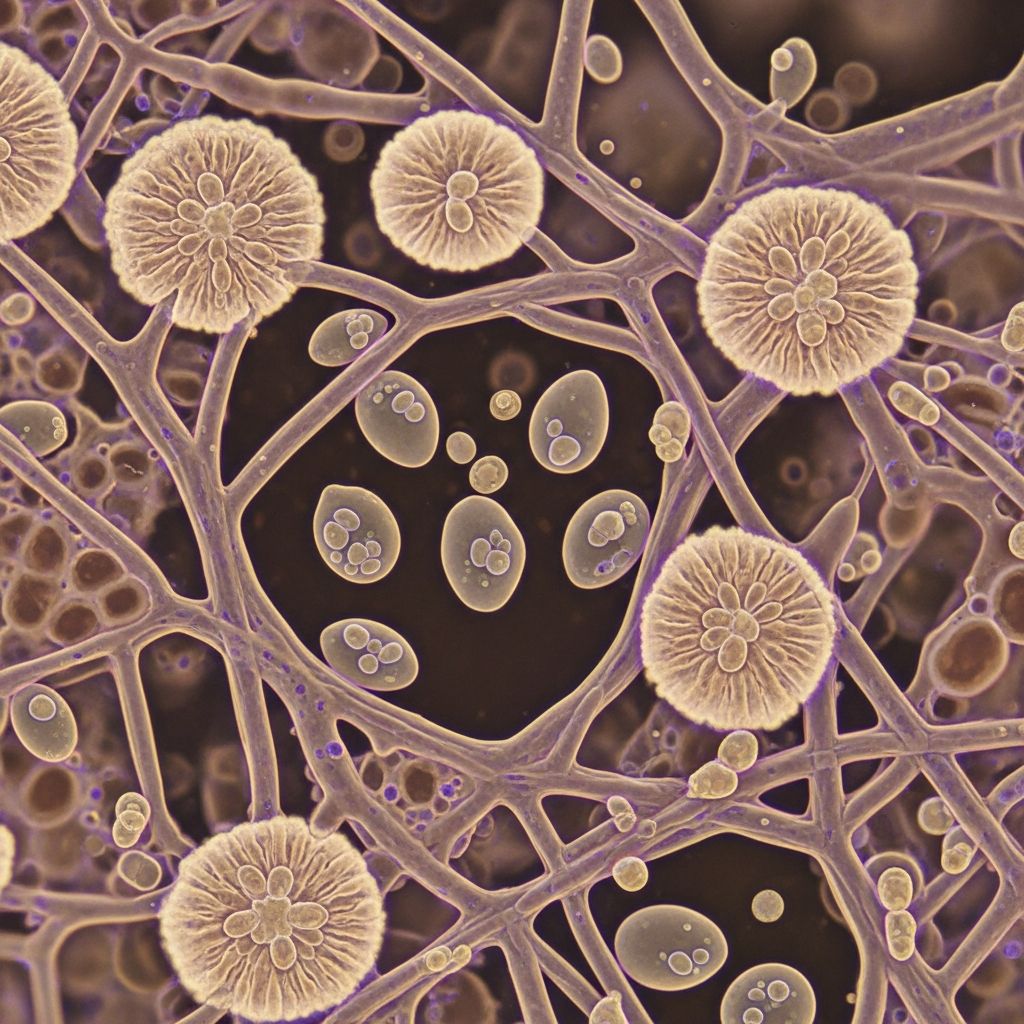
Sporotrichosis is a subacute to chronic fungal infection caused by species of the Sporothrix fungal complex, most commonly Sporothrix schenckii. It primarily affects the skin following traumatic inoculation from environmental sources such as soil, decaying vegetation, rose thorns, or sphagnum moss. While typically localized to cutaneous and lymphatic tissues, it can disseminate in immunocompromised individuals, involving lungs, joints, bones, or the central nervous system.
What is sporotrichosis?
Sporotrichosis, also known as ‘rose gardener’s disease,’ is a dimorphic fungal infection endemic in tropical and subtropical regions but occurring worldwide. The causative agent, Sporothrix schenckii, exists as a saprophytic mould in nature and converts to a yeast-like form at human body temperature (37°C). Transmission occurs via percutaneous inoculation, inhalation of conidia, or zoonotic spread, notably from cat scratches in outbreaks like Brazil’s ongoing epidemic. The infection incubates for 1–12 weeks (average 3 weeks) before manifesting, with lymphocutaneous form being most prevalent (75–85% of cases).
Who gets sporotrichosis?
Anyone can acquire sporotrichosis, but risk factors include occupational or recreational exposure to plants, soil, or wood. Gardeners, farmers, florists, and miners are particularly susceptible. In South Africa, outbreaks linked to contaminated mine timbers affected miners. Immunocompromised individuals (e.g., HIV/AIDS, diabetes, alcoholism, corticosteroid use) face higher risks of disseminated disease. Children may develop facial lesions from plant injuries. Recent zoonotic surges in Brazil involve healthy adults scratched by infected cats, with over 4,000 cases annually reported.
What causes sporotrichosis?
Sporothrix schenckii complex includes thermal dimorphic fungi found in thorny plants (roses, barberry), decaying wood, hay, moss, and soil. Trauma introduces conidia into subcutaneous tissue, where they germinate into yeasts evading initial immunity via capsule-like factors. Inhalation causes pulmonary infection, rare without predisposing lung disease. Zoonotic transmission from cats (oral ulcers, claws) dominates South American outbreaks, with S. brasiliensis showing higher virulence.
What are the clinical features of sporotrichosis?
Sporotrichosis presents in several forms, with cutaneous being most common. Lesions are painless, nontender, and evolve slowly without fever unless disseminated.
Cutaneous sporotrichosis
The hallmark is lymphocutaneous sporotrichosis: a primary chancre (indurated papule/nodule at inoculation site, often ulcerating) followed by secondary nodules along draining lymphatics (‘sporotrichoid pattern’), typically on upper limbs. Fixed cutaneous form features isolated verrucous plaques or ulcers without lymphatic spread, common on face in children.
- Lymphocutaneous (75–80%): Linear nodules/plaques ± ulceration/discharge along lymphatics; upper extremities dominant.
- Fixed cutaneous (10–15%): Localized papules, nodules, verrucous lesions, or ulcers at site; self-limiting in some.
- Mulifocal cutaneous: ≤3 non-contiguous lesions from multiple inoculations or early hematogenous spread.
Extracutaneous sporotrichosis
Rare forms include:
- Pulmonary: Inhalation in COPD/smokers; cavitary pneumonia mimicking TB, with hemoptysis and weight loss.
- Osteoarticular: Monoarticular arthritis or osteomyelitis (knee, ankle); from direct inoculation or dissemination.
- Disseminated: Widespread skin/joint lesions ± meningitis in AIDS (CD4 <100); high mortality if untreated.
| Presentation | Features |
|---|---|
| Skin disease | Papules, nodules, ulcers ± lymphangitis; hand/forearm classic. |
| Lung disease | Chronic cavitary pneumonia; cough, dyspnea, hemoptysis. |
| Bones and joint disease | Arthritis/osteomyelitis; pain, swelling, sinus tracts. |
| Disseminated disease | Multiorgan; fever, skin lesions, high mortality in immunocompromised. |
Related Stories



Diagnosis of sporotrichosis
Diagnosis combines clinical suspicion, direct microscopy, histopathology, and culture. Direct KOH prep shows ‘cigar-shaped’ yeasts (2–6 µm), but sensitivity is low (40–60%). Punch biopsy reveals suppurative granulomas with yeasts (Gomori methenamine silver/PAS stains). Gold standard: Sabouraud agar culture (yeast at 25°C, mould at 37°C; 2–14 days). Serology/PCR emerging but not routine. Differentiate from leishmaniasis, nocardiosis, atypical mycobacteria, tularemia.
What is the treatment for sporotrichosis?
Treatment is site- and severity-dependent, prolonged (3–12+ months) until resolution. Itraconazole is first-line for cutaneous disease.
| Site of infection | Treatment |
|---|---|
| Skin (lymphocutaneous/fixed) | Itraconazole 200 mg/day PO (3–6 months); alternatives: terbinafine 500 mg/day, SSKI (saturated potassium iodide, resource-poor settings). |
| Bones and joints | Itraconazole 200 mg BID (12 months); Ampho B induction if severe. |
| Lungs | Ampho B 0.7–1 mg/kg IV then itraconazole 200 mg BID (≥12 months). |
| Disseminated (e.g., brain infection) | Ampho B 0.7–1 mg/kg IV (induction) + flucytosine, then itraconazole lifelong suppression in AIDS. |
Monitoring: Clinical response in 4–8 weeks; extend 2–4 weeks post-healing. Relapse in 10–20%; retreat same regimen. Surgery adjunctive for unresponsive lesions. Prognosis excellent in immunocompetent cutaneous cases (>95% cure); guarded in disseminated.
What is the outcome for sporotrichosis?
Immunocompetent patients with cutaneous sporotrichosis achieve full recovery with scarring. Extracutaneous forms require longer therapy; pulmonary has 30% mortality. Disseminated disease in AIDS is life-threatening (20–50% mortality) without HAART. Early diagnosis key to preventing spread.
How can sporotrichosis be prevented?
- Wear gloves/pants handling plants, moss, hay; avoid cat scratches in endemic areas.
- Treat scratches promptly with soap/water, antiseptic.
- Mine timber disinfection in outbreaks.
- Screen HIV+ for early detection.
No vaccine; education reduces incidence in high-risk groups.
Related topics
Frequently asked questions
What does sporotrichosis look like?
A primary painless nodule/ulcer on hand/forearm with linear nodules along lymphatics; verrucous plaques in fixed form.
Is sporotrichosis contagious?
Person-to-person rare; cat scratches transmit in Brazil. Not airborne between humans.
How long does sporotrichosis last?
Weeks to years untreated; 3–12 months with therapy.
Can sporotrichosis be cured?
Yes, >90% cutaneous cases with itraconazole.
References
- Sporotrichosis: A brief review — Cosmoderma. 2023. https://cosmoderma.org/sporotrichosis-a-brief-review/
- Sporotrichosis: an overview and therapeutic options — PubMed (Review). 2015-01-01. https://pubmed.ncbi.nlm.nih.gov/25614735/
- Sporotrichosis — StatPearls – NCBI Bookshelf (NIH). 2023-10-24. https://www.ncbi.nlm.nih.gov/books/NBK532255/
- Sporotrichosis — DermNet NZ. 2023. https://dermnetnz.org/topics/sporotrichosis
- Sporotrichosis — World Health Organization (WHO). 2023-11-22. https://www.who.int/news-room/fact-sheets/detail/sporotrichosis
- Sporotrichosis — MedlinePlus Medical Encyclopedia (NIH). 2023. https://medlineplus.gov/ency/article/001338.htm
Similar Articles








Read full bio of Sneha Tete