Sports and Fractures: Treatment and Recovery
Comprehensive guide to sports fractures: types, treatment options, and return to activity.
Sports and Fractures: A Comprehensive Guide
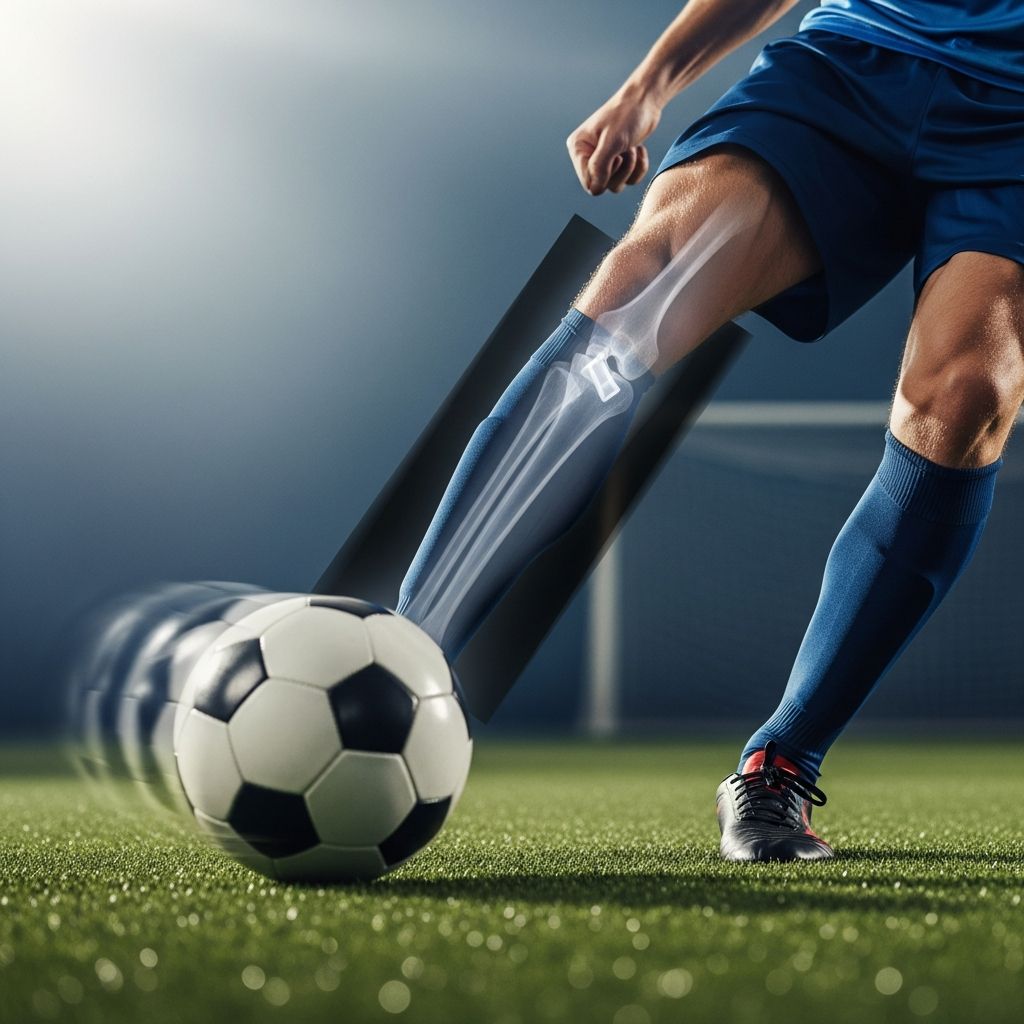
Sports-related fractures represent a significant concern for athletes at all levels, from recreational participants to elite professionals. A fracture, or broken bone, occurs when the force applied to a bone exceeds its strength, resulting in a break or crack. In the context of sports, these injuries can range from minor stress fractures to severe compound fractures requiring immediate surgical intervention. Understanding the nature of sports fractures, their classification, treatment options, and recovery protocols is essential for athletes, coaches, and healthcare providers seeking to optimize outcomes and facilitate safe return to athletic activities.
Understanding Sports Fractures
Sports fractures develop through various mechanisms, including direct impact, twisting forces, repetitive stress, and collision-based incidents common in athletic competition and training. The severity and type of fracture depend on multiple factors including the bone involved, the direction and magnitude of the force applied, the athlete’s age and bone density, and pre-existing conditions affecting bone quality. Fractures in sports differ from general population fractures because athletes often demand earlier return to activity, requiring specialized management strategies tailored to their specific needs and goals.
Classification of Sports Fractures
Fractures are classified into several categories based on their characteristics and anatomical features. Understanding these classifications helps determine appropriate treatment approaches and recovery timelines.
Stable vs. Unstable Fractures
Stable fractures maintain proper alignment with minimal displacement, while unstable fractures involve significant displacement or fragmentation. Stable fractures are generally more amenable to conservative treatment, whereas unstable fractures often require surgical intervention to restore anatomical alignment and ensure proper healing.
Open vs. Closed Fractures
Closed fractures occur without breaking the skin, reducing infection risk. Open fractures, also called compound fractures, involve a break in the skin at the fracture site, creating a direct pathway for bacterial contamination and requiring immediate medical attention to prevent serious complications including infection and systemic sepsis.
Displaced vs. Undisplaced Fractures
Undisplaced fractures maintain proper alignment at the fracture site, while displaced fractures involve separation or angulation of the bone fragments. Displaced fractures typically require reduction procedures to realign the bone before immobilization or surgical fixation.
Conservative Management Approaches
Conservative or non-operative treatment forms the foundation of fracture management for stable, undisplaced, and minimally displaced fractures. These approaches focus on immobilization, pain management, and gradual return to activity while the bone heals naturally.
Casting and Immobilization
Plaster or fiberglass casts represent the most common conservative treatment for fractures. A cast is applied after closed reduction to reposition displaced bone fragments, maintaining proper alignment throughout the healing process. Casts provide rigid support and are typically worn for periods ranging from 3 to 12 weeks, depending on the bone involved, fracture type, and patient age. For athletes, modern casting techniques increasingly utilize materials that allow for earlier mobilization and progression to functional braces, facilitating improved outcomes compared to traditional immobilization protocols.
Splinting
Splints offer an alternative or supplementary immobilization approach, particularly useful in early treatment phases when swelling is anticipated. Unlike rigid casts, splints accommodate soft tissue swelling and provide flexibility for adjustment. Splints are often applied initially, with transition to casts once swelling resolves. For athletes, removable splints enable earlier commencement of physiotherapy compared to rigid casts, potentially accelerating rehabilitation and functional recovery.
Functional Braces
Functional casts or braces allow controlled or limited movement of adjacent joints while protecting the fracture site. This intermediate approach between rigid immobilization and unrestricted activity enables athletes to maintain cardiovascular fitness and prevent muscle atrophy while protecting healing bone structures. Functional braces prove particularly valuable for weight-bearing fractures, where gradual loading progression facilitates bone healing while maintaining strength.
Traction Methods
Traction represents an alternative or adjunctive approach for fractures that cannot be effectively managed with casting alone. Skin traction involves adhesive tape attachment to skin below the fracture, with weights applying longitudinal force to achieve and maintain reduction. Skeletal traction employs a pin inserted through bone distal to the fracture, with weights applied to maintain alignment. Skeletal traction proves particularly useful for complex fractures of the femur and pelvis requiring sustained reduction forces that cannot be achieved through casting alone.
Surgical Treatment Options
Surgical intervention becomes necessary for unstable fractures, displaced intra-articular fractures, open fractures, and certain stable fractures in high-level athletes where accelerated return to sport justifies surgical risks and recovery time. Modern surgical approaches emphasize accurate anatomical reduction and early mobilization to optimize functional outcomes.
Open Reduction and Internal Fixation (ORIF)
ORIF represents the gold standard surgical technique for most displaced and unstable fractures. This procedure involves surgical exposure of the fracture site, direct visualization and anatomical reduction of bone fragments, and internal stabilization using devices including Kirschner wires, screws, plates, or intramedullary nails. ORIF enables precise alignment crucial for intra-articular fractures, facilitates early mobilization, and generally permits faster return to activity compared to conservative management. For high-level athletes, ORIF with rigid plate fixation has become increasingly preferred over conservative management for displaced fractures, as it avoids unsuccessful conservative treatment attempts that delay return to sport.
External Fixation
External fixation stabilizes fractures through an external apparatus without direct fixation at the fracture site. This approach proves particularly valuable for open fractures with soft tissue involvement, complex fractures with bone deficits, pelvic fractures, and polytrauma cases where internal fixation risks additional soft tissue damage. External fixation permits wound access for treatment and can be converted to internal fixation after soft tissue healing.
Minimally Invasive Techniques
Percutaneous screw fixation and arthroscopic-assisted reduction represent evolving minimally invasive approaches that reduce surgical trauma and soft tissue disruption compared to traditional open techniques. These methods prove particularly valuable in athletic populations where minimizing scar formation and post-operative morbidity accelerates rehabilitation and return to sport.
Site-Specific Fracture Management
Different fracture locations require tailored management approaches reflecting anatomical considerations and functional demands. Upper extremity fractures and lower extremity fractures present distinct challenges and recovery considerations.
Upper Extremity Fractures
Scaphoid fractures of the wrist represent common sports injuries, particularly in athletes engaging in contact sports or activities involving falls on outstretched hands. While approximately 5% of general population scaphoid fractures undergo primary surgical treatment, up to 25% of sport-related scaphoid fractures receive surgical management to facilitate earlier return to activity. Distal radial fractures similarly demonstrate a trend toward surgical management in high-level athletes, particularly when radiological instability features including dorsal comminution, dorsal angulation exceeding 20 degrees, articular involvement, ulnar fractures, or radial length loss are present. Volar plating represents the preferred fixation method, though additional fixation may be required for complex intra-articular fractures.
Lower Extremity Fractures
Ankle fractures represent frequent sports injuries, with management approaches evolving based on emerging evidence regarding surgical versus conservative outcomes. Previously, routine surgical treatment was recommended for all sport-related ankle fractures to facilitate early return to sport. However, contemporary evidence demonstrates that surgical intervention correlates with increased rates of persisting symptoms and similar or prolonged return times compared to conservative management. Current recommendations advise conservative treatment for stable, undisplaced fractures including isolated Weber A and B lateral malleolus fractures and medial malleolus fractures, while operative intervention remains appropriate for displaced and unstable fractures requiring anatomical restoration.
Jones fractures of the fifth metatarsal represent a distinct injury pattern frequently encountered in sports. Intramedullary screw fixation demonstrates the strongest evidence base for Jones fractures, with reported return to sport times ranging from 7.5 to 12.4 weeks and return rates between 88% to 100%. Both percutaneous and open techniques yield acceptable results, with percutaneous approaches offering aesthetic advantages through reduced scarring.
Immobilization Duration and Weight Bearing
Immobilization duration varies significantly based on fracture type, location, and treatment method. Upper extremity fractures typically require 4 to 8 weeks of immobilization, while lower extremity fractures require longer immobilization periods, frequently 8 to 12 weeks or longer. For athletes, modern approaches increasingly employ moon boot orthoses and functional braces enabling regular removal and earlier physiotherapy commencement compared to traditional rigid immobilization.
Weight-bearing progression follows specific protocols based on fracture stability and healing progression. For stable fractures, early weight bearing reduces muscle wastage and deconditioning while promoting bone healing through mechanical stimulation. However, weight-bearing timing must be carefully controlled to avoid excessive stress before adequate fracture consolidation occurs, which could result in fracture displacement and treatment failure.
Rehabilitation and Return to Sport
Rehabilitation represents a critical component of fracture management, with structured progression essential for optimal functional recovery. Initial rehabilitation focuses on pain management, swelling reduction, and restoration of motion in adjacent joints. Progressive strengthening, proprioceptive training, and sport-specific movement patterns follow as healing progresses and immobilization restrictions diminish.
Return to sport timing balances bone healing requirements with athlete demands and sport-specific demands. Premature return to competition risks fracture displacement and non-union, while delayed return perpetuates deconditioning and psychological anxiety. Evidence-based protocols consider imaging confirmation of fracture consolidation, strength recovery to levels comparable to the uninjured limb, and sport-specific functional testing before clearance for unrestricted activity.
Special Considerations for High-Level Athletes
Elite athletes present unique management challenges due to their demand for rapid return to competition, higher functional demands, and psychological pressure to resume activities. Four major questions require careful consideration for each fracture: (1) Should management be operative or conservative? (2) Which surgical fixation method optimizes outcomes? (3) Which immobilization approach facilitates earliest safe mobilization? (4) How quickly can sporting activities resume?
For high-level athletes, the trend toward operative management of displaced and unstable fractures reflects evidence that internal fixation with rigid plate or screw fixation facilitates accelerated rehabilitation and earlier return to sport compared to failed conservative management attempts. Minimally invasive techniques reducing scar formation and post-operative morbidity align with athlete preferences and potentially improve return to sport outcomes through faster soft tissue healing and reduced post-operative symptoms.
Frequently Asked Questions
Q: How long do sports fractures typically take to heal?
Healing time varies based on fracture type, location, patient age, and treatment method. Generally, upper extremity fractures heal within 6 to 8 weeks, while lower extremity fractures require 8 to 12 weeks or longer. Complete bone healing and return to full athletic activity frequently requires several months.
Q: Can athletes return to sports immediately after cast removal?
No. Although the cast is removed when bone healing achieves sufficient consolidation, the bone requires continued protection and gradual stress loading. Athletes must progress through rehabilitation phases including motion restoration, strengthening, proprioceptive training, and sport-specific activities before returning to competition.
Q: Are surgical fractures treated differently than non-surgical fractures?
Yes. Surgically treated fractures, particularly those managed with internal fixation, often permit earlier mobilization and weight bearing compared to conservative management, potentially accelerating rehabilitation. However, complete bone healing still requires time regardless of treatment method.
Q: When is surgery recommended for sports fractures?
Surgery becomes appropriate for unstable fractures, displaced intra-articular fractures, open fractures, and certain stable fractures in high-level athletes where faster return to sport justifies surgical intervention. The decision depends on fracture characteristics, athlete level, sport demands, and individual goals.
Q: What is the difference between conservative and surgical treatment?
Conservative treatment involves immobilization through casts, splints, or braces allowing natural bone healing. Surgical treatment involves operative intervention with internal or external fixation. For stable fractures, conservative treatment typically suffices. For unstable or displaced fractures, surgical intervention often provides superior alignment and earlier mobilization.
Conclusion
Sports-related fractures demand individualized management considering fracture characteristics, athlete level, and sport-specific demands. While conservative management remains appropriate for stable, undisplaced fractures, contemporary evidence supports selective surgical intervention for unstable and displaced fractures in high-level athletes, facilitating accurate reduction and accelerated return to sport. Rehabilitation protocols emphasizing graduated progression through motion restoration, strengthening, and sport-specific training optimize functional outcomes while reducing re-injury risk. Success requires coordinated care between athletes, coaches, and specialized sports medicine professionals committed to evidence-based management strategies.
References
- Fractures in sport: Optimising their management and outcome — PubMed Central/National Center for Biotechnology Information. 2015. https://pmc.ncbi.nlm.nih.gov/articles/PMC4686432/
- Fractures: Types and Treatment — American Academy of Orthopaedic Surgeons (AAOS). Accessed 2025. https://orthoinfo.aaos.org/en/diseases–conditions/fractures-broken-bones/
- Managing Sports-Related Fractures — The Pediatric Orthopedic Center. Accessed 2025. https://pediatricorthopedics.com/managing-sports-related-fractures/
- Bone Fractures: Types, Symptoms & Treatment — Cleveland Clinic. Accessed 2025. https://my.clevelandclinic.org/health/diseases/15241-bone-fractures
- Types of Sports Injuries and How They’re Treated — Brown University Health. Accessed 2025. https://www.brownhealth.org/be-well/types-sports-injuries-and-how-theyre-treated
Similar Articles






Read full bio of Sneha Tete