Sports Eye Trauma: Iconic Cases And Essential Prevention Tips
Explore shocking sports eye injuries that changed careers and sparked safety reforms in athletics.
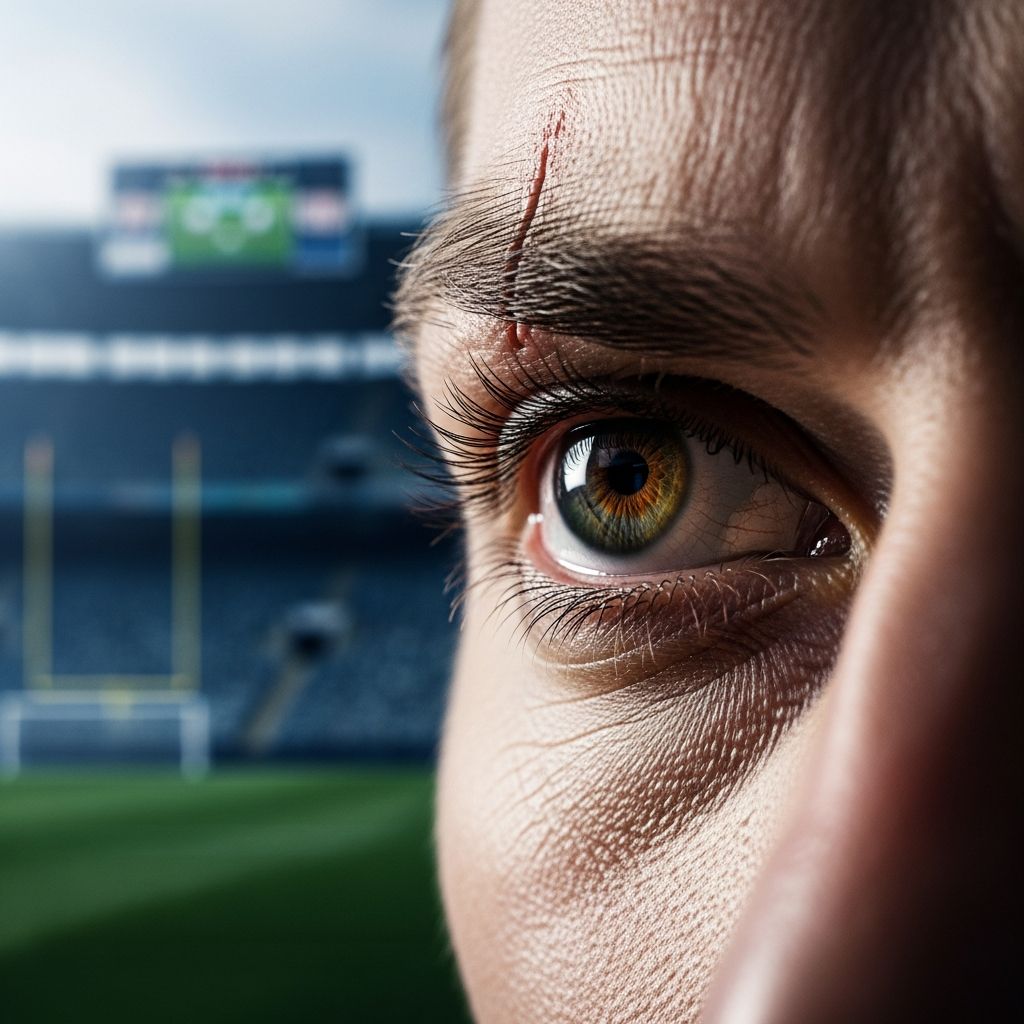
Eye injuries in sports represent a hidden danger that can end careers in an instant, robbing athletes of their sight and passion. From high-speed pucks to flying elbows, these incidents highlight the fragility of vision amid intense competition. This article examines landmark cases, current statistics, common injury types, and proven protective measures to safeguard players at all levels.
The Hidden Toll of Sports on Vision
Sports-related eye trauma affects thousands annually, with emergency rooms treating severe cases every few minutes. Recent data indicates over 43,000 such injuries in the US in 2024 alone, a 33% rise from prior years, underscoring a growing crisis as participation surges. Children and young adults bear the brunt, with males in their late teens and early 20s most vulnerable due to higher involvement in contact sports.
Basketball leads as the top culprit, followed by soccer, water activities, and projectile sports like paintball. These numbers likely understate the issue, excluding milder cases handled outside hospitals. Up to 90% of these tragedies are avoidable with proper gear, yet adoption remains low.
- Basketball: Highest incidence due to close contact and fast balls.
- Water sports: Infections and impacts from dives or collisions.
- Soccer: High risk of vision impairment from kicks or headers.
- Paintball/Air guns: Leading causes of lasting damage.
High-Profile NBA Blowups That Shattered Sight
Professional basketball courts have witnessed some of the most publicized eye catastrophes, altering legacies and igniting gear debates. One unforgettable moment involved a star center struck by an opponent’s finger during a rebound battle in the early 2000s. The poke ruptured his cornea and caused hyphema—blood pooling in the eye’s front chamber—necessitating emergency surgery and months of recovery. He returned diminished, his depth perception forever compromised.
Another grim episode saw a point guard blindsided by a teammate’s elbow in a playoff frenzy. The impact detached his retina, a tear requiring laser repairs and oil injections to reattach. Despite comebacks, recurring detachments plagued his career, forcing early retirement. These cases spotlight blunt force as a primary threat in the paint.
| Incident | Athlete Role | Injury Type | Outcome |
|---|---|---|---|
| Finger poke rebound | Center | Corneal rupture, hyphema | Partial vision loss, career altered |
| Elbow collision | Point guard | Retinal detachment | Multiple surgeries, retirement |
Baseball’s Brutal Blasts to the Face
America’s pastime hides vicious risks for catchers and batters alike. A notorious foul tip in the 1990s smashed into a catcher’s maskless face, fracturing his orbital bone and lacerating his eyelid. Shards pierced the sclera, leading to traumatic cataract formation. Reconstructive surgery restored some function, but he battled glaucoma for years.
Infielders face line drives too; one MLB shortstop took a 100-mph screamer to the temple in 2010, causing optic nerve swelling and vitreous hemorrhage. Vision dropped to 20/400 temporarily, ending his season. Such blows reveal how even split-second reactions can’t outpace physics without shields.
Related Stories



Hockey’s High-Stakes Stick and Puck Perils
Ice rinks amplify dangers with flying pucks reaching 100 mph. A defenseman in the 1970s era—pre-mandatory visors—caught a slapshot under his eye, severing the optic nerve outright. Blind in one eye, he pivoted to coaching, his story fueling visor mandates.
Modern enforcers aren’t immune; a 2000s brawl saw a player’s orbital floor shatter from a high stick, trapping muscles and causing double vision. Emergency orbital decompression saved the eye, but persistent diplopia hampered play. These tales drove rule changes, yet compliance lags.
Boxing and MMA: The Ultimate Vision Vandals
Combat sports deliver deliberate devastation. A heavyweight champ in the 1980s absorbed thumb jabs that scratched his cornea bilaterally, sparking infections and scarring. He fought blinded, losing a title bout.
MMA’s ground-and-pound era produced a fighter whose eye popped from its socket after a knee strike in the 2010s—proptosis from orbital blowout. Reinsertion and plates stabilized it, but nerve damage left him half-blind. These underscore gloves’ inadequacy against direct ocular hits.
Understanding the Damage: Types and Mechanisms
Eye trauma spans mild scratches to globe ruptures. Blunt force dominates, compressing the orbit and spiking intraocular pressure, risking retinal tears or hemorrhages. Penetrating wounds from fingers or sticks pierce deeper structures.
- Corneal abrasions: Scratches causing pain, light sensitivity; common in dirt-heavy sports like soccer.
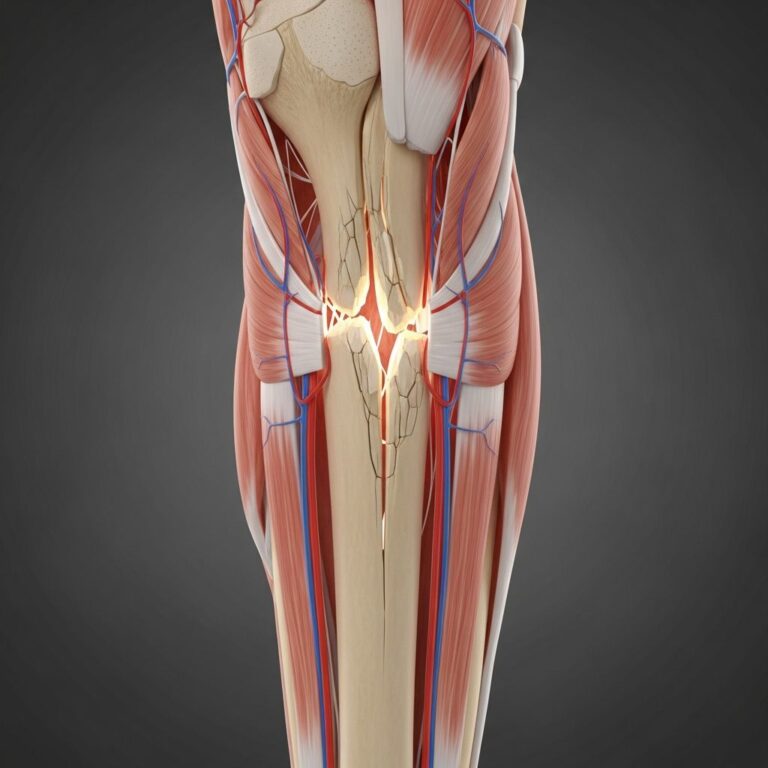
- Orbital fractures: Blowouts trapping muscles, leading to restricted movement; 10% of cases.
- Retinal detachment: Traction tears from acceleration/deceleration; vision-threatening if delayed.
- Traumatic cataracts: Lens opacification from impact shockwaves.
- Optic neuropathy: Nerve swelling or severance, often permanent.
Youth face amplified risks; college athletes log 1.84 injuries per 100,000 exposures vs. high school’s 0.68, with women’s field hockey topping charts.
Stats Snapshot: By Sport and Demographics
| Sport | Annual US Injuries (Est.) | % Vision Impairment | Top Risk Group |
|---|---|---|---|
| Basketball | ~12,000 | High | Males 15-24 |
| Baseball/Softball | ~4,000 | Medium | Youth players |
| Soccer | ~3,500 | 5.7% | High school |
| Water Sports | ~5,000 | Low-Med | All ages |
Data drawn from national surveillance; totals exceed 30,000-43,000 yearly.
Fortifying Defenses: Gear That Works
Certified polycarbonate eyewear slashes risks by 90%. Unlike sunglasses or specs, sports shields wrap fully, resisting shattering.
- Choose ASTM F803-rated frames for racquet/ball sports.
- Opt for ventilated designs to prevent fogging.
- Prescription inserts for corrected vision users.
- Helmets with integrated visors for hockey/baseball.
Organizations like the American Academy of Ophthalmology mandate protection in high-risk activities. Parents and coaches must enforce it—compliance hovers below 50%.
Immediate Response: First Aid Fundamentals
Act fast post-impact:
- Shield the eye; avoid rubbing.
- Apply cold compress gently.
- Seek ER if vision blurs, pain persists, or blood appears.
- No contact lenses post-trauma—infection risk soars.
Delays compound damage; retinal cases need surgery within hours.
FAQs: Sports Eye Safety Essentials
Which sport has the most eye injuries?
Basketball tops lists, driven by proximity and ball speed.
Can eye injuries cause permanent blindness?
Yes, up to 10% in paintball cases; prompt care is critical.
Is regular eyewear enough protection?
No—needs shatterproof sports-specific gear.
How do I pick the right eye guards?
Match to sport standards (e.g., ANSI Z87.1); ensure fit and comfort.
Do pros wear protection consistently?
Varies; NBA requires it post-injury, but not universally.
Policy Shifts Sparked by Survivor’s Stories
These tragedies catalyzed reforms: NHL visors post-1980s losses, youth leagues mandating cages. Yet gaps persist in non-contact sports like cycling. Advocacy from groups like Prevent Blindness pushes for universal adoption during Safety Awareness Month.
Athletes like a blinded goalie became spokesmen, testifying for bills requiring school protections. Their sacrifices illuminate paths forward.
References
- New Data Shows More than 30,000 Sports-Related Eye Injuries — Prevent Blindness. 2023. https://preventblindness.org/new-data-shows-more-than-30000-sports-related-eye-injuries/
- Sports Eye Injury Statistics — Optics Outfitter. 2015. https://opticsoutfitter.com/pages/sports-eye-injury-statistics
- New data shows increase in sports-related eye injuries — The Press Publications. 2024. https://www.presspublications.com/stories/sports-eye-safety-month-sports-related-eye-injuries-increase,67851
- Most Common Eye Injuries in Athletes and How to Prevent Them — Clearly Eye Care. Recent. https://www.clearlyeyecare.com/most-common-eye-injuries-in-athletes/
- Ocular related sports injuries — PMC/NIH. 2021-06-01. https://pmc.ncbi.nlm.nih.gov/articles/PMC8192440/
- Sports related ocular injuries — PMC/NIH. 2013. https://pmc.ncbi.nlm.nih.gov/articles/PMC3862938/
Similar Articles








Read full bio of Sneha Tete