Eye Exams: 5 Hidden Health Risks Detected Early
Discover hidden vision threats through routine exams and learn warning signs that demand immediate attention for lifelong eye protection.
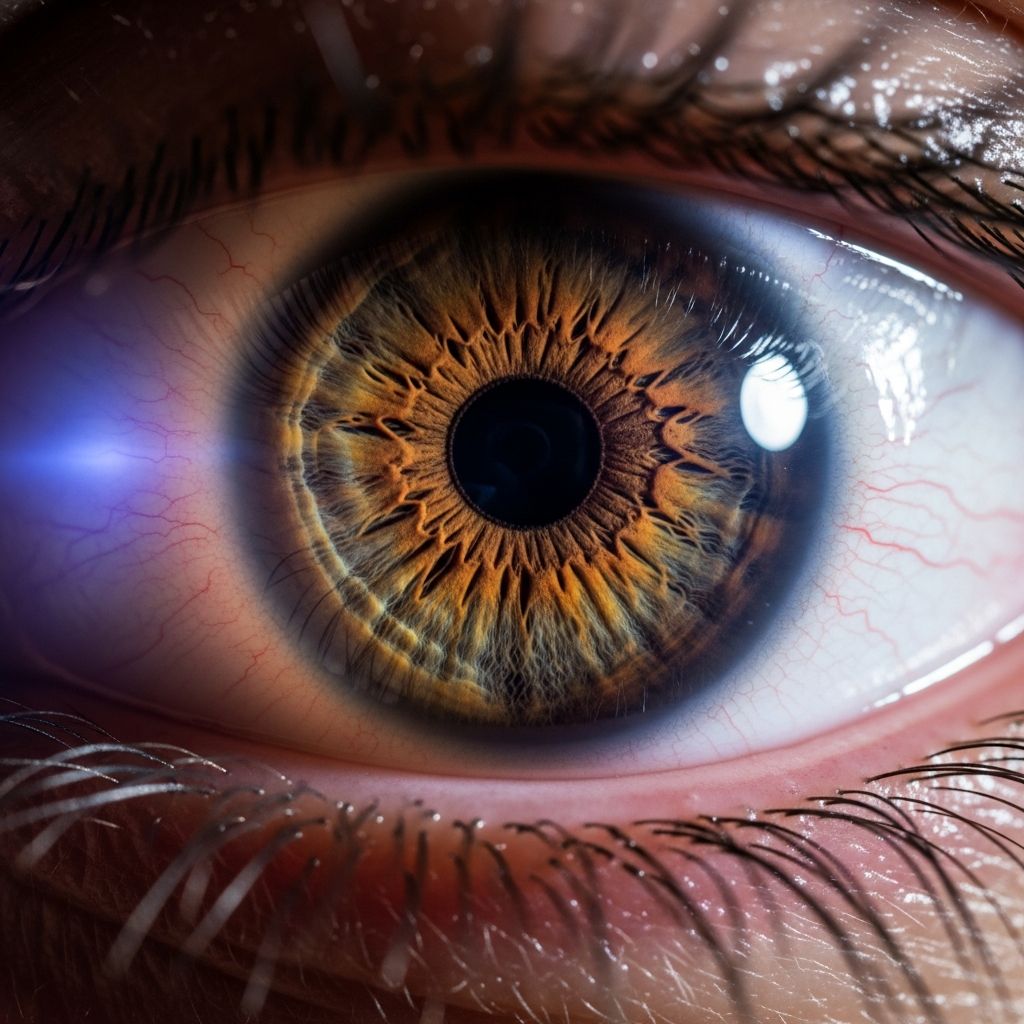
Comprehensive eye examinations serve as a critical frontline defense against vision loss and undetected health issues. These assessments uncover problems invisible to the naked eye, from refractive errors to life-altering diseases, enabling timely interventions that preserve sight and overall well-being.
Why Eye Checks Matter Beyond Perfect Vision
Many eye conditions progress silently without pain or obvious changes, making routine evaluations indispensable. A dilated exam allows professionals to inspect the retina, optic nerve, and blood vessels, revealing early markers of conditions like glaucoma or macular degeneration that could otherwise lead to irreversible damage. Beyond ocular health, these checks provide insights into systemic disorders, as the eye offers a unique window into vascular and neurological status.
Adults typically benefit from exams every two years, while children and seniors over 65 require annual visits to monitor developmental or age-related shifts. Delaying can escalate minor issues into major threats, underscoring the need for proactive scheduling.
Critical Vision Changes Signaling Urgent Care
Certain alterations in sight demand prompt attention, as they may indicate treatable issues or emergencies. Here’s a breakdown of common red flags:
- Blurred Vision: Persistent haziness when viewing objects at any distance often stems from uncorrected refractive errors like nearsightedness or astigmatism, but it can also herald glaucoma, cataracts, or retinal damage. Sudden onset warrants immediate evaluation to rule out strokes or detachments.
- Night Vision Struggles: Difficulty navigating in low light, beyond normal adaptation, points to emerging cataracts or vitamin deficiencies affecting the retina.
- Halos Around Lights: Bright rings encircling sources like headlights frequently signal lens clouding from cataracts, a correctable condition if addressed early.
- Double Vision: Seeing duplicate images suggests nerve or muscle dysfunction, potentially linked to diabetes, thyroid issues, or neurological events.
These symptoms disrupt daily life and amplify risks during activities like driving. Tracking their frequency helps prioritize care.
Discomfort Indicators You Shouldn’t Ignore
Physical sensations in and around the eyes often reflect strain or pathology. Frequent headaches, particularly after visual tasks, arise from eye muscle fatigue due to improper correction or prolonged screen exposure. Eye strain—manifesting as aching, dryness, or redness—exacerbates with digital overuse, signaling a need for updated prescriptions or ergonomic adjustments.
Other cues include:
- Sensitivity to light transitions, hinting at retinal sensitivity or inflammation.
- Floaters or light flashes, which could indicate vitreous changes or retinal tears requiring urgent repair.
- Increased eye pressure, a stealthy glaucoma precursor that damages the optic nerve silently.
Persistent pressure or wavy lines distorting straight edges suggest corneal irregularities or macular issues, both detectable through tonometry and retinal imaging during exams.
How Exams Uncover Hidden Systemic Conditions
The eye’s transparency makes it an ideal diagnostic portal. Clinicians observe live blood vessels and nerve fibers, spotting anomalies tied to broader health crises.
| Condition | Eye Exam Findings | Implications |
|---|---|---|
| Diabetes | Retinal vessel leaks or microaneurysms | Early retinopathy detection aids blood sugar control |
| Hypertension | Narrowed or tortuous retinal arteries | Prevents stroke and heart risks |
| High Cholesterol | Corneal arcus or vessel plaques | Triggers lipid management |
| Thyroid Disorders | Protruding eyes or lid retraction | Links to Graves’ disease |
| Neurological Issues | Optic nerve swelling or field defects | Flags tumors or MS |
Related Stories



These discoveries often precede patient-reported symptoms, emphasizing exams’ role in holistic health screening.
Understanding the Comprehensive Eye Exam Process
A full evaluation combines patient history, visual acuity tests, refraction for prescriptions, and advanced diagnostics. Key components include:
- Dilated Fundus Exam: Drops widen pupils for internal views, essential for disease detection despite temporary blur.
- Tonometry: Measures intraocular pressure to screen for glaucoma.
- Visual Field Testing: Maps peripheral vision loss from strokes or tumors.
- Slit-Lamp Inspection: Examines front structures for cataracts or infections.
Prepare by noting symptoms and medications. Post-exam, avoid driving if dilated, and follow recommendations for glasses or specialist referrals.
Age-Specific Eye Health Guidelines
Needs evolve across life stages:
- Children: Annual checks ensure proper development; detect amblyopia or alignment issues.
- Adults 20-40: Every 2-4 years, focusing on digital strain and early chronic signs.
- Over 40: Biennial exams target presbyopia and glaucoma spikes.
- Seniors 65+: Yearly for cataracts, macular degeneration.
Risk factors like family history or diabetes necessitate more frequent visits.
FAQs on Eye Health and Exams
Q: What blurred vision patterns require immediate attention?
A: Sudden blurring, especially one-sided, or accompanied by pain/headaches signals emergencies like retinal detachment or stroke—seek care same-day.
Q: Can healthy-feeling eyes still harbor problems?
A: Yes; glaucoma and early diabetes often asymptomatically damage vision. Routine dilated exams catch these.
Q: How does screen time impact eye health?
A: It induces strain, dryness, and myopia progression. Follow 20-20-20 rule: every 20 minutes, view 20 feet away for 20 seconds.
Q: Are floaters always harmless?
A: Occasional ones are vitreous debris, but sudden increases with flashes suggest tears—get evaluated promptly.
Q: When do halos indicate cataracts?
A: If persistent around lights at night, especially worsening, it’s a classic cataract sign treatable by surgery.
Preventive Strategies for Lasting Vision
Complement exams with habits like UV-protective sunglasses, balanced diets rich in lutein/zeaxanthin, and quitting smoking to curb degeneration risks. Limit screens, maintain hydration, and manage comorbidities like hypertension through lifestyle and meds.
Empower yourself by self-monitoring: Chart symptom onset, severity, and triggers. Apps tracking visual fields aid early alerts. Educate family on shared risks, fostering generational vigilance.
In summary, vigilance turns potential tragedies into triumphs. Regular exams demystify the unseen, ensuring your world stays vividly in focus.
References
- When Should You Get an Eye Exam? — Collingwood Optometry. 2023. https://collingwoodoptometry.ca/when-should-you-get-an-eye-exam/
- 9 Signs You Might Need an Eye Exam — Rideau Optometric. 2024. https://www.rideauoptometric.com/general/9-signs-you-might-need-an-eye-exam/
- How Adult Eye Exams Can Detect Early Signs of Chronic Diseases — Ottawa Valley Vision. 2023. https://www.ottawavalleyvision.ca/how-adult-eye-exams-can-detect-early-signs-of-chronic-diseases
- Seeing the signs: How eye exams detect hidden health issues — Brain Tumour Foundation of Canada. 2024. https://www.braintumour.ca/blog/seeing-the-signs-how-eye-exams-detect-hidden-health-issues/
- Why Eye Exams Are Important — Centers for Disease Control and Prevention (CDC). 2025-02-10. https://www.cdc.gov/vision-health/about-eye-disorders/why-eye-exams-are-important.html
- 10 Signs You Should See an Eye Doctor, Now! — American Optometric Association (Optometrists.org). 2024. https://www.optometrists.org/general-practice-optometry/guide-to-eye-exams/eye-exams/10-signs-you-should-see-an-eye-doctor-now/
- The Eye Exam — Canadian Association of Optometrists. 2025. https://opto.ca/eye-health-library/eye-exam
Similar Articles








Read full bio of Sneha Tete