Spotlight on Seasonal Depression: Why Indoor Tanning Isn’t an Effective Treatment
Uncover why indoor tanning fails as a SAD treatment and discover safer, proven alternatives to combat winter blues effectively.
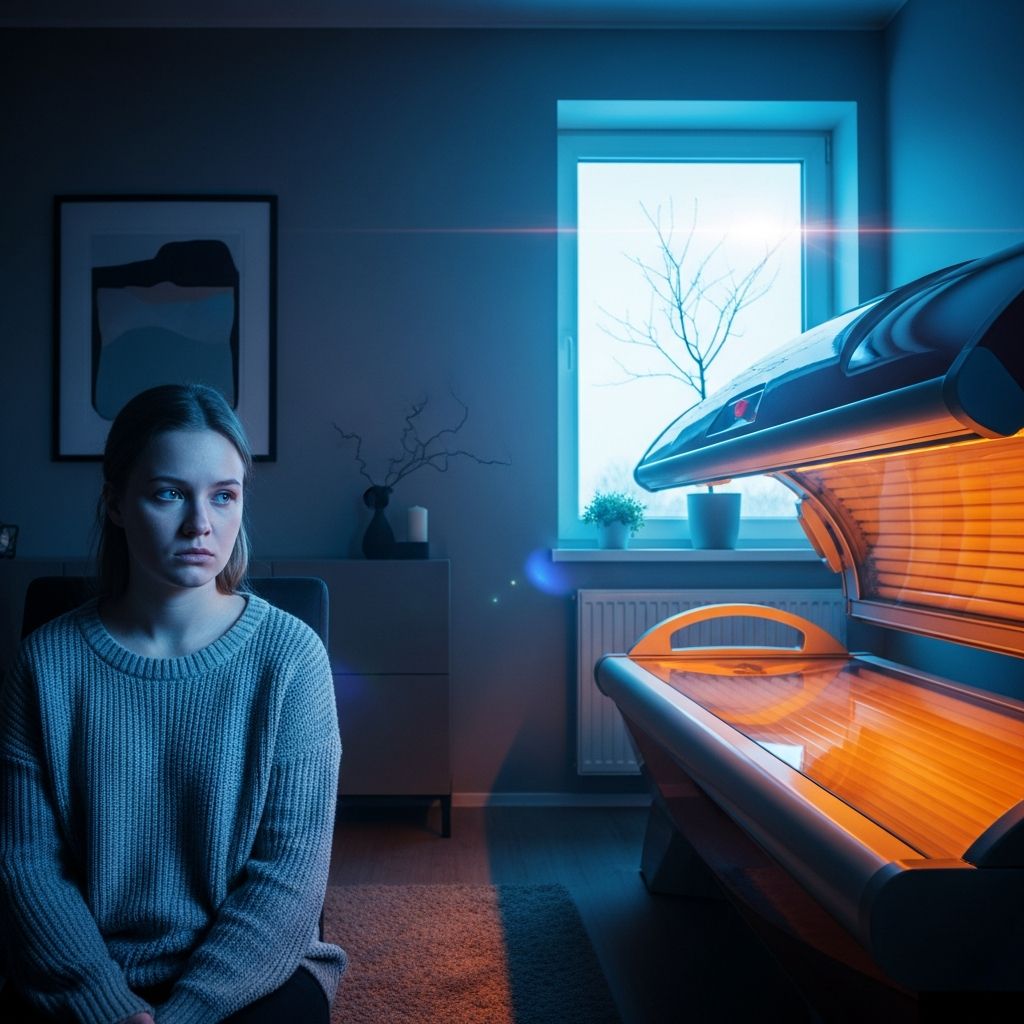
Seasonal Affective Disorder (SAD), commonly known as the winter blues, affects millions during shorter, darker days. Many seek relief through indoor tanning, believing UV exposure mimics sunlight’s mood-boosting effects. However, this approach is ineffective for SAD treatment and dramatically increases skin cancer risk. Bright light therapy, acting through the eyes, provides proven relief without UV dangers.
What Is Seasonal Affective Disorder (SAD)?
SAD is a type of depression tied to seasonal changes, primarily fall and winter, when daylight hours diminish. Symptoms include persistent sadness, low energy, oversleeping, carbohydrate cravings, weight gain, and social withdrawal. Affecting about 5% of U.S. adults, women are diagnosed four times more often than men. Risk factors include living far from the equator, family history, and younger age.
- Core Symptoms: Depressed mood, loss of interest in activities, fatigue, excessive sleep, appetite changes.
- Prevalence: Up to 10% in northern latitudes; milder forms affect 10-20% more.
- Duration: Typically resolves in spring with increasing sunlight.
The reduced sunlight disrupts circadian rhythms and serotonin levels, key mood regulators. Melatonin production also imbalances, worsening sleep and energy issues.
Indoor Tanning as a ‘Treatment’: The Dangerous Myth
Indoor tanning beds emit UVA and UVB rays to darken skin, marketed as mood elevators. Some tanners report temporary relaxation or endorphin boosts, but this does not equate to SAD treatment. Unlike therapeutic light boxes using 10,000 lux visible light viewed through the eyes, tanning beds require protective eyewear blocking retinal light—the pathway for circadian and serotonin regulation.
Studies show tanning may temporarily reduce negative moods like irritability in frequent users, but it also decreases positive states like interest and alertness. High psychiatric symptom rates among tanners, including anxiety and substance issues, suggest self-medication rather than cure.
| Aspect | Indoor Tanning | Bright Light Therapy |
|---|---|---|
| Light Type | UV (UVA/UVB) | Visible full-spectrum |
| Mechanism | Skin exposure; eye protection required | Retinal exposure (no eye cover) |
| SAD Efficacy | Ineffective; temporary mood shift only | Proven; 60-80% improvement rate |
| Risks | Skin cancer (75% melanoma increase if started before 35) | Minimal (eye strain if misused) |
Skin Cancer Risks of Indoor Tanning
Indoor tanning is classified as carcinogenic by the World Health Organization. First use before age 35 raises melanoma risk by 75%; ever-users under 30 face fivefold squamous cell carcinoma risk. Annually, U.S. tanning contributes to 419,000 skin cancer cases, including 6,200 melanomas.
- Melanoma: Deadliest skin cancer; indoor tanners 2.5 times more likely.
- Basal/Squamous Cell: Common, treatable but scarring if advanced.
- Premature Aging: Wrinkles, leathery skin from collagen breakdown.
UV overexposure damages DNA, causing mutations. No ‘safe’ tan exists—all UV-induced pigment signals skin injury.
Why Indoor Tanning Fails for SAD
SAD responds to visible light resetting the body’s clock via intrinsically photosensitive retinal ganglion cells (ipRGCs). Tanning beds’ UV primarily affects skin, not these eye cells, due to mandatory goggles. Research confirms tanning lacks light therapy’s efficacy; mood ‘benefits’ are placebo or endorphin highs akin to addictive behaviors.
Frequent tanners often have SAD symptoms (80% in one study), using beds for perceived relief despite risks—mirroring dependence patterns.
Related Stories



Proven Treatments for SAD
Safer, effective options abound:
- Bright Light Therapy (BLT): 10,000 lux box, 30-60 min daily upon waking. Mimics sunlight, boosts serotonin. 60% see major improvement in 4-6 weeks.
- Cognitive Behavioral Therapy (CBT): Targets negative thoughts; SAD-specific protocols enhance coping.
- Medications: SSRIs like bupropion or sertraline for severe cases.
- Lifestyle: Dawn simulation, exercise, vitamin D if deficient.
Dawn simulators gradually brighten rooms pre-wakeup, aligning circadian rhythms effectively.
Healthy Alternatives to Combat Winter Blues
The Skin Cancer Foundation recommends UV-free strategies:
- Spend time outdoors midday, even cloudy—natural light helps.
- Exercise regularly: 30 min aerobic boosts endorphins.
- Maintain social connections; isolation worsens SAD.
- Balanced diet: Omega-3s, fruits/veggies combat cravings.
- Get enough sleep; consistent schedule stabilizes mood.
Light boxes cost $40-300; apps track light exposure. Consult professionals for personalized plans.
Frequently Asked Questions (FAQs)
Can indoor tanning help with my seasonal depression symptoms?
No. It lacks the retinal light needed for SAD relief and heightens skin cancer risk significantly.
What is the most effective treatment for SAD?
Bright light therapy using a 10,000 lux device for 30 minutes daily is first-line, with 60-80% efficacy.
Are tanning beds safer than the sun for getting a tan?
No. Beds deliver concentrated UVA (up to 12x sunlight), accelerating damage.
How soon do SAD symptoms improve with light therapy?
Many notice changes in 1-2 weeks; full benefits in 4-6 weeks with consistent use.
Is vitamin D supplementation enough for SAD?
It helps deficiency-related symptoms but doesn’t replace light therapy’s circadian effects.
Take Action for Your Mental and Skin Health
Skip tanning beds—opt for evidence-based SAD treatments. Prioritize skin protection: SPF 30+, seek shade, avoid 10am-4pm sun. Early intervention prevents SAD worsening; consult doctors for tailored care. Stay informed via trusted sources like The Skin Cancer Foundation.
This comprehensive approach safeguards mood and skin long-term, embracing winter safely.
References
- Mood Changes After Indoor Tanning Among College Women — Cherie L. Hillhouse et al. 2016-06-16. https://pmc.ncbi.nlm.nih.gov/articles/PMC4926028/
- Indoor Tanning Won’t Cure Seasonal Affective Disorder — CURE Today. 2023. https://www.curetoday.com/view/indoor-tanning-won-t-cure-seasonal-affective-disorder
- The Surprising Benefits of Tanning Beds: A Balanced Perspective — Philadelphia Integrative Psychiatry. 2024. https://phillyintegrative.com/blog/benefits-of-tanning-beds-a-balanced-perspective
Similar Articles








Read full bio of Sneha Tete