Spotted Fever: Complete Guide To Symptoms & Treatment
Comprehensive guide to spotted fevers: causes, symptoms, diagnosis, treatment, and prevention of these tick-borne rickettsial infections.
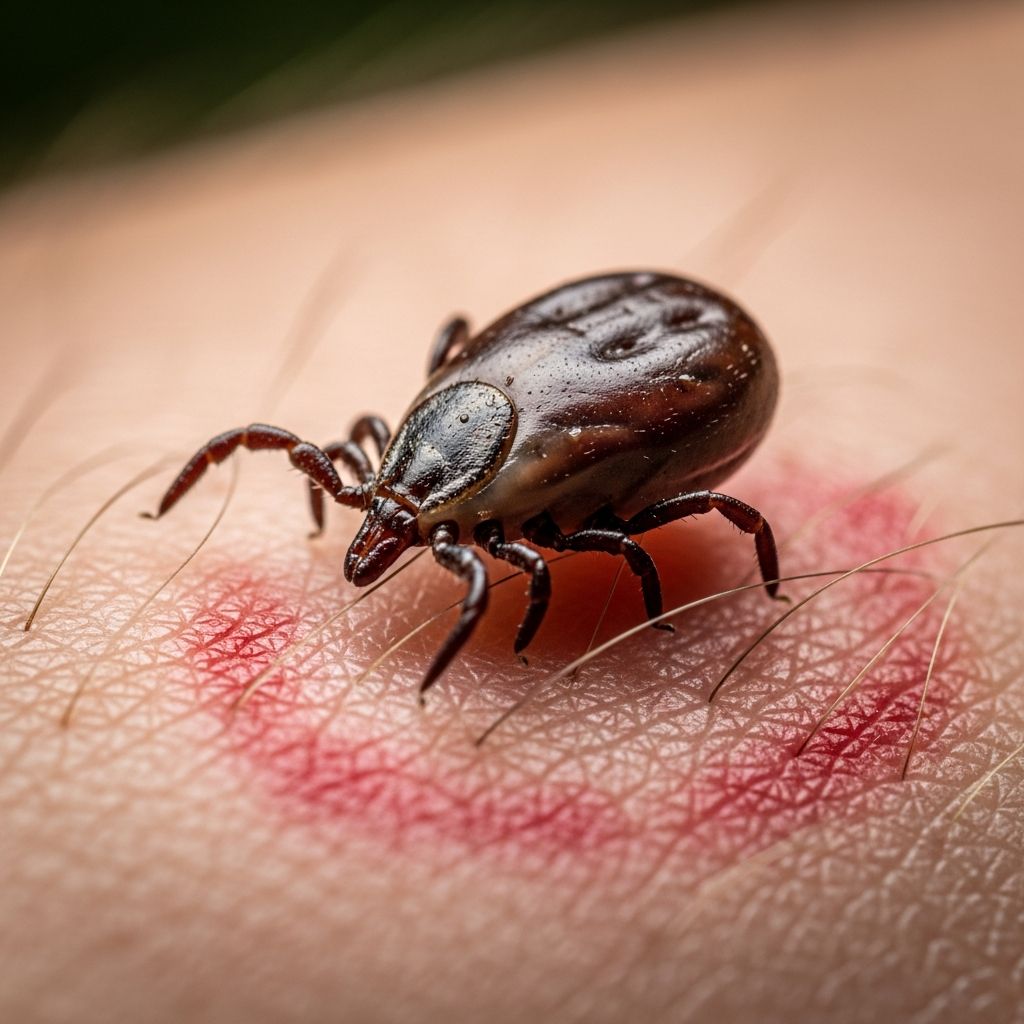
Spotted fevers encompass a group of tick-borne infections caused by bacteria of the genus Rickettsia, primarily transmitted through tick bites. The most well-known is Rocky Mountain spotted fever (RMSF), caused by Rickettsia rickettsii, but other species like R. conorii (Mediterranean spotted fever) and R. australis (Queensland tick typhus) cause similar illnesses worldwide. These diseases feature high fever, severe headache, and a characteristic spotted rash, with potential for life-threatening complications if not treated promptly with antibiotics like doxycycline.
What is spotted fever?
Spotted fevers are rickettsial zoonoses where bacteria infect endothelial cells lining small blood vessels, leading to vasculitis, increased vascular permeability, edema, and hemorrhages. RMSF, first described in the Rocky Mountains but now prevalent across the Americas, exemplifies this group. Symptoms typically emerge 2–14 days post-tick bite, starting with nonspecific flu-like illness before a rash develops. Globally, incidence varies; in the US, RMSF cases number hundreds annually, with higher rates in southeastern states.
Who gets spotted fever?
Anyone exposed to infected ticks is at risk, particularly in endemic areas during warmer months (spring–summer). Children under 10 and adults over 40 face higher incidence, possibly due to outdoor activities or delayed treatment. Dogs can serve as reservoirs, increasing exposure in pet owners. No immunity develops post-infection, allowing reinfection.
- High-risk groups: Outdoor workers, hikers, campers in tick habitats.
- Geographic hotspots: US Southeast (e.g., North Carolina), South America, Africa, Australia.
What causes spotted fever?
Primary causative agent for RMSF is Rickettsia rickettsii, transmitted by Dermacentor ticks (e.g., American dog tick, Rocky Mountain wood tick). Bacteria multiply in tick salivary glands and disseminate via bloodstream upon bite, invading endothelial and vascular smooth muscle cells. This triggers inflammation, platelet aggregation (thrombocytopenia), and leakage causing petechiae and organ dysfunction. Other spotted fevers stem from related species like R. africae (African tick bite fever).
What are the clinical features of spotted fever?
Incubation averages 3–12 days. Early nonspecific symptoms dominate days 1–4: high fever (≥102°F), severe headache, myalgia, nausea, vomiting. Rash appears day 3–5 in 90% of cases: macular on wrists/ankles, spreading centripetally to palms/soles (unlike many viral exanthems); evolves to petechiae. Late features (day 5+): periorbital edema, altered mental status, pneumonitis, organ failure.
| Phase | Days | Key Symptoms |
|---|---|---|
| Early | 1–4 | Fever, headache, myalgia, GI upset, rash onset (pinpoint macules) |
| Late | ≥5 | Edema, rash petechial, encephalitis, dyspnea, multiorgan failure |
Rash characteristics
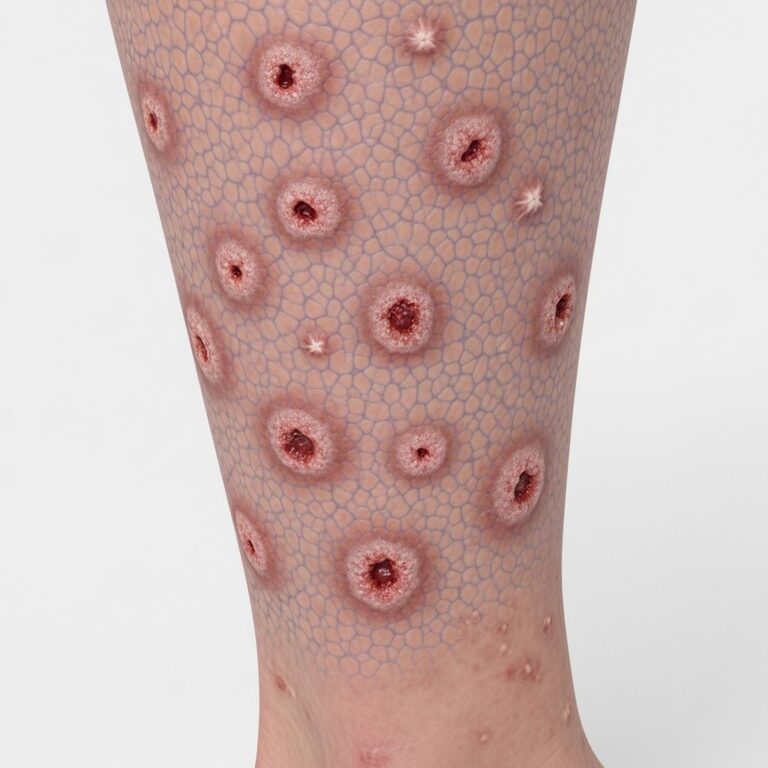
- Initial: Diffuse erythema or discrete pink macules (1–4 mm).
- Progression: Petechiae from capillary hemorrhage; may necrose.
- Distribution: Extremities first, trunk later; involves palms/soles in 50–80%.
Diagnosis
Clinical suspicion drives diagnosis in tick-exposed patients with fever, headache, rash. No rapid confirmatory test exists; presumptive treatment is essential. Indirect immunofluorescence assay (IFA) for IgG/IgM confirms serologically (4-fold titer rise), but delays (2–3 weeks). PCR on skin biopsy (rash edge) detects DNA acutely. Labs show thrombocytopenia, hyponatremia, elevated liver enzymes. Differential: Meningococcemia, measles, ehrlichiosis, thrombocytopenia purpura.
Related Stories



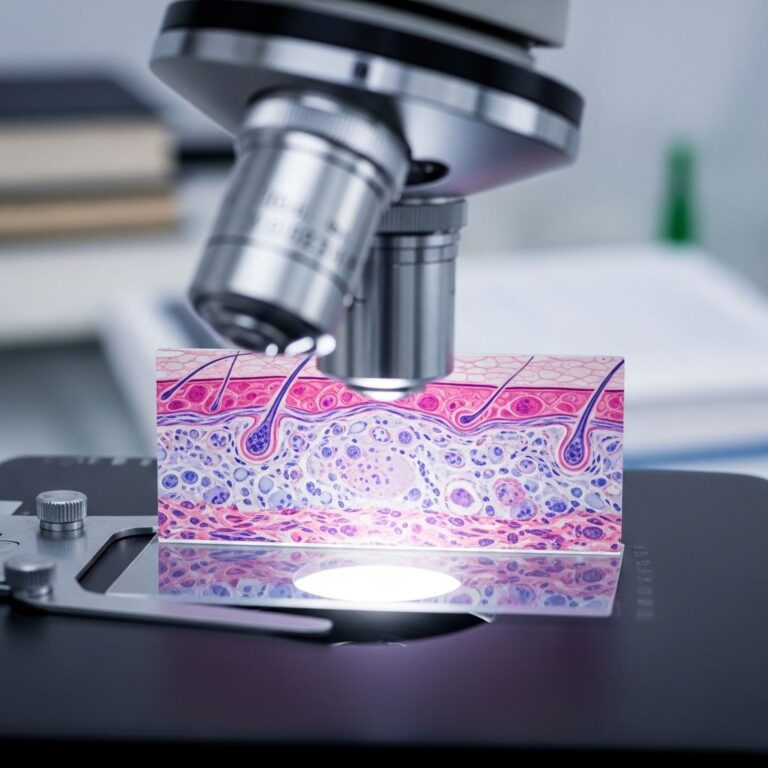
- Skin biopsy: Vasculitis with organisms (immunostaining).
- Bloods: Leukopenia, anemia, coagulopathy.
Treatment
Doxycycline is first-line for all ages, including children <8 and pregnant women: adults 100 mg BID; children 2.2 mg/kg BID. Treat presumptively; continue ≥3 days post-fever resolution (min 5–7 days). Fever resolves 24–48 hours with therapy; delays >5 days raise fatality (20–30% untreated vs <1% treated). Alternatives (doxycycline allergy): Chloramphenicol. Supportive care: IV fluids, ventilation for complications.
| Group | Dose | Duration |
|---|---|---|
| Adults | 100 mg PO/IV q12h | ≥5–7 days |
| Children <45 kg | 2.2 mg/kg q12h | ≥5–7 days |
| Pregnant | Doxycycline (preferred) | Same |
Complications
Untreated, RMSF mortality reaches 20–25%. Vascular damage causes:
- Neurologic: Encephalitis, coma, hearing loss, paralysis (10–20%).
- Cardiac: Myocarditis, arrhythmias.
- Pulmonary: Edema, ARDS.
- Renal: Acute failure from hypovolemia.
- Dermatologic: Gangrene, digital amputation.
Survivors may have chronic sequelae: fatigue, neuropathy, cognitive deficits.
Prevention
Tick avoidance is key:
- Wear permethrin-treated clothing, tuck pants into socks.
- DEET repellents (30–50%).
- Daily tick checks; remove with tweezers (grasp close to skin, steady pull).
- Avoid brushy/wooded areas.
Vaccines exist for some (e.g., Mediterranean), not RMSF. Dog tick collars reduce pet transmission.
Related spotted fevers
- Mediterranean (Boutonneuse): R. conorii, Rhipicephalus sanguineus tick; eschar at bite, milder rash.
- Queensland tick typhus: R. australis; Australia, eschar common.
- African tick bite fever: R. africae; multiple eschars.
Frequently asked questions
Q: Is doxycycline safe for children with spotted fever?
A: Yes, CDC recommends doxycycline for all ages, including <8 years; short courses do not stain teeth.
Q: How soon after tick bite does rash appear?
A: Rash typically days 3–5 post-symptom onset (2–14 days post-bite).
Q: Can spotted fever be fatal?
A: Yes, untreated fatality 20–30%; prompt doxycycline reduces to <1%.
Q: Does rash always involve palms/soles?
A: In 50–80% of RMSF; absence does not rule out.
Q: How to remove a tick safely?
A: Use fine tweezers, grasp near head, pull steadily; clean site.
References
- Rocky Mountain Spotted Fever: Causes, Symptoms & Treatment — Cleveland Clinic. 2023-10-15. https://my.clevelandclinic.org/health/diseases/17838-rocky-mountain-spotted-fever
- Rocky Mountain Spotted Fever — NORD (rarediseases.org). 2024-01-12. https://rarediseases.org/rare-diseases/rocky-mountain-spotted-fever/
- Clinical Care of Rocky Mountain Spotted Fever — CDC. 2025-06-20. https://www.cdc.gov/rocky-mountain-spotted-fever/hcp/clinical-care/index.html
- Spotted Fever Rickettsioses Information for Clinicians — Illinois Department of Public Health. 2024-05-10. https://dph.illinois.gov/topics-services/diseases-and-conditions/tickborne-illnesses/rocky-mountain-spotted-fever/clinician-information.html
- Rocky Mountain Spotted Fever — Nemours KidsHealth. 2023-11-01. https://kidshealth.org/en/parents/rocky.html
- Rocky Mountain Spotted Fever — Ohio Department of Health. 2024-03-15. https://odh.ohio.gov/rmsf
Similar Articles








Read full bio of medha deb