Spotting Depression In Your Partner: 13 Signs And How To Help
Learn to recognize the subtle signs of depression in your partner and discover how to support them effectively through open communication and professional help.

Depression is a common yet serious mental health condition that affects how a person feels, thinks, and handles daily activities. When it strikes someone close to you, like your partner, it can be challenging to recognize the signs amid the ebb and flow of everyday life. Partners often notice subtle shifts in behavior, mood, or energy levels before the person themselves acknowledges there’s a problem. Early detection is crucial because depression is highly treatable with the right support and intervention.
This article explores the key indicators of depression in a partner, drawing from authoritative sources like the NHS, NIMH, and Mayo Clinic. It covers psychological, physical, and behavioral symptoms, how to approach conversations, and strategies for offering support. By understanding these signs, you can play a vital role in helping your partner seek help and regain their well-being.
What is depression?
Depression, also known as major depressive disorder, is more than temporary sadness or a ‘bad mood.’ It is a persistent mental health condition characterized by a low mood or loss of pleasure in activities that lasts for at least two weeks and impairs daily functioning. According to the National Institute of Mental Health (NIMH), it involves emotional, cognitive, physical, and behavioral changes that can make even simple tasks feel overwhelming.
The World Health Organization recognizes depression as a leading cause of disability worldwide, affecting over 280 million people globally. In relationships, it can strain intimacy, communication, and shared activities, often leading partners to feel helpless or confused. Unlike grief or stress, clinical depression persists and often lacks an obvious trigger. Risk factors include genetics, brain chemistry imbalances, chronic illness, trauma, or life stressors like job loss or relationship issues.
Importantly, depression manifests differently in individuals. Men may show irritability or anger rather than sadness, while women might experience more tearfulness or anxiety. Recognizing it in your partner requires attentiveness to patterns rather than isolated incidents.
Signs and symptoms of depression
Depression symptoms cluster into psychological, physical, and social categories. If your partner exhibits five or more of these for two weeks or longer, professional evaluation is recommended. Here’s a breakdown:
Psychological symptoms
- Persistent sadness or low mood: A continuous feeling of emptiness, hopelessness, or despair most days. They may seem emotionally numb or cry frequently without reason.
- Loss of interest or pleasure (anhedonia): No enjoyment in hobbies, sex, or social activities they once loved. This can extend to relationships, making intimacy feel burdensome.
- Feelings of worthlessness or excessive guilt: Harsh self-criticism, feeling like a burden, or irrational guilt over minor issues.
- Difficulty concentrating or making decisions: Trouble focusing, forgetfulness, or indecisiveness affecting work or home life.
- Irritability or frustration: Short-tempered over small matters, especially common in men.
Physical symptoms
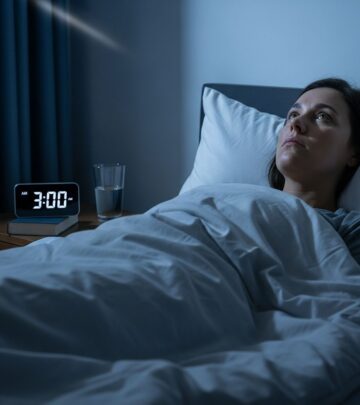
- Changes in sleep patterns: Insomnia, waking early, or oversleeping as an escape. Disturbed sleep is reported in most cases.
- Fatigue and low energy: Constant exhaustion, even after rest, making routine tasks exhausting.
- Appetite or weight changes: Loss of appetite leading to weight loss, or emotional eating causing gain.
- Unexplained aches and pains: Headaches, stomach issues, or muscle pain without medical cause.
- Low sex drive: Reduced libido or performance issues not linked to other health problems.
Social and behavioral symptoms
- Withdrawal from others: Avoiding friends, family, or social events; neglecting hobbies.
- Neglecting responsibilities: Struggles at work, home, or in the relationship.
- Increased substance use: Turning to alcohol or drugs to cope.
Related Stories



These symptoms often interconnect; for instance, fatigue can worsen concentration issues, leading to more withdrawal. In severe cases, psychotic features like hallucinations may appear, though rare.
How depression shows up in a relationship
Depression doesn’t exist in isolation—it ripples into your partnership. You might notice emotional distance, frequent arguments over trivialities, or a lack of affection. Intimacy suffers as low energy and loss of libido take hold, potentially causing misunderstandings like ‘they don’t love me anymore.’ Shared activities, once joyful, become chores.
Partners with depression may become overly dependent or, conversely, push away support. Irritability can lead to blame-shifting, straining trust. Behavioural couples therapy is effective here, addressing how relationship dynamics contribute to or alleviate symptoms. Studies show involving partners in treatment improves outcomes by 30-50% in some cases.
| Symptom in Partner | Impact on Relationship | Example |
|---|---|---|
| Irritability | Increased arguments | Snapping over household chores |
| Loss of interest | Reduced intimacy | Avoiding date nights or sex |
| Fatigue | Unequal emotional labor | Not contributing to plans or decisions |
| Withdrawal | Feeling isolated | Spending evenings alone despite being home |
Talking to your partner about depression
Approaching the topic requires empathy and timing. Choose a calm, private moment—not during stress or conflict. Use ‘I’ statements to express concern without blame: ‘I’ve noticed you’ve seemed really tired and down lately, and I’m worried about you.’ Listen actively, validate feelings, and avoid minimising with phrases like ‘snap out of it’.
Be prepared for denial or defensiveness—depression clouds self-awareness. Reassure them you’re on their side and that seeking help is a sign of strength. Suggest joint steps, like researching therapists together. If suicidal thoughts emerge, act immediately: contact emergency services or a helpline.
Summary
Spotting depression in your partner involves observing persistent changes in mood, energy, sleep, appetite, and behavior. Psychological signs like sadness and hopelessness, physical ones like fatigue and aches, and relational impacts like withdrawal signal the need for action. Compassionate conversations and professional support can lead to recovery—most people improve with therapy, medication, or lifestyle changes. Your role as a partner is invaluable; early intervention prevents worsening and strengthens your bond.
Frequently Asked Questions (FAQs)
What should I do if my partner mentions suicidal thoughts?
Take it seriously. Stay with them, remove access to means, and call emergency services or a crisis hotline immediately. In the UK, contact Samaritans at 116 123; in the US, 988 Suicide & Crisis Lifeline.
Is depression always obvious, like constant crying?
No, it can appear as irritability, anger, or numbness, especially in men. Physical symptoms often mask emotional ones.
How long do symptoms need to last to be depression?
At least two weeks, most days, with significant impairment.
Can relationship problems cause depression?
They can contribute or exacerbate it; couples therapy targets this.
What if my partner refuses help?
Gently encourage, set boundaries for your well-being, and consult a professional yourself for advice.
References
- How to Identify Signs of Depression in Someone You Love — Spectrum Human Services. 2023. https://www.spectrumhs.org/how-to-identify-signs-of-depression-in-someone-you-love/
- Symptoms – Depression in adults — NHS. 2024-05-15. https://www.nhs.uk/mental-health/conditions/depression-in-adults/symptoms/
- Depression — National Institute of Mental Health (NIMH). 2024-09-27. https://www.nimh.nih.gov/health/publications/depression
- Depression: Causes, Symptoms, and Treatment — Patient.info. 2024. https://patient.info/doctor/mental-health/depression-pro
- Depression (major depressive disorder) – Symptoms and causes — Mayo Clinic. 2024-07-11. https://www.mayoclinic.org/diseases-conditions/depression/symptoms-causes/syc-20356007
- Depression — Centre for Addiction and Mental Health (CAMH). 2023. https://www.camh.ca/en/health-info/mental-illness-and-addiction-index/depression
Similar Articles








Read full bio of medha deb