Spotting the Signs of a Personality Disorder
Learn to recognize the warning signs and symptoms of personality disorders for early intervention.
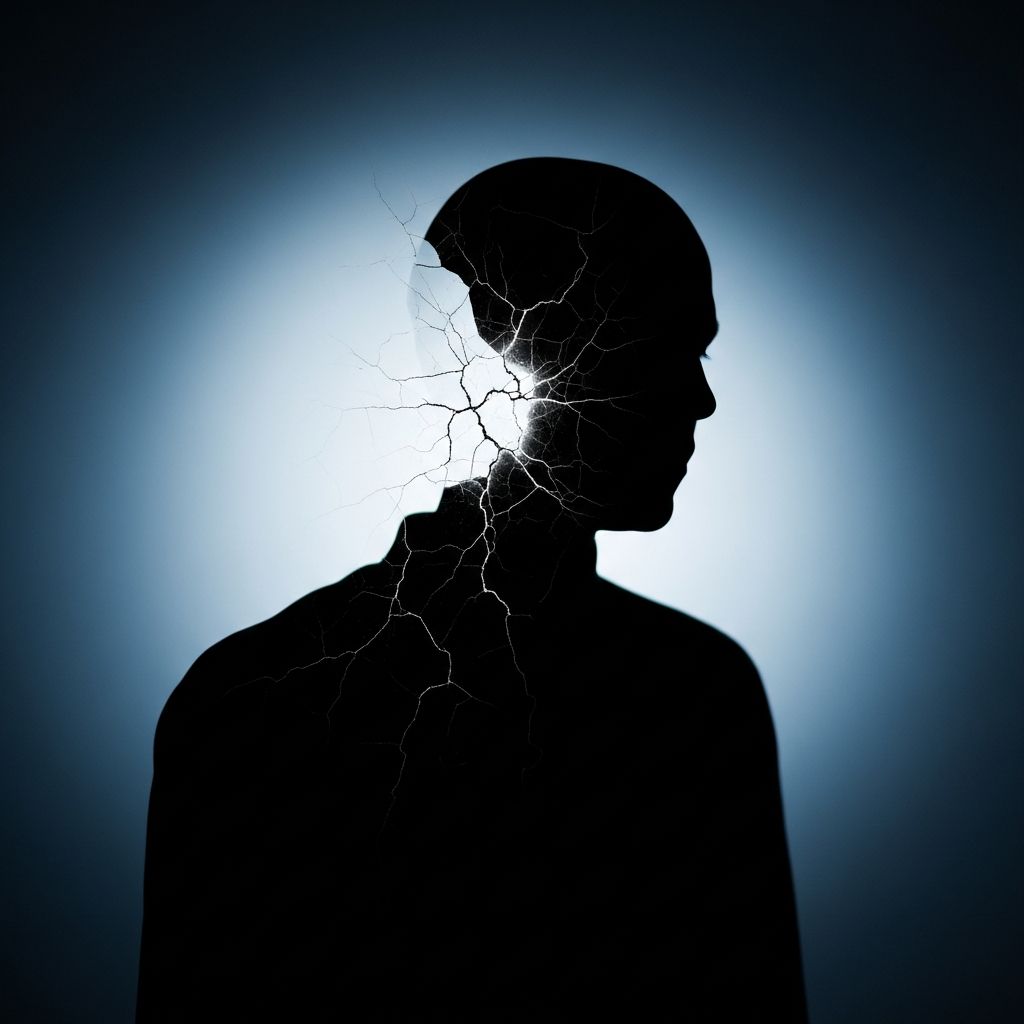
Personality disorders represent a significant category of mental health conditions characterized by enduring patterns of thinking, feeling, and behaving that deviate substantially from cultural expectations. These conditions can profoundly impact an individual’s relationships, work performance, and overall quality of life. Understanding the warning signs and symptoms is crucial for early identification and intervention, as many personality disorders often go unrecognized and undiagnosed for extended periods.
Personality disorders manifest as inflexible and pervasive patterns that cause distress or functional impairment. Unlike temporary mood fluctuations or situational stress responses, these patterns are stable across time and various contexts. The difficulty in recognizing personality disorders stems partly from the complexity of defining personality and selfhood, which makes these conditions challenging to identify without professional assessment.
What Are Personality Disorders?
Personality disorders can be described as the manifestation of extreme personality traits that interfere with everyday life and contribute to significant distress. These conditions affect how individuals perceive themselves, relate to others, and manage emotions. Rather than being temporary states, personality disorders represent enduring ways of functioning that persist across different situations and relationships.
The International Classification of Diseases (ICD-11) provides a modern framework for understanding personality disorders, focusing on core personality dysfunction with three severity levels: mild, moderate, and severe. This classification system recognizes that personality dysfunction exists on a spectrum, allowing for more nuanced diagnosis and treatment planning.
Core Features of Personality Disorders
Personality disorders share several fundamental characteristics that distinguish them from other mental health conditions:
- Emotional dysregulation: Difficulty managing and expressing emotions appropriately
- Relationship instability: Patterns of intense yet unstable connections with others
- Identity disturbance: Unclear or unstable sense of self
- Impulsive behavior: Acting without adequate forethought or consideration of consequences
- Maladaptive coping mechanisms: Ineffective strategies for managing stress and conflict
Recognizing Negative Affectivity Traits
One prominent feature across many personality disorders is negative affectivity, characterized by a tendency to experience a broad range of negative emotions. This goes beyond normal sadness or worry; individuals with high negative affectivity experience emotional reactions that are disproportionate to the triggering situation.
Common manifestations of negative affectivity include:
- Emotional lability and poor emotion regulation
- Experiencing negative emotions with frequency and intensity out of proportion to circumstances
- Negativistic attitudes and pessimism
- Low self-esteem and self-confidence
- Mistrustfulness and suspicion of others
Individuals displaying these traits often struggle with anxiety, depression, and interpersonal conflict. Their emotional responses may seem excessive to observers, yet feel entirely justified to the individual experiencing them.
Understanding Disinhibition Patterns
Disinhibition represents another core personality trait domain, characterized by acting rashly based on immediate external or internal stimuli without considering consequences. This impulsive quality manifests differently across personality disorder types but consistently creates difficulties in functioning.
Related Stories



Key manifestations of disinhibition include:
- Impulsivity and difficulty delaying gratification
- Distractibility and lack of sustained focus
- Irresponsibility in personal and financial matters
- Recklessness and risk-taking behavior
- Poor planning and lack of foresight
People exhibiting disinhibition patterns often struggle with employment stability, financial management, and legal consequences due to their impulsive decision-making.
Borderline Personality Disorder Indicators
Borderline Personality Disorder (BPD) represents one of the most commonly recognized personality disorders, characterized by a pervasive pattern of instability across multiple life domains. The core features include emotional turbulence, relationship volatility, and self-image disturbance.
Emotional and relational warning signs include:
- Intense fear of real or imagined abandonment, leading to frantic efforts to avoid it
- Pattern of intense and unstable relationships that swing from idealization to devaluation
- Markedly and persistently unstable self-image or sense of self
- Intense and highly variable moods, with episodes lasting from hours to days
- Chronic feelings of emptiness
- Inappropriate intense anger or difficulty controlling anger
Additional concerning behaviors in BPD include recurrent self-harm or suicidal behavior, transient dissociative symptoms, and stress-related paranoia that comes and goes. Individuals with BPD often view situations in black-and-white terms, perceiving relationships and circumstances as either entirely good or entirely bad.
Emotionally Unstable Personality Disorder (EUPD)
EUPD shares significant overlap with borderline personality disorder presentations, though the terminology varies by diagnostic system. This condition manifests through emotional dysregulation and interpersonal difficulties that substantially impact daily functioning.
Common presentations of EUPD include:
- Relationship difficulties and unstable connections with others
- Recurrent self-harm and self-injurious behaviors
- Threats of suicide or suicidal gestures
- Bouts of depression and anxiety
- Impulsive and reckless behavior
- Social difficulties and isolation
- Transient psychotic symptoms during periods of high emotional arousal
The unpredictable nature of mood and behavior in EUPD creates significant challenges for both the individual and their loved ones, often resulting in relationship instability and crisis situations.
Dissocial Personality Disorder Characteristics
Dissocial personality disorder, also known as antisocial personality disorder, presents distinct warning signs related to disregard for others and societal norms. This condition combines impulsivity, negative emotionality, and low conscientiousness with particularly problematic behavioral outcomes.
Key features include:
- Disregard for the consequences of their behavior
- Failure to learn from experience, including punishment
- Egocentricity and self-centered worldview
- Disregard for the feelings and rights of others
- Irresponsible and exploitative behavior
- Deceitfulness and manipulation
- Recklessness and impulsive decision-making
- Unstable interpersonal relationships
Additionally, individuals with dissocial personality disorder frequently experience comorbid depression, anxiety, and substance use disorders, which compound their difficulties and those of people in their lives.
Paranoid and Suspicious Patterns
Paranoid personality disorder manifests through pervasive distrust and suspicion of others. Individuals with this condition interpret others’ motivations as malicious without valid reason and maintain rigid beliefs about potential harm.
Warning signs include:
- Persistent lack of trust in others
- Suspicion that others are attempting to harm them without justifiable cause
- Doubt regarding the loyalty of friends and associates
- Reluctance to confide in others due to fear of information being used against them
- Reading hidden, threatening meanings into benign events or comments
This pervasive suspicion creates significant social and occupational impairment, as affected individuals isolate themselves and interpret neutral interactions as hostile.
Schizotypal Personality Disorder Signs
Schizotypal personality disorder involves unusual thinking patterns, beliefs, and perceptions that distinguish it from other personality disorders. This condition includes both cognitive peculiarities and social difficulties.
Key indicators include:
- Unusual or magical thinking, including beliefs that thoughts can influence other people or events
- Odd perceptual experiences, such as hearing a voice whisper their name
- Flat or socially unusual emotional responses
- Social anxiety and discomfort with close relationships
- Inappropriate or suspicious responses to others
- Belief that casual incidents contain hidden messages
Histrionic Personality Disorder Features
Histrionic personality disorder is characterized by excessive emotionality and attention-seeking behavior. Individuals with this condition prioritize garnering attention and validation above other considerations.
Common presentations include:
- Constant need for attention and validation
- Excessive emotional expressiveness or dramatic behavior
- Shallow emotions that change rapidly
- Speaking dramatically with strong opinions but limited factual support
- Excessive concern with physical appearance
- Susceptibility to being easily influenced by others
- Exaggeration of relationship closeness with others
Avoidant Personality Disorder Indicators
Avoidant personality disorder centers on intense fear of rejection and criticism, leading individuals to withdraw from social and professional opportunities. The fear of rejection becomes so powerful that isolation seems preferable to risking negative evaluation.
Warning signs include:
- Extreme fear of rejection and humiliation
- Avoidance of social interactions and relationships to prevent rejection
- Pattern of isolation rather than risk-taking in relationships
- Low self-esteem and view of self as inadequate
- Hypersensitivity to criticism
Behavioral and Social Impairment
Beyond specific trait domains, personality disorders create measurable impairment in functioning and relationships. The difficulty managing everyday stresses and problems extends across work, family, and social domains.
Common areas of impairment include:
- Workplace difficulties and employment instability
- Family conflict and relationship breakdown
- Financial mismanagement and legal problems
- Social isolation or relationship instability
- Self-harm and suicidal behavior in severe cases
- Substance abuse and addiction issues
Severity Levels and Assessment
Personality difficulties exist on a spectrum of severity. Understanding where an individual falls on this spectrum helps guide treatment recommendations and outcome expectations. The ICD-11 framework identifies three severity levels:
- Personality difficulty: Some personality problems in certain situations but not universally present
- Mild personality disorder: Definite well-demarcated personality problems across a range of situations
- Moderate personality disorder: Definite personality problems usually covering several personality domains and across all situations
- Severe personality disorder: Personality problems leading to significant risk to self or others
Professional assessment is essential for accurate diagnosis, as self-assessment and observation by loved ones may miss important diagnostic criteria or overestimate severity.
Why Early Recognition Matters
Personality disorders often go unrecognized and undiagnosed for extended periods, delaying access to beneficial treatment and interventions. Early identification enables individuals to develop healthier coping strategies and improve relationship quality before significant damage occurs. Recognition also helps family members understand problematic behaviors as symptoms rather than personal attacks, reducing family conflict and improving support.
Frequently Asked Questions
Q: How do personality disorders differ from normal personality traits?
A: Personality disorders involve extreme, inflexible patterns that cause significant distress or dysfunction across multiple life areas and persist over time, whereas normal personality traits are adaptive and flexible responses that vary by situation.
Q: Can personality disorders be treated?
A: Yes, various therapeutic approaches including psychotherapy, dialectical behavior therapy, and cognitive-behavioral therapy have shown effectiveness in reducing symptoms and improving functioning, though treatment requires sustained engagement.
Q: Are personality disorders the same as mental illness?
A: Personality disorders are classified as mental health conditions that can co-occur with other mental illnesses like depression and anxiety, but they represent distinct patterns of personality functioning rather than episodic mental illness.
Q: What should I do if I recognize these signs in someone I know?
A: Encourage professional mental health evaluation through a qualified therapist or psychiatrist who specializes in personality disorders. Avoid diagnosing others yourself, as accurate diagnosis requires comprehensive professional assessment.
Q: Can someone have multiple personality disorders simultaneously?
A: Yes, individuals may meet criteria for multiple personality disorders, and personality dysfunction may span several trait domains simultaneously, requiring comprehensive treatment addressing multiple areas.
References
- Personality disorder: a disease in disguise — National Center for Biotechnology Information, PubMed Central. PMID: 30636034. https://www.ncbi.nlm.nih.gov/pmc/articles/PMC6327594/
- Dissocial personality disorder — Patient.info. https://patient.info/doctor/mental-health/dissocial-personality-disorder
- Borderline Personality Disorder — National Institute of Mental Health (NIMH). https://www.nimh.nih.gov/health/publications/borderline-personality-disorder
- Emotionally Unstable Personality Disorder (EUPD) — Patient.info. https://patient.info/doctor/mental-health/emotionally-unstable-personality-disorder
- Personality disorders — Symptoms and causes — Mayo Clinic. https://www.mayoclinic.org/diseases-conditions/personality-disorders/symptoms-causes/syc-20354463
- Avoidant Personality Disorder: Causes, Symptoms, and Treatment — Patient.info. https://patient.info/mental-health/avoidant-personality-disorder
- Personality Disorders (Types, Symptoms and Management) — Patient.info. https://patient.info/doctor/mental-health/personality-disorders-and-psychopathy
Similar Articles








Read full bio of Sneha Tete