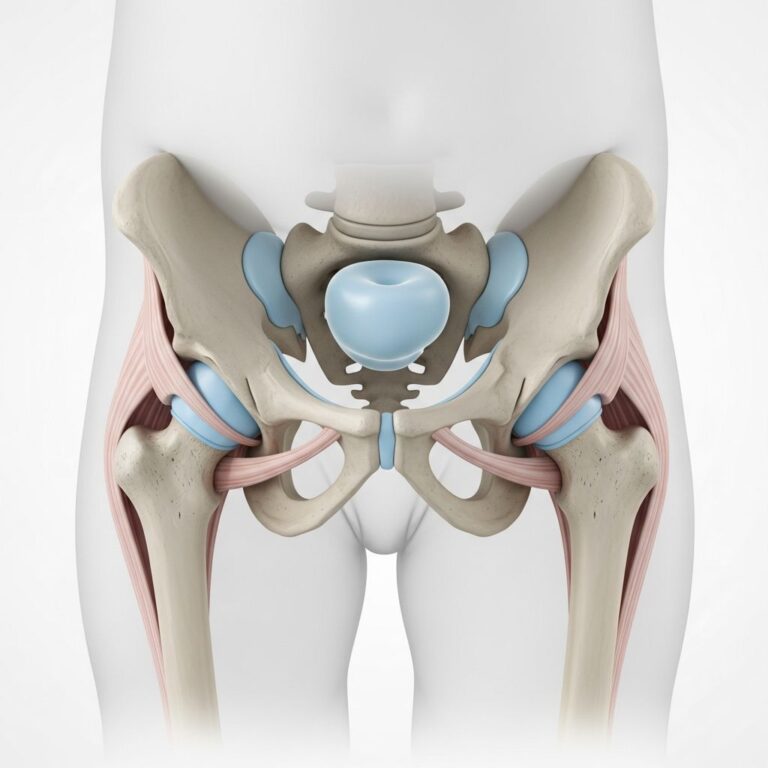
Sprains And Strains: Essential Guide To Diagnosis And Recovery
Understand the differences between sprains and strains, recognize symptoms, and learn effective recovery strategies for faster healing.
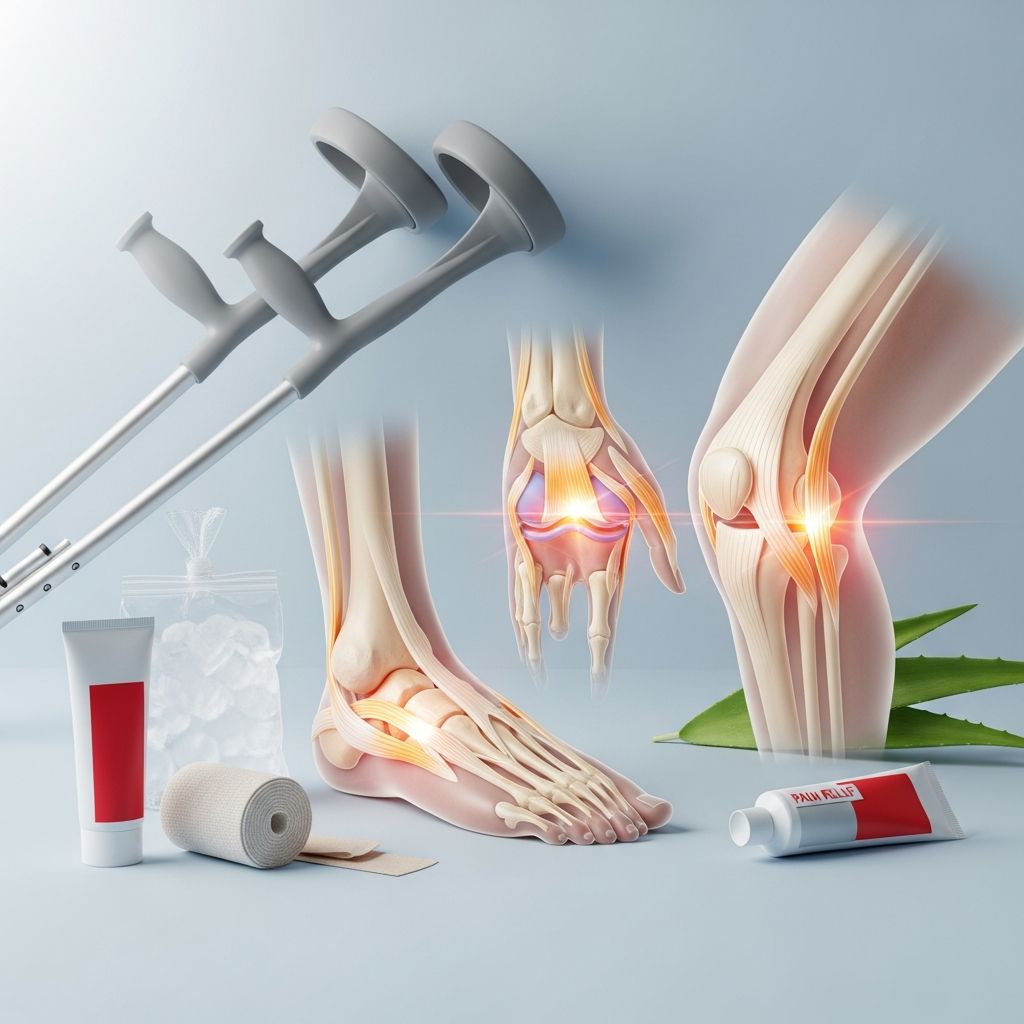
Sprains and strains represent two of the most frequent soft tissue injuries encountered during physical activities, sports, or even routine tasks. A sprain involves damage to ligaments, the tough bands stabilizing joints by linking bones, while a strain affects muscles or tendons that connect muscles to bones. Distinguishing between them is crucial for appropriate management and swift recovery.
Defining Sprains: Ligament Injuries Explained
Ligaments provide joint stability, and when overstretched or torn, they result in a sprain. These injuries commonly occur in ankles from inward rolling during missteps, knees like ACL tears from pivoting sports maneuvers, or wrists from falls. Severity ranges from mild stretching causing discomfort to complete ruptures leading to joint instability.
- Mild sprains: Minor ligament stretch with tenderness and minimal swelling.
- Moderate sprains: Partial tears accompanied by noticeable swelling, bruising, and pain during movement.
- Severe sprains: Full ligament tears resulting in joint laxity, severe pain, and inability to bear weight.
Understanding Strains: Muscle and Tendon Damage
Strains happen when muscles or tendons exceed their capacity, often from sudden forceful contractions or repetitive overuse. Hamstrings, calves, lower back, and rotator cuff tendons are frequent sites, triggered by lifting, sprinting, or overhead activities. Unlike sprains, strains may involve muscle spasms rather than joint instability.
- Mild strains: Overstretching with tightness and slight pain on use.
- Moderate strains: Partial tears causing sharp pain, swelling, and spasms.
- Severe strains: Complete tears leading to significant weakness and limited function.
Spotting the Signs: Symptoms Comparison
Both injuries share overlapping symptoms like pain, swelling, reduced mobility, and bruising, complicating self-diagnosis. However, sprains often produce more pronounced bruising around joints, while strains feature muscle spasms and weakness during contraction. Pain intensifies with joint movement in sprains and muscle use in strains.
| Symptom | Sprain (Ligament) | Strain (Muscle/Tendon) |
|---|---|---|
| Pain | Joint-focused, worsens with movement | Muscle-focused, worsens with contraction |
| Swelling | Common around joint | Common in muscle belly |
| Bruising | Frequent | Less common |
| Other | Joint instability | Muscle spasms, weakness |
This table highlights distinctions aiding initial assessment.
Grading Injury Severity: From Microtrauma to Rupture
Injuries are classified into three grades based on tissue damage extent. Grade I involves microscopic stretching without tears, allowing continued light activity. Grade II features partial tears with moderate impairment. Grade III signifies complete tears, often requiring surgical intervention.
Diagnosis typically relies on injury history, physical exams assessing stability and strength, and imaging like X-rays to exclude fractures or MRIs for tear confirmation. Early grading guides treatment intensity.
Immediate Response: RICE Protocol Mastery
The cornerstone of initial care is the RICE method: Rest to avoid aggravation, Ice for 15-20 minutes every 2-3 hours to reduce swelling, Compression with elastic bandages to minimize fluid buildup, and Elevation above heart level to aid drainage.
Related Stories



- Avoid heat, alcohol, running, or massage in the first 48-72 hours, as they exacerbate swelling.
- Over-the-counter pain relievers like ibuprofen manage inflammation and discomfort.
- Protect the area with crutches or braces if weight-bearing is painful.
Healing Timeline and Prognostic Factors
Recovery varies by grade and location. Mild Grade I injuries heal in days to two weeks with conservative care. Moderate Grade II may take 4-6 weeks, incorporating rehab. Severe Grade III often spans 3-6 months, potentially needing surgery for repairs like ACL reconstruction.
Factors influencing outcomes include age, overall health, prompt treatment, and adherence to rehab. Athletes face higher reinjury risks without proper strengthening.
Rehabilitation Roadmap: Restoring Strength and Mobility
Post-acute phase shifts to rehabilitation emphasizing progressive loading. Begin with gentle range-of-motion exercises, advance to strengthening isometrics, then dynamic movements and sport-specific drills under professional guidance.
- Phase 1 (Protection): RICE and pain control.
- Phase 2 (Repair): Isometric holds and assisted stretches.
- Phase 3 (Remodeling): Resistance training, balance work, plyometrics.
- Phase 4 (Return): Functional testing for full activity clearance.
Physical therapy customizes protocols, preventing chronic issues like instability.
Prevention Blueprint: Safeguarding Against Recurrence
Proactive measures significantly lower risk. Incorporate dynamic warm-ups, strength training for stabilizers, flexibility routines, and proper footwear. Technique refinement in sports, gradual activity progression, and fatigue monitoring are vital.
- Wear supportive gear for high-risk activities.
- Build core and proprioceptive strength via balance boards.
- Listen to body signals; rest prevents overuse cascades.
When to Escalate: Red Flags for Professional Care
Seek immediate medical evaluation for severe pain, inability to bear weight/move, significant deformity, numbness, or symptoms persisting beyond 48 hours despite RICE. Children, elderly, or those with conditions like diabetes warrant quicker attention.
Professionals may order imaging, prescribe immobilization, or refer to orthopedists for operative needs.
Special Considerations: Athletes, Children, and Chronic Cases
Athletes benefit from sport-specific rehab and bracing. In children, growth plates complicate diagnosis, prioritizing non-invasive approaches. Chronic strains from repetitive stress, like tennis elbow, respond to eccentric exercises and ergonomics.
FAQs: Common Queries Answered
Can I walk on a sprained ankle?
With mild sprains, protected weight-bearing aids recovery; severe cases require crutches.
How does a strain differ from a tear?
Tears are severe strains or sprains with complete tissue separation.
Is surgery always needed for Grade III injuries?
No, many heal non-surgically, but complete ruptures like Achilles often require it.
When can I resume sports after a strain?
Typically 2-8 weeks, based on strength and stability tests.
Does bruising always indicate a sprain?
Common but not exclusive; strains can bruise too.
Long-Term Management: Avoiding Complications
Untreated injuries risk chronic instability, arthritis, or weakness. Consistent follow-up ensures full restoration. Nutrition supporting collagen repair, like vitamin C-rich foods, aids healing.
References
- Is It a Sprain or a Strain? How to Tell the Difference — Yale Medicine. 2023-10-10. https://www.yalemedicine.org/news/difference-between-sprain-and-strain
- Sprains, Strains And Tears — Franciscan Health. 2024-05-15. https://www.franciscanhealth.org/community/blog/sprains-strains-tears
- Sprain Vs. Strain — Center for Orthopaedic Surgery & Sports Medicine. 2023-08-22. https://www.centerfororthosurgery.com/sprain-vs-strain/
- Sprain vs. Strain: Key Differences — Get Well Urgent Care. 2024-02-14. https://getwelluc.org/blog/sprain-vs-strain-key-differences
- Sprains and strains — NHS. 2023-11-01. https://www.nhs.uk/conditions/sprains-and-strains/
- Sprains vs. Strains: Recognizing the Difference — Spectrum Therapy Consultants. 2024-01-20. https://spectrumtherapyconsultants.com/sprains-vs-strains-recognizing-the-difference/
- What’s the Difference Between Sprains and Strains? — University of Utah Health. 2025-04-10. https://healthcare.utah.edu/healthfeed/2025/04/whats-difference-between-sprains-and-strains
Similar Articles








Read full bio of medha deb