Spring Allergy Medication Timeline: 5-Step Guide For 2025
Master your spring allergies with this expert timeline for starting medications and treatments effectively before symptoms hit.
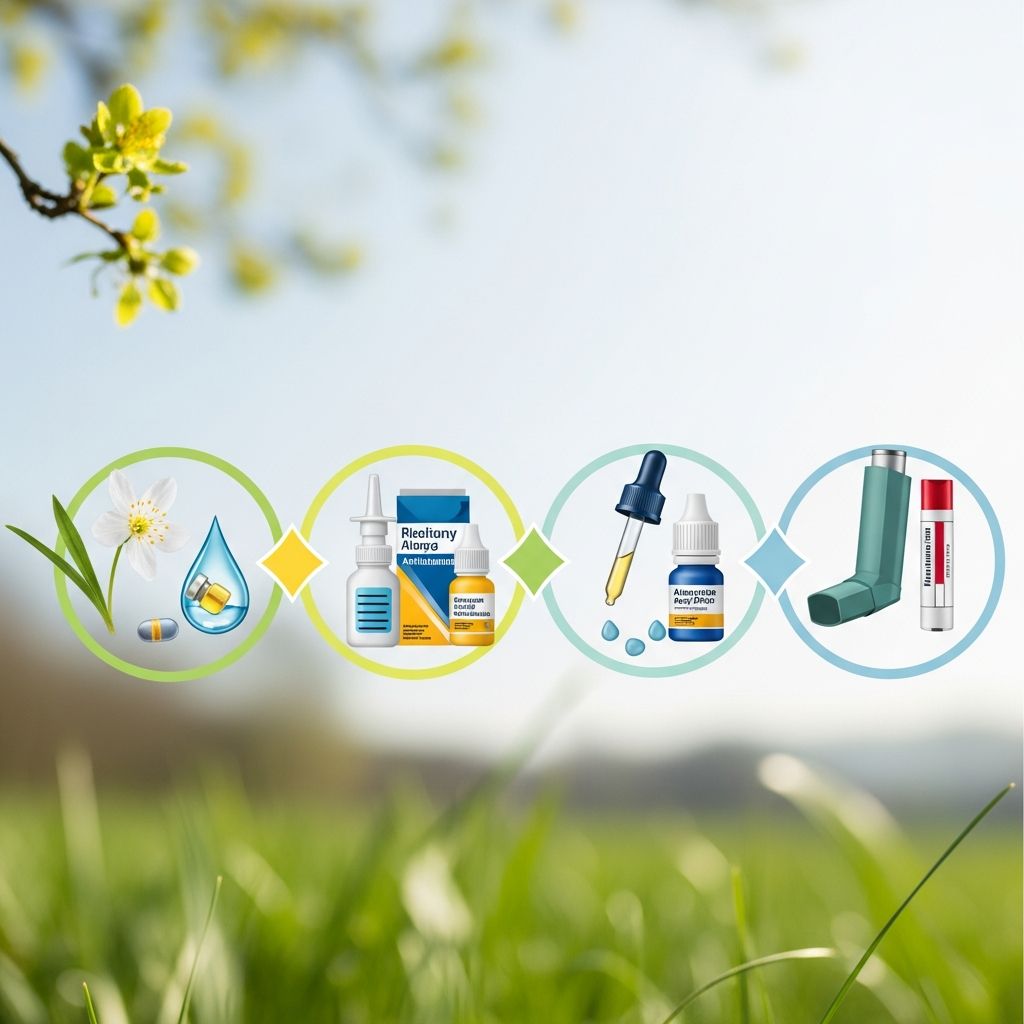
Spring allergies affect millions with symptoms like sneezing, itchy eyes, and congestion starting as early as late January in warmer regions. Starting medications 2-4 weeks before pollen season peaks is key to prevention, as recommended by allergists.
When Spring Allergy Season Starts—and Ends
Spring allergy season varies by location and triggers, primarily tree pollen from birch, oak, maple, cedar, and juniper. In southern U.S. areas, it begins late January due to climate shifts; northern regions see starts in February or March, peaking April to May, and extending into June with grass pollen overlap.
- Southern U.S.: Late January (cedar/juniper).
- Mid-Atlantic/Northeast: March (birch), April-May (oak/maple).
- Peak: Late April to early May for trees; May-June for grass.
Symptoms include itchy eyes, nasal congestion, sneezing, sore throat, headaches, and sinus pressure. Severe cases may involve sleep disruption or asthma-like wheezing.
Allergy Medications and When to Start Them
Preventive use maximizes efficacy. Antihistamines and nasal corticosteroids build protection over 1-4 weeks.
Oral Antihistamines
Non-sedating options like cetirizine, levocetirizine, fexofenide, loratadine, or desloratadine block histamine, reducing sneezing and itching. Start 2 weeks before symptoms.
- Daily dosing; OTC available.
- Avoid first-generation like diphenhydramine (drowsiness, dry mouth).
Nasal Corticosteroids
Most effective for persistent symptoms, treating inflammation and congestion (fluticasone, mometasone, budesonide). Start 2-4 weeks early; full effect in 1-2 weeks.
- Sprayed once/twice daily; OTC/prescription.
- Side effects: nosebleeds, stinging; monitor in children >2 months.
Decongestants
Pseudoephedrine clears stuffiness but causes insomnia, irritability; avoid in pregnancy. Limit to 2-3 days; behind-the-counter.
Nasal sprays risk rebound congestion if overused.
Eye Drops and Nasal Antihistamines
Targeted relief: antihistamine eye drops for itchy eyes; nasal sprays like azelastine for quick onset.
Immunotherapy: The Long-Term Solution
Allergy shots or sublingual tablets build tolerance. Shots: weekly build-up 3-6 months, then monthly 3-5 years. Sublingual: start 3-4 months pre-season, daily.
Reduces severity, prevents asthma in kids; prescription only, first dose supervised.
Your Spring Allergy Medication Timeline
| Timeline | Action | Medications/Treatments |
|---|---|---|
| 4+ Weeks Before (Mid-January, Valentine’s Day reminder) | Start preventive meds in South; plan immunotherapy. | Nasal corticosteroids, sublingual immunotherapy. |
| 2-3 Weeks Before (Early-Mid February) | Begin in most areas; monitor pollen forecasts. | Oral antihistamines, nasal sprays. |
| 1 Week Before (Early March) | Last chance for build-up; add eye drops if needed. | Combination therapy; decongestants short-term. |
| During Season (March-June) | Continue daily; adjust per symptoms. | All above; see allergist if uncontrolled. |
| Post-Season | Taper or continue immunotherapy. | Shots/tablets ongoing. |
Track Local Pollen and Adjust Accordingly
Check daily pollen counts via apps or weather sites. High tree pollen? Ramp up meds. Climate change advances seasons, so start earlier.
Consult an Allergist for Personalized Care
If OTC fails or asthma suspected, seek testing and prescription options. Allergists tailor plans, including immunotherapy.
Frequently Asked Questions (FAQs)
When should I start taking allergy medication?
2-4 weeks before your season; e.g., Valentine’s Day for spring in many areas.
Are nasal corticosteroids safe long-term?
Yes, for adults; monitor kids >2 months with doctor.
What’s the best medication for congestion?
Nasal corticosteroids first; short-term pseudoephedrine if needed.
Can immunotherapy cure allergies?
Related Stories



It reduces sensitivity long-term, not always a full cure.
How does climate change affect allergies?
Earlier, longer seasons due to warmer temps.
References
- Ask the Allergist: Timing Your Allergy Meds — Allergy Asthma Network. Accessed 2026. https://allergyasthmanetwork.org/news/ask-the-allergist-timing-your-allergy-meds/
- Halt Spring Allergy Symptoms Before They Start — American College of Allergy, Asthma & Immunology (ACAAI). 2023-01-24. https://acaai.org/news/want-more-than-romance-this-valentines-day-halt-spring-allergy-symptoms-before-they-start/
- When Do Spring Allergies Begin? — Atlantic Health System. 2024. https://ahs.atlantichealth.org/about-us/stay-connected/news/content-central/2024/when-do-spring-allergies-begin.html
- Know Which Medication Is Right for Your Seasonal Allergies — U.S. Food and Drug Administration (FDA). Accessed 2026. https://www.fda.gov/consumers/consumer-updates/know-which-medication-right-your-seasonal-allergies
- Get Ahead on Spring Allergies: Myth vs. Fact — Summit Health. Accessed 2026. https://www.summithealth.com/health-wellness/get-ahead-spring-allergies-myth-vs-fact
Similar Articles








Read full bio of medha deb