Sprouted Grains: Are They More Nutritious? Expert Guide
Discover the nutritional benefits of sprouted grains and how they compare to regular whole grains.
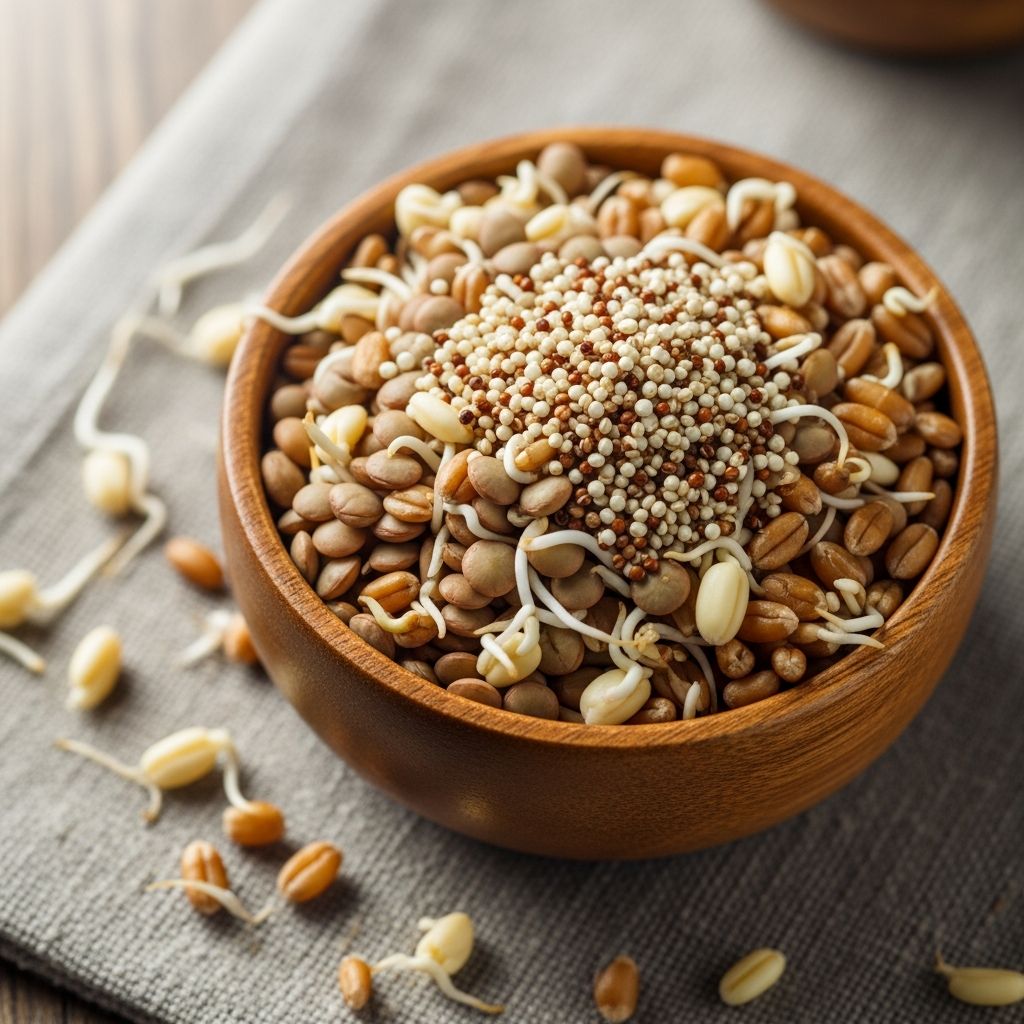
Sprouted Grains: Are They Nutritious Compared to Regular Whole Grains?
Sprouted grains have gained considerable attention in health and wellness circles, with proponents claiming they offer superior nutritional profiles compared to their unsprouted counterparts. The sprouting process—which involves germinating seeds, grains, or legumes—triggers biochemical changes that can enhance nutrient content and bioavailability. However, the question remains: are sprouted grains truly more nutritious than regular whole grains, or is this simply marketing hype? This comprehensive guide explores the science behind sprouted grains, their actual nutritional benefits, and how they compare to traditional whole grains.
What Happens During the Sprouting Process?
Understanding sprouted grains requires first grasping what occurs at the cellular level when grains begin to germinate. When sprouting begins, enzymes within the grain are activated and start to metabolize the starchy endosperm. This enzymatic activation is the cornerstone of sprouted grain benefits. The process transforms long-term storage starch into simple sugars that are more easily digested by the growing plant—and subsequently, by humans who consume the sprouted grains.
The grain structure consists of three essential parts: the bran, the germ, and the endosperm. The germ is the plant embryo, which feeds on the sugars stored as starch in the endosperm, while the bran layers provide additional nutrients and protection. During sprouting, all three parts work together as the grain prepares to become a new plant. This activation process is what distinguishes sprouted grains from their unsprouted counterparts and contributes to their enhanced nutritional profile.
Nutritional Advantages of Sprouted Grains
Enhanced Nutrient Content
Research demonstrates that sprouted grains contain significantly higher levels of certain nutrients compared to mature, unsprouted grains. Harvard Health research indicates that sprouted grains have elevated “folate, iron, vitamin C, zinc, magnesium, and protein” levels. These micronutrients play crucial roles in various bodily functions, from immune system support to bone health and energy metabolism.
The American Heart Association characterizes sprouts as tiny providers of “big nutrition,” recognizing that germination can strengthen the presence of specific vitamins and minerals. A 2021 research study revealed “tremendous advances have been made…describing [sprouts’] nutritional and medicinal properties,” though researchers call for more studies examining the relationship between sprouts and gut health.
Improved Bioavailability
One of the most significant advantages of sprouted grains lies in their enhanced bioavailability—the degree to which nutrients can be absorbed and utilized by the body. When sprouting begins, enzymes activate and transform storage proteins into peptides and amino acids, making these proteins more accessible for human digestion. This enzymatic pre-digestion process means your body can extract and utilize more of the available nutrients.
Sprouting also works to break down and reduce antinutrients like phytates—compounds that can inhibit the absorption of minerals such as zinc, iron, and magnesium. By decreasing phytate content, sprouting increases the bioavailability of these essential minerals, allowing your body to absorb them more effectively. This distinction is crucial: sprouted grains don’t necessarily contain more total minerals than unsprouted grains, but your body can absorb a higher percentage of what’s present.
Related Stories



Increased Fiber and Reduced Starch
Sprouted grains contain more fiber and less starch than unsprouted grains, which makes them easier to digest. During germination, starches and phytic acid are broken down, fundamentally altering the grain’s macronutrient composition. This higher fiber-to-starch ratio is one of the most quantifiable benefits of sprouted grains and contributes to improved digestibility.
Digestibility and Gut Health Benefits
Easier Digestion
The sprouting process makes grains substantially easier for the human digestive system to process. The enzymatic activity produced during sprouting essentially “pre-digests” components like gluten, a protein found in wheat, barley, and rye. Those with non-celiac gluten sensitivities tend to be less reactive to gluten in sprouted grains compared to unsprouted varieties. This benefit extends beyond gluten-sensitive individuals, as the overall digestibility improves for everyone consuming sprouted grains.
Enhanced Gut Microbial Health
Recent research connects sprouted grains to improved gut health. The American Heart Association notes that sprouts can improve digestion of carbohydrates and proteins. A 2024 research study found that sprouts enhance gut microbial richness and diversity, suggesting that sprouted grains may support a healthier microbiome composition. Given the growing understanding of the microbiome’s role in overall health, this benefit carries significant implications for digestive and systemic wellness.
Antioxidants and Disease Prevention
Sprouted grains and seeds are high in antioxidants, which help lower the risk of chronic diseases and fight inflammation. Research further suggests that sprouted foods are often linked with various biologically active constituents, including saponins, flavonoids, and phenolic acids, which have been connected to anticancer, antimicrobial, and anti-inflammatory activities. These bioactive compounds work synergistically to support long-term health and disease prevention.
Blood Sugar Regulation and Glycemic Impact
Sprouted grains and legumes have a lower glycemic index compared to their unsprouted counterparts, making them beneficial for blood sugar management. Sprouted wheat berries, for instance, contain fewer calories and carbohydrates than regular wheat. For individuals managing diabetes, prediabetes, or simply seeking to maintain stable blood sugar levels throughout the day, sprouted grains offer a practical dietary advantage. This lower glycemic response helps prevent energy crashes and reduces the strain on insulin regulation systems.
Sprouted Grains vs. Regular Whole Grains: The Comparison
While sprouted grains offer distinct advantages, the comparison with regular whole grains deserves nuanced consideration. There is still much debate on whether sprouted products are comprehensively better than unsprouted grain products, as while some nutrients are increased during germination, others are consumed by the sprouting process itself. The most quantifiable benefit of sprouted grains remains the higher fiber to starch ratio and improved bioavailability of existing nutrients.
Both sprouted and unsprouted whole grains provide health benefits. Research shows that whole grain and high fiber intake can prevent vascular disease and reduce the risk of type 2 diabetes and weight-related issues. The choice between sprouted and regular whole grains may ultimately depend on individual digestive capacity, personal health goals, and dietary preferences rather than one being universally superior.
Important Safety Considerations
While sprouted grains offer nutritional benefits, food safety must be prioritized. Sprouting can be done at home; however, it is recommended to cook or bake the sprouts instead of eating them raw. The high temperature from cooking and baking kills bacteria that may have been cultured in the sprouting process. Individuals with a high risk of infection like children, pregnant women, and the immunosuppressed should be especially careful with sprouted grains and products.
If sprouting at home, one must be very careful with cleaning equipment and the process itself, as the environment that promotes germination also nurtures bacteria. Sprouting can be done with glass jars or with special equipment sold in stores and online. Proper hygiene and sanitation are essential to prevent foodborne illness.
How Sprouted Grains Are Produced Commercially
Manufacturers sprout their grains under carefully controlled conditions, with just the right amount of moisture and warmth until the enzymatic processes are at their peak. The sprouted grains are then made into products using two different approaches.
The Dry Approach: Grains are sprouted then dried. This dried sprouted grain can be used in cooking as is, or it can be milled into sprouted grain flour, which is then used to make a wide variety of products including breads, cereals, and baked goods.
Benefits in Baking: The enzymatic activity produced during the sprouting process allows sprouted wheat to form stronger gluten bonds in developing bread dough, which means less kneading is necessary. The more active dough also ferments very rapidly, which eliminates the need for overnight proofing and prefermentation, saving significant time. Additionally, breads made with sprouted grains tend to have a longer shelf life, and sprouted dough can take on more water than conventional dough, resulting in a more airy, open crumb that bakers and bread-eaters appreciate.
Factors Affecting Sprouted Grain Composition
Each grain has a different mix of nutrients, and sprouting affects the nutrient levels of each grain type differently. The nutrient changes that take place in a sprouting grain are impacted by an array of factors such as genotype and germination conditions, including temperature, light, and time. Research shows that sprout composition largely depends on genotype, environmental conditions associated with the mother plant, and germination conditions.
This sensitivity of sprouting grains to external inputs has inspired an exciting area of research dedicated to understanding how different inputs elicit desired nutrient changes in sprouted grains. Equipped with this knowledge, farmers and growers gain more insights into how to develop optimal sprouting conditions, potentially allowing for customization of sprouted grain products to target specific nutritional profiles.
Sprouting Standards and Labeling
From a regulatory standpoint, malted or sprouted grains containing all of the original bran, germ, and endosperm are considered whole grains as long as sprout growth does not exceed kernel length and nutrient values have not diminished. These grains should be labeled as malted or sprouted whole grain, providing consumers with clear information about what they’re purchasing.
Sprouted Grains Beyond Human Consumption
Sprouting is also gaining traction in regenerative and sustainable farming practices beyond human food production. Farmers are using sprouted grains as part of feed for livestock, recognizing the enhanced nutritional profile benefits animals as well. This broader application demonstrates the versatility and recognized value of sprouted grains across various contexts.
Frequently Asked Questions About Sprouted Grains
Q: Are sprouted grains always better than regular whole grains?
A: Not necessarily. While sprouted grains offer certain nutritional advantages, particularly in bioavailability and digestibility, both sprouted and regular whole grains provide significant health benefits. The choice depends on individual digestive capacity, health goals, and preferences.
Q: Is it safe to eat raw sprouted grains?
A: It’s recommended to cook or bake sprouted grains rather than eating them raw, as cooking kills bacteria that may develop during sprouting. This is especially important for children, pregnant women, and immunocompromised individuals.
Q: Can I sprout grains at home?
A: Yes, sprouting can be done at home using glass jars or special sprouting equipment. However, proper cleaning and sanitation are essential to prevent bacterial contamination.
Q: How long does sprouting take?
A: Sprouting typically takes 48 hours to complete, even in cold weather conditions. Once sprouts reach about ¼ inch in length, they are ready to consume.
Q: Do sprouted grains help with blood sugar management?
A: Yes, sprouted grains have a lower glycemic index than unsprouted grains, making them beneficial for blood sugar management and stable energy levels throughout the day.
Q: Are sprouted grains better for gluten sensitivity?
A: Sprouted grains may be easier to digest for those with non-celiac gluten sensitivity, as enzymes partially break down gluten proteins during sprouting. However, those with celiac disease should avoid gluten-containing sprouted grains entirely.
Q: How should I store sprouted grains?
A: Store sprouted grains in the refrigerator and consume them within a few days to maintain freshness and nutritional quality.
Conclusion
Sprouted grains represent a legitimate advancement in grain-based nutrition, offering measurable benefits in bioavailability, digestibility, fiber content, and specific nutrient concentrations compared to regular whole grains. The enzymatic activation during sprouting fundamentally alters the grain’s biochemical composition, making nutrients more accessible to your body and improving overall digestibility. For individuals seeking to maximize nutrient absorption, support gut health, manage blood sugar levels, or reduce digestive discomfort, sprouted grains offer a scientifically-supported dietary option.
However, sprouted grains should not be viewed as a replacement for regular whole grains but rather as a complementary option within a balanced diet. Both sprouted and unsprouted whole grains contribute to disease prevention, cardiovascular health, and overall wellness. The choice between them should be guided by individual health needs, digestive tolerance, and personal preferences. When selecting sprouted grain products, ensure they are properly labeled, and if preparing them at home, follow proper food safety protocols to minimize bacterial contamination risks.
References
- Health Benefits of Sprouting and How to Sprout at Home — The Earth and I. https://www.theearthandi.org/post/health-benefits-of-sprouting-and-how-to-sprout-at-home
- All About Sprouted Grains — Santa Cruz CORE Fitness + Rehab. https://santacruzcore.com/all-about-sprouted-grains/
- Sprouted Whole Grains — Whole Grains Council. https://wholegrainscouncil.org/whole-grains-101/whats-whole-grain-refined-grain/sprouted-whole-grains
- Sprouted Grain Bread: Anything To It? — Mayo Clinic Connect. https://connect.mayoclinic.org/discussion/sprouted-grain-anything-to-it/
- Health Effects of Whole Grains: A Bibliometric Analysis — PubMed Central. https://pmc.ncbi.nlm.nih.gov/articles/PMC9777732/
Similar Articles








Read full bio of medha deb