Squalane For Eczema Relief: 5 Key Benefits
Discover how squalane hydrates, soothes inflammation, and strengthens the skin barrier to manage eczema symptoms effectively.
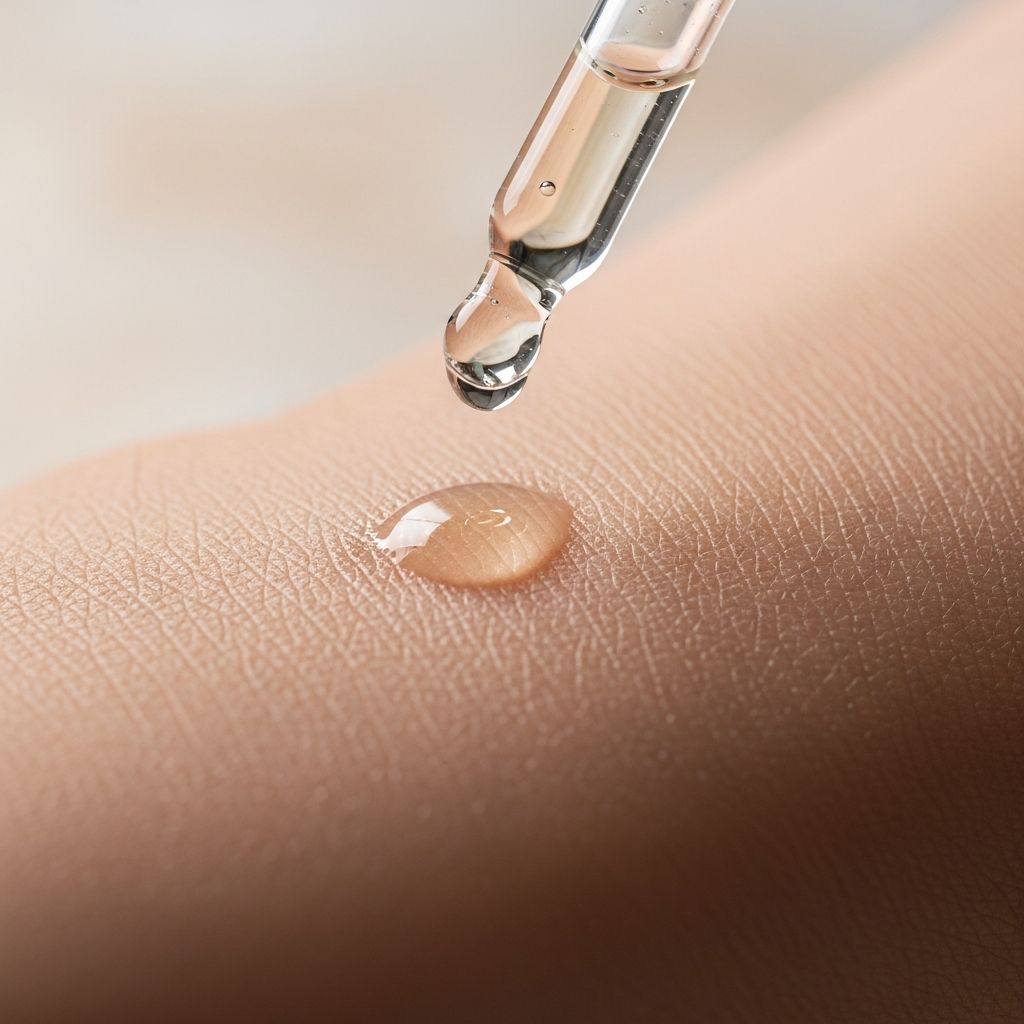
Squalane offers significant potential for individuals managing eczema through its exceptional hydrating and calming properties. Derived from natural sources, this lightweight oil mimics the skin’s own lipids, providing relief from dryness and irritation without clogging pores.
Understanding the Basics of Squalane
Squalane is a stable, saturated form of squalene, a hydrocarbon naturally produced by the body’s sebaceous glands. As people age or face skin conditions like eczema, natural squalene production declines, leading to drier skin. Plant-derived squalane, often from olives or sugarcane, serves as an effective alternative that is vegan-friendly and sustainable.
This emollient penetrates deeply into the skin layers, forming a protective film that locks in moisture. Unlike heavier oils, squalane feels light and non-greasy, making it ideal for daily use on compromised skin barriers common in eczema sufferers.
How Eczema Affects the Skin Barrier
Eczema, or atopic dermatitis, disrupts the skin’s protective barrier, allowing moisture to escape and irritants to enter. This results in intense dryness, itching, redness, and inflammation. The condition affects millions worldwide, often flaring due to environmental triggers, allergens, or stress.
A weakened barrier exacerbates transepidermal water loss (TEWL), where the skin loses hydration rapidly. Squalane addresses this by replenishing lipids and reinforcing the barrier function, helping to restore balance and reduce flare-up frequency.
Key Benefits of Squalane for Eczema-Prone Skin
- Deep Hydration: Squalane boosts moisture retention, combating the chronic dryness hallmark of eczema. It absorbs quickly, improving skin texture and elasticity over time.
- Anti-Inflammatory Action: Its properties help calm redness, swelling, and itching associated with eczema flares. Regular application soothes irritated areas without steroids.
- Barrier Repair: By mimicking natural sebum, squalane strengthens the lipid matrix, preventing irritant penetration and reducing sensitivity.
- Non-Comedogenic Nature: Safe for all skin types, it won’t clog pores, making it suitable even for acne-prone eczema patients.
- Antioxidant Protection: Neutralizes free radicals from UV exposure or pollution, which can worsen eczema symptoms.
Scientific Insights on Squalane and Inflammatory Skin Conditions
Research highlights squalane’s efficacy in inflammatory dermatoses. Studies indicate it mitigates UVA-induced damage and supports collagen synthesis, promoting firmer, healthier skin. For eczema, its role in reducing TEWL has been noted in formulations tested on sensitive skin.
While direct large-scale trials on squalane for eczema are limited, evidence from related conditions like psoriasis shows similar benefits: reduced scaling, less redness, and improved hydration. Dermatologists often recommend it in products earning the National Eczema Association’s Seal of Acceptance for its gentle profile.
Incorporating Squalane into Your Eczema Routine
Start with clean, damp skin post-shower to maximize absorption. Apply a few drops of pure squalane oil or a squalane-enriched cream to affected areas. Layer under other treatments if needed, but patch-test first.
| Time of Day | Recommended Use | Tips |
|---|---|---|
| Morning | Squalane serum + lightweight moisturizer | Follow with sunscreen |
| Evening | Squalane oil + thicker cream | Apply generously on dry patches |
| Flare-Ups | Pure squalane oil multiple times daily | Combine with cool compresses |
For body-wide eczema, opt for fragrance-free lotions with squalane. Consistency is key—daily use yields cumulative improvements in barrier strength.
Squalane Sources: Plant-Based vs. Traditional
Traditional squalene came from shark liver, raising sustainability concerns. Modern squalane is biotechnologically produced from sugarcane or olives, ensuring purity and eco-friendliness. These versions maintain identical benefits without ethical drawbacks.
Look for 100% squalane oils or high-concentration products (at least 10-20%) for optimal results. Certifications like non-GMO or cruelty-free add assurance of quality.
Related Stories



Potential Drawbacks and Precautions
Squalane is hypoallergenic for most, but rare sensitivities occur. Always introduce gradually. It’s not a cure but a supportive ingredient alongside prescribed treatments. Consult a dermatologist for severe cases or if using with topicals like corticosteroids.
Avoid mixing with harsh actives like retinoids initially to prevent irritation. Those with nut allergies should confirm olive-free sources.
Real-World Applications Beyond Eczema
Squalane’s versatility extends to psoriasis, rosacea, and acne. It balances oil in combination skin, aids wound healing, and softens rough textures. Parents find it gentle for children’s eczema, often suitable from infancy when formulated appropriately.
Comparing Squalane to Other Eczema Ingredients
| Ingredient | Key Benefit | Eczema Suitability | Texture |
|---|---|---|---|
| Squalane | Barrier repair, hydration | Excellent, non-irritating | Lightweight oil |
| Ceramides | Lipid replenishment | High | Creamy |
| Hyaluronic Acid | Surface hydration | Good | Gel-like |
| Petrolatum | Occlusive seal | Very good | Heavy ointment |
Squalane stands out for its biocompatibility and quick absorption, complementing ceramides for comprehensive care.
Frequently Asked Questions
Is squalane safe for babies with eczema?
Yes, when in fragrance-free, pediatric formulations. It’s non-comedogenic and gentle on delicate skin.
Can squalane replace prescription creams?
No, it supports but doesn’t substitute medical treatments. Use alongside as advised.
How long until I see results?
Improvements in hydration may appear in days; barrier strengthening takes 2-4 weeks of consistent use.
Is plant squalane as effective as shark-derived?
Equally effective, with added sustainability benefits.
Does squalane help with eczema on the scalp?
Yes, its lightweight nature makes it suitable for hair and scalp application.
Building a Long-Term Eczema Management Plan
Combine squalane with gentle cleansing, humidifiers, and trigger avoidance. Track flares in a journal to refine your routine. Professional guidance ensures personalized efficacy.
Emerging research continues to validate squalane’s role in dermatology, positioning it as a staple for sensitive skin health.
References
- What Is Squalane and What Are Its Benefits for Skin and Hair? — Healthline. 2023-10-15. https://www.healthline.com/health/squalane
- Squalane for Skin Hydration: What it is and Benefits — Era Organics. 2024-05-20. https://www.eraorganics.com/blogs/beauty-guide/hydrating-ingredient-squalane
- Squalane’s Eczema Approved Skincare — Biossance. 2024-02-10. https://www.biossance.com/c/eczema-approved-skincare/
- Squalane Oil for Skin: Benefits and How to Use It — CeraVe. 2024-08-05. https://www.cerave.com/skin-smarts/skincare-tips-advice/squalane-benefits-for-skin
- Squalane to alleviate the symptoms of eczema? — Typology. 2023-11-12. https://us.typology.com/library/squalane-can-it-help-reduce-eczema
Similar Articles








Read full bio of medha deb