Squamous Cell Carcinoma: Types, Causes & Treatment
Understanding squamous cell carcinoma: causes, diagnosis, staging, and treatment options.
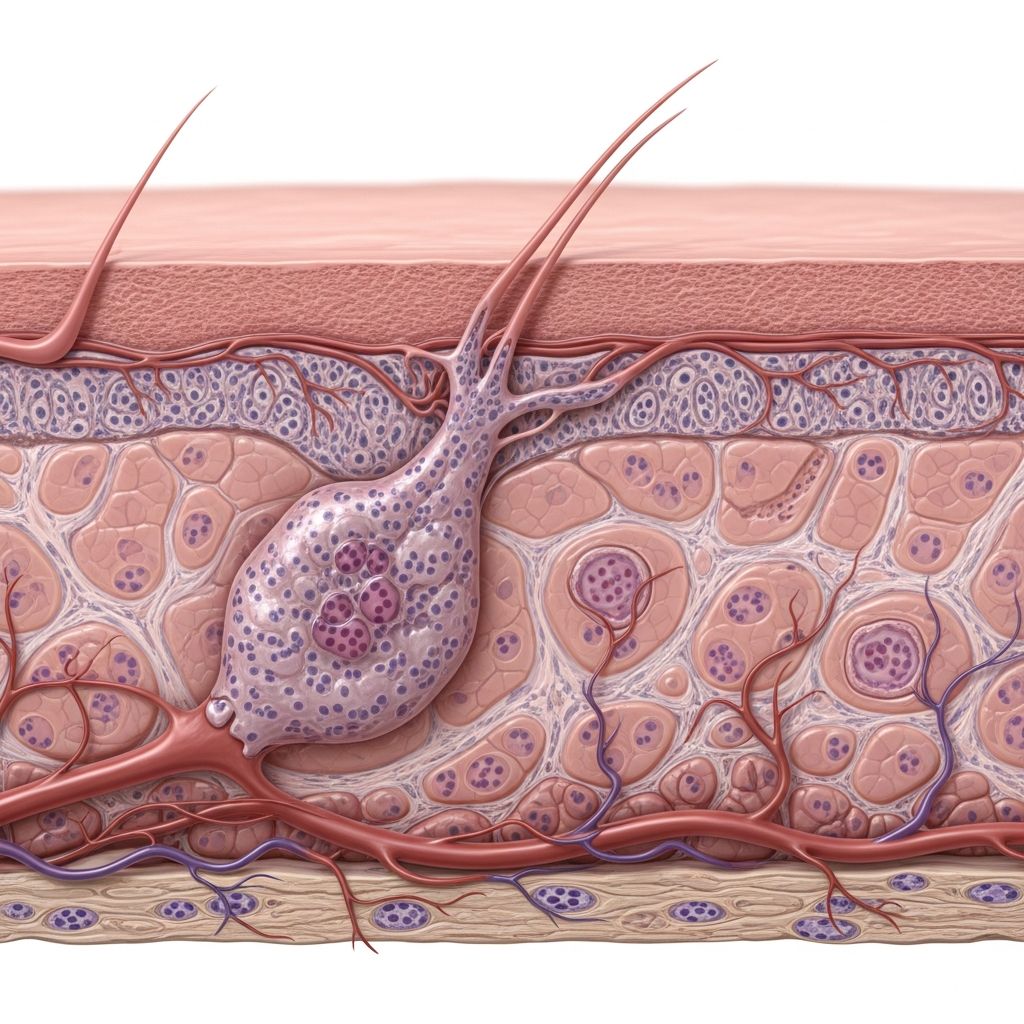
Understanding Squamous Cell Carcinoma
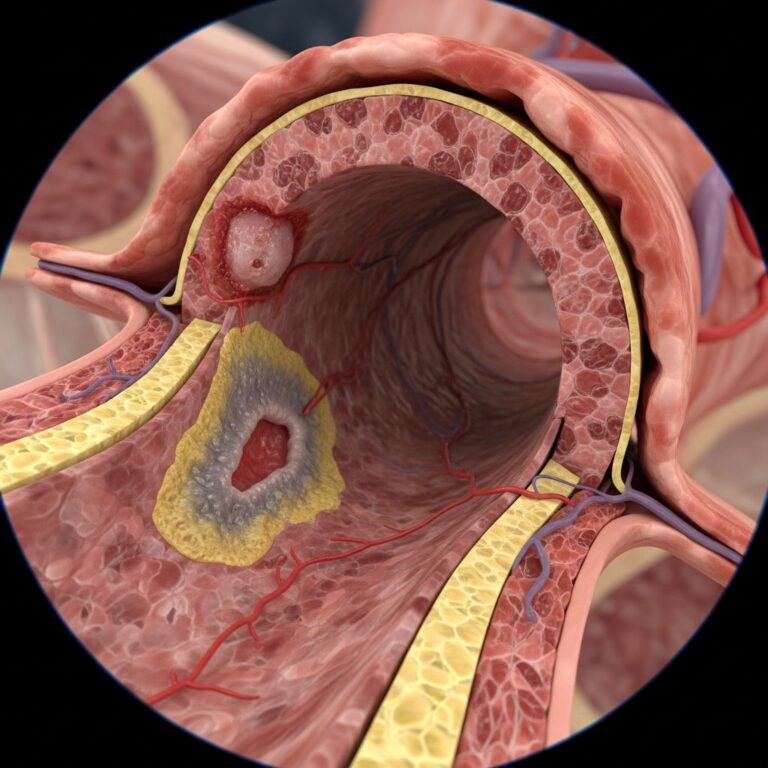
Squamous cell carcinoma (SCC), also known as cutaneous squamous cell carcinoma (CSCC), represents the second most common form of skin cancer, following basal cell carcinoma. This type of cancer originates in the squamous cells found in the epidermis, which is the outermost layer of your skin. The condition typically develops in areas of the body that receive the most sun exposure, including the head, arms, and legs. However, squamous cell carcinoma can also form in areas containing mucous membranes, such as the inner linings of organs and body cavities, including the mouth, lungs, and anus.
What Causes Squamous Cell Carcinoma
Squamous cell carcinoma results from an overproduction of squamous cells in your epidermis. The primary risk factors contributing to the development of this cancer include prolonged exposure to ultraviolet (UV) radiation from the sun, use of tanning beds, and a history of sunburns. Additionally, certain factors increase your susceptibility to developing squamous cell carcinoma, such as fair skin, advanced age, immunosuppression, previous skin cancer history, and exposure to certain chemicals or radiation. Chronic inflammatory skin conditions and scars from previous injuries can also increase your risk.
Recognizing Symptoms and Signs
Squamous cell carcinoma typically presents as abnormal growths on the skin. Common signs include:
- Scaly, crusted, or waxy growths on the skin
- Red or reddish-brown patches that may bleed easily
- Raised growths with a central depression or ulceration
- Lesions that don’t heal within three months
- Growths with irregular borders or varied coloring
- Tenderness or itching in affected areas
These lesions typically appear on sun-exposed areas but can develop anywhere on the body or in mucous membrane areas.
Diagnosis of Squamous Cell Carcinoma
Diagnosing squamous cell carcinoma involves both physical examination and diagnostic testing. Your healthcare provider will conduct a comprehensive evaluation to confirm your diagnosis.
Physical Examination
Your healthcare provider will perform a physical examination of the area where you experience symptoms, paying particular attention to the size, shape, and location of any lump or lesion. During this examination, they will also inquire about your medical history and current symptoms to gather important contextual information about your condition.
Diagnostic Tests
After the initial physical examination, your healthcare provider may recommend various tests to confirm a diagnosis of squamous cell carcinoma. These tests may include:
- Skin biopsy: A small tissue sample is removed and examined under a microscope
- Dermoscopy: A specialized magnifying tool is used to examine the skin more closely
- Imaging studies: CT scans, MRI, or PET scans may be used for advanced cases
- Lymph node assessment: Testing to determine if cancer has spread to nearby lymph nodes
Staging Squamous Cell Carcinoma
Staging is a critical component of your squamous cell carcinoma diagnosis. Your healthcare provider will assign a stage to your diagnosis to identify how much cancer is present in your body. Staging helps your medical team choose the most appropriate treatment tailored to your specific situation. There are five stages of squamous cell carcinoma, ranging from stage 0 (pre-cancerous lesions) to stage 4 (advanced cancer with distant metastasis).
Related Stories



Recent research has highlighted the importance of including satellitosis or in-transit metastasis (S-ITM) as a significant prognostic factor in staging systems. This refers to the presence of dermal lesions between the primary tumor and the first-line lymphatic nodal basins. Studies demonstrate that patients with S-ITM have similar outcomes to those with node-positive disease, with five-year disease-specific survival rates around 41 percent, comparable to the 39 percent rate for node-positive patients. This finding supports updating current staging guidelines to better risk-stratify patients and guide appropriate treatment decisions.
Treatment Options for Squamous Cell Carcinoma
Treatment for squamous cell carcinoma focuses on removing cancer from your body while preserving healthy tissue and minimizing cosmetic impact. Your treatment options vary based on several factors, including the size, shape, location, and stage of your cancer, as well as your overall health status.
Surgical Treatment
Surgery represents the primary treatment approach for most cases of squamous cell carcinoma. Surgical options include:
- Mohs Micrographic Surgery: This specialized technique is highly effective for squamous cell carcinoma, particularly on the face and neck, with a 99% effectiveness rate as a first-time treatment. The procedure involves removing thin layers of skin and examining them under a microscope until all cancer cells are removed.
- Excisional Surgery: The entire tumor and a margin of healthy skin are surgically removed
- Curettage and Electrodesiccation: The tumor is scraped away and the base is treated with an electric current
- Cryotherapy: Liquid nitrogen is used to freeze and destroy cancer cells
- Laser Therapy: High-intensity laser light is used to remove the cancerous lesion
Systemic Treatments
For advanced or metastatic squamous cell carcinoma cases, systemic treatments may be employed:
- Chemotherapy: May be administered before surgery to shrink tumors or after surgery to eliminate remaining cancer cells
- Immunotherapy: This emerging treatment approach has shown promising results, particularly for patients with advanced disease or those who cannot undergo surgery. Pembrolizumab and other checkpoint inhibitors have demonstrated efficacy in treating high-risk cutaneous squamous cell carcinoma.
- Targeted Therapy: Medications that target specific molecular characteristics of cancer cells
- Radiation Therapy: High-energy radiation may be used for inoperable tumors or when surgery alone is insufficient
Topical Treatments
For non-invasive or early-stage lesions, topical treatments may be considered:
- Topical retinoids to encourage cell turnover
- Imiquimod cream to stimulate immune response
- 5-Fluorouracil (5-FU) to destroy cancer cells
Prognosis and Survival Rates
Most cases of squamous cell carcinoma have a positive prognosis with excellent survival rates when early diagnosis is achieved. Early detection and prompt treatment prevent the tumor from growing and potentially damaging other parts of your body. The five-year disease-specific survival rate varies based on staging, with early-stage cancers having survival rates exceeding 95 percent. However, advanced disease with lymph node involvement or distant metastasis shows reduced survival rates, emphasizing the importance of early detection and appropriate risk stratification.
If your healthcare provider successfully removes your cancer, there remains a possibility that it could return in the future. Regular follow-up appointments with your healthcare provider are essential to verify that you remain cancer-free and to monitor for any signs of recurrence or new lesions.
Prevention and Sun Protection
Prevention represents one of the most effective strategies for avoiding squamous cell carcinoma. Key prevention measures include:
- Applying broad-spectrum sunscreen (SPF 30 or higher) daily and reapplying every two hours
- Seeking shade during peak UV exposure hours (10 AM to 4 PM)
- Wearing protective clothing, hats, and sunglasses
- Avoiding tanning beds and sun lamps
- Performing regular skin self-examinations
- Visiting a dermatologist annually for professional skin checks
When to See a Healthcare Provider
It is important to schedule an appointment with your healthcare provider if you notice any suspicious skin growths or lesions that do not heal within three months. You should also seek medical attention if you observe changes in existing moles or spots, particularly if they display the ABCDE signs: asymmetry, irregular borders, color variation, diameter greater than a pencil eraser, or evolution (change over time).
Multidisciplinary Approach to Advanced Cases
For patients with advanced squamous cell carcinoma, particularly those with satellitosis or in-transit metastasis, a multidisciplinary treatment approach is recommended. This involves collaboration between dermatologists, surgical oncologists, radiation oncologists, and medical oncologists to develop comprehensive treatment plans. Tumor boards, such as those established at comprehensive cancer centers, help navigate the complex management of these challenging cases.
Frequently Asked Questions
Q: What is the difference between squamous cell carcinoma and basal cell carcinoma?
A: While both are common skin cancers, squamous cell carcinoma is the second most common type, occurring in the squamous cell layer of the epidermis. Basal cell carcinoma is the most common skin cancer and develops in the basal cell layer beneath the squamous cells. Squamous cell carcinoma has a slightly higher risk of spreading compared to basal cell carcinoma.
Q: Can squamous cell carcinoma spread to other parts of the body?
A: Yes, if left untreated or if it is an advanced type, squamous cell carcinoma can spread to lymph nodes and other parts of the body. This is why early detection and treatment are critical, and why regular follow-up care is important after treatment.
Q: How often should I have skin checks if I have had squamous cell carcinoma?
A: After treatment for squamous cell carcinoma, you should have regular follow-up appointments with your dermatologist. The frequency typically ranges from every three to six months initially, then annually once you have been cancer-free for several years. Your healthcare provider will recommend the appropriate schedule based on your individual risk factors.
Q: Is squamous cell carcinoma curable?
A: Yes, most cases of squamous cell carcinoma are curable, especially when detected and treated early. The prognosis is generally excellent for stage 1 and stage 2 cancers. Even patients with advanced disease have treatment options available and can achieve complete response with appropriate therapy.
Q: What is Mohs surgery, and is it the best treatment for squamous cell carcinoma?
A: Mohs micrographic surgery is a specialized surgical technique with a 99% effectiveness rate for skin cancer treatment. It is particularly beneficial for squamous cell carcinomas on the face and neck because it removes cancer while preserving as much healthy tissue as possible, providing better cosmetic outcomes. However, the best treatment depends on your individual case and should be determined in consultation with your healthcare provider.
References
- Squamous Cell Carcinoma: What it is, Causes & Treatment — Cleveland Clinic. 2024. https://my.clevelandclinic.org/health/diseases/17480-squamous-cell-carcinoma
- Study Supports Updates to Staging Systems for Cutaneous Squamous Cell Carcinoma — Cleveland Clinic, Consult QD. 2022. https://consultqd.clevelandclinic.org/study-supports-updates-to-staging-systems-for-cutaneous-squamous-cell-carcinoma
- What Is Mohs Surgery for Skin Cancer? — Cleveland Clinic. July 31, 2023. https://www.youtube.com/watch?v=-GZfDSDu2lg
- Recent and Emerging Therapies for Cutaneous Squamous Cell Carcinomas of the Head and Neck — Cleveland Clinic. 2024. https://my.clevelandclinic.org/departments/head-neck/outcomes/1115-recent-and-emerging-therapies-for-cutaneous-squamous-cell-carcinomas-of-the-head-and-neck
- Adjuvant Immunotherapy in High-Risk Cutaneous Squamous Cell Carcinoma — Cleveland Clinic, Consult QD. 2024. https://consultqd.clevelandclinic.org/tag/squamous-cell-carcinoma-scc
Similar Articles








Read full bio of Sneha Tete