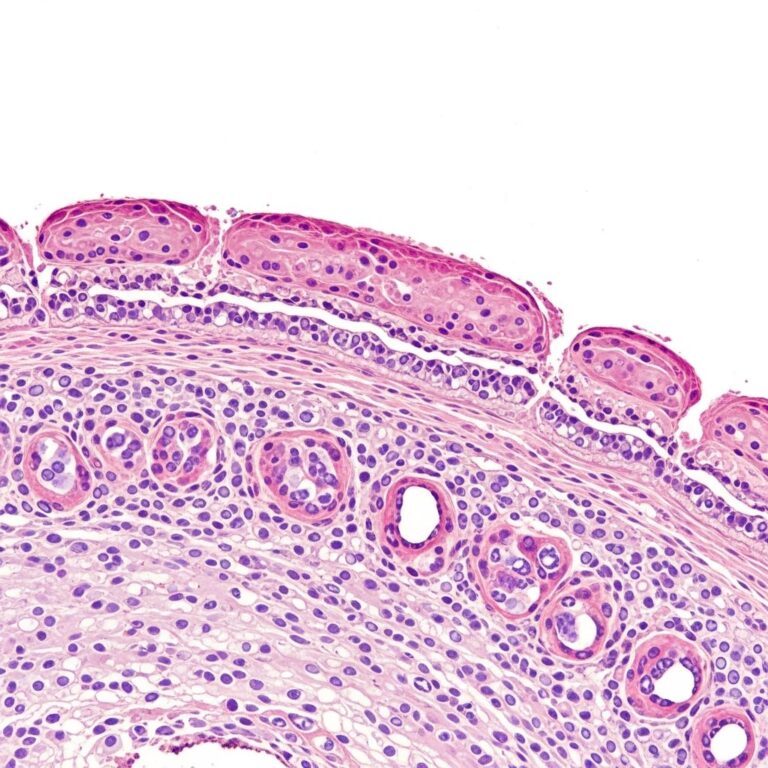
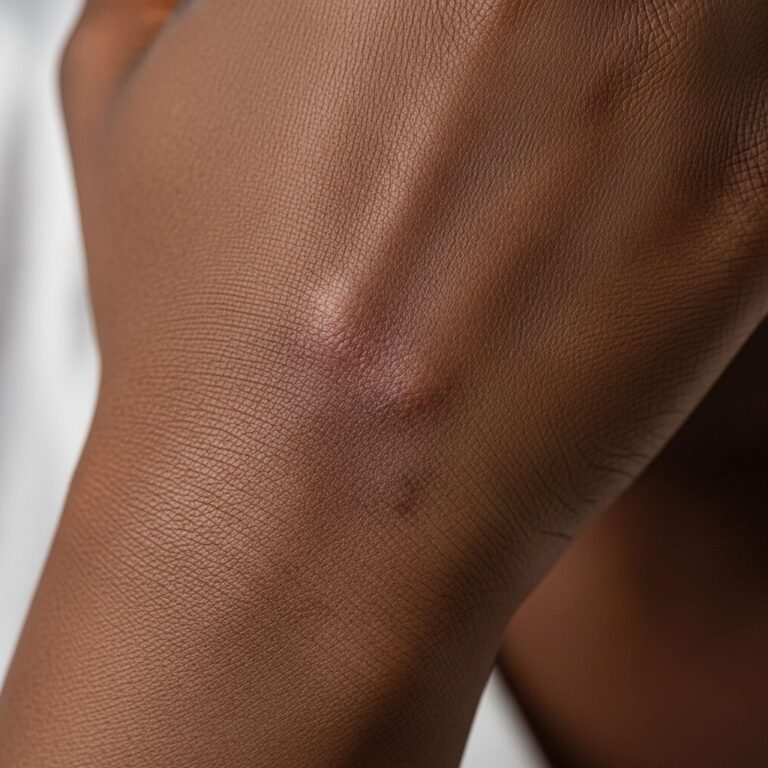
Squamous Cell Carcinoma of Limbs: Images
Comprehensive visual guide to squamous cell carcinoma on limbs, including clinical images, symptoms, diagnosis, and treatment options for early detection.
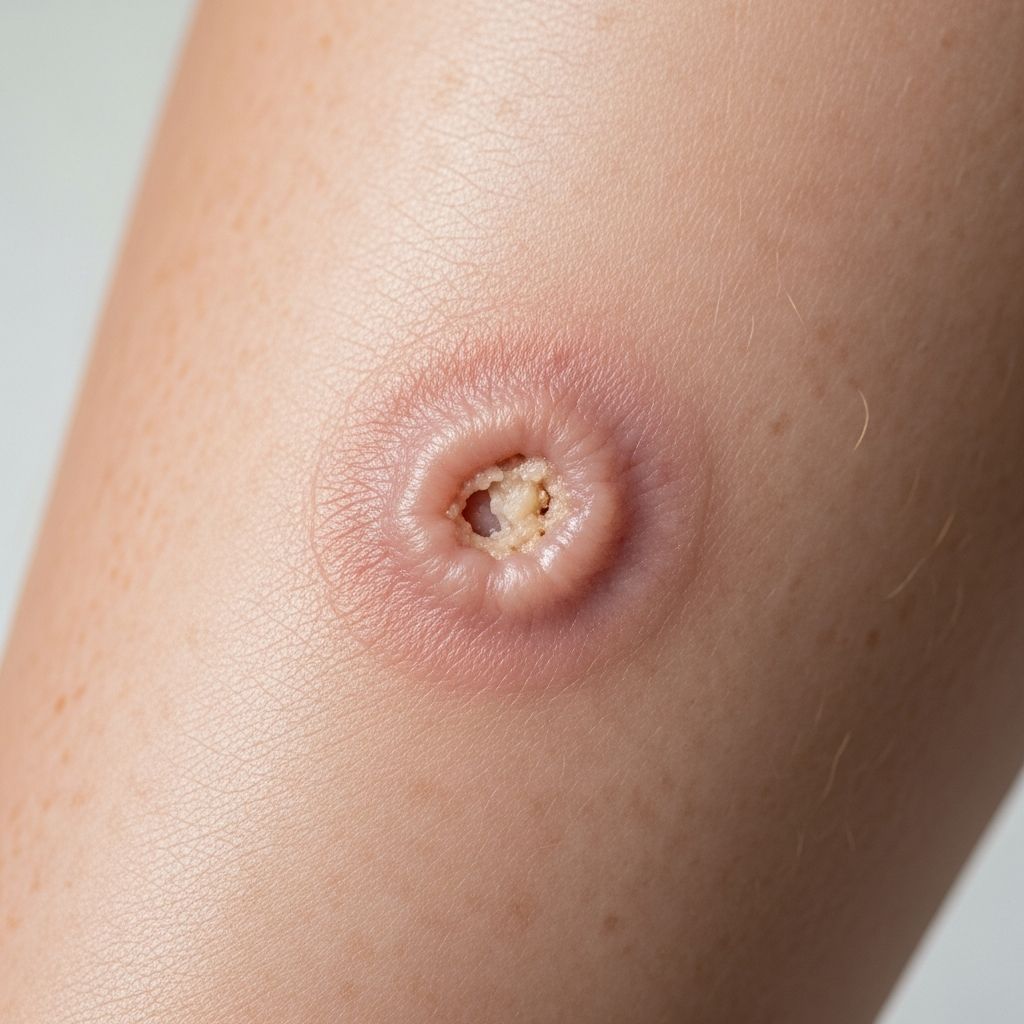
Squamous cell carcinoma (SCC) is a common non-melanoma skin cancer that arises from squamous cells in the epidermis, frequently affecting sun-exposed areas like the limbs. This article presents clinical images of SCC on arms and legs, highlighting varied presentations from early plaques to advanced ulcers, aiding in recognition and prompt diagnosis.
What is squamous cell carcinoma?
Squamous cell carcinoma originates in the squamous cells, which form the skin’s surface and line mucous membranes. On the limbs, it often develops on chronically sun-damaged skin, appearing as persistent, scaling lesions that may ulcerate or bleed. Unlike basal cell carcinoma, SCC has a higher potential for metastasis, particularly if untreated, spreading to lymph nodes or distant organs. Early detection is crucial, as most limb SCCs are curable with local therapies when identified promptly.
Risk factors include fair skin, prolonged UV exposure, immunosuppression, chronic wounds, and prior radiation. On limbs, actinic keratoses often precede SCC, serving as precancerous markers.
Clinical features of squamous cell carcinoma on limbs
SCC on limbs typically manifests as firm, red nodules, scaly plaques, or non-healing ulcers. Lesions may grow slowly, developing a crusty surface that bleeds easily. Common sites include dorsal hands, forearms, and lower legs due to cumulative sun exposure.
- Firm red nodule: A classic presentation, often with a central keratin plug, seen on sun-exposed forearms.
- Scaly erythematous plaque: Flat, rough patches resembling actinic keratosis but persistent and enlarging.
- Ulcerated tumour: Advanced lesions with rolled borders and necrotic centers, prone to secondary infection.
- Keratotic horn: Hyperkeratotic projections mimicking warts but fixed and indurated.
- Pigmented variant: Rare on limbs, showing brown hues mimicking melanoma.
These features distinguish SCC from benign conditions like seborrheic keratosis or pyogenic granuloma, emphasizing the need for biopsy in suspicious cases.
Images of squamous cell carcinoma on limbs
This gallery features dermatoscopic and clinical photographs of SCC lesions on upper and lower extremities, sourced from verified medical imagery. Images illustrate morphological diversity for educational purposes.
Arms and hands
- Dorsal hand SCC: Hyperkeratotic plaque with central erosion on elderly patient’s hand, showing pearly borders and telangiectasia.
- Forearm ulcer: 2cm crateriform ulcer with indurated base on actinically damaged skin.
- Finger nodule: Firm, dome-shaped growth on digit, risking nail deformity if untreated.
Legs and feet
- Lower leg plaque: Extensive scaling patch evolving from actinic keratosis, with yellow crusting.
- Ankle tumour: Exophytic mass with rolled edges, common in fair-skinned individuals.
- Plantar lesion: Rare hyperkeratotic horn on weight-bearing foot skin, mimicking callus.
These images underscore SCC’s variability; dermoscopy reveals glomerular vessels and surface scaling, aiding non-invasive diagnosis.
Diagnosis
Diagnosis begins with clinical examination, followed by skin biopsy. Shave, punch, or excisional biopsy confirms SCC, assessing depth and perineural invasion—key for limb lesions near joints. Dermoscopy enhances specificity, identifying white keratin pseudohorns and atypical vessels. Staging uses TNM criteria: T1-T4 for tumor size/invasion, N for nodes, M for metastasis. Most limb SCCs are T1, low-risk.
Related Stories



| Stage | Description | Implications for Limbs |
|---|---|---|
| T1 | <2cm, superficial | Local excision sufficient |
| T2 | ≥2cm or <2cm with risk factors | Mohs recommended |
| T3 | Deep invasion or gross nerve involvement | Sentinel node biopsy |
| T4 | Skeletal invasion | Multimodal therapy |
Treatment
Treatment escalates with stage. For low-risk limb SCC (<2cm, well-defined), options include curettage/electrodessication, cryotherapy, or topical 5-FU/imiquimod. High-risk cases require Mohs micrographic surgery, preserving limb function.
- Curettage and electrodessication: Scraping and cautery for superficial lesions.
- Cryotherapy: Liquid nitrogen for thin plaques, avoiding deeper leg sites.
- Mohs surgery: Layered excision with microscopy, ideal for recurrent or perijoint SCC.
- Excision: Full-thickness removal with 4-6mm margins.
- Radiation: For nonsurgical candidates or adjuvant therapy.
Advanced/metastatic SCC employs systemic therapy: PD-1 inhibitors (pembrolizumab), EGFR inhibitors, or chemotherapy.
Prognosis
Localized limb SCC boasts 95% 5-year survival; regional spread drops to 70%, distant to 30%. Recurrence risk factors: diameter >2cm, invasion >2mm, immunosuppression. Regular follow-up every 3-6 months is advised.
Prevention
Prevent limb SCC via sun protection: SPF50+ broad-spectrum sunscreen, UPF clothing, shade-seeking. Self-exams detect early changes; treat actinic keratoses promptly. High-risk patients benefit from annual dermatology screening.
Frequently Asked Questions (FAQs)
What does squamous cell carcinoma on limbs look like?
SCC appears as red, scaly plaques, firm nodules, or ulcers on sun-exposed arms/legs, often crusting or bleeding.
Is SCC on limbs dangerous?
Most are curable early; untreated, 2-5% metastasize, higher in legs due to poorer lymphatic drainage.
How is limb SCC treated?
Surgery (Mohs/excision) for most; topicals for superficial, systemic for advanced.
Can SCC on limbs be prevented?
Yes, with sunscreen, protective clothing, avoiding midday sun, and early actinic keratosis treatment.
When to see a dermatologist for limb lesions?
Any persistent sore, changing growth, or non-healing wound warrants biopsy.
References
- Squamous Cell Carcinoma: Symptoms and Treatment — Advanced Derm. 2024. https://www.advanceddermnco.com/conditions/squamous-cell-carcinoma
- Squamous Cell Carcinoma Symptoms and Treatments — SJPP Dermatology. 2024. https://www.sjpp.org/dermatology/conditions/skin-cancer/squamous-cell-carcinoma/
- Treating Squamous Cell Carcinoma of the Skin — American Cancer Society. 2025-01-15. https://www.cancer.org/cancer/types/basal-and-squamous-cell-skin-cancer/treating/squamous-cell-carcinoma.html
- Squamous Cell Carcinoma — Cleveland Clinic. 2024-08-20. https://my.clevelandclinic.org/health/diseases/17480-squamous-cell-carcinoma
- Squamous cell carcinoma of the skin – Symptoms and causes — Mayo Clinic. 2024. https://www.mayoclinic.org/diseases-conditions/squamous-cell-carcinoma/symptoms-causes/syc-20352480
- Squamous cell skin cancer — MedlinePlus, NIH. 2024-11-10. https://medlineplus.gov/ency/article/000829.htm
- Understanding Squamous Cell Carcinoma — Premier Surgical Network. 2024. https://www.premiersurgicalnetwork.com/services/skin-soft-tissue-disorders/skin-cancer/squamous-cell-carcinoma
Similar Articles








Read full bio of medha deb