Squatting Over Toilet Seat: 5 Tips For Better Pelvic Health
Discover why hovering or squatting over the toilet seat can harm your pelvic health and lead to incontinence risks.
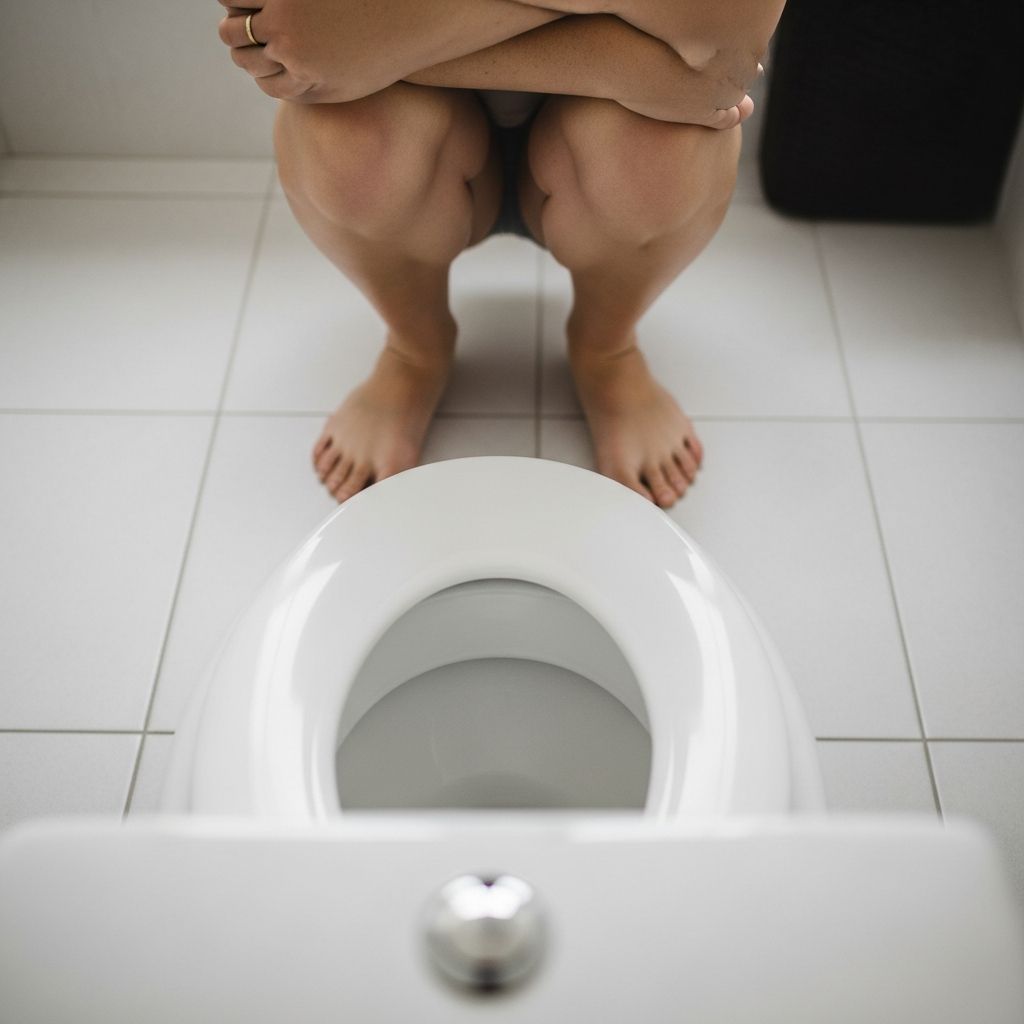
Hovering or squatting over a toilet seat instead of sitting fully is a common habit, often driven by germ fears or public restroom discomfort. However, this posture can disrupt normal urinary and bowel mechanics, potentially leading to
pelvic floor dysfunction
,urinary tract infections (UTIs)
,incontinence
, and other issues. Experts from pelvic health specialists emphasize that proper sitting allows the pelvic floor muscles to relax fully, enabling complete bladder and bowel emptying.What Happens When You Squat Over the Toilet Seat?
When you
hover or squat
over the toilet, your body enters a partial squat position. The hips and thighs remain tense to hold you mid-air, preventing full relaxation of thepelvic floor muscles
—including the puborectalis muscle that maintains continence. For urination, this tension obstructs the urethra, reducing urine flow by up to 21% and increasing residual urine volume by 149%, which fosters bacterial growth and raises UTI risks.In bowel movements, squatting straightens the recto-anal canal more effectively than sitting, potentially reducing straining and aiding evacuation—benefits noted in studies on constipation and hemorrhoids. However, the incomplete squat over Western toilets doesn’t achieve this fully and instead engages unnecessary muscles like the glutes, inner thighs, and abs, leading to strain without the ergonomic advantages of true squatting. Over time, habitual incomplete emptying contributes to
pelvic floor weakness
,prolapse
,urgency
, andincontinence
.Why Do People Squat Over the Toilet Seat?
Several factors drive this behavior:
- Fear of germs: Many avoid direct contact with public toilet seats, perceiving them as unclean, despite evidence that sitting is safer for pelvic health than hovering.
- Perceived bladder issues: Women with urgency or leakage may hover to control flow, inadvertently worsening symptoms.
- Public restroom avoidance: Some limit use or adopt awkward positions to minimize contact.
- Cultural habits: In regions with squat toilets, this posture feels natural, but Western seats require adaptation.
- Situational discomfort: Pregnancy, mobility issues, or habit form semi-squatting patterns.
While hygiene concerns are valid, wiping seats or using barriers is preferable to compromising function.
Effects on Urination
Squatting impairs urination mechanics significantly. The pelvic floor cannot relax, narrowing the urethral path and hindering flow. A study found women in crouching positions had substantially lower urine flow rates and higher residual volumes, increasing infection risks and contributing to hesitancy, frequency, and incontinence. Physical therapists note that straining to compensate damages tissues over time.
| Posture | Urine Flow Rate | Residual Urine | Health Risks |
|---|---|---|---|
| Sitting Fully | Normal (baseline) | Low | Minimal; promotes full emptying |
| Squatting/Hovering | 21% decrease | 149% increase | UTIs, incontinence, dysfunction |
For optimal urination, feet should be flat, knees higher than hips (using a stool), and full sitting encouraged.
Effects on Bowel Movements
Related Stories



Paradoxically, full squatting aids defecation by relaxing the puborectalis, straightening the rectum, and using gravity and thigh pressure on the abdomen to reduce straining. Studies show squatters report less effort, shorter times, and lower abdominal pressure, benefiting constipation, hemorrhoids, and even reducing colon/prostate risks.
However, hovering over seats mimics only partially: muscles stay tense, failing to straighten the canal fully, leading to straining, incomplete evacuation, constipation, and prolapse risks. A scoping review of 42 studies confirms squatting’s digestive edge but notes musculoskeletal strain in vulnerable groups; ergonomic sitting seats mitigate this.
Risks of Long-Term Squatting or Hovering
Chronic habits yield cumulative damage:
- Pelvic floor dysfunction: Weakened muscles from incomplete relaxation lead to incontinence and prolapse.
- UTIs and infections: Residual urine breeds bacteria.
- Bladder/bowel issues: Stones, hesitancy, urgency, frequency, constipation.
- Musculoskeletal strain: Tight hips, back, and legs; higher injury risk in squats for some.
- Incontinence in children: Squat exercises help, but improper toileting hinders training.
Older adults or those with neurological issues may face added joint stress.
Benefits of Sitting Fully on the Toilet
Proper sitting optimizes health:
- Full pelvic floor relaxation for complete emptying.
- Reduced straining and infection risks.
- Stability for mobility-challenged individuals.
- Ergonomic seats at optimal heights (e.g., 41-43 cm) minimize muscle effort.
Use a footstool to elevate knees above hips, mimicking squat benefits without hovering.
How to Poop and Pee Properly
Follow these expert tips:
- Sit fully: Buttocks flat on seat, feet flat or on a 9-inch stool.
- Position feet: Shoulder-width, knees higher than hips for anorectal alignment.
- Relax: Breathe deeply; avoid straining or hovering.
- Lean forward slightly: Like “The Thinker” position for bowel ease.
- Hygiene hacks: Seat covers, wipes, or portable bidets for clean contact.
For children, squat-friendly potty seats aid training.
When Squatting Might Be Better
True squatting excels for bowel health in healthy individuals: reduces straining, aids evacuation, stretches hip muscles. Cultural squat toilets embody this. Squat exercises even alleviate pediatric incontinence. But over Western seats, it’s suboptimal—use stools for hybrid benefits. Vulnerable groups (elderly, injured) should prioritize sitting.
Expert Tips to Avoid Squatting
- Public restrooms: Hover only if unavoidable; prioritize home habits.
- Pelvic floor therapy: Seek PT for dysfunction.
- Toilet stools: Squatty Potty-style for alignment.
- Hygiene education: Germs die quickly; risk of dysfunction higher.
- Monitor symptoms: Urgency? See a specialist.
Frequently Asked Questions (FAQs)
Is it OK to hover over a public toilet seat?
No, hovering disrupts pelvic floor relaxation, slows urine flow, and increases UTI/incontinence risks. Sit with protection if needed.
Does squatting help with constipation?
Full squatting does by straightening the rectum and reducing strain, but hovering does not—use a footstool while sitting.
Can hovering cause incontinence?
Yes, by preventing full emptying and weakening pelvic muscles over time.
What’s the best toilet height?
Around 41-43 cm (110% lower leg length) for ease, satisfaction, and low muscle effort.
Are squat toilets healthier?
For bowels, yes in fit individuals; sitting better for urinary health and stability.
How to train kids not to hover?
Use squat-mimicking potties and emphasize full sitting for continence.
This comprehensive guide, drawing from pelvic health experts and research, underscores sitting’s superiority for preventing
incontinence
and related issues. Adopt proper habits today for long-term pelvic wellness. (Word count: 1678)References
- Why squatting for toileting function is good for health — BBUK. 2023. https://www.bbuk.org.uk/squatting-for-toileting-health/
- Why Squatting Works Best For Toileting — Leckey. 2021-07. https://www.leckey.com/blog/2021/july/why-squatting-works-best-when-you-need-to-go
- Sitting vs. squatting: a scoping review of toilet postures — NIH/PMC. 2024. https://pmc.ncbi.nlm.nih.gov/articles/PMC12219158/
- Women: Don’t hover over the toilet seat — Ohio State Wexner Medical Center. 2023. https://wexnermedical.osu.edu/our-stories/dont-hover-over-the-toilet-seat
- Sit yo’ a** down! The importance of sitting on the toilet — Pelvic Pain Rehab. 2023. https://pelvicpainrehab.com/blog/sit-yo-importance-sitting-toilet/
- New Year’s Resolutions For Your Pelvic Floor — Feminapt. 2024. https://feminapt.com/blog/new-year-s-resolutions-for-your-pelvic-floor-don-t-squat-and-hover-to-pee/
Similar Articles








Read full bio of Sneha Tete