St. John’s Wort and Depression: In-Depth Guide
Comprehensive overview of St. John's Wort as a complementary approach to depression treatment and management.
St. John’s Wort and Depression: An In-Depth Overview
Depression affects millions of people worldwide, and the search for effective treatments continues to evolve. While prescription antidepressants remain the standard approach, many individuals explore complementary and alternative health approaches. St. John’s wort, a popular herbal supplement, has gained significant attention as a potential treatment for depression. However, the scientific evidence surrounding its effectiveness is complex and sometimes contradictory. This comprehensive guide examines what we know about St. John’s wort, its potential benefits, limitations, and critical safety considerations.
What Is St. John’s Wort?
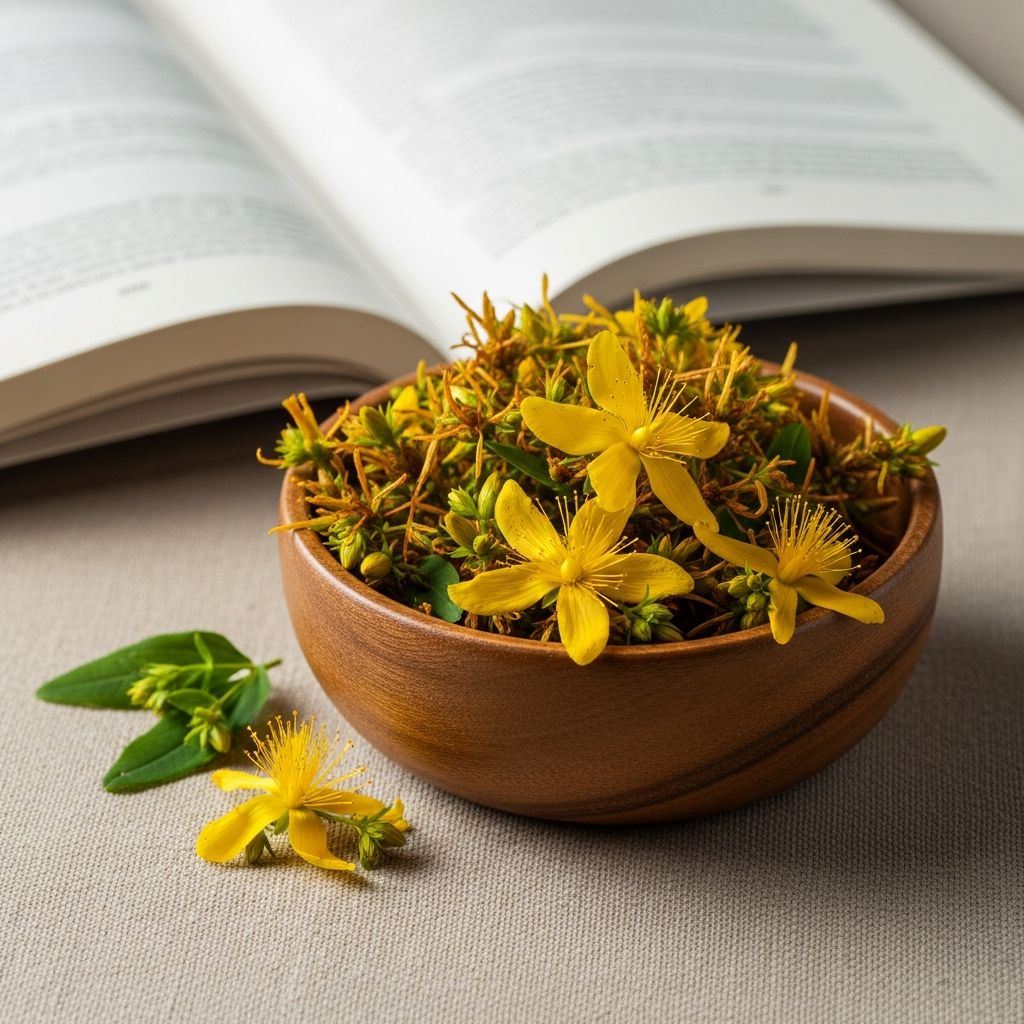
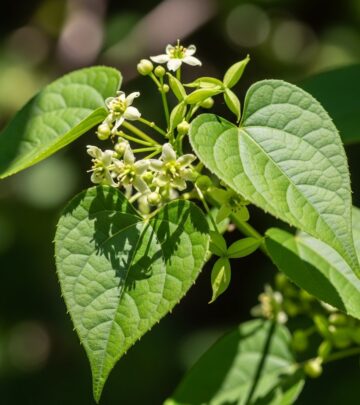
St. John’s wort, scientifically known as Hypericum perforatum, is a flowering plant that has been used for centuries in traditional medicine to address various mental health conditions. Although it has a long history of use and remains widely prescribed for depression in Europe, particularly in German-speaking countries, St. John’s wort has not received approval from the U.S. Food and Drug Administration as an over-the-counter or prescription medicine for depression. The herb contains multiple compounds believed to influence brain chemistry, particularly affecting serotonin regulation and mood stability.
Clinical Evidence: What the Research Shows
Mixed Research Findings
The scientific evidence regarding St. John’s wort’s effectiveness for depression presents a nuanced picture. Early research, particularly studies conducted in German-speaking countries where the herb has a well-established medical history, reported more positive results compared to studies conducted in other regions, including the United States. These European studies suggested that St. John’s wort may be superior to placebo and as effective as standard prescription antidepressants for mild-to-moderate depression, with fewer reported side effects.
Key Clinical Trials
Two significant studies sponsored by the National Center for Complementary and Integrative Health (NCCIH) and the National Institute of Mental Health (NIMH) yielded different results. In a 2011 clinical trial involving 73 participants over 12 weeks, neither St. John’s wort nor citalopram (an SSRI antidepressant) demonstrated effectiveness superior to placebo for treating minor depression. Similarly, a large 2002 study with 340 participants found that St. John’s wort was no more effective than placebo in treating major depression of moderate severity.
However, a 2016 systematic review examining 35 studies involving 6,993 participants found that St. John’s wort monotherapy for mild and moderate depression was superior to placebo in improving depression symptoms and showed no significant difference from antidepressant medication. This conflicting evidence highlights the complexity of evaluating herbal supplements for mental health conditions.
The Role of Placebo Effect
One critical factor explaining mixed results is the placebo effect. Research indicates that study participants’ beliefs about whether they were receiving St. John’s wort or a placebo actually influenced their depression outcomes more than the actual treatment they received. This psychological phenomenon demonstrates the powerful effect of expectation and therapeutic relationships on perceived symptom improvement. Even how healthcare providers communicate with patients can trigger positive responses unrelated to the treatment itself.
Effectiveness for Different Types of Depression
St. John’s wort may show more promise for specific types of depression rather than severe cases. The available evidence suggests potential benefits for mild-to-moderate major depressive disorder in limited patient populations. However, research on severe depression remains insufficient, and the herb has not been demonstrated to be effective for major depression of moderate-to-severe intensity in rigorous clinical trials.
The variability in depression severity from person to person means that individual responses to St. John’s wort may differ substantially. Some individuals may experience symptom improvement, while others may see no benefit or experience adverse effects.
How St. John’s Wort May Work
St. John’s wort contains several active compounds, including hypericin and hyperforin, which are believed to influence neurotransmitters involved in mood regulation. The herb appears to affect serotonin, norepinephrine, and dopamine—brain chemicals targeted by conventional antidepressants. However, researchers remain uncertain about the exact mechanisms through which these compounds produce their effects. This incomplete understanding of its pharmacological action contributes to the difficulty in predicting individual responses and optimizing treatment protocols.
Side Effects and Safety Concerns
Common Side Effects
While St. John’s wort is often marketed as a natural and safer alternative to prescription antidepressants, it can produce significant side effects. Common adverse effects include photosensitivity (increased skin sensitivity to sunlight), gastrointestinal disturbances, headache, dizziness, and sexual dysfunction. Some individuals may experience sleep disturbances or mood changes.
Serious Risks
Beyond common side effects, St. John’s wort carries serious potential risks. Psychosis, though rare, represents a documented possible side effect of the supplement. More concerning is the risk of serotonin syndrome—a potentially life-threatening condition that can occur when St. John’s wort is combined with certain antidepressants. Serotonin syndrome results from excessive accumulation of serotonin in the brain and can cause confusion, rapid heart rate, high blood pressure, dilated pupils, muscle rigidity, and in severe cases, fatal complications.
Critical Drug Interactions
How St. John’s Wort Affects Medications
One of the most significant concerns with St. John’s wort is its ability to affect how the body processes numerous medications. The herb is known to induce liver enzymes, particularly the cytochrome P450 system, which metabolizes many drugs. This increased metabolic activity can substantially reduce the effectiveness of various prescription medications.
Affected Drug Classes
St. John’s wort has documented interactions with numerous medication categories, including:
- Selective serotonin reuptake inhibitors (SSRIs) and other antidepressants—risk of serotonin syndrome
- Oral contraceptives—reduced contraceptive effectiveness
- Anticoagulants and antiplatelet drugs—reduced efficacy
- Immunosuppressants—diminished immune protection
- Cardiovascular medications—altered drug levels
- Anti-HIV medications—reduced antiviral effectiveness
- Cancer medications—compromised therapeutic effects
Important Considerations Before Using St. John’s Wort
Do Not Replace Professional Care
St. John’s wort is not a proven therapy for depression and should never be used to replace conventional medical care or postpone consultation with a healthcare provider. Inadequately treated depression can become severe and may in some cases be associated with suicidal thoughts or behaviors. Anyone experiencing depressive symptoms should consult a qualified healthcare professional for proper evaluation and treatment planning.
Disclosure to Healthcare Providers
If you are considering St. John’s wort for depression, it is absolutely essential to inform all healthcare providers about this decision. Provide them with a complete picture of all supplements, herbs, and complementary health approaches you use. This transparency ensures coordinated and safe care, preventing dangerous drug interactions and allowing providers to monitor for potential adverse effects.
Medical Evaluation First
Depression can vary significantly in severity from person to person. A qualified healthcare provider can assess your specific situation, determine the underlying causes of depression, and recommend appropriate treatment options. Professional evaluation ensures that serious underlying conditions are not missed and that treatment plans are tailored to your individual needs.
Depression Treatment Options
Conventional Approaches
Depression can be effectively treated through various conventional medical approaches, including antidepressant medications and specific types of psychotherapy. Different classes of antidepressants work through different mechanisms, allowing providers to select treatments based on individual patient characteristics and response patterns. Psychotherapeutic approaches such as cognitive-behavioral therapy, interpersonal therapy, and others have substantial evidence supporting their effectiveness.
Integrative Approaches
An integrative approach to depression treatment may combine conventional medicine with complementary health strategies. This might include exercise, dietary modifications, stress reduction techniques, social support, and potentially certain supplements under medical supervision. The key is ensuring that any complementary approach is implemented safely and does not interfere with other treatments.
Frequently Asked Questions
Q: Is St. John’s wort FDA-approved for treating depression?
A: No, St. John’s wort has not been approved by the U.S. Food and Drug Administration as either an over-the-counter or prescription medicine for depression. It is available as a dietary supplement, which faces less stringent regulatory requirements than pharmaceutical medications.
Q: Can I take St. John’s wort with my antidepressant?
A: No. Combining St. John’s wort with antidepressants, particularly SSRIs, can lead to a potentially life-threatening condition called serotonin syndrome. Never combine these treatments without explicit medical approval and supervision. Always consult your healthcare provider before adding any supplements to your current medications.
Q: How long does St. John’s wort take to work?
A: If St. John’s wort is effective, symptom improvement typically takes several weeks, similar to conventional antidepressants. Most clinical studies have evaluated the herb over treatment periods ranging from 8 to 26 weeks. However, scientific evidence does not consistently demonstrate that it works better than placebo.
Q: What are the signs of serotonin syndrome?
A: Symptoms of serotonin syndrome include confusion, rapid heart rate, elevated blood pressure, dilated pupils, muscle rigidity, tremors, sweating, and gastrointestinal disturbances. Seek immediate medical attention if you experience these symptoms, as serotonin syndrome can be life-threatening.
Q: Is St. John’s wort safe for long-term use?
A: Long-term safety data for St. John’s wort is limited. Clinical trials have primarily examined short-term use. Additionally, the herb’s effects on liver enzymes and its potential for drug interactions mean that long-term use requires medical supervision and regular monitoring.
Q: Can St. John’s wort affect my birth control?
A: Yes. St. John’s wort can reduce the effectiveness of oral contraceptives by increasing their metabolic breakdown. If you take birth control and are considering St. John’s wort, discuss alternative contraception options with your healthcare provider.
Key Takeaways
St. John’s wort remains a subject of scientific debate regarding its effectiveness for depression. While some studies suggest potential benefits for mild-to-moderate depression, other rigorous trials find no advantage over placebo. The herb’s complexity regarding drug interactions, potential serious side effects, and unclear mechanisms of action necessitate caution. Most importantly, St. John’s wort should never replace professional medical care for depression. Instead of viewing it as a substitute for conventional treatment, individuals interested in complementary approaches should discuss options with their healthcare providers, maintain transparent communication about all supplements they use, and prioritize evidence-based conventional treatment when depression is diagnosed. Depression is a serious medical condition that deserves proper professional evaluation and treatment.
References
- St. John’s Wort and Depression — National Center for Complementary and Integrative Health (NCCIH), National Institutes of Health. 2015-11-30. https://www.nccih.nih.gov/health/st-johns-wort-and-depression-in-depth
- Depression and Complementary Health Approaches: Science — National Center for Complementary and Integrative Health (NCCIH). 2016. https://www.nccih.nih.gov/health/providers/digest/depression-and-complementary-health-approaches-science
- St. John’s Wort — Mayo Clinic. https://www.mayoclinic.org/drugs-supplements-st-johns-wort/art-20362212
- Treatment of Major Depression With St. John’s Wort (Hypericum perforatum) — U.S. National Library of Medicine, ClinicalTrials.gov. https://www.clinicaltrials.gov/study/NCT00005013
- Depression and Complementary Health Approaches — National Center for Complementary and Integrative Health (NCCIH). https://www.nccih.nih.gov/health/providers/digest/depression-and-complementary-health-approaches
- Advantages and Disadvantages of Using St. John’s Wort as a Treatment for Depression — Cureus. https://www.cureus.com/articles/94821-advantages-and-disadvantages-of-using-st-johns-wort-as-a-treatment-for-depression
Similar Articles





Read full bio of Sneha Tete