St. John’s Wort: 9 Critical Drug Interactions To Know
Explore St. John's Wort: effectiveness for depression, safety considerations, and critical drug interactions.
St. John’s Wort: Usefulness and Safety
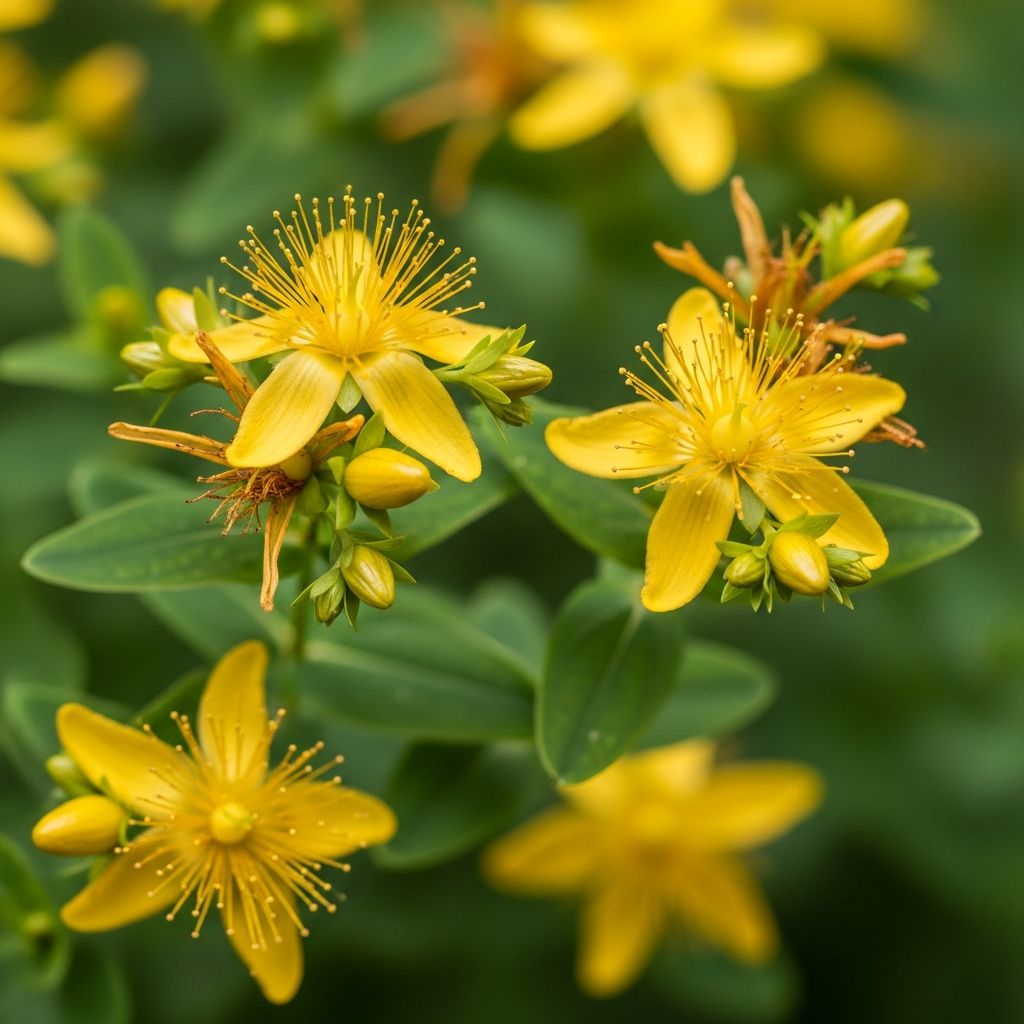
St. John’s Wort, scientifically known as Hypericum perforatum, is a flowering plant that has been used traditionally for centuries in herbal medicine. In recent decades, it has gained significant attention as a potential natural remedy for depression and various other health conditions. This comprehensive guide explores what research tells us about St. John’s Wort’s effectiveness, safety profile, and critical considerations for its use.
What Is St. John’s Wort?
St. John’s Wort is a plant native to Europe, Western Asia, and North Africa that now grows widely throughout North America. The herb gets its name from Saint John the Baptist, as the plant traditionally flowers around his feast day in late June. The flowering tops and leaves of the plant are used to create supplements in various forms, including tablets, capsules, teas, and tinctures. The active compounds in St. John’s Wort are believed to include hypericin and hyperforin, though researchers continue to study which components are responsible for its effects.
Effectiveness for Depression
The most extensively studied use of St. John’s Wort is its potential role in treating depression. Research indicates that St. John’s Wort appears to be more effective than a placebo and as effective as standard antidepressant medications for mild to moderate depression. This finding has made it one of the most researched herbal supplements in the mental health field.
How It Compares to Prescription Antidepressants
Multiple well-designed studies have examined how St. John’s Wort stacks up against conventional antidepressants. For individuals with mild to moderate depression who do not have suicidal ideation, St. John’s Wort may offer comparable benefits to pharmaceutical options. However, it is important to note that the evidence for treating major depression is less robust, and more research is needed to fully understand its effectiveness in severe cases.
Key Research Findings
Clinical trials have provided evidence supporting St. John’s Wort’s use for certain types of depression. The research suggests that the herb may work through mechanisms similar to some conventional antidepressants, though the exact biological pathways are not completely understood. Some studies indicate that St. John’s Wort may increase the availability of neurotransmitters like serotonin, dopamine, and norepinephrine in the brain, similar to how selective serotonin reuptake inhibitors (SSRIs) work.
Other Potential Uses
Beyond depression, St. John’s Wort has been studied for various other health conditions, though the evidence for these uses is generally less compelling.
Researched Conditions
St. John’s Wort has been investigated for several conditions including attention-deficit hyperactivity disorder (ADHD), irritable bowel syndrome (IBS), obsessive-compulsive disorder (OCD), and premenstrual syndrome (PMS). Additionally, researchers have explored its potential as an aid to smoking cessation and as an ingredient in topical preparations for wound healing. However, only a small amount of research has been conducted on each of these purposes, and the evidence has not clearly demonstrated effectiveness.
The herb has also been traditionally claimed to treat skin disorders including psoriasis and to reduce menopausal symptoms. Some proponents have suggested it may benefit HIV infection management because certain compounds in St. John’s Wort inhibit various encapsulated viruses, though this potential benefit is significantly outweighed by serious drug interactions with HIV medications.
Related Stories



Safety and Side Effects
While St. John’s Wort is generally considered to have a favorable safety profile for many users, it is not without risks. Understanding potential side effects is crucial for making informed decisions about supplementation.
Common Side Effects
The most frequently reported side effects of St. John’s Wort are typically mild and may include gastrointestinal symptoms, headache, dizziness, and dry mouth. Some users report fatigue or sexual dysfunction, though these effects are generally less common than gastrointestinal complaints. Photosensitivity, an increased sensitivity to sunlight that can result in severe sunburn, is another documented side effect that users should be aware of, particularly those with fair skin or those taking high doses.
Serious Safety Concerns
More serious safety concerns arise primarily from St. John’s Wort’s significant interactions with numerous medications. The herb can reduce the effectiveness of many prescription drugs or cause dangerous interactions, which makes it essential to discuss supplementation with healthcare providers before beginning use.
Critical Drug Interactions
One of the most important considerations when evaluating St. John’s Wort is its potential to interact with numerous medications. These interactions can significantly impact the effectiveness or safety of prescription drugs.
Medications That Interact with St. John’s Wort
St. John’s Wort interacts with a wide range of medications through several different mechanisms. Notable drug interactions include:
| Drug Category | Specific Medications | Potential Consequence |
|---|---|---|
| Antidepressants | Amitriptyline, Bupropion | Reduced effectiveness or increased side effects |
| Birth Control | Birth control pills | Decreased contraceptive effectiveness, increased pregnancy risk |
| Immunosuppressants | Cyclosporine | Reduced organ transplant rejection prevention |
| Anticonvulsants | Phenytoin, Carbamazepine | Decreased seizure control |
| Cardiac Medications | Digoxin, Ivabradine | Reduced heart medication effectiveness |
| HIV Medications | Indinavir, Nevirapine | Significantly reduced HIV drug effectiveness |
| Cancer Medications | Irinotecan, Imatinib, Docetaxel | Decreased cancer treatment effectiveness |
| Anticoagulants | Warfarin | Reduced blood thinner effectiveness, increased clot risk |
| Cholesterol Medications | Simvastatin and other statins | Decreased cholesterol medication effectiveness |
Mechanism of Interactions
St. John’s Wort’s interactions with medications occur primarily through its effects on drug metabolism pathways, particularly the cytochrome P450 enzyme system in the liver. This means that St. John’s Wort can increase the rate at which many drugs are broken down in the body, reducing their blood levels and effectiveness. This is particularly concerning with medications like birth control pills, where reduced effectiveness could have significant consequences, and with life-critical drugs like HIV medications and anticoagulants.
Special Populations and Considerations
Certain groups of people require special attention when considering St. John’s Wort supplementation.
Pregnancy and Nursing
Limited safety data exists regarding St. John’s Wort use during pregnancy and nursing. Due to this lack of evidence, healthcare providers generally recommend that pregnant or breastfeeding women avoid St. John’s Wort unless specifically directed otherwise by their healthcare provider. The herb may potentially affect fetal development or pass into breast milk in unknown quantities.
Children
Similarly, inadequate safety information is available for St. John’s Wort use in children. Before giving any dietary supplement to a child, it is especially important to consult with healthcare professionals to determine appropriate and safe options for pediatric patients.
Serious Mental Health Conditions
St. John’s Wort may not be appropriate for individuals with severe depression or those experiencing suicidal thoughts. People with major depressive disorder or acute mental health crises should work with mental health professionals who can provide appropriate evidence-based treatments. St. John’s Wort is generally considered suitable only for mild to moderate depression in individuals without suicidal ideation.
Dosage and Forms
St. John’s Wort is available in multiple forms, including tablets, capsules, teas, and liquid extracts. Dosages vary considerably depending on the form and concentration of active ingredients. Standardized extracts typically contain specific percentages of hypericin or hyperforin. Most clinical trials investigating depression used doses ranging from 300 to 900 mg daily, though optimal dosing remains an area of ongoing research. It is crucial to follow label instructions and consult with healthcare providers about appropriate dosing for individual circumstances.
Quality and Standardization Issues
The dietary supplement industry is not as strictly regulated as pharmaceutical medications, which means the quality, purity, and concentration of active ingredients in St. John’s Wort products can vary considerably between manufacturers and even between batches from the same manufacturer. Consumers should look for products from reputable manufacturers that provide standardized extracts with verified potency. Third-party testing can provide additional assurance of product quality and safety.
Recommendations for Use
If considering St. John’s Wort supplementation, several important steps should be taken to ensure safe and appropriate use.
Consult Your Healthcare Provider
The most critical recommendation is to discuss St. John’s Wort with all healthcare providers before beginning use. This includes physicians, psychiatrists, pharmacists, and any other medical professionals involved in your care. Healthcare providers need a complete picture of all supplements being considered to ensure coordinated and safe care. They can assess whether St. John’s Wort is appropriate for your specific situation and can identify potential drug interactions with any medications you are currently taking.
Disclosure of All Supplements
When working with healthcare providers, provide complete information about any complementary or integrative health approaches you use or are considering. This transparency helps ensure that medical professionals can make informed decisions about your treatment and can monitor for any potential adverse effects or interactions.
Monitoring and Follow-up
If you do begin taking St. John’s Wort under medical supervision, maintain regular contact with your healthcare provider to monitor effectiveness and any potential side effects. This is particularly important during the initial weeks of use as your body adjusts to the supplement.
Frequently Asked Questions
Q: Is St. John’s Wort FDA-approved?
A: St. John’s Wort is not FDA-approved as a drug in the United States. It is regulated as a dietary supplement under the Dietary Supplement Health and Education Act (DSHEA), which means it does not undergo the same rigorous testing and approval process as pharmaceutical medications.
Q: Can I take St. John’s Wort with my birth control pills?
A: No, St. John’s Wort can significantly reduce the effectiveness of birth control pills by increasing their metabolism and reducing blood levels. This interaction may increase the risk of unintended pregnancy. Always inform your healthcare provider before taking St. John’s Wort if you use hormonal contraception.
Q: How long does it take for St. John’s Wort to work?
A: St. John’s Wort typically takes 3 to 6 weeks to show effects on depression symptoms, similar to the timeframe for prescription antidepressants. Some people may notice improvements sooner or later. Patience and consistent use are important when evaluating effectiveness.
Q: Can I stop taking St. John’s Wort suddenly?
A: While St. John’s Wort generally does not cause physical dependence like some prescription medications, it is still advisable to discuss discontinuation with your healthcare provider. They can provide guidance on gradually reducing your dose if appropriate.
Q: Does St. John’s Wort interact with all antidepressants?
A: St. John’s Wort can interact with many antidepressants, potentially reducing their effectiveness. It should not be combined with SSRIs, SNRIs, or other conventional antidepressants without explicit medical approval, as this could compromise mental health treatment.
Q: Is St. John’s Wort safe for long-term use?
A: Limited long-term safety data is available for St. John’s Wort. While short-term use appears generally safe for most people, long-term safety has not been extensively studied. Healthcare providers should be consulted about appropriate duration of use.
Conclusion
St. John’s Wort represents an interesting option in the landscape of depression treatment, with research supporting its effectiveness for mild to moderate depression. However, its use must be approached carefully, with full awareness of potential side effects and particularly serious drug interactions. The herb’s ability to significantly affect medication metabolism makes it essential to discuss its use with all healthcare providers before beginning supplementation. For those with severe depression, suicidal ideation, or who are taking multiple medications, conventional antidepressants and professional mental health care remain the recommended first-line treatments. Anyone interested in St. John’s Wort should prioritize open communication with their healthcare team to ensure safe, coordinated, and effective care.
References
- St. John’s Wort and Depression — National Center for Complementary and Integrative Health (NCCIH). 2015-11-30. https://files.nccih.nih.gov/s3fs-public/SJW_and_Depression_11-30-2015.pdf
- St. John’s Wort: Usefulness and Safety — National Center for Complementary and Integrative Health (NCCIH). 2025-05. https://www.nccih.nih.gov/health/st-johns-wort
- Pharmacokinetic Interactions: St. John’s Wort — National Center for Complementary and Integrative Health (NCCIH). https://www.nccih.nih.gov/training/videolectures/14/6
- St. John’s Wort – Special Subjects — MSD Manual Professional Edition. https://www.msdmanuals.com/professional/special-subjects/dietary-supplements/st-john-s-wort
- St. John’s Wort (Hypericum perforatum): A Review of its Potential — American Herbal Pharmacopoeia and Therapeutic Compendium. 2023. https://publishing.emanresearch.org/Journal/abstract/ahi-4110003
Similar Articles








Read full bio of medha deb