Stable Angina: Comprehensive Guide to Symptoms & Treatment
Understand stable angina: symptoms, causes, diagnosis, treatment, and prevention strategies for better heart health management.
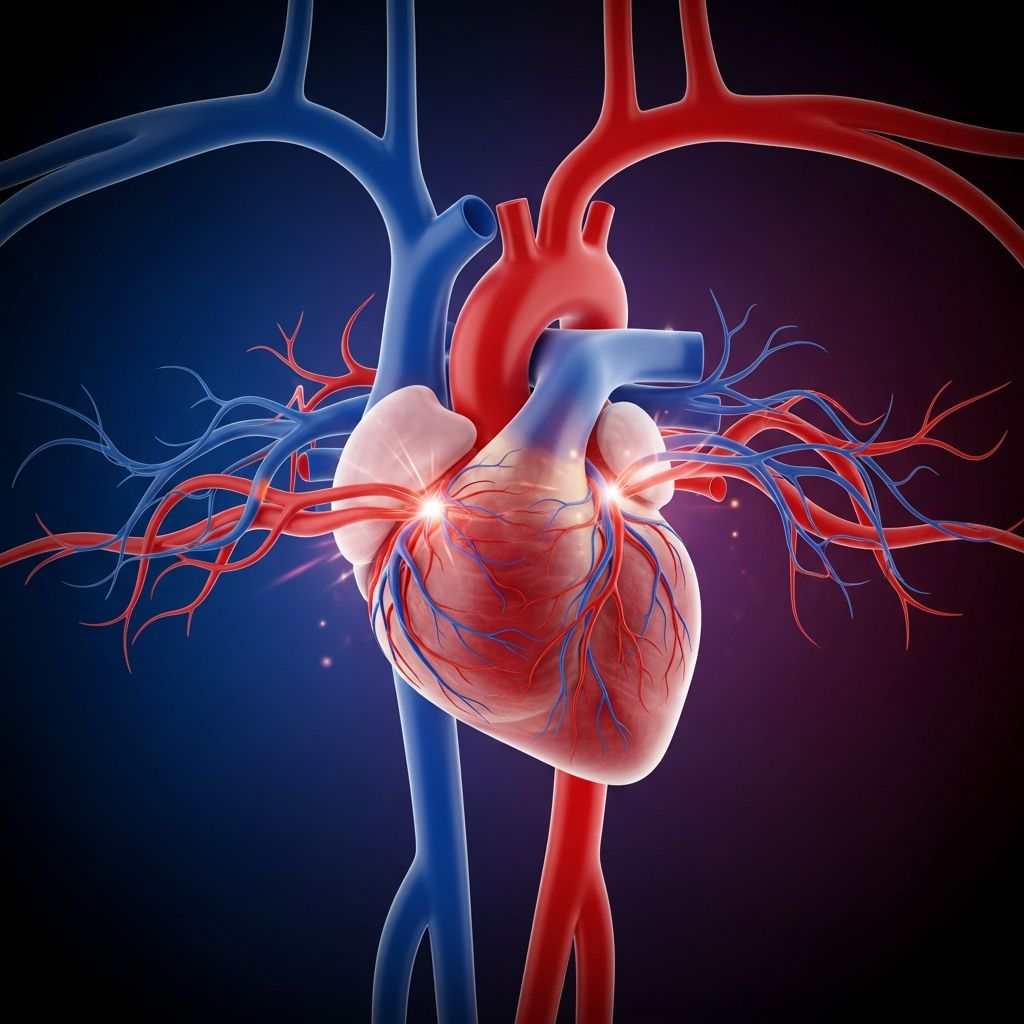
Stable angina is a common form of chest pain or discomfort triggered by physical exertion or emotional stress, resulting from reduced blood flow to the heart muscle due to narrowed coronary arteries. It is the most prevalent type of angina, affecting millions, and is typically predictable, lasting a few minutes, and relieved by rest or medication.
What Is Stable Angina?
Stable angina, also known as stable ischemic heart disease, occurs when the heart’s demand for oxygen exceeds the supply during activity, primarily due to atherosclerosis causing coronary artery stenosis. Unlike unstable angina, symptoms are consistent, provoked by exertion, and resolve quickly with rest or nitroglycerin. This condition signals underlying coronary artery disease (CAD), where plaque buildup narrows arteries, limiting blood flow.
The pathophysiology involves a supply-demand mismatch in myocardial oxygen. Transient ischemia happens when demand rises—via increased heart rate, contractility, or blood pressure—without adequate supply from stenotic vessels. It affects about 10 million people in the U.S., underscoring the need for prompt recognition to prevent progression to myocardial infarction.
Symptoms of Stable Angina
Symptoms are predictable and reproducible, typically occurring during physical activity or stress and subsiding within 5 minutes of rest. Key symptoms include:
- Chest pain or discomfort, often described as pressure, squeezing, fullness, or heaviness behind the breastbone or slightly to the left.
- Pain radiating to the left shoulder, arm, jaw, neck, back, or stomach.
- Shortness of breath, dizziness, nausea, fatigue, or sweating accompanying chest discomfort.
- Sensation mimicking indigestion or gas.
Episodes last 1-15 minutes, peak between 6 a.m. and noon, and do not occur at rest unless provoked. Women and older adults may experience atypical symptoms like fatigue or jaw pain more frequently.
Causes and Risk Factors
Stable angina stems from obstructive CAD, where atherosclerotic plaques narrow epicardial coronary arteries by at least 50-70%, reducing perfusion during stress. Other contributors include coronary spasm or microvascular dysfunction in ischemia with non-obstructive coronary arteries (INOCA).
Major risk factors mirror those for CAD:
- Atherosclerosis: Primary cause via plaque buildup.
- Modifiable risks: Smoking, hypertension, high cholesterol, diabetes, obesity, sedentary lifestyle, poor diet.
- Non-modifiable: Age (men >45, women >55), family history, male sex.
- Triggers: Exertion, cold weather, heavy meals, emotional stress, smoking.
Risk scores like SCORE2 help stratify patients.
Diagnosis
Diagnosing stable angina requires distinguishing it from unstable angina or non-cardiac causes via history, exam, ECG, and further tests. Stable symptoms are exertional, relieved quickly, without rest pain or progression.
Initial Evaluation:
- ECG: Often normal at rest; may show prior infarction but not active ischemia.
- Labs: Lipid panel, HbA1c, troponin (normal), CBC, metabolic panel for risk stratification.
- Chest X-ray: Rules out pulmonary causes.
Confirmatory Tests:
| Test | Purpose | Details |
|---|---|---|
| Stress Testing (Exercise ECG, Echo, Nuclear) | Provoke ischemia safely | Detects ST changes, wall motion abnormalities; gold standard for stable symptoms. |
| Coronary CT Angiography (CCTA) | Non-invasive anatomy | Visualizes stenosis; useful in low-risk patients. |
| Invasive Angiography | Definitive | Gold standard; measures fractional flow reserve (FFR). |
| CMR/ PET | Functional assessment | For microvascular disease or INOCA. |
Related Stories



Key differentiators: stable vs. unstable, obstructive vs. non-obstructive CAD.
Treatment
Treatment follows three pillars: lifestyle, optimal medical therapy (OMT), and revascularization if needed. Goals: symptom relief, event prevention, quality of life improvement.
Lifestyle Modifications (First-Line)
- Smoking cessation: Reduces risk dramatically.
- Diet: Mediterranean-style, low saturated fat, high fruits/veggies.
- Exercise: 150 min/week moderate aerobic + resistance.
- Weight management, stress reduction, limit alcohol.
Medications
- Anti-ischemic: Beta-blockers (first-line: reduce HR/BP), nitrates (short-acting for relief, long-acting prophylaxis), calcium channel blockers, ranolazine (add-on).
- Preventive: Statins (LDL <70 mg/dL), ACEI/ARBs (HTN, DM, HF), antiplatelets (aspirin 75-100 mg).
Revascularization
PCI or CABG for refractory symptoms, high-risk anatomy (left main, proximal LAD, 3-vessel), despite OMT.
Complications
Progression to unstable angina, acute coronary syndrome, or MI is the chief risk; routine monitoring mitigates this. Other: arrhythmias, HF. Risk factor control is crucial.
Prevention
Primary prevention targets CAD risks: smoking cessation, BP/cholesterol/DM control, healthy lifestyle. Secondary: OMT adherence, cardiac rehab. Public education on symptoms saves lives.
When to See a Doctor
Seek immediate care for new/worsening chest pain, rest angina, prolonged episodes, or associated syncope/dyspnea—may signal unstable angina. Routine follow-up for stable cases.
Frequently Asked Questions (FAQs)
What triggers stable angina?
Physical exertion, emotional stress, cold weather, heavy meals, smoking.
How is stable angina different from a heart attack?
Stable angina is transient, predictable, relieved by rest/meds; MI involves infarction, elevated troponins, persistent pain.
Can stable angina be cured?
Not cured, but managed effectively with lifestyle, meds, procedures to prevent progression.
Is surgery always needed?
No; most respond to meds/lifestyle; revascularization for refractory/high-risk cases.
How do I track symptoms?
Use an angina log noting triggers, duration, relief.
References
- Diagnosing and treating stable angina: a contemporary review — Taylor & Francis. 2025. https://www.tandfonline.com/doi/full/10.1080/14796678.2025.2479970
- Stable Angina — American Heart Association. 2023-10-13. https://www.heart.org/en/health-topics/heart-attack/angina-chest-pain/angina-pectoris-stable-angina
- Stable Angina – StatPearls — NCBI Bookshelf. 2023-08-08. https://www.ncbi.nlm.nih.gov/books/NBK559016/
- Stable angina — MedlinePlus. 2023-09-18. https://medlineplus.gov/ency/article/000198.htm
Similar Articles








Read full bio of Sneha Tete