Stage 3 Chronic Kidney Disease: Understanding and Managing CKD
Complete guide to Stage 3 CKD: symptoms, treatment, and strategies for managing kidney health.
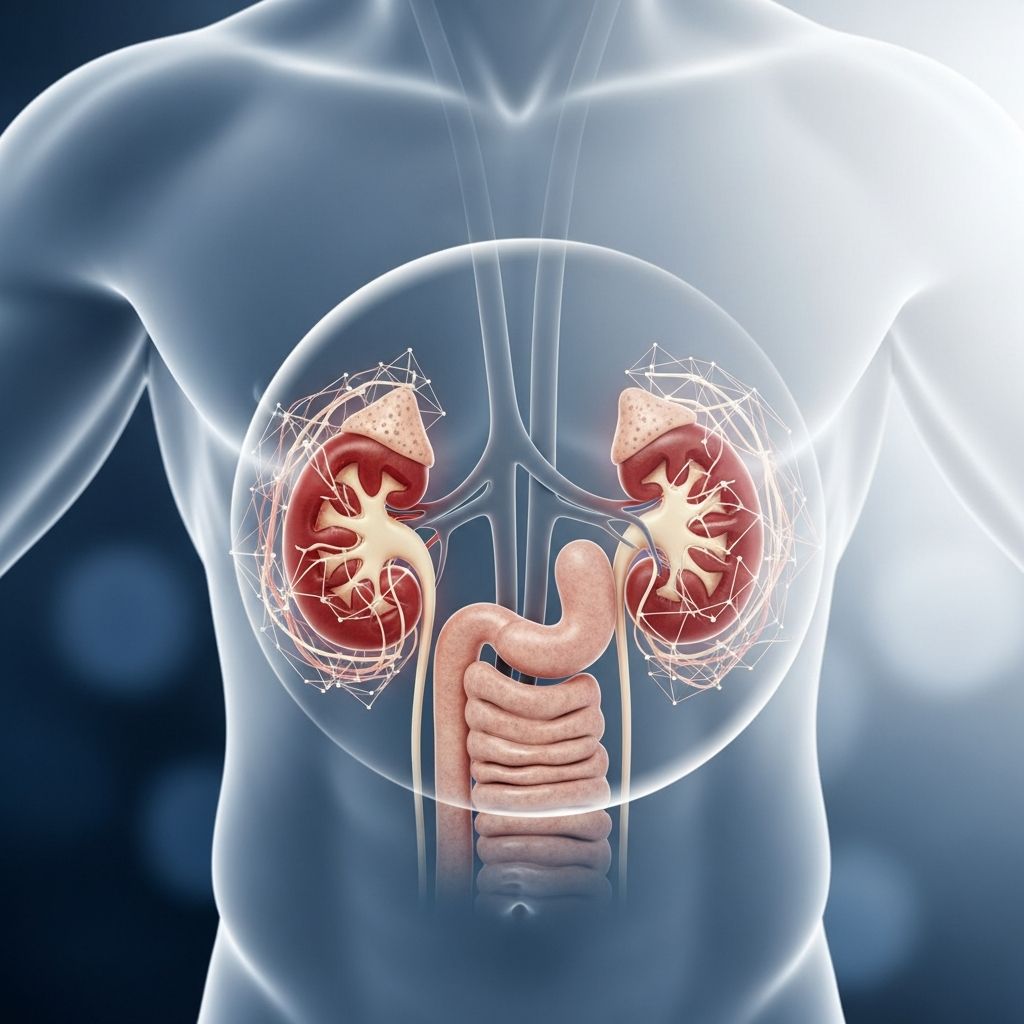
Understanding Stage 3 Chronic Kidney Disease
Stage 3 chronic kidney disease (CKD) indicates that your kidneys are moderately damaged and not functioning optimally. During this stage, your kidneys filter blood less effectively, allowing waste products to accumulate in your body. However, stage 3 CKD is not a death sentence—with proper management and lifestyle modifications, many people successfully control their condition and maintain quality of life for years.
CKD is classified into five stages based on kidney function, measured by estimated glomerular filtration rate (eGFR). Stage 3 is further divided into two sub-stages: stage 3a (eGFR 45-59%) and stage 3b (eGFR 30-44%). This distinction helps healthcare providers assess disease severity and determine appropriate intervention strategies.
The Two Sub-Stages of Stage 3 CKD
Understanding the distinction between stage 3a and 3b is crucial for appropriate disease management:
- Stage 3a CKD: Your kidneys are working at 45-59% capacity. This stage represents mild to moderate kidney function loss, and the risk of complications remains relatively low, though vigilance is necessary.
- Stage 3b CKD: Your kidneys are functioning at 30-44% capacity. This sub-stage indicates more significant kidney damage and increases the risk of progression to advanced stages.
Both sub-stages require careful monitoring and proactive management to prevent further deterioration and reduce the risk of cardiovascular complications.
Recognizing the Symptoms of Stage 3 CKD
Many people with stage 3 kidney disease begin noticing symptoms as waste products accumulate in the bloodstream. It’s important to recognize these early warning signs:
- Fatigue and weakness, often disproportionate to activity level
- Swelling in hands, feet, or ankles (edema)
- Back pain near the kidneys
- More frequent urination, particularly at night (nocturia)
- High blood pressure or worsening hypertension
- Sleep disturbances or insomnia
- Changes in urine appearance, including foamy or discolored urine
- Persistent nausea or metallic taste in mouth
- Difficulty concentrating or mental fog
Not everyone experiences all these symptoms, and some individuals may have no noticeable symptoms at stage 3. This is why regular blood and urine testing is essential for early detection.
Health Risks Associated with Stage 3a CKD
Even at stage 3a, when kidney function loss is mild to moderate, several health risks emerge:
- CKD Progression: You face an increased risk of your kidney disease worsening and advancing to later stages.
- Cardiovascular Disease: Kidney disease and heart disease are closely linked. People with stage 3a CKD have elevated risk for heart disease, even if their urine albumin-to-creatinine ratio (uACR) is lower than 30.
- Early Complications: While the risk remains low at this stage, complications can begin to emerge, including anemia, mineral and bone disorder, and metabolic acidosis.
The relationship between kidney function and cardiovascular risk is particularly important: as your uACR number increases, your risks for both heart disease and CKD progression increase dramatically.
Related Stories



Possible Complications of Stage 3 CKD
Stage 3 CKD can lead to several complications that require management:
- Anemia: Low levels of red blood cells can cause fatigue and shortness of breath. This occurs because damaged kidneys produce less erythropoietin, a hormone that stimulates red blood cell production.
- Mineral and Bone Disorder: Imbalances in blood levels of calcium and phosphorus can lead to bone disease and increase cardiovascular risk.
- Metabolic Acidosis: Buildup of acid in the blood occurs when kidneys cannot adequately regulate acid-base balance.
- High Blood Pressure: Kidney disease and hypertension create a harmful cycle, each worsening the other.
Early recognition and treatment of these complications are essential to prevent further kidney damage and associated health problems.
Treatment Options for Stage 3 CKD
The good news is that stage 3 CKD can often be managed effectively. While CKD is generally not reversible, treatment focuses on slowing progression and addressing underlying conditions that accelerate kidney damage.
Managing Underlying Conditions
Controlling conditions that damage your kidneys is a primary treatment strategy:
- Diabetes Management: If you have diabetes, controlling blood sugar levels is critical, as high glucose damages kidney structures over time.
- Blood Pressure Control: Taking prescribed blood pressure medications is essential. High blood pressure accelerates kidney damage, making control paramount.
- Treatment of Other Health Issues: Address any other conditions affecting kidney function, such as heart disease or autoimmune disorders.
Lifestyle Modifications
Lifestyle changes are fundamental to slowing CKD progression:
- Maintain regular physical activity with doctor approval (typically 150 minutes of moderate exercise weekly)
- Quit smoking, as smoking accelerates kidney disease progression
- Limit alcohol consumption to recommended levels
- Maintain a healthy body weight through balanced nutrition
- Avoid nonsteroidal anti-inflammatory drugs (NSAIDs) like ibuprofen when possible, as they can further damage kidneys
- Manage stress through relaxation techniques and mental health support
Dietary Management
At stage 3 CKD, dietary modifications play a vital role in slowing disease progression. The kidneys still function sufficiently to remove fluid, potassium, and a moderate amount of waste, but dietary adjustments help reduce the workload on damaged kidneys:
- Monitor sodium (salt) intake to help control blood pressure
- Manage protein consumption as directed by your renal dietitian
- Limit phosphorus-rich foods to prevent mineral imbalances
- Control potassium intake if levels are elevated
- Stay hydrated appropriately—fluid restriction is not typically necessary unless you experience fluid retention
Watch for symptoms of fluid retention, including sudden weight gain, shortness of breath, and swelling in feet, hands, and face. These signs may indicate declining kidney function and warrant immediate medical attention.
Can Stage 3 CKD Be Reversed?
Complete reversal of stage 3 CKD is rare, but the progression can often be slowed or stabilized with proper care. Some patients even experience modest improvements in kidney function through aggressive management of underlying conditions and lifestyle modifications. The key is catching and treating stage 3 CKD early, before severe damage occurs.
Research demonstrates that early intervention—including blood pressure control, diabetes management, and lifestyle changes—can significantly slow disease progression and delay or prevent advancement to end-stage kidney disease requiring dialysis.
When to See a Nephrologist
While current practice guidelines recommend nephrology referral when CKD reaches stage 4, emerging research suggests that certain patients with stage 3 CKD may benefit from earlier specialist intervention. You should consider nephrologist referral when:
- Your eGFR drops below 45 (advancing toward stage 3b or beyond)
- Your kidney function declines rapidly over a short period
- Complications such as anemia or mineral and bone disorder develop
- You have multiple comorbidities (diabetes, heart disease, hypertension) alongside CKD
- You are experiencing symptoms or have concerns about disease progression
A subset of stage 3 CKD patients with comorbidities experience disease progression patterns similar to stage 4 patients, suggesting that earlier nephrology intervention could improve outcomes and reduce healthcare costs.
Living Well with Stage 3 CKD
Having stage 3 kidney disease doesn’t mean you cannot live a full, productive life. Many people successfully manage their condition by incorporating these strategies into daily routines:
- Take all medications as prescribed, without skipping doses
- Keep all scheduled doctor appointments and lab tests
- Follow dietary guidelines established with your renal dietitian
- Maintain regular physical activity appropriate to your condition
- Monitor blood pressure at home daily
- Obtain regular lab tests (typically every 3-6 months)
- Join a kidney disease support group for emotional and practical support
- Educate yourself continuously about kidney health and disease management
- Communicate openly with your healthcare team about concerns and symptoms
Preventing Progression to Advanced Stages
The ultimate goal of stage 3 CKD management is preventing progression to stage 4 or 5 kidney disease. Several strategies are particularly effective:
- Tight Blood Pressure Control: Target blood pressure below 130/80 mmHg if tolerated.
- Glycemic Control: If diabetic, maintain HbA1c levels as recommended by your physician.
- Proteinuria Reduction: Lowering protein in urine through medication (ACE inhibitors or ARBs) and diet slows progression significantly.
- Smoking Cessation: Smoking dramatically accelerates CKD progression.
- Cardiovascular Risk Management: Control cholesterol and other cardiovascular risk factors.
Frequently Asked Questions (FAQs)
Q: Is Stage 3 CKD considered kidney failure?
A: No. Stage 3 CKD represents moderate kidney damage, but your kidneys are still functioning. Kidney failure typically refers to stage 4-5 CKD, particularly stage 5 (end-stage renal disease) which may require dialysis or transplantation.
Q: How quickly does Stage 3 CKD progress to later stages?
A: Progression varies significantly among individuals. Some people remain stable at stage 3 for many years, while others progress more rapidly. Those with diabetes, high blood pressure, or multiple comorbidities tend to progress faster. Regular monitoring helps predict individual progression rates.
Q: What foods should I avoid with Stage 3 CKD?
A: Work with a renal dietitian to determine your specific restrictions. Generally, avoid high-sodium foods, limit potassium-rich foods (if levels are elevated), and control phosphorus intake. Specific restrictions depend on your lab values and kidney function level.
Q: Can I exercise with Stage 3 CKD?
A: Yes, regular physical activity is beneficial for stage 3 CKD management. However, consult your doctor before starting new exercise programs, especially vigorous activity. Most people with stage 3 CKD can engage in moderate exercise like walking, swimming, or cycling.
Q: Will I eventually need dialysis?
A: Not necessarily. Many people with stage 3 CKD never progress to dialysis with appropriate management. Only a small proportion of CKD cases progress to end-stage kidney disease. Early intervention and lifestyle modifications significantly reduce this risk.
Q: How often should I have lab tests?
A: Most people with stage 3 CKD require lab testing every 3-6 months to monitor eGFR, creatinine, and other kidney function markers. Your nephrologist or primary care provider will recommend the appropriate testing frequency based on your individual situation.
The Bottom Line on Stage 3 CKD
Stage 3 chronic kidney disease represents a critical point in kidney health where intervention is highly effective. While it indicates moderate kidney damage has occurred, it’s not too late to take meaningful action. With proper medical care, consistent lifestyle modifications, regular monitoring, and early detection of complications, many people successfully manage stage 3 CKD for years while maintaining excellent quality of life. The key is working closely with your healthcare team, staying informed, and committing to the daily habits that protect your remaining kidney function.
References
- Understanding Chronic Kidney Disease Stage 3: What You Need to Know — Quality Insights. 2024. https://www.qualityinsights.org/quality-quest/understanding-chronic-kidney-disease-stage-3-what-you-need-to-know
- Identifying Chronic Kidney Disease Stage 3 With Excess Disease Burden — American Journal of Managed Care. 2024. https://www.ajmc.com/view/identifying-chronic-kidney-disease-stage-3-with-excess-disease-burden
- Diet and Nutrition Goals for People with Stage 3 Chronic Kidney Disease — DaVita Kidney Care. 2024. https://davita.com/diet-nutrition/articles/diet-and-nutrition-goals-for-people-with-stage-3-chronic-kidney-disease/
- Stage 3a Chronic Kidney Disease (CKD) — National Kidney Foundation. 2024. https://www.kidney.org/kidney-topics/stage-3a-chronic-kidney-disease-ckd
Similar Articles








Read full bio of medha deb