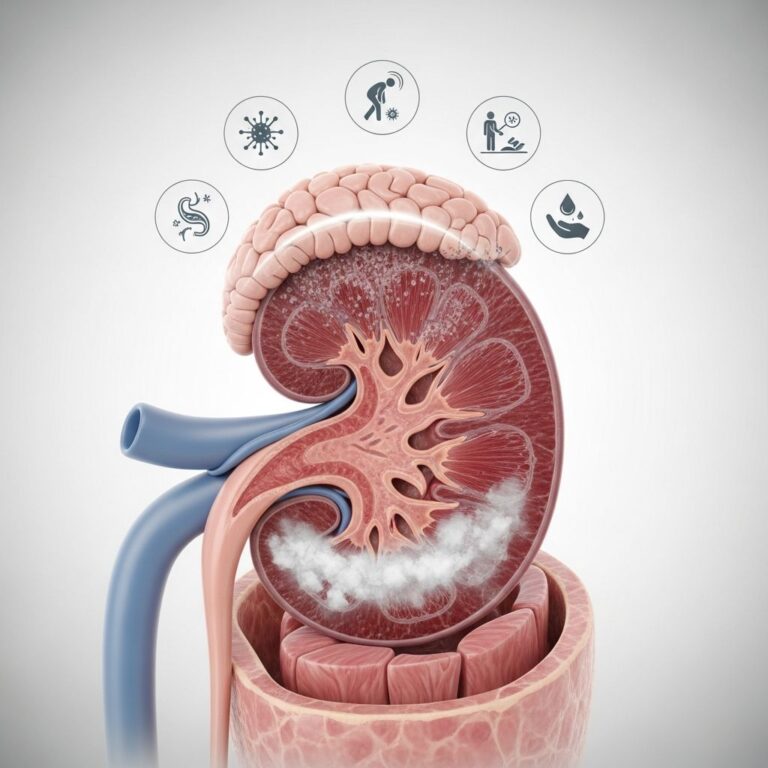
Stage 4 Kidney Disease: Management and Care Guide
Comprehensive guide to managing stage 4 kidney disease and slowing disease progression.

Understanding Stage 4 Kidney Disease
If you have recently been diagnosed with stage 4 kidney disease, you are facing a serious health condition that requires immediate medical attention and comprehensive management. Stage 4 chronic kidney disease (CKD) indicates that your kidneys have suffered severe damage and are functioning at significantly reduced capacity. However, with proper medical care, lifestyle modifications, and adherence to treatment plans, many people successfully maintain their quality of life and potentially slow the progression of their disease.
What Exactly Is Stage 4 Kidney Disease?
Stage 4 kidney disease occurs when your kidneys are severely damaged and functioning at only 15-29% of their normal capacity. At this advanced stage, your kidneys can no longer filter waste products effectively, causing these harmful substances to accumulate in your bloodstream. This buildup leads to more noticeable symptoms and increasingly serious health complications.
Doctors use a specific measurement called the estimated glomerular filtration rate (eGFR) to determine kidney function. In stage 4 kidney disease, your eGFR falls between 15-29 ml/min/1.73m², which is substantially lower than the 90 or higher reading found in people with healthy kidney function. This dramatic decrease in filtering ability distinguishes stage 4 from earlier stages, where kidney function loss is less severe.
To understand the progression of kidney disease, it’s important to know that chronic kidney disease progresses through five stages. Stages 1 and 2 represent the mildest forms, where kidneys are damaged but retain most of their function. Stage 3 involves the loss of approximately half of kidney function. Stage 4 represents severe kidney damage with critically reduced function, while stage 5 is complete kidney failure, requiring dialysis or transplantation to sustain life.
Recognizing Symptoms of Stage 4 Kidney Disease
As kidney function declines to stage 4, symptoms typically become increasingly noticeable and bothersome. Many patients experience multiple symptoms simultaneously, which can significantly impact daily life and overall well-being.
Common symptoms include:
- Severe fatigue and general weakness throughout the day
- Persistent nausea or vomiting, particularly after eating
- Loss of appetite and reduced desire to eat
- Trouble sleeping or insomnia
- Changes in urination patterns, including frequency and volume
- Visible swelling in hands, feet, ankles, or face caused by fluid retention
- Muscle cramps and involuntary twitches
- Itchy skin that may become severe and difficult to manage
- Shortness of breath, even during light activity
- Bad taste in mouth or persistent metallic taste
- Confusion or difficulty concentrating
If you experience any combination of these symptoms, it is crucial to contact your healthcare provider promptly. While some symptoms may seem minor individually, their presence together indicates that your kidneys are struggling to maintain proper function.
Serious Health Complications Associated With Stage 4 Kidney Disease
Stage 4 kidney disease frequently leads to multiple serious health complications that require active management and treatment. Understanding these potential complications helps you work more effectively with your healthcare team to prevent or minimize their impact.
Major complications include:
- High blood pressure: Difficult to control and requiring multiple medications to manage effectively
- Anemia: A low red blood cell count that causes additional fatigue and weakness
- Bone disease: Mineral imbalances that weaken bones and increase fracture risk
- Heart problems: Including potential heart failure and increased cardiovascular risk
- Fluid buildup: Accumulation of excess fluid in lungs and other tissues, causing breathing difficulties
- Elevated potassium levels: A dangerous condition that can affect heart rhythm and function
- Metabolic acidosis: Excessive acid accumulation in the body affecting multiple organ systems
Related Stories



It is important to note that most people with kidney disease do not die from kidney failure itself. Instead, they are more likely to die from heart disease and cardiovascular complications. This underscores the critical importance of managing blood pressure, maintaining heart health, and treating anemia aggressively in stage 4 kidney disease.
Diagnostic Testing for Stage 4 Kidney Disease
Confirming a diagnosis of stage 4 kidney disease involves several types of medical tests that provide your doctor with comprehensive information about your kidney function and overall health status.
Diagnostic tests typically include:
- Blood tests measuring kidney function (eGFR, creatinine, and BUN)
- Urine tests checking for protein and other abnormalities
- Imaging tests such as ultrasound or CT scans
- Additional tests to identify underlying causes of kidney disease
These tests help your healthcare team understand the extent of kidney damage, identify any complications that have developed, and determine the underlying cause of your kidney disease, whether it is diabetes, high blood pressure, glomerulonephritis, or another condition.
Treatment Approaches for Stage 4 Kidney Disease
While stage 4 kidney disease cannot be reversed, the primary goal of treatment is to slow disease progression and effectively manage complications that develop. A comprehensive treatment plan typically combines medical management, dietary modifications, and lifestyle changes.
Medical Management
Your healthcare provider will likely prescribe medications to address specific problems and slow kidney function decline. These may include:
- Blood pressure medications, particularly ACE inhibitors or ARBs, which help protect remaining kidney function
- Medications to control phosphorus levels and prevent mineral imbalances
- Vitamin D supplements to support bone health
- Erythropoietin (ESA) or iron supplements to treat anemia
- Sodium bicarbonate to address metabolic acidosis
- Diuretics to reduce excess fluid buildup
Dietary Modifications
Working with a renal dietitian is essential for managing stage 4 kidney disease effectively. A specialized kidney disease diet focuses on:
- Limiting protein intake carefully, as excessive protein increases kidney workload
- Restricting sodium, potassium, and phosphorus to prevent complications
- Controlling fluid intake to prevent excess fluid accumulation
- Following a heart-healthy diet rich in appropriate nutrients
- Taking special renal vitamins as prescribed
Your renal dietitian will create a personalized meal plan based on your specific lab values, medications, and overall health status. This individualized approach is crucial because nutritional needs vary significantly among patients with stage 4 kidney disease.
Lifestyle Modifications
Adopting healthy lifestyle habits significantly impacts disease progression and overall health outcomes:
- Avoiding smoking and alcohol, which can accelerate kidney damage
- Getting appropriate exercise approved by your doctor to maintain strength and cardiovascular health
- Managing stress through relaxation techniques and mental health support
- Getting adequate rest and sleep to support healing
- Avoiding NSAIDs and other kidney-damaging medications without medical consultation
Preparing for Possible Kidney Failure
At stage 4, it is essential to begin planning for the possibility that your kidneys may eventually fail and progress to stage 5. This proactive approach ensures you are prepared with options and has time to make informed decisions about your future care.
Learning About Treatment Options
Understanding your treatment options before kidney failure occurs allows you to make well-informed decisions aligned with your values and lifestyle. The main treatment options include:
- Hemodialysis: In-center treatment three times weekly or home-based dialysis for greater flexibility
- Peritoneal dialysis: Home-based treatment using the abdominal lining to filter blood
- Kidney transplantation: Receiving a kidney from a deceased or living donor
- Conservative management: Non-dialysis care focused on symptom management and quality of life
Planning for Vascular Access
If hemodialysis is a possibility, your doctor may recommend creating an access site in advance. This allows time for proper healing before dialysis becomes necessary. Options include an arteriovenous (AV) fistula or graft for hemodialysis, or placement of a peritoneal dialysis catheter for those choosing that modality.
Transplant Evaluation
If kidney transplantation interests you, begin the evaluation process during stage 4. This includes getting on the transplant waiting list, exploring living donor options, and completing necessary medical evaluations to determine if you are a suitable candidate.
Living Well With Stage 4 Kidney Disease
Despite the challenges of stage 4 kidney disease, many people maintain good quality of life by following these important practices:
- Taking all medications exactly as prescribed without skipping doses
- Keeping all medical appointments to monitor disease progression
- Following dietary guidelines closely with support from your renal dietitian
- Monitoring blood pressure regularly and keeping records for your healthcare team
- Managing other health conditions like diabetes diligently
- Joining kidney disease support groups for emotional support and practical advice
- Staying mentally active through hobbies and cognitive activities
- Maintaining important social connections with family and friends
When to Contact Your Healthcare Provider
Certain symptoms or changes warrant immediate medical attention. Contact your doctor immediately if you experience:
- Severe shortness of breath or difficulty breathing
- Chest pain or pressure
- Significant increase in swelling in any body part
- Severe nausea or vomiting preventing you from eating or taking medications
- Confusion or extreme fatigue that prevents normal activities
- Inability to keep medications down due to vomiting
Your Healthcare Team
At stage 4 kidney disease, you benefit from a multidisciplinary care team with various specialists working together to manage your condition comprehensively. Your team typically includes:
- Nephrologist: A kidney disease specialist who manages your overall kidney care
- Primary care doctor: Coordinates overall health management and monitors comorbidities
- Renal dietitian: Provides specialized nutritional guidance tailored to kidney disease
- Nurse coordinator: Helps coordinate care and provides patient education
- Social worker: Assists with practical concerns and emotional support
- Other specialists: Such as cardiologists or endocrinologists, as needed for managing complications
Frequently Asked Questions About Stage 4 Kidney Disease
Q: Can stage 4 kidney disease be reversed?
A: No, stage 4 kidney disease cannot be reversed. However, with proper treatment and lifestyle modifications, disease progression can be slowed, and in some cases, stabilized, allowing you to maintain kidney function for longer periods.
Q: How long can someone live with stage 4 kidney disease?
A: The duration varies greatly depending on individual factors, adherence to treatment, management of complications, and underlying causes. Many people live with stage 4 kidney disease for several years with proper care before progressing to kidney failure.
Q: Is kidney transplantation always possible for stage 4 patients?
A: Not all patients are candidates for transplantation due to age, overall health status, or other medical conditions. However, beginning evaluation during stage 4 allows time to explore this option thoroughly.
Q: What dietary restrictions are most important in stage 4 kidney disease?
A: Sodium, potassium, and phosphorus restrictions are typically most important, along with careful protein management. Your renal dietitian will prioritize these based on your specific lab values.
Q: Can I continue working with stage 4 kidney disease?
A: Many people continue working with stage 4 kidney disease, depending on their job type and symptom severity. Discuss work limitations and accommodations with your healthcare team.
References
- Living with Stage 4 Kidney Disease: What Patients Need to Know — Quality Insights. 2025. https://www.qualityinsights.org/quality-quest/living-with-stage-4-kidney-disease-what-patients-need-to-know
- Key Points: Living With Stage 4 Kidney Disease — National Kidney Foundation. 2025. https://www.kidney.org/key-points-living-stage-4-kidney-disease
Similar Articles








Read full bio of Sneha Tete