The Stages of Puberty for Girls: A Complete Guide
Understanding the five stages of puberty in girls: physical changes, timeline, and what to expect.
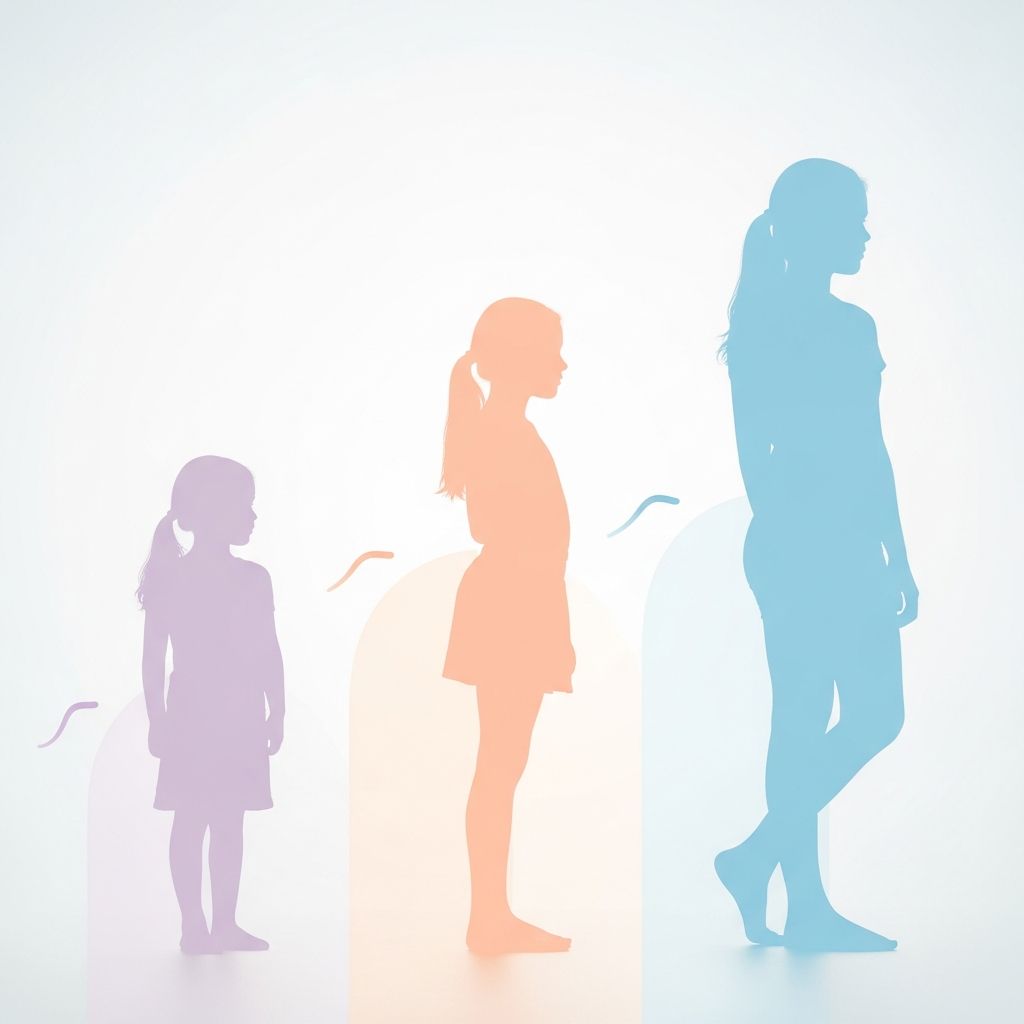
Puberty is a transformative period during which a child’s body undergoes remarkable physical, hormonal, and emotional changes to mature into an adult capable of sexual reproduction. For girls, this journey typically unfolds between the ages of 8 and 13, though the exact timing varies widely from individual to individual. Understanding the stages of puberty can help parents, guardians, and adolescents themselves navigate this important developmental phase with confidence and knowledge.
The progression of puberty in girls is commonly described using the Tanner Stages, a five-stage classification system that tracks the development of secondary sexual characteristics. These stages provide a general framework for understanding what changes to expect and when, though it’s crucial to remember that every child develops at their own unique pace. This comprehensive guide explores each stage in detail, helping you understand what your daughter may experience during her journey through puberty.
When Does Puberty Begin in Girls?
Puberty in girls typically begins between the ages of 8 and 13 years old, occurring approximately two years earlier than in boys. On average, girls begin puberty around age 10.5 and complete the process by ages 15 to 17. However, there is significant variation in the timing of puberty onset among different populations. Research shows that Black and Hispanic girls tend to start puberty earlier, sometimes as early as age 7.5, compared to white girls who typically begin around age 8.
It’s important to recognize that there is a wide range of what constitutes “normal” when it comes to puberty timing and progression. Some girls may begin earlier or later than average, and this variation is typically completely healthy. The Tanner Stages function as a general guide rather than a strict rule, and healthcare providers use them to assess whether a child’s development is proceeding within an appropriate range for their age.
Understanding the Hormonal Changes
Before visible physical changes appear, significant hormonal activity is occurring within your daughter’s body. The process begins when the brain’s hypothalamus starts releasing pulses of gonadotropin-releasing hormone (GnRH). This triggers the anterior pituitary gland to secrete luteinizing hormone (LH) and follicle-stimulating hormone (FSH) into the bloodstream. These messenger hormones travel to the ovaries, causing them to begin producing and releasing estrogen and progesterone.
These sex hormones are responsible for the telltale physical signs of puberty. Rising levels of estrogen trigger breast development and the growth of pubic and underarm hair, while also contributing to changes in body composition, including hip widening and fat redistribution. Interestingly, the onset of this neurohormonal process may precede the first visible physical body changes by one to two years, which explains why internal development begins before external signs become apparent.
The Five Stages of Puberty for Girls
Stage 1: Prepubertal Stage
Stage 1 represents the prepubertal period, during which girls have not yet experienced any visible physical changes associated with puberty. While there are no external signs of development, significant internal changes are occurring. During this stage, the adrenal glands are maturing and the ovaries are beginning to grow in size. These internal developments lay the foundation for the physical changes that will become apparent in subsequent stages. Most girls remain in Stage 1 until approximately age 8, though this can vary.
Related Stories



Stage 2: Early Breast and Pubic Hair Development
Stage 2 is when physical changes become noticeable. Between the ages of 8 and 13, girls typically experience the first visible signs of puberty, which may include:
- Budding of the breasts and enlargement of the areolas (the pigmented area surrounding the nipple)
- Scant pubic hair appearing along the labia
- An increase in height
- Development of underarm hair
- Body odor and increased perspiration
Breast development, also called thelarche, is typically the first noticeable sign of puberty in girls, usually occurring around age 9 or 10. It often begins with a firm, tender lump under the center of the areola of one or both breasts. Girls may also notice the first few pubic hairs appearing, referred to as pubarche, usually within a few months of breast development beginning. These early changes can be subtle and may cause some girls to feel self-conscious, making it an important time for open communication with trusted adults.
Stage 3: Acceleration of Physical Changes
During Stage 3, occurring between ages 9 and 14, physical changes accelerate noticeably. Girls typically experience:
- Continued breast growth and development
- Increased amount and coarser texture of pubic hair
- Widening of the hips
- Increased height and weight gain
- More noticeable body odor
- Possible acne development
During this stage, the breast tissue continues to soften and swell, extending beyond the edges of the areolae within 6 to 12 months after Stage 2 begins. The pubic hair becomes too numerous to count and appears not only along the labia but also on the pubic mound. Many girls experience accelerated growth during this stage, sometimes gaining several inches in height over a single year, which can occasionally feel awkward as different parts of the body grow at different rates.
Stage 4: Full Stride of Puberty
Stage 4, occurring between ages 10 and 15, is when puberty reaches full stride. The most significant development during this stage is the onset of menstruation. Girls typically experience the following:
- Menstruation (periods) beginning, typically around age 12
- Further breast development and growth
- Continued pubic hair growth
- Body reaching near-adult size and shape
- Continued skin changes and possible acne
Menstruation, also known as menarche, is a landmark event in female puberty and usually begins approximately two years after breast development starts or after pubic hair begins to grow. The age at which girls begin menstruating often mirrors the age their biological mothers and sisters started their periods, suggesting a genetic component to this timing. However, some girls begin earlier or later than age 12, and this variation is entirely normal. If periods have not started within three years after the beginning of puberty, it’s advisable to consult with a healthcare provider.
Stage 5: Physical Maturity
Stage 5 represents the final phase of puberty, during which development typically ends and girls reach physical adulthood. During this stage, which usually occurs by ages 15 to 17, the following characteristics become apparent:
- Breasts reaching full adult size and shape
- Pubic hair extending out to the thighs
- Possible line of hair extending up to the belly button
- Body reaching full adult height
- Regular menstrual cycles becoming established
Most girls reach their peak height by age 16, though some may continue growing through age 20. It’s important to note that pubic hair development varies significantly among individuals, and some girls may never reach the full extent of Stage 5 pubic hair development, which is completely normal for them. The diversity in development patterns among girls who have completed puberty is entirely normal and healthy.
Emotional and Psychological Changes During Puberty
While physical changes are the most visible aspect of puberty, the emotional and psychological changes are equally significant. Puberty brings about mood swings, increased self-consciousness, and heightened emotional sensitivity as girls navigate their changing bodies and identities. These emotional shifts are driven by hormonal changes and are a normal part of development.
Girls may experience increased anxiety about their appearance, peer relationships, and how they fit in with their social groups. The physical changes of puberty—such as breast enlargement, widened hips, acne, and growth spurts—can cause adolescents to worry about being different from their peers. Additionally, early-maturing girls may face unique social challenges, as they develop relationships with older individuals and may experience increased pressure regarding romantic and sexual matters.
It’s crucial for parents and guardians to recognize these emotional changes alongside the physical ones and to maintain open, non-judgmental communication with their daughters during this time. If serious emotional or behavioral problems arise—including signs of anxiety, depression, extreme mood swings, or aggression—it’s important for the child to see a healthcare provider, who may recommend psychotherapy and/or medication if appropriate.
How Parents Can Support Their Daughters
Supporting your daughter through puberty involves several key approaches. First, maintain open and honest communication about what to expect physically and emotionally. Answer questions matter-of-factly and without embarrassment, which helps normalize the changes occurring in her body.
Second, provide practical items your daughter may need, such as deodorant, training bras, and menstrual products. Having these items readily available sends the message that these changes are normal and expected.
Third, validate her feelings and experiences. Acknowledge that the changes she’s experiencing can feel overwhelming or embarrassing, and let her know that her feelings are normal.
Finally, model a healthy attitude toward your own body and toward physical development in general. Your comfort level with these topics will influence how your daughter approaches her own development.
When to Consult a Healthcare Provider
While most puberty development follows expected patterns, certain situations warrant consultation with a healthcare provider. These include:
- Puberty beginning before age 8
- Periods not beginning three years after puberty starts
- Significant pain during menstruation
- Unusual or concerning emotional changes
- Physical development that seems asymmetrical or abnormal
Healthcare providers use the Tanner Staging system to assess whether development is progressing normally and can address any concerns parents or teens may have about their development.
Frequently Asked Questions About Puberty in Girls
Q: Is it normal for girls to start puberty at different ages?
A: Yes, absolutely. There is a wide range of normal ages for puberty onset, typically between 8 and 13 years old. Genetics, ethnicity, body weight, and overall health all influence when an individual girl begins puberty. As long as development falls within the typical range, variation is completely normal.
Q: What if my daughter’s puberty seems to be progressing unusually quickly or slowly?
A: If you have concerns about the pace of your daughter’s development, consult with her healthcare provider. They can use Tanner Staging and other assessments to determine whether development is within normal limits and address any concerns.
Q: How long does puberty last?
A: Puberty typically lasts 2 to 5 years in girls, with most girls completing puberty between ages 15 and 17. However, this timeline can vary considerably from individual to individual.
Q: Should I be concerned about acne during puberty?
A: Acne is a common part of puberty due to hormonal changes and increased oil production in the skin. While mild acne is normal, severe acne may benefit from dermatological treatment. Encourage your daughter to maintain good skin hygiene and consult a dermatologist if acne is severe or affects her self-esteem.
Q: How can I help my daughter with period-related concerns?
A: Educate her about what to expect, provide menstrual products, and help her develop a system for tracking her cycle. Over-the-counter pain relievers can help with menstrual cramps. If periods are extremely heavy, painful, or irregular, consult a healthcare provider.
Q: Is it normal for breasts to develop unevenly?
A: Yes, uneven breast development is very common during puberty. Usually, the breasts become more symmetrical as development progresses. If significant asymmetry persists after puberty is complete, it’s worth mentioning to a healthcare provider, though it’s usually not a cause for concern.
References
- Puberty: Tanner Stages for Boys and Girls — Cleveland Clinic. 2024. https://my.clevelandclinic.org/health/body/puberty
- Physiology, Puberty — National Center for Biotechnology Information (NCBI Bookshelf). StatPearls. https://www.ncbi.nlm.nih.gov/books/NBK534827/
- Puberty — Brigham and Women’s Hospital Health Library. https://healthlibrary.brighamandwomens.org/search/90,P01635
Similar Articles








Read full bio of medha deb