Staghorn Calculus: Causes, Symptoms & Treatment
Understanding staghorn kidney stones: comprehensive guide to causes, symptoms, diagnosis, and treatment options.
Understanding Staghorn Calculus
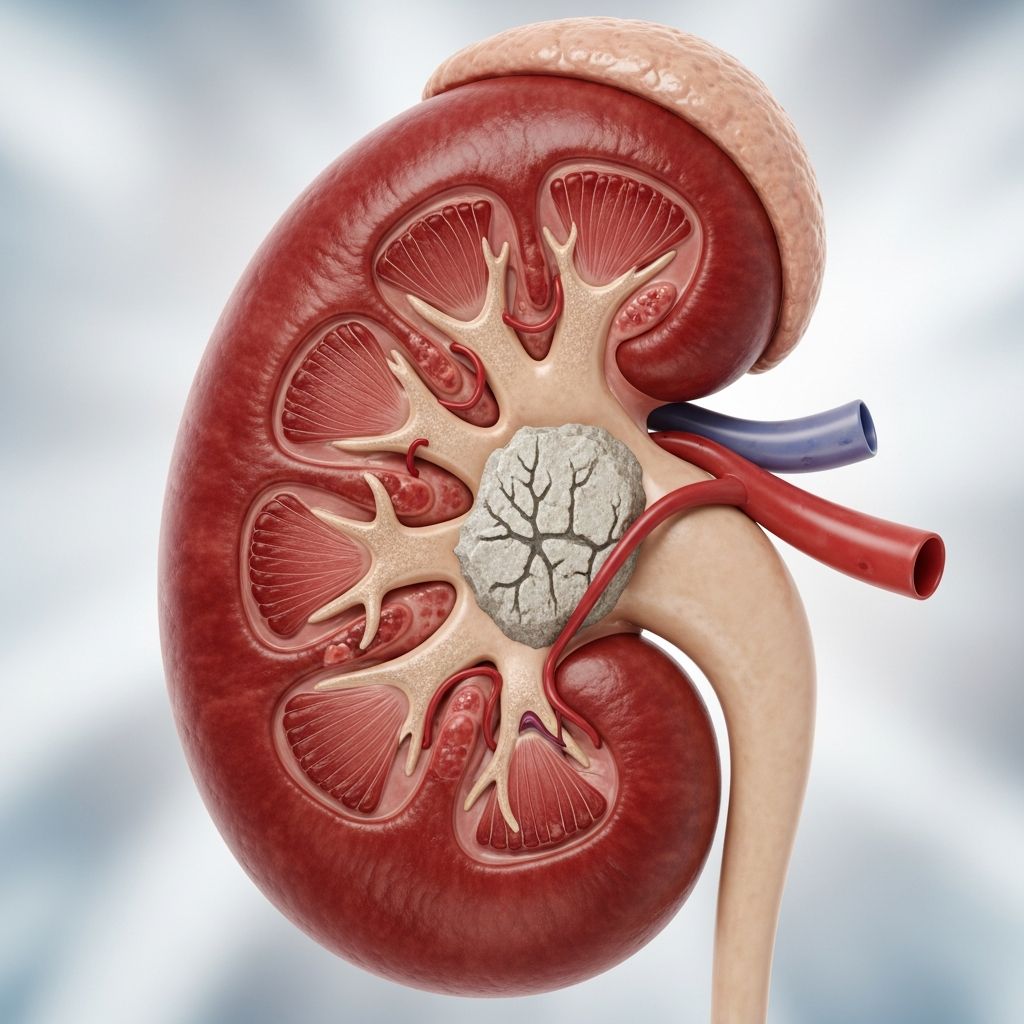
A staghorn calculus is a type of kidney stone characterized by its distinctive branching structure that resembles the antlers of a deer or the branches of coral. The term “calculus” simply refers to a stone, with the plural being calculi or stones. Unlike smaller kidney stones that may remain unnoticed, staghorn calculi are serious medical conditions that demand prompt attention and treatment. These branching stones can grow large enough to fill multiple sections of the kidney’s collecting system, potentially causing significant complications including kidney failure if left untreated.
Staghorn kidney stones are relatively uncommon compared to other types of kidney stones, and they typically develop in only one kidney, though they can occasionally form in both kidneys. The unique structure of these stones allows them to extend into the renal pelvis and calyces—the funnel-shaped structures responsible for collecting and directing urine through the urinary system. This characteristic branching pattern is what gives the stone its distinctive name and makes it particularly problematic for kidney function.
What Causes Staghorn Calculus?
The primary cause of staghorn calculus formation is repeated urinary tract infections (UTIs). When bacteria colonize the urinary system, particularly organisms like Proteus mirabilis, they produce an enzyme called urease that fundamentally alters the chemistry of urine. This enzyme causes the urine to become less acidic (more alkaline), creating an environment where mineral crystals can form and accumulate into stones.
Staghorn calculi that form due to infections are typically composed of struvite, a mineral combination of magnesium, phosphate, and ammonium. This composition distinguishes infection-related staghorn stones from other kidney stone types. The stone may begin as a small kidney stone that progressively enlarges over time, or it may develop directly as an infection stone due to bacteria in the urinary tract.
Types of Kidney Stones
While staghorn calculi are most commonly struvite stones, understanding other kidney stone types helps clarify risk factors and prevention strategies:
- Calcium oxalate stones: The most frequent type, forming in individuals with high urine calcium levels or excessive oxalate intake
- Calcium phosphate stones: More likely to develop in individuals with alkaline urine
- Struvite stones: Also called infection stones, caused by UTIs and composed of magnesium ammonium phosphate
- Uric acid stones: Develop in acidic urine and often associated with diets high in purines
- Cystine stones: Rare stones resulting from a genetic disorder affecting cystine processing
Recognizing the Symptoms
While some kidney stones may remain asymptomatic until they grow large enough to block urine flow, staghorn stones tend to produce symptoms sooner due to their size and complexity. However, it’s important to note that staghorn calculi often present with a relatively mild or indolent clinical course, which can sometimes delay diagnosis.
Common symptoms of staghorn calculus include:
- Persistent pain in the side, abdomen, groin, or lower back
- Hematuria (blood in urine)
- Fever and chills, particularly when associated with urinary tract infection
- Frequent or repeated infections
- Cloudy or foul-smelling urine
- Painful urination or difficulty urinating
- Constant urge to urinate
- Nausea and vomiting
- Pain that radiates from lower back to lower belly or groin
Related Stories



The pain associated with staghorn kidney stones can vary significantly in intensity. While usually mild enough to manage with over-the-counter medications like acetaminophen and ibuprofen, staghorn stones can occasionally cause severe pain that requires prescription opioids for adequate relief. This pain typically occurs on the side between the ribs and hip.
Diagnostic Methods
Accurate diagnosis of staghorn calculus is essential for determining the appropriate treatment approach. Healthcare providers use a combination of imaging and laboratory tests to assess the stone’s size, composition, and impact on the urinary system.
Imaging Techniques
Computed Tomography (CT) Scan: This represents the most accurate imaging method for detecting staghorn calculus and determining stone-forming patterns. CT scans provide detailed cross-sectional images that reveal the exact size, location, and extent of the stone within the kidney.
Ultrasound or X-ray: These imaging methods are useful for tracking stone growth over time or identifying calcium-containing stones. While less detailed than CT scans, these imaging approaches can be valuable for follow-up monitoring.
Laboratory Tests
Urinalysis: This test checks for infection markers, uric acid levels, oxalate content, and low urinary citrate—all factors that contribute to stone formation.
Stone Analysis: When a stone is passed or surgically removed, laboratory analysis can identify its exact composition, whether calcium phosphate, uric acid, struvite, or another mineral combination. This information helps guide prevention strategies.
Why Staghorn Calculus Is Serious
The branching structure of staghorn calculi creates significant risks for kidney damage and failure. The stone’s branches can grow into the renal pelvis—the funnel-shaped structure that collects urine and passes it down the thin muscular tubes called ureters. When these branched stones block the renal pelvis or ureters, urine cannot flow freely from the kidney to the bladder, causing a backup of urine within the kidney.
Staghorn stones can also block the calyces, which are the places in the kidney where urine collection begins. When urine backs up in these structures, excess fluid causes the calyces to swell and dilate—a condition called hydronephrosis. This swelling and pressure gradually damages the kidney tissue, and without treatment, this can ultimately lead to kidney failure.
Additionally, the surfaces and interiors of staghorn stones can harbor bacteria, creating a persistent source of infection. This can lead to frequent urinary tract infections that return soon after treatment or never truly resolve. These recurrent infections cause additional kidney damage beyond the obstruction created by the stone itself, compounding the risk of kidney failure.
Without treatment, staghorn calculi have a high likelihood of causing renal failure or urosepsis (a life-threatening blood infection resulting from urinary tract infection). This serious potential outcome underscores why prompt treatment is essential.
Treatment Options
The goal of treatment for staghorn calculus is complete removal of the stone, as any remaining fragments may harbor bacteria that are difficult to sterilize with antibiotics. Treatment approaches vary based on the stone’s size, location, composition, and the patient’s overall kidney function.
Treatment options may include:
- Percutaneous nephrolithotomy (PCNL): A surgical procedure where the surgeon accesses the kidney directly through a small incision to remove the stone
- Extracorporeal shock wave lithotripsy (ESWL): A non-invasive procedure using shock waves to break kidney stones into smaller fragments
- Ureteroscopy: A minimally invasive procedure where a thin scope is passed through the urinary tract to locate and remove stones
- Combination approaches: Multiple treatment methods may be necessary for large or complex staghorn calculi
- Infection management: Antibiotics to treat associated UTIs before and after stone removal
Who Is at Risk?
Interestingly, staghorn calculi are the only type of renal stones more commonly observed in female patients, primarily as a result of their association with urinary tract infections. While kidney stones in general are more common in men, the connection between UTIs and staghorn stone formation shifts this demographic pattern.
Individuals with metabolic disorders or chronic infections are significantly more likely to form kidney stones repeatedly unless the underlying issues are properly addressed. Additionally, patients with a past medical history of hypertension, gross hematuria, lower urinary tract symptoms, and those who present with fever are at increased risk of developing struvite and staghorn stones.
Prognosis and Outlook
The prognosis for staghorn calculus depends significantly on the success of treatment. Following successful treatment, patients should be able to urinate normally and experience relief from pain. After treatment, some patients may or may not develop another stone, but normal urinary function should resume.
However, without treatment, staghorn kidney stones can lead to serious complications including chronic kidney disease, recurrent urinary tract infections, sepsis, and kidney failure requiring dialysis or transplant.
When to Seek Medical Care
Contact a healthcare provider after treatment for staghorn kidney stones if you experience:
- Fever over 100°F
- Chills or uncontrollable shaking
- Worsening bleeding
- Inability to urinate
- Severe or escalating pain
Additionally, seek immediate medical attention if you experience severe flank pain, fever with back pain, or signs of urinary obstruction.
Frequently Asked Questions
Q: Is staghorn calculus the same as a regular kidney stone?
A: No. While staghorn calculus is a type of kidney stone, it is distinctly different from regular kidney stones due to its large, branching structure that extends into multiple areas of the kidney. Staghorn stones are more dangerous and require more aggressive treatment.
Q: Can staghorn calculus be prevented?
A: Prevention focuses on managing urinary tract infections promptly with appropriate antibiotics, maintaining adequate hydration, and addressing any underlying metabolic disorders. Individuals with histories of kidney stones should work with healthcare providers to develop prevention strategies tailored to their specific risk factors.
Q: How long does it take to develop a staghorn calculus?
A: Staghorn calculi develop over time through progressive enlargement. A stone may begin small and gradually grow, or it may develop more rapidly in the setting of recurrent UTIs. The timeline varies significantly between individuals.
Q: Will treatment permanently cure staghorn calculus?
A: Successful treatment removes the stone, but recurrence is possible. Prevention requires addressing underlying causes, such as chronic UTIs or metabolic conditions, to reduce the risk of developing another staghorn stone.
Q: Is staghorn calculus life-threatening?
A: Yes, untreated staghorn calculus can lead to kidney failure, sepsis, and death. Prompt diagnosis and treatment are essential to prevent these serious complications.
References
- Staghorn Kidney Stones — Urology of Greater Atlanta. 2024. https://ugatl.com/services/kidney-stones/staghorn-kidney-stones/
- Staghorn Calculus: Causes, Symptoms & Treatment — Cleveland Clinic. 2024. https://my.clevelandclinic.org/health/diseases/22509-staghorn-calculus
- Staghorn Calculus: A Stone out of Proportion to Pain — National Institutes of Health, National Center for Biotechnology Information. 2021. https://pmc.ncbi.nlm.nih.gov/articles/PMC8373179/
- Kidney Stones: Symptoms, Diagnosis & Treatment — National Kidney Foundation. 2024. https://www.kidneyfund.org/all-about-kidneys/other-kidney-problems/kidney-stones
Similar Articles








Read full bio of medha deb