Staph and Eczema: The Hidden Skin Threat
Discover how Staphylococcus aureus teams up with eczema to worsen symptoms and learn proven strategies for protection and treatment.
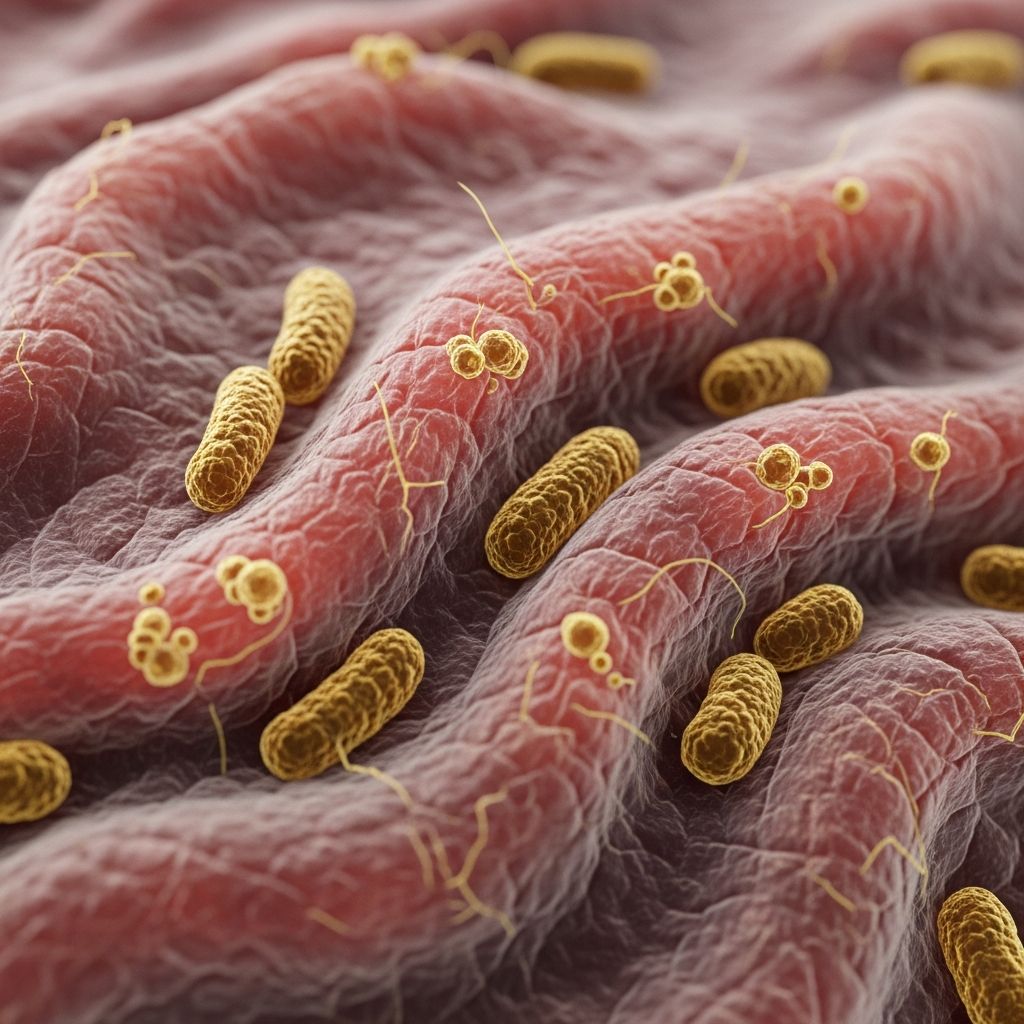
Eczema, also known as atopic dermatitis, creates a vulnerable environment on the skin where
Staphylococcus aureus
(staph) bacteria can thrive, leading to infections that intensify itching, inflammation, and discomfort. This bacterial overgrowth turns a chronic skin condition into a more severe issue, often requiring targeted interventions to break the cycle.Understanding the Skin’s Natural Defenses and Vulnerabilities
The skin acts as a protective barrier, but in eczema, this barrier weakens due to genetic factors, environmental triggers, and immune responses, allowing bacteria like staph to colonize more easily. Healthy skin maintains a balanced microbiome, but eczema disrupts this equilibrium, favoring staph dominance.
- Dry, cracked skin from eczema provides entry points for bacteria.
- Constant scratching introduces more microbes and worsens damage.
- Inflammation from eczema signals staph to produce toxins that further irritate the skin.
Research shows that up to 90% of eczema patients carry staph on their skin, compared to lower rates in healthy individuals, highlighting the duo’s prevalence.
Recognizing Signs of Staph Colonization in Eczema
Early detection of staph involvement prevents escalation. While eczema alone causes red, itchy patches, staph adds distinct clues.
| Symptom | Eczema Alone | With Staph Infection |
|---|---|---|
| Appearance | Dry, red, scaly | Weepy, crusty, golden-yellow hue |
| Itch Level | Intense but manageable | Severe, with warmth and tenderness |
| Spread | Localized flares | Rapid expansion, pus-filled blisters |
| Other Signs | No fever usually | Fever, swollen lymph nodes possible |
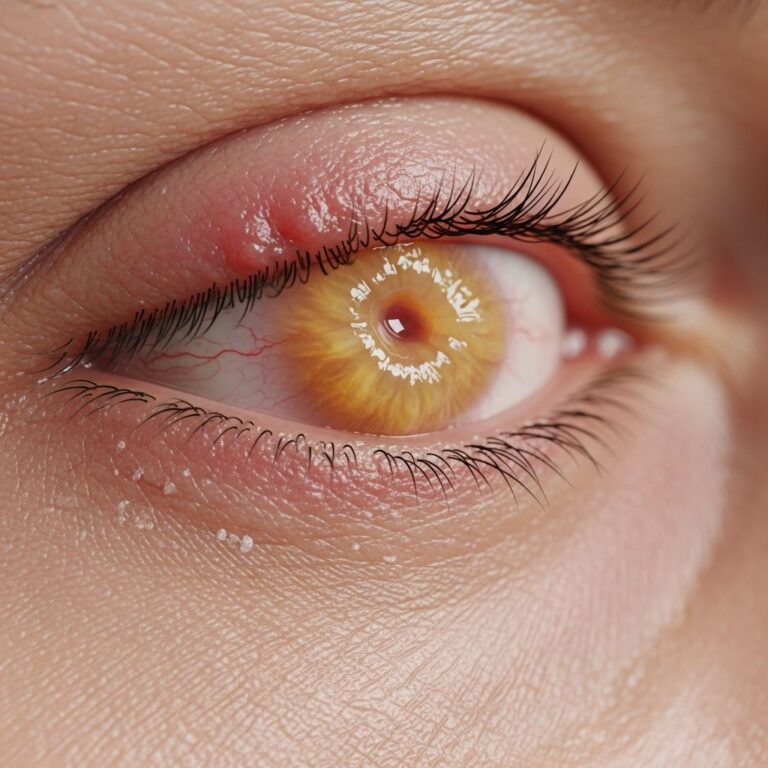
These changes, like the ‘tangerine glisten’ from bacterial sheen, signal infection. Staph can cause impetigo, with bursting blisters forming honey-colored crusts, or folliculitis with pus around hair follicles.
Why Staph Thrives in Eczema-Prone Skin
Staph aureus is a common skin resident, harmless in small amounts, but eczema’s defects amplify its harm. The bacteria produce toxins, enzymes, and superantigens that degrade skin proteins, provoke immune overreactions, and sustain inflammation even without overt infection.
- During flares, scratching breaches the skin barrier, inviting deeper invasion.
- Staph’s δ-toxin and PSMα trigger histamine release, worsening itch-scratch cycles.
- Biofilms formed by staph resist treatments, prolonging presence.
In children, this duo often manifests as impetigo or boils, while adults may see chronic worsening. Methicillin-resistant strains (MRSA) pose risks, especially post-surgery or in damaged skin.
Preventing Staph Overgrowth Before It Escalates
Proactive measures maintain skin integrity and reduce bacterial load without over-relying on antibiotics.
- Gentle Cleansing: Use soap-free washes daily to remove excess bacteria while preserving moisture.
- Moisturize Aggressively: Emollients like ceramide-based creams seal cracks, blocking staph entry.
- Antiseptic Aids: Dilute bleach baths (sodium hypochlorite) or chlorhexidine washes twice weekly cut staph by 50-70% without resistance.
- Avoid Triggers: Steer clear of shared towels, pools, or irritants that compromise skin.
Related Stories



Studies confirm antiseptics like triclosan in emollients prevent recurrent infections better than antibiotics alone.
Treatment Approaches for Staph-Compromised Eczema
When infection strikes, combine anti-inflammatory and antibacterial therapies for rapid relief.
- Topical Antibiotics: Mupirocin ointment targets localized staph, applied 2-3 times daily for 7-10 days.
- Oral Antibiotics: Flucloxacillin or cephalexin for widespread cases; MRSA requires vancomycin or clindamycin.
- Steroids: Mid-potency topical corticosteroids reduce inflammation, aiding bacterial clearance.
- Wet Wraps: Soak affected areas, apply meds, then bandage overnight to enhance absorption and soothe.
For weeping eczema, clean with saline, cover blisters to prevent spread, and monitor for systemic signs like fever. Emerging options inhibit staph’s agr system to curb toxin production.
Long-Term Management: Breaking the Infection Cycle
Sustained control involves addressing both eczema and staph. Diligent routines reduce flares by 40%, per clinical reviews.
- Weekly antiseptic soaks.
- Probiotic skin therapies in trials restore healthy microbes.
- Immunosuppressants like dupilumab for severe cases, though costly.
Consult dermatologists for personalized plans, especially with recurrent issues.
Special Considerations for Children and High-Risk Groups
Kids under 5 face higher scalded skin syndrome risk from staph toxins, presenting as fever and blistering. Eczema families should teach hygiene early. Diabetics or immunocompromised individuals need vigilant monitoring.
FAQs: Common Questions on Staph and Eczema
Is staph always dangerous in eczema?
No, but high colonization promotes flares; treat when symptomatic.
Can I use bleach baths safely?
Yes, 1/2 cup in full tub, 2-3 times weekly, followed by moisturizer.
How do I know if it’s infected?
Look for pus, crusts, increased pain; see a doctor promptly.
Do antibiotics cause resistance?
Overuse does; prefer antiseptics for prevention.
Can diet help?
Probiotics may balance microbiome, but evidence is emerging.
Maintaining vigilance over skin hygiene empowers those with eczema to minimize staph’s impact, fostering clearer, calmer skin long-term.
References
- Eczema (atopic dermatitis) – Better Health Channel — Victoria State Government. 2023. https://www.betterhealth.vic.gov.au/health/conditionsandtreatments/eczema-atopic-dermatitis
- Taming Staphylococcus aureus in the eczema skin microbiome — Research Outreach. 2023. https://researchoutreach.org/articles/taming-staphylococcus-aureus-eczema-skin-microbiome/
- Skin infections and eczema — National Eczema Society. 2024. https://eczema.org/information-and-advice/living-with-eczema/skin-infections-and-eczema/
- Staph infections – Symptoms & causes — Mayo Clinic. 2025-02-01. https://www.mayoclinic.org/diseases-conditions/staph-infections/symptoms-causes/syc-20356221
- Staph Infection: Causes, Symptoms, Diagnosis & Treatment — Cleveland Clinic. 2024. https://my.clevelandclinic.org/health/diseases/21165-staph-infection-staphylococcus-infection
- Interventions to reduce Staphylococcus aureus in the management of eczema — PMC (NCBI). 2019-11-12. https://pmc.ncbi.nlm.nih.gov/articles/PMC6818407/
Similar Articles








Read full bio of medha deb