Staph Infection: Symptoms, Causes, Treatment
Understand staph infections: symptoms from skin boils to serious sepsis, causes, treatments, and prevention strategies for all ages.
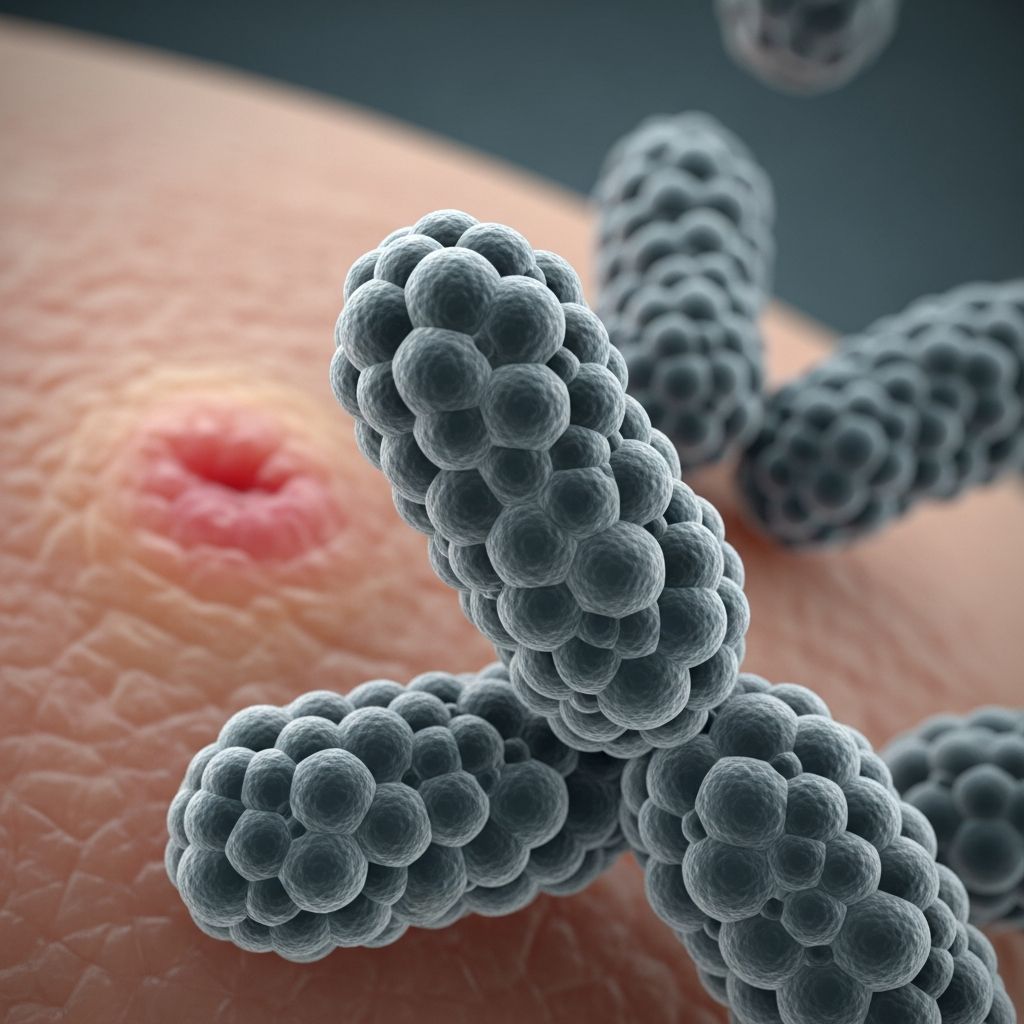
Staphylococcus bacteria, commonly known as staph, cause infections ranging from minor skin issues to life-threatening conditions like sepsis. These bacteria live harmlessly on the skin or in the nose of many people but can lead to problems when they enter the body through cuts or wounds.
What Is a Staph Infection?
A
staph infection
occurs when Staphylococcus bacteria invade the body, often through breaks in the skin. There are over 30 species of Staphylococcus, but *Staphylococcus aureus* (S. aureus), including methicillin-resistant strains (MRSA), causes most cases. About 20-30% of healthy adults carry these bacteria without symptoms, but entry via wounds triggers infection.Staph thrives in warm, moist environments and spreads easily in close-contact settings like hospitals, gyms, or schools. While many infections are treatable with antibiotics, MRSA resists common drugs, complicating care.
Symptoms of a Staph Infection
Symptoms vary by infection site and severity. Skin infections are most common, presenting as:
- Redness, swelling, warmth, and pain around the affected area.
- Pus-filled boils, abscesses, or blisters that may burst.
- Cellulitis: Deeper skin infection causing fever and chills.
- Impetigo: Crusty sores, common in children.
- Staphylococcal scalded skin syndrome (SSSS): Blistering and peeling, mainly in kids.
Serious invasive infections affect internal organs:
- Bacteremia: Bacteria in the blood, leading to fever, low blood pressure, and organ failure.
- Pneumonia: Lung infection with cough, shortness of breath.
- Endocarditis: Heart valve infection.
- Osteomyelitis: Bone infection causing deep pain.
- Sepsis: Systemic response that can be fatal without prompt treatment.
Food poisoning from staph toxins causes sudden nausea, vomiting, and diarrhea, resolving in 24-48 hours.
Types of Staph Infections
Staph infections are categorized by location and severity:
| Type | Description | Common Sites |
|---|---|---|
| Skin and Soft Tissue | Boils, abscesses, cellulitis, impetigo | Skin, wounds |
| Invasive | Bacteremia, endocarditis, pneumonia | Blood, heart, lungs |
| Musculoskeletal | Osteomyelitis, septic arthritis | Bones, joints |
| Foodborne | Toxin-mediated illness | Gastrointestinal |
| MRSA | Antibiotic-resistant form of above | All sites, esp. healthcare settings |
MRSA is a major concern, accounting for many hospital-acquired infections.
Causes and Risk Factors for Staph Infections
**Causes**: Staph enters via cuts, scrapes, surgical sites, or contaminated food/objects. Person-to-person spread occurs through skin contact, shared towels, or droplets. In food cases, pre-formed toxins cause rapid onset.
**Risk factors** include:
- Weakened immune system (e.g., diabetes, HIV, cancer).
- Hospitalization or medical devices (catheters, dialysis).
- Contact sports or crowded living (schools, prisons).
- Recent antibiotic use disrupting skin flora.
- IV drug use or poor hygiene.
Healthcare workers and athletes face higher exposure.
How Do Staph Infections Spread?
Staph is highly contagious via:
- Direct contact: Touching infected skin or pus.
- Indirect contact: Contaminated surfaces like gym equipment, razors.
- Droplets: Coughing/sneezing near wounds.
- Food: Handling by infected food workers.
Community-associated MRSA spreads in gyms and schools; hospital-associated in clinical settings.
Diagnosis of Staph Infections
Doctors diagnose based on symptoms, history, and tests:
Related Stories



- Physical exam of lesions.
- Culture/swab from pus, blood, or tissue to identify bacteria and antibiotic sensitivity.
- Blood tests for systemic spread.
- Imaging (X-ray, MRI) for bone/organ involvement.
Early diagnosis prevents complications like sepsis.
Treatment for Staph Infections
Treatment depends on severity:
- Mild skin infections: Warm compresses, drainage of abscesses; topical antibiotics if needed.
- Oral antibiotics: Dicloxacillin, cephalexin for MSSA; vancomycin, daptomycin for MRSA.
- IV antibiotics: Hospitalized for invasive cases, often 2-6 weeks.
- Surgery: Drain deep abscesses or remove infected tissue/devices.
Complete the full antibiotic course to prevent resistance. Supportive care includes pain relief and hydration.
Complications of Untreated Staph Infections
Without treatment, staph can lead to:
- Sepsis: Life-threatening blood infection.
- Toxic shock syndrome: From toxin-producing strains.
- Organ damage: Kidneys, heart, lungs.
- Death: Especially in bacteremia (high mortality).
Prevention of Staph Infections
Prevent spread with hygiene:
- Wash hands frequently with soap for 20 seconds.
- Cover cuts with clean bandages.
- Avoid sharing personal items (towels, razors).
- Clean shared surfaces (gyms, homes).
- Shower after sports; dry clothes in hot dryer.
In hospitals, isolation and hand hygiene are key.
Recovery Time for Staph Infections
Recovery varies:
- Food poisoning: 24-48 hours.
- Skin boils: 3-10 days with treatment.
- Systemic: Weeks to months; MRSA prolongs healing.
Follow-up ensures clearance.
When to See a Doctor for a Staph Infection
Seek care if:
- Sores worsen, spread, or fill with pus.
- Fever >100.4°F, chills, or fatigue.
- Red streaks or swelling beyond site.
- Recurrent infections or high-risk status.
Frequently Asked Questions (FAQs)
Q: Is a staph infection contagious?
A: Yes, staph spreads through direct contact with infected skin, pus, or contaminated objects. Good hygiene prevents transmission.
Q: How do you get a staph infection?
A: Through breaks in skin (cuts, wounds), contaminated food, or contact with carriers. MRSA is common in communities and hospitals.
Q: How long does a staph infection last?
A: Skin infections heal in days with treatment; systemic ones take weeks. Foodborne resolves in 1-2 days.
Q: Can staph infections be fatal?
A: Yes, untreated invasive infections like bacteremia can lead to sepsis and death.
Q: What kills staph bacteria?
A: Antibiotics (targeted by culture), drainage, and hygiene. MRSA requires specific drugs like vancomycin.
References
- Staph infection: Types, symptoms, causes, treatments — Medical News Today. 2023. https://www.medicalnewstoday.com/articles/staph-infection
- Staph infections – symptoms, causes, treatment and prevention — healthdirect.gov.au. 2024. https://www.healthdirect.gov.au/staph-infections
- Staphylococcus aureus Infections: Epidemiology, Pathophysiology — PMC (National Library of Medicine). 2015-06-16. https://pmc.ncbi.nlm.nih.gov/articles/PMC4451395/
Similar Articles








Read full bio of Sneha Tete