Staphylococcal Scalded Skin Syndrome: Causes, Symptoms & Treatment
Understanding SSSS: A severe bacterial skin condition requiring immediate medical attention and treatment.
Staphylococcal Scalded Skin Syndrome: Overview and Understanding
Staphylococcal scalded skin syndrome (SSSS) is a severe and acute dermatological condition caused by a systemic infection with toxin-producing staphylococcal bacteria. This rare but serious disorder primarily affects infants and young children, though it can occasionally occur in immunocompromised adults. The condition is characterized by widespread blistering, skin peeling, and erythema that resembles a hot water burn or scalding injury, giving the syndrome its distinctive name. Despite its alarming appearance, most children who receive prompt and appropriate medical treatment experience complete recovery within two weeks, with minimal to no lasting complications or scarring.
What Causes Staphylococcal Scalded Skin Syndrome?
SSSS is primarily caused by Staphylococcus aureus, a gram-positive bacterium that produces specific exotoxins known as exfoliatin or epidermolysin. These toxins are elaborated by certain phage types of staphylococci, particularly types 55 and 71. The bacterium typically colonizes areas such as the umbilicus, groin, buttocks, nose, and facial regions before producing toxins that enter the bloodstream.
The mechanism of action is crucial to understanding this syndrome. The exotoxins produced by Staphylococcus aureus specifically target and bind to desmoglein-1, an important adhesion molecule protein located in the epidermis (the outermost layer of skin). This targeting causes the epidermis to split at a specific location just beneath the granular cell layer, leading to the characteristic widespread desquamation and blistering. Notably, the toxin-induced separation occurs through systemic circulation rather than through direct bacterial invasion of the skin, which is why SSSS can affect widespread areas of the body simultaneously.
Who Is at Risk for SSSS?
While staphylococcal scalded skin syndrome can theoretically occur at any age, certain populations face significantly higher risk:
- Infants and children under 5 years of age (highest risk group)
- Children older than 6 years (less frequent occurrence)
- Newborns, with possible presentation as early as 48 hours after birth
- Immunocompromised individuals of any age
- Patients with chronic kidney disease or kidney failure
- Individuals with weakened immune systems
- People with other chronic underlying diseases
The reason young children are particularly susceptible relates to their developing immune systems and the fact that many individuals lack pre-existing antibodies against staphylococcal toxins. In contrast, older children and adults typically have developed some level of immunity through prior exposures, making SSSS significantly rarer in these populations. The condition also appears more common during summer months, possibly due to increased environmental exposure to the bacteria and warmer temperatures that may facilitate bacterial growth and skin conditions.
Recognizing Symptoms and Clinical Presentation
The symptoms of staphylococcal scalded skin syndrome typically follow a characteristic progression. Most cases begin with nonspecific systemic symptoms that precede visible skin changes by 24 to 48 hours. Parents and caregivers may notice their child becoming unusually fussy, irritable, and fatigued (malaise). Fever, often accompanied by chills, is a common early sign. The child may also display skin tenderness and sensitivity.
Initial visible manifestations of SSSS typically include purulent (pus-containing) discharge from the nose or eyes and possible conjunctivitis. The first skin changes usually appear as erythema (redness), which commonly begins on the face and head, often accompanied by varying degrees of facial edema (swelling). The redness typically spreads to other body areas within 48 hours, particularly to intertriginous areas (areas where skin folds together, such as the groin, armpits, neck folds, and behind the ears).
Related Stories



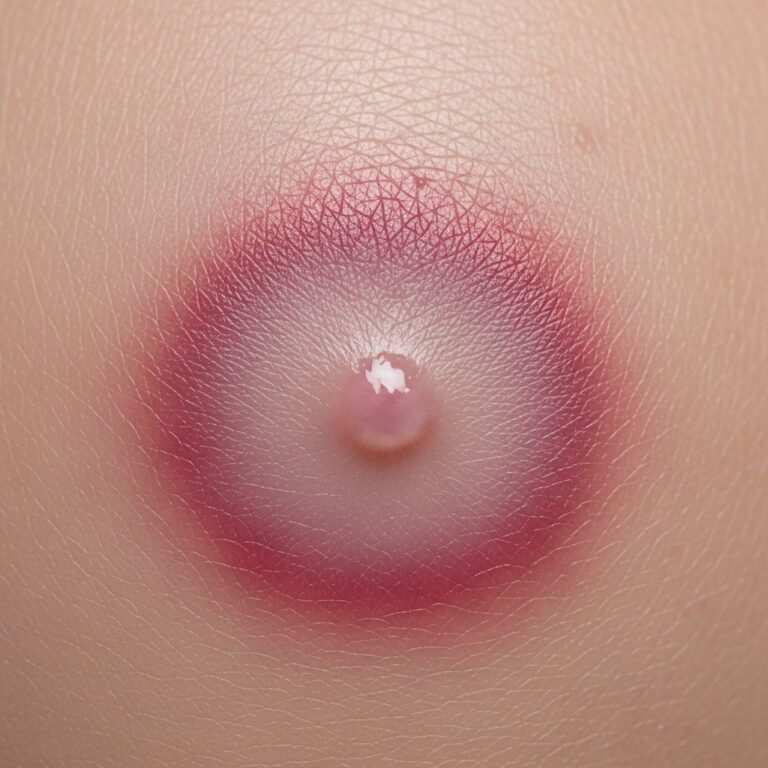
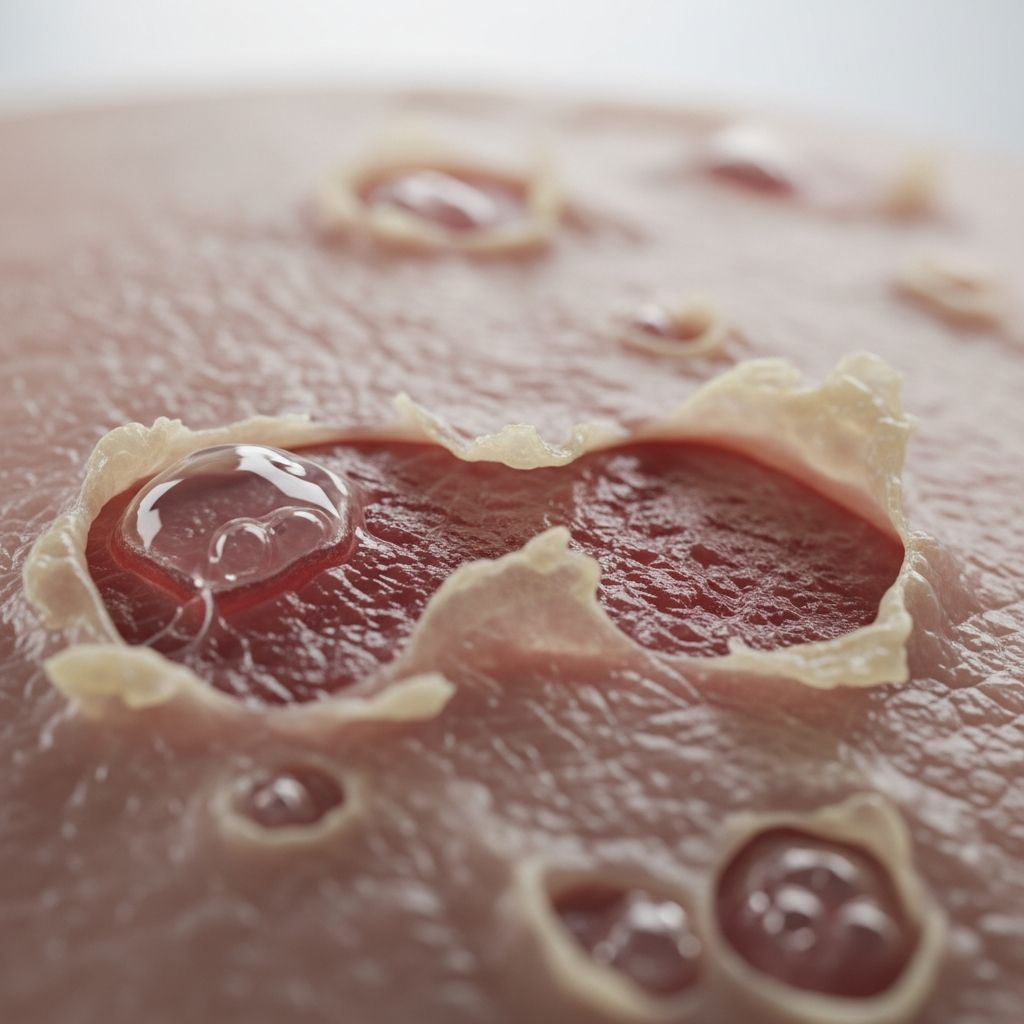
As the condition progresses, the skin develops characteristic wrinkled or crinkled appearance due to the formation of flaccid, sterile bullae (fluid-filled blisters) that develop within the superficial epidermis. A positive Nikolsky sign is typically present, meaning that gentle pressure or rubbing of the skin causes it to slough off or separate from underlying layers. The flexural regions (areas where the skin bends, such as elbows and knees) are often the initial sites of exfoliation, resulting in moist, denuded skin. Distinctive periorificial crusting appears around the mouth, eyes, and other body openings, with characteristic radial fissuring (cracks radiating outward from these areas).
Widespread desquamation (skin peeling and shedding) typically occurs within 36 to 72 hours of symptom onset. Affected skin may peel off in large sheets, exposing the moist, reddish tissue underneath, which indeed resembles a thermal burn. The desquamated areas appear scalded, giving the syndrome its clinical name. In newborns, initial lesions often appear in the diaper area or around the umbilical cord, while in older children, the face is frequently the initial site of the rash.
Serious Complications Associated with SSSS
The loss of the protective skin barrier in staphylococcal scalded skin syndrome places patients at significant risk for serious complications. These complications can be life-threatening if not properly managed:
- Hypothermia (dangerous drop in body temperature) due to loss of the skin barrier’s insulating properties
- Severe dehydration from excessive fluid loss through the denuded skin areas
- Electrolyte imbalance and metabolic disturbances
- Secondary bacterial infections and potential sepsis
- Infection-related complications from the exposed skin surface
These complications underscore why immediate hospitalization and intensive medical care are essential for patients with SSSS.
Diagnosis of Staphylococcal Scalded Skin Syndrome
Diagnosis of SSSS is primarily clinical, based on the characteristic history, physical examination findings, and the distinctive pattern of skin involvement. However, diagnostic evaluation typically aims to achieve several important goals: detecting bacteremia (bacteria in the bloodstream), differentiating SSSS from similar conditions such as bullous impetigo or Stevens-Johnson syndrome, and guiding appropriate treatment decisions.
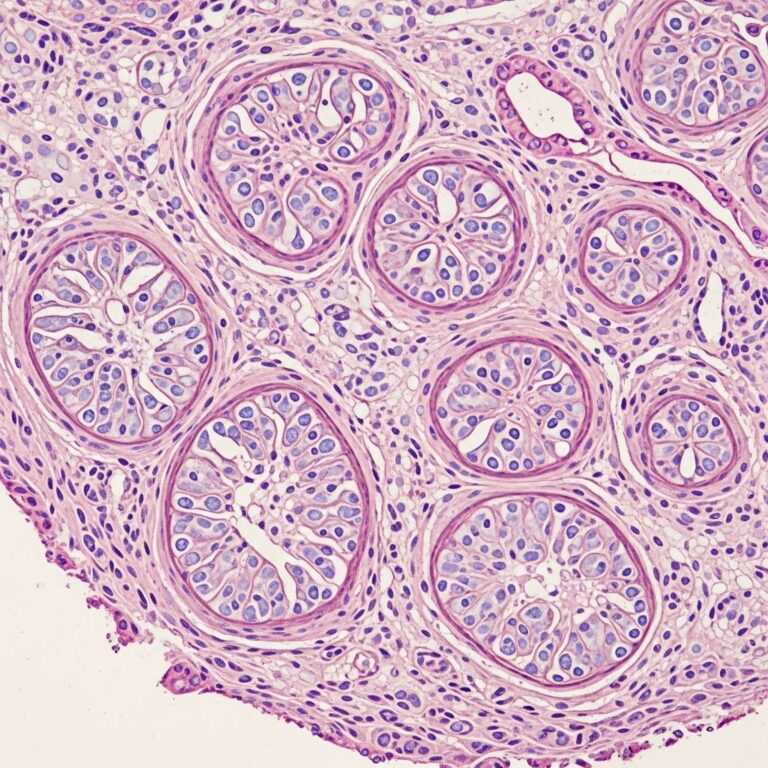
A skin biopsy may be performed to confirm the diagnosis and differentiate it from other severe dermatologic conditions. Histologic examination typically reveals separation of the epidermis at the level of the granular cell layer, which is pathognomonic (characteristic) for SSSS. Laboratory studies may be ordered to identify the causative organism and its antibiotic sensitivities, to detect the presence of bacteria in blood cultures, and to assess kidney function, electrolyte levels, and other markers of systemic involvement. The positive Nikolsky sign, demonstrated by gentle rubbing causing skin separation, is another important diagnostic finding.
Treatment and Management Approach
Treatment of staphylococcal scalded skin syndrome requires hospitalization and comprehensive medical management. Most patients require admission to a hospital ward, and many cases necessitate intensive care unit (ICU) or burn unit admission due to the extensive nature of skin involvement and the need for close monitoring.
Antibiotic Therapy
The cornerstone of SSSS treatment is prompt initiation of penicillinase-resistant antistaphylococcal antibiotics. Intravenous antibiotics must be started immediately upon diagnosis or strong clinical suspicion. Nafcillin is typically the first-line agent given intravenously until clinical improvement is noted. Following initial improvement, treatment may transition to oral cloxacillin for continued therapy. Alternative antibiotics include oxacillin and cephalosporins such as cefazolin, which may be used in patients with documented penicillin allergies or in cases where resistance is suspected. Most cases of SSSS are caused by methicillin-susceptible Staphylococcus aureus, making these agents particularly effective.
Supportive Care and Fluid Management
Given the massive loss of the protective skin barrier, aggressive fluid replacement is essential. Patients require careful monitoring and replacement of fluids to prevent dehydration and electrolyte imbalances. Fluid administration must be titrated based on urine output, vital signs, and laboratory values. Some patients may require placement of intravenous lines for medication and fluid administration.
Skin Care and Symptomatic Relief
Gentle and meticulous skin care is crucial for promoting healing and preventing secondary infections. Treatment includes the application of topical creams and ointments to soothe affected skin and promote healing. Cool compresses may provide comfort and reduce inflammation. Pain management is important, and over-the-counter pain medications such as acetaminophen or ibuprofen may be administered according to the child’s age and weight. In some cases, stronger analgesics may be necessary given the extensive skin involvement and associated discomfort.
Prevention of Complications
Close monitoring in a hospital setting allows for rapid detection and treatment of complications such as secondary infections, electrolyte imbalances, or temperature dysregulation. Temperature monitoring and appropriate environmental controls help prevent hypothermia. Strict infection control measures, including appropriate hand hygiene and wound care protocols, reduce the risk of secondary bacterial infections in the denuded skin areas.
Expected Outcomes and Prognosis
The prognosis for staphylococcal scalded skin syndrome is excellent when the condition is diagnosed promptly and appropriate treatment is initiated without delay. Children who receive timely medical intervention typically experience complete recovery within approximately two weeks, with minimal to no lasting complications or permanent scarring. The skin regenerates and normal function is restored.
However, if SSSS goes unrecognized or treatment is delayed or unsuccessful, serious complications can develop. These include severe dehydration, electrolyte imbalances, secondary infections, sepsis, and potentially life-threatening systemic manifestations. This is why rapid recognition and immediate medical intervention are critical for optimal outcomes.
Prevention Strategies
While it is not always possible to prevent staphylococcal infections, certain measures can reduce the risk of colonization and transmission. Maintaining proper hand hygiene with antibacterial soap or sanitizers is fundamental. In healthcare settings and daycare facilities, strict infection control practices should be employed. Additionally, any identified carriers of pathogenic Staphylococcus aureus should receive appropriate antibiotic treatment to eradicate the organism and prevent transmission to vulnerable individuals.
Differentiating SSSS from Other Conditions
Staphylococcal scalded skin syndrome can mimic other severe dermatologic conditions, making accurate diagnosis important. Bullous impetigo, while caused by the same organism, remains localized to the site of primary infection rather than becoming systemic. Stevens-Johnson syndrome (SJS) and toxic epidermal necrolysis (TEN) are other conditions that may resemble SSSS but have different etiologies, primarily medication-related rather than infectious. Accurate diagnosis guides appropriate treatment and helps avoid unnecessary interventions.
Frequently Asked Questions
Q: How quickly does SSSS develop after bacterial colonization?
A: Systemic symptoms typically appear 24 to 48 hours after initial bacterial colonization. Widespread skin desquamation usually develops within 36 to 72 hours of symptom onset. In newborns, SSSS can present as early as 48 hours after birth.
Q: Is SSSS contagious?
A: While the underlying Staphylococcus aureus infection is contagious, SSSS itself is not directly transmitted from person to person in the same way as other infections. However, the bacterium can be transmitted, so proper hand hygiene and infection control are important.
Q: What is the Nikolsky sign and why is it important?
A: The Nikolsky sign is the characteristic separation of skin when gentle pressure is applied. Its presence is a key diagnostic finding in SSSS and helps differentiate it from other conditions.
Q: Can adults develop SSSS?
A: While rare in adults, SSSS can occur in immunocompromised individuals, those with chronic kidney disease, kidney failure, or other chronic underlying diseases.
Q: What are the long-term effects of SSSS?
A: With prompt and appropriate treatment, most children experience complete recovery within two weeks with no lasting complications or scarring. Long-term effects are minimal when treatment is timely and adequate.
References
- Staphylococcal Scalded Skin Syndrome — St. Louis Children’s Hospital. 2024. https://www.stlouischildrens.org/conditions-treatments/staphylococcal-scalded-skin-syndrome
- Staphylococcal Scalded Skin Syndrome – StatPearls — National Center for Biotechnology Information (NCBI). 2024. https://www.ncbi.nlm.nih.gov/books/NBK448135/
- Staphylococcal Scalded Skin Syndrome: Dermatologic Disorders — Merck Manuals Professional Edition. 2024. https://www.merckmanuals.com/professional/dermatologic-disorders/bacterial-skin-infections/staphylococcal-scalded-skin-syndrome
- Staphylococcal Scalded Skin Syndrome — National Organization for Rare Disorders (NORD). 2024. https://rarediseases.org/rare-diseases/staphylococcal-scalded-skin-syndrome/
- Staphylococcal Scalded Skin Syndrome (SSSS) – DermNet — DermNet New Zealand. 2024. https://dermnetnz.org/topics/staphylococcal-scalded-skin-syndrome
- Staphylococcal Scalded Skin Syndrome (SSSS) in Children — Boston Children’s Hospital. 2024. https://www.childrenshospital.org/conditions/staphylococcal-syndrome
Similar Articles








Read full bio of Sneha Tete