Staphylococcal Skin Infection: Treatment & Prevention Guide
Comprehensive guide to staphylococcal skin infections: causes, symptoms, diagnosis, treatment, and prevention strategies.
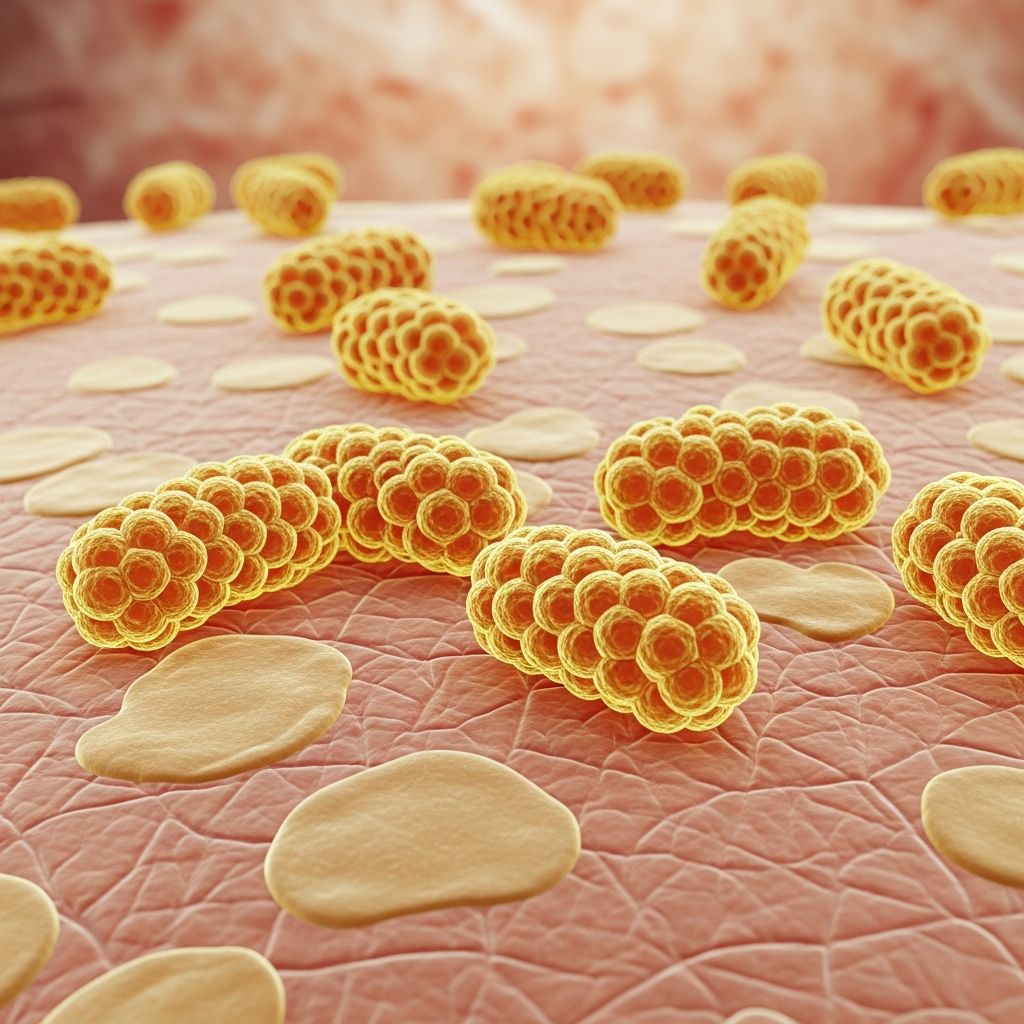
Staphylococcal skin infections are common bacterial infections caused by Staphylococcus aureus (S. aureus), a bacterium frequently found on the skin and in the nose of healthy individuals. These infections occur when the bacteria enter through breaks in the skin, leading to conditions such as impetigo, folliculitis, furunculosis, carbuncles, cellulitis, and scalded skin syndrome. While many are mild and resolve with treatment, severe cases can spread systemically, particularly in vulnerable populations.
What is a staphylococcal skin infection?
Staphylococcal skin infections arise when S. aureus bacteria invade damaged skin. These gram-positive bacteria colonize about 30% of healthy people asymptomatically but cause issues upon entry via cuts, abrasions, or hair follicles. Infections range from superficial (e.g., impetigo) to deep (e.g., cellulitis) and can produce toxins leading to syndromes like scalded skin. Minor infections often self-limit, but antibiotic-resistant strains like MRSA complicate management.
Who gets staphylococcal skin infections?
Anyone can develop these infections, but risk increases with skin breaches from trauma, surgery, or chronic conditions. High-risk groups include infants, elderly individuals, diabetics, immunocompromised patients, and those with eczema or close-contact lifestyles (e.g., athletes, prisoners). Children under 5 are prone to impetigo and scalded skin syndrome due to immature immunity. Hospital settings elevate MRSA risk.
What causes staphylococcal skin infections?
S. aureus enters through skin disruptions like cuts, insect bites, abrasions, or folliculitis sites. Close contact spreads bacteria, especially in crowded environments. Toxin-producing strains cause non-invasive syndromes. Predisposing factors include poor hygiene, nasal carriage (20-30% of population), and weakened immunity. Unlike streptococcal infections, staph often forms abscesses due to its virulence factors.
What are the clinical features of staphylococcal skin infection?
Symptoms vary by infection type:
- Impetigo: Honey-crusted lesions on face/extremities, itchy, contagious.
- Folliculitis: Pus-filled pimples at hair bases, itchy/painful.
- Furuncles/Boils: Tender red nodules evolving to pus-filled abscesses.
- Carbuncles: Coalesced furuncles with multiple draining points.
- Cellulitis: Diffuse redness, swelling, warmth, pain; fever if severe.
- Scalded Skin Syndrome: Tender erythema, Nikolsky sign, sheet-like desquamation, fever in children.
On darker skin, erythema may appear purple/brown; focus on warmth, induration. Systemic signs (fever, chills) indicate deeper involvement.
Diagnosis
Diagnosis is clinical, based on lesion morphology. Swabs from pus/blisters guide culture/sensitivity, essential for recurrent or severe cases/MRSA suspicion. Blood tests/imaging for systemic spread. Gram stain shows gram-positive cocci in clusters.
What is the treatment for staphylococcal skin infections?
Treatment depends on severity:
- Mild (impetigo, folliculitis): Topical mupirocin or fusidic acid; hygiene.
- Moderate (boils, cellulitis): Oral antibiotics (dicloxacillin, cephalexin); drainage for abscesses.
- Severe (extensive cellulitis, SSSS): IV vancomycin/linezolid for MRSA; hospital care.
Incision/drainage is key for abscesses; avoid squeezing. Complete antibiotic courses prevent resistance. Decolonization (mupirocin nasal, chlorhexidine baths) for carriers/recurrences.
Complications
Untreated infections can lead to bacteremia, sepsis, endocarditis, osteomyelitis, or necrotizing fasciitis. Recurrent furunculosis signals carriage. MRSA raises morbidity. In children, SSSS risks dehydration.
How can staphylococcal skin infections be prevented?
- Maintain hygiene: regular handwashing, nail trimming.
- Cover wounds promptly.
- Avoid sharing towels/razors.
- Treat carriage in outbreaks/recurrences.
- Screen high-risk patients.
Related Stories



Related information
- Impetigo
- Folliculitis
- Boils
- Cellulitis
- Methicillin-resistant S. aureus
Frequently asked questions
Are staphylococcal skin infections contagious?
Yes, via direct contact or fomites, especially impetigo and folliculitis. Isolate until treated.
Can staph infections resolve without antibiotics?
Mild cases may, via immunity, but antibiotics speed resolution and prevent spread.
What does a staph boil look like?
Red, tender lump becoming pus-filled, often on neck/axillae/buttocks.
How long do antibiotics take for staph skin infections?
5-10 days; complete course essential.
Is MRSA a type of staph infection?
Yes, antibiotic-resistant variant requiring specific therapy.
References
- Staph infection – NHS — NHS. 2023. https://www.nhs.uk/conditions/staphylococcal-infections/
- Staph Infections: Symptoms, Stages, Causes, Treatment — WebMD. 2023-10-12. https://www.webmd.com/skin-problems-and-treatments/staph-infection-cellulitis
- Staph skin infection – including cellulitis and impetigo — healthdirect. 2024. https://www.healthdirect.gov.au/staph-skin-infection
- Staphylococcal Infections — MedlinePlus (U.S. National Library of Medicine). 2024. https://medlineplus.gov/staphylococcalinfections.html
- Staph Infection: Causes, Symptoms, Diagnosis & Treatment — Cleveland Clinic. 2023-08-21. https://my.clevelandclinic.org/health/diseases/21165-staph-infection-staphylococcus-infection
- Staphylococcus aureus Infections — Merck Manuals. 2024. https://www.merckmanuals.com/home/infections/bacterial-infections-gram-positive-bacteria/staphylococcus-aureus-infections
Similar Articles








Read full bio of medha deb