Staphylococcus Skin Infections: Recognition and Management
Comprehensive guide to identifying, treating, and preventing bacterial skin infections caused by staph bacteria.
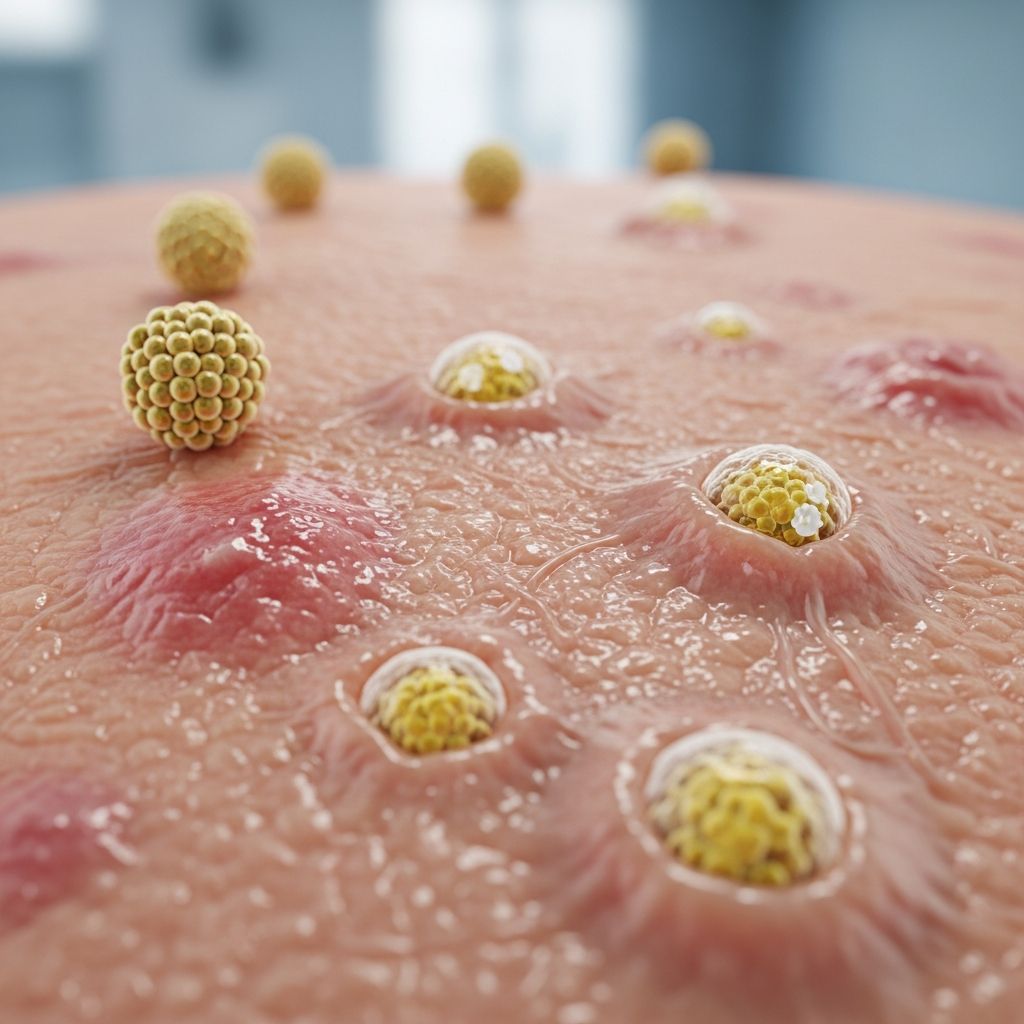
Staphylococcus bacteria are microscopic organisms commonly found on the skin and in the nasal passages of healthy individuals. While these bacteria typically coexist harmlessly with our bodies, they can occasionally penetrate the skin barrier and trigger infections ranging from minor to severe. Skin infections represent the most frequent manifestation of staphylococcal disease, affecting people of all ages and backgrounds. Understanding how these infections develop, recognizing their signs, and knowing when to seek medical intervention are crucial steps in managing this common health concern.
The Nature of Bacterial Skin Colonization
Staphylococcus bacteria, often referred to as staph or golden staph, are gram-positive cocci that naturally inhabit human skin surfaces. These microorganisms live on approximately 25-30% of the population’s skin without causing problems. The bacteria primarily colonize areas of the body with higher moisture and friction, including the armpits, groin, and areas around hair follicles. Under normal circumstances, the skin’s protective barrier and immune system prevent these bacteria from establishing infections.
The transition from harmless colonization to active infection occurs when staph bacteria breach the skin’s outer layer. This breakthrough can happen through various mechanisms, including cuts, abrasions, surgical wounds, insect bites, or other skin damage. Additionally, conditions that compromise the immune system or create environments favorable for bacterial multiplication increase susceptibility to infection. Once bacteria penetrate the epidermis, they encounter a less hostile environment and can multiply rapidly, triggering the inflammatory response that characterizes visible infection.
Recognizing Common Presentation Patterns
Staph skin infections manifest in multiple distinct clinical presentations, each with characteristic appearances and progression patterns. Recognizing these different forms helps individuals determine when professional evaluation is necessary and aids healthcare providers in prescribing appropriate treatments.
Folliculitis and Hair Follicle Infections
Folliculitis develops when staph bacteria invade hair follicles, causing inflammation and the formation of pustules—small, pus-filled bumps resembling acne. These lesions typically appear tender and may cause itching or mild discomfort. Folliculitis commonly affects areas with dense hair growth and friction, such as the armpits, thighs, and facial hair regions. The condition frequently develops following activities that create skin irritation, such as shaving, prolonged sweating, or wearing tight clothing that rubs against the skin. In most cases, folliculitis resolves within 1-2 weeks with proper hygiene and topical care.
Boils and Abscesses
Boils represent one of the most common forms of staph skin infection, characterized by painful, swollen lumps filled with pus. These lesions typically develop in hair follicles or oil glands and progress through distinct stages. Initially, the affected area becomes red, warm, and tender. Over several days, the center of the boil fills with pus, creating a whitish or yellowish head. Boils most frequently appear on the face, neck, underarms, thighs, and buttocks—areas subject to friction and perspiration. Related lesions called carbuncles consist of multiple connected boils and represent more extensive infection. Abscesses are similar pus-filled cavities that form beneath the skin surface, causing localized swelling and discomfort.
Related Stories



Impetigo: The Contagious Skin Rash
Impetigo is a highly contagious staph skin infection particularly common in children, though it can affect individuals of any age. This condition typically presents as red, itchy sores that initially appear as fluid-filled blisters. These blisters quickly rupture, leaving characteristic honey-colored or yellow crusts on the skin surface. Impetigo most commonly affects exposed areas including the face, arms, and legs. The infection spreads easily through direct contact with infected lesions or contaminated surfaces, making careful hygiene essential for preventing transmission. Early diagnosis and antibiotic treatment significantly improve outcomes and reduce spread to others.
Cellulitis: Spreading Skin Inflammation
Cellulitis represents a more diffuse staph infection affecting deeper skin layers and surrounding tissue. Rather than forming discrete pustules or boils, cellulitis causes widespread redness, swelling, warmth, and tenderness across the affected area. The borders of cellulitic patches may be poorly defined, and infected individuals often experience fever and general malaise. Cellulitis typically develops following breaks in skin integrity, such as cuts, surgical wounds, or wounds from insect bites. This condition requires prompt antibiotic treatment to prevent progression to more serious complications.
Serious and Systemic Manifestations
While most staph skin infections remain localized, certain conditions and circumstances can lead to more severe disease affecting multiple organ systems.
Staphylococcal Scalded Skin Syndrome
Staphylococcal scalded skin syndrome (SSSS) represents a serious staph infection primarily affecting infants and young children under two years of age. In this condition, staph bacteria produce toxins that damage the skin, causing widespread blistering and peeling that resembles severe scalding or burn injury. Affected skin may appear bright red and extremely painful, with large sheets of epidermis separating from underlying tissue. Symptoms include high fever (38°C or higher), extensive rash, and skin that visibly peels or appears burned. SSSS requires urgent hospital-based treatment and represents a medical emergency.
Toxic Shock Syndrome
Toxic shock syndrome (TSS) develops when certain staph strains produce powerful toxins that trigger a severe systemic response. This rare but serious condition presents with high fever (39°C or higher), widespread rash, and multi-organ involvement including cardiovascular collapse. The rash typically involves the palms and soles, and skin desquamation (peeling) occurs 1-2 weeks after illness onset. TSS requires immediate intensive medical care and aggressive antibiotic therapy.
Lymphangitis
Lymphangitis occurs when staph bacteria trigger inflammation of lymphatic vessels draining the infection site. This condition presents as a red, linear inflammatory band extending from the infection source toward regional lymph nodes. Affected individuals may experience fever and swollen lymph nodes, though general health status often remains relatively preserved. Treatment involves systemic antibiotic therapy targeting the causative bacteria.
Diagnostic Considerations and Assessment
Healthcare providers typically diagnose staph skin infections through clinical examination of characteristic skin lesions. The appearance, distribution, and progression pattern of lesions often provide sufficient diagnostic information. For more severe infections or cases not responding to standard treatment, providers may culture fluid or tissue samples to identify the specific bacterial strain and determine antibiotic susceptibility. This culture-based approach proves particularly important when evaluating potential methicillin-resistant Staphylococcus aureus (MRSA) infections, which require specific antibiotic regimens.
Treatment Strategies and Antibiotic Approaches
Most staph skin infections respond effectively to antibiotic therapy, with treatment intensity and duration depending on infection severity.
Topical Antibiotic Management
Mild skin infections often respond to topical antibiotics applied directly to affected areas. Antibiotic creams penetrate superficial skin layers and eliminate bacteria without systemic absorption. This approach works well for early-stage boils, minor abscesses, and limited folliculitis. Topical treatment combined with proper wound hygiene frequently resolves uncomplicated infections within 1-2 weeks.
Oral Antibiotic Therapy
More extensive or deeper infections require oral antibiotics taken by mouth. Common oral antibiotics for staph skin infections include cephalexin, clindamycin, and amoxicillin-clavulanate. These agents target staph bacteria through various mechanisms, disrupting cell wall formation or protein synthesis. Oral antibiotics achieve higher systemic concentrations than topical preparations, effectively treating more extensive infections. Treatment typically continues for 7-14 days depending on infection type and severity.
Intravenous Antibiotic Administration
Severe staph infections, particularly those affecting deep tissue layers or with systemic symptoms, require intravenous (IV) antibiotics. IV administration delivers high antibiotic concentrations directly into the bloodstream, ensuring rapid bacterial elimination. This approach proves essential for treating cellulitis with systemic involvement, SSSS, toxic shock syndrome, and cases where oral antibiotics have proven ineffective.
Drainage and Surgical Intervention
Boils, abscesses, and carbuncles often contain pus collections that must be drained to facilitate healing. Healthcare providers make small incisions to allow pus drainage, which relieves pain and accelerates recovery. Proper drainage combined with antibiotic therapy significantly improves outcomes. For certain infections, such as acute paronychia affecting the nail fold area, surgical excision of infected tissue proves essential, with antibiotics playing a supportive rather than primary role.
Self-Care Measures and Supportive Management
During antibiotic treatment, several supportive measures enhance comfort and promote healing.
- Wound Cleaning: Gently wash affected areas twice daily with soap and warm water to remove drainage and reduce bacterial load
- Cold Compress Application: Applying cold compresses to affected areas reduces inflammation, swelling, and discomfort
- Pain Management: Over-the-counter pain relievers such as acetaminophen or ibuprofen help manage discomfort associated with infections
- Hydration: Maintaining adequate fluid intake supports immune function and recovery
- Rest: Allowing adequate recovery time helps the immune system combat infection more effectively
Prevention Strategies and Risk Reduction
Since staph bacteria are ubiquitous environmental residents, complete avoidance is impossible; however, several practices significantly reduce infection risk.
Maintain Intact Skin Barriers: Keep skin healthy and unbroken, as cuts and abrasions provide entry points for bacteria. Treat minor injuries promptly with soap, water, and topical antiseptic.
Practice Meticulous Hygiene: Regular handwashing with soap and water removes bacteria and prevents transmission to other body areas or individuals. Maintain cleanliness of shared items such as towels, bedding, and personal hygiene products.
Avoid Skin Irritation: Minimize friction from tight clothing, razors, and repetitive rubbing that damages skin and creates infection entry points. Use clean razors for grooming and change blades regularly.
Control Moisture and Perspiration: Keep skin dry, especially in areas prone to moisture accumulation such as armpits and groin. Change damp clothing promptly and use appropriate antiperspirant products.
Avoid Contaminated Surfaces: Practice caution in shared facilities such as gyms, swimming pools, and locker rooms where staph bacteria may be present. Shower before and after using communal facilities and avoid sitting directly on shared benches.
When to Seek Professional Medical Evaluation
Certain situations warrant prompt healthcare provider consultation. Seek medical evaluation if skin lesions persist beyond one week despite home care, worsen despite treatment initiation, show signs of spreading redness, develop associated fever, involve the face or eyes, appear unusually large or painful, or if you have compromised immunity from medical conditions or medications. Additionally, signs of systemic involvement such as high fever, rapid heartbeat, or extensive rash warrant immediate medical attention.
Frequently Asked Questions
How long does a typical staph skin infection take to resolve?
Simple staph skin infections often improve within 7-14 days of appropriate antibiotic treatment. More extensive infections may require 2-3 weeks of therapy before complete resolution.
Can staph skin infections be contagious?
Yes, certain staph skin infections, particularly impetigo and SSSS, are highly contagious through direct contact with lesions or contaminated surfaces. Proper hygiene including frequent handwashing prevents transmission.
Are all staph skin infections caused by methicillin-resistant staph?
No, while MRSA prevalence has increased, most community-acquired staph skin infections respond to standard antibiotics. Culture testing determines antibiotic susceptibility when treatment fails.
Can boils return after treatment?
Boils can recur, particularly in individuals with compromised immunity or those who continue practices that create skin irritation and bacterial entry points. Prevention focuses on maintaining skin integrity and practicing proper hygiene.
References
- Staphylococcal Infections — NHS. Accessed February 2026. https://www.nhs.uk/conditions/staphylococcal-infections/
- Staph Skin Infection – Including Cellulitis and Impetigo — Healthdirect Australia. Accessed February 2026. https://www.healthdirect.gov.au/staph-skin-infection
- What Staph Infections Look Like and How They Happen — HealthPartners. Accessed February 2026. https://www.healthpartners.com/blog/staph-infection/
- Skin Infections Caused by Staphylococcus aureus — PubMed Central. National Center for Biotechnology Information, 2022. https://pmc.ncbi.nlm.nih.gov/articles/PMC9128951/
- Staph Infection: Causes, Symptoms, Diagnosis & Treatment — Cleveland Clinic. Accessed February 2026. https://my.clevelandclinic.org/health/diseases/21165-staph-infection-staphylococcus-infection
- Staphylococcal Skin Infections — DermNet. Accessed February 2026. https://dermnetnz.org/topics/staphylococcal-skin-infection
- Methicillin-Resistant Staphylococcus aureus (MRSA) Basics — Centers for Disease Control and Prevention. Accessed February 2026. https://www.cdc.gov/mrsa/about/index.html
Similar Articles








Read full bio of medha deb