Stargardt Disease: Symptoms, Diagnosis, And 2025 Treatments
Discover the causes, symptoms, diagnosis, and latest treatments for Stargardt disease, the leading inherited macular disorder affecting young vision.
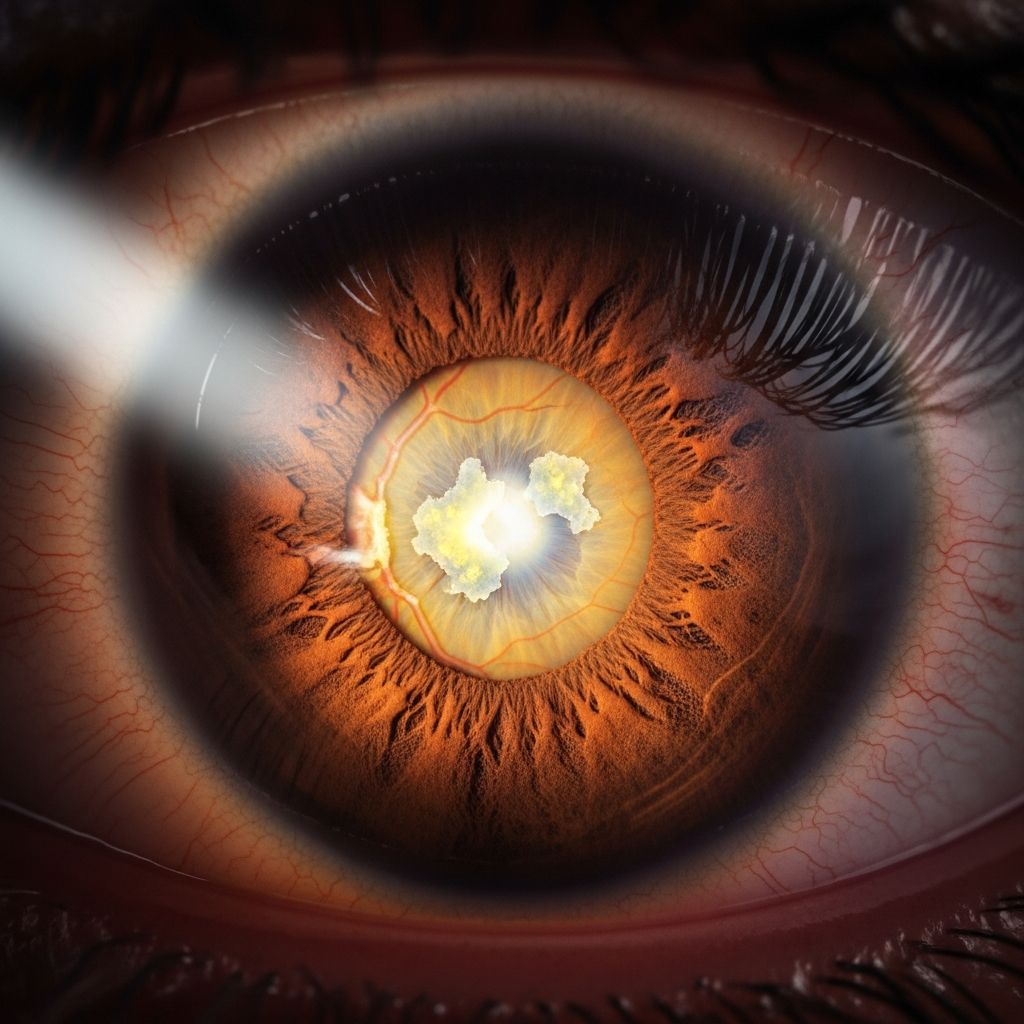
Stargardt disease represents the most common form of inherited juvenile macular degeneration, primarily impacting central vision in children and young adults. This progressive retinal condition arises from genetic mutations that impair the eye’s ability to process visual waste, leading to cellular damage in the macula—the retina’s central region responsible for sharp, detailed sight.
Genetic Foundations of Stargardt Disease
The core issue in Stargardt disease stems from mutations in the
ABCA4 gene
, which encodes a protein essential for transporting toxic byproducts out of photoreceptor cells in the retina. These photoreceptors detect light, and the protein normally clears fatty substances like lipofuscin from the retinal pigment epithelium (RPE), a supportive layer beneath them.When the ABCA4 gene is faulty, lipofuscin accumulates excessively, forming harmful compounds such as A2E that poison RPE and photoreceptor cells. This buildup triggers inflammation, cell death, and scarring, particularly in the macula. Inheritance follows an autosomal recessive pattern, meaning a child must inherit two mutated copies—one from each parent—to develop the disease. Carriers with one mutated gene typically show no symptoms.
Rarely, mutations in other genes like ELOVL4 or PROM1 can cause similar phenotypes, but ABCA4 accounts for over 90% of cases. Genetic testing confirms the specific mutation type, which influences disease severity and progression speed.
Recognizing Early Signs and Symptoms
Symptoms often emerge between ages 6 and 20, though adult-onset variants exist. Initial vision remains near-normal, delaying detection, but central vision gradually blurs, making tasks like reading or face recognition challenging. Peripheral vision usually stays intact, preserving mobility.
- Central scotomas: Blind spots in the visual field’s center that expand over time.
- Color perception deficits: Trouble distinguishing hues, especially pastels.
- Photophobia: Heightened sensitivity to bright light and glare.
- Delayed dark adaptation: Slow adjustment from light to dim environments, like entering a movie theater.
- Visual distortions: Wavy lines or metamorphopsia in advanced stages.
Progression varies: some lose significant acuity (20/200 or worse) within a decade, while others retain functional vision for decades. Children may first complain of reading difficulties in school.
Diagnostic Approaches for Confirmation
Eye specialists use a multi-step process to diagnose Stargardt disease, starting with a comprehensive dilated exam revealing characteristic “yellow flecks” (fisheye-shaped pisciform spots) around the macula and a beaten-bronze fundus appearance.
Key tests include:
| Test | Purpose | Key Findings |
|---|---|---|
| Fundus Autofluorescence (FAF) | Detects lipofuscin via natural fluorescence | Hypoautofluorescent macula with hyperautofluorescent flecks |
| Optical Coherence Tomography (OCT) | Cross-sectional retinal imaging | Thinning of outer retinal layers, RPE loss |
| Fluorescein Angiography | Dye highlights blood flow | “Dark choroid” due to lipofuscin blocking dye |
| Visual Field Testing | Maps blind spots | Central scotomas |
| Electroretinography (ERG) | Measures retinal electrical response | Reduced cone/rod function |
Genetic sequencing of ABCA4 solidifies diagnosis, guides prognosis, and screens family members. Early identification enables timely interventions.
Related Stories



Current Management and Supportive Care
No cure exists, but strategies slow progression and maximize remaining vision. Photoprotection is cornerstone: UV-blocking sunglasses and hats reduce lipofuscin formation from blue light exposure.
Avoid high-dose vitamin A supplements, as they exacerbate lipofuscin buildup. Low-vision rehabilitation includes magnifiers, high-contrast aids, screen readers, and occupational therapy for daily adaptation.
In rare neovascular complications (choroidal neovascularization), anti-VEGF injections like aflibercept stabilize sudden vision drops. Smoking cessation and healthy diet support overall retinal health.
Emerging Therapies and Clinical Breakthroughs
Research accelerates with over a dozen trials targeting root causes. Gene therapies deliver functional ABCA4 via viral vectors to rescue photoreceptors. Animal models show reduced A2E and preserved function post-injection.
Recent advances as of 2025 include:
- SpliceBio ASTRA Trial: Dual AAV protein-splicing therapy treats all ABCA4 mutations; first patient dosed March 2025.
- Belite Bio DRAGON Trial: Oral tinlarebant (ACDN-01) inhibits visual cycle to block lipofuscin; FDA fast-track.
- Nanoscope Phase 3: Optogenetic MCO-010 converts bipolar cells to light-sensitive for advanced cases; intravitreal delivery.
- Stem Cell Replacement: RPE cell transplants via iPSCs to restore support layer.
Pharmacologics slowing visual cycle (e.g., ALK-001) reduce toxic byproducts. Phase 2/3 data promising for vision stabilization.
Daily Life Adaptations for Patients
Stargardt demands lifestyle shifts. Education accommodations like large-print materials aid school success. Vocational rehab matches careers to peripheral strengths, avoiding detail-heavy roles.
Tech aids empower independence:
- Voice assistants (Siri, Alexa) for navigation and tasks.
- Magnifying apps with OCR for text-to-speech.
- Audio books, podcasts, and GPS audio cues.
- High-contrast keyboards and smart home devices.
Psychosocial support combats isolation: peer groups, counseling, and family genetic counseling are vital, especially for youth facing lifelong adaptation.
Prognosis and Long-Term Outlook
Most retain peripheral vision lifelong, avoiding total blindness, but central loss impacts quality of life. Mutation severity predicts rate: mild variants allow driving longer; severe ones prompt early aids. Regular monitoring tracks changes and trial eligibility.
With 2025 therapies entering pivotal stages, patients may soon access disease-modifying options, potentially halting or reversing early damage.
Frequently Asked Questions (FAQs)
What age does Stargardt disease typically start?
Usually between 6-20 years, though adult forms occur later.
Is Stargardt disease preventable?
No, as it’s genetic, but UV protection may slow progression.
Can children with Stargardt drive?
Depends on acuity; many lose eligibility as vision declines.
How do I get genetic testing?
Through ophthalmologists or specialized labs post-exam.
Are there support organizations?
Yes, like Fighting Blindness and Macular Society for resources and trials.
References
- Stargardt Disease: What It Is, Symptoms & Treatment — Cleveland Clinic. 2024. https://my.clevelandclinic.org/health/diseases/24298-stargardt-disease
- Stargardt Disease — Macular Disease Foundation Australia. 2024. https://www.mdfoundation.com.au/about-macular-disease/other-macular-conditions/stargardt-disease/
- Stargardt Disease — UCSF Health. 2024. https://www.ucsfhealth.org/conditions/stargardt-disease
- Stargardt Disease/Fundus Flavimaculatus — EyeWiki (AAO). 2024. https://eyewiki.org/Stargardt_Disease/Fundus_Flavimaculatus
- Stargardt Disease Treatments 2025 — Cannon EyeCare. 2025. https://seattleeyecaredoctor.com/stargardt-disease/
- Stargardt disease — Macular Society. 2024. https://www.macularsociety.org/macular-disease/macular-conditions/stargardt-disease/
- What is Stargardt Disease? — BrightFocus Foundation. 2024. https://www.brightfocus.org/resource/what-is-stargardt-disease/
- Stargardt Disease Research Advances — Foundation Fighting Blindness. 2024. https://www.fightingblindness.org/news/stargardt-disease-research-advances-862
Similar Articles








Read full bio of medha deb