Starting a Gluten-Free Diet: A Guide for Beginners
Learn how to start a gluten-free diet successfully with practical tips, safe foods, hidden gluten sources, and beginner meal plans.
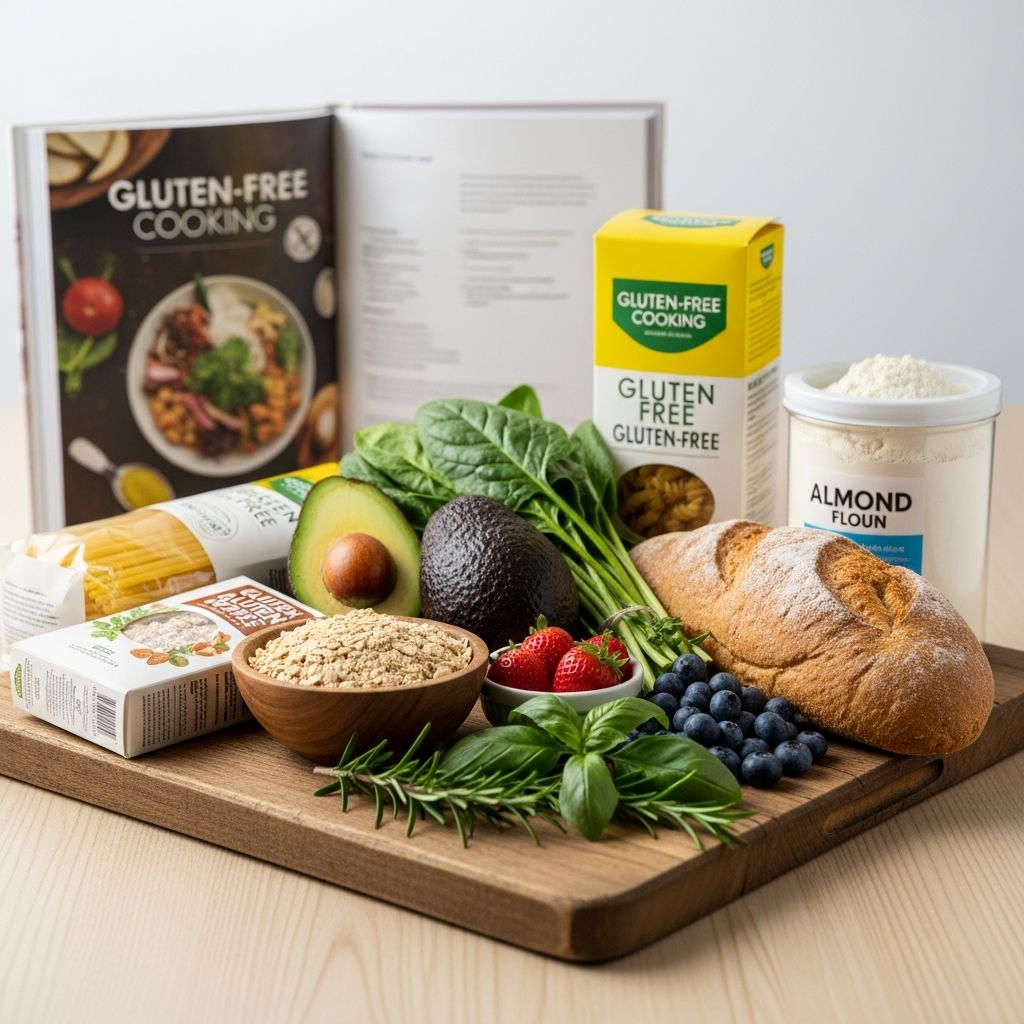
Embarking on a
gluten-free diet
can transform your health if you have celiac disease, gluten sensitivity, or simply want to explore dietary changes. This guide provides step-by-step advice on eliminating gluten while maintaining nutrition and enjoyment in meals.What Is Gluten and Why Go Gluten-Free?
Gluten is a protein found in grains like
wheat
,barley
,rye
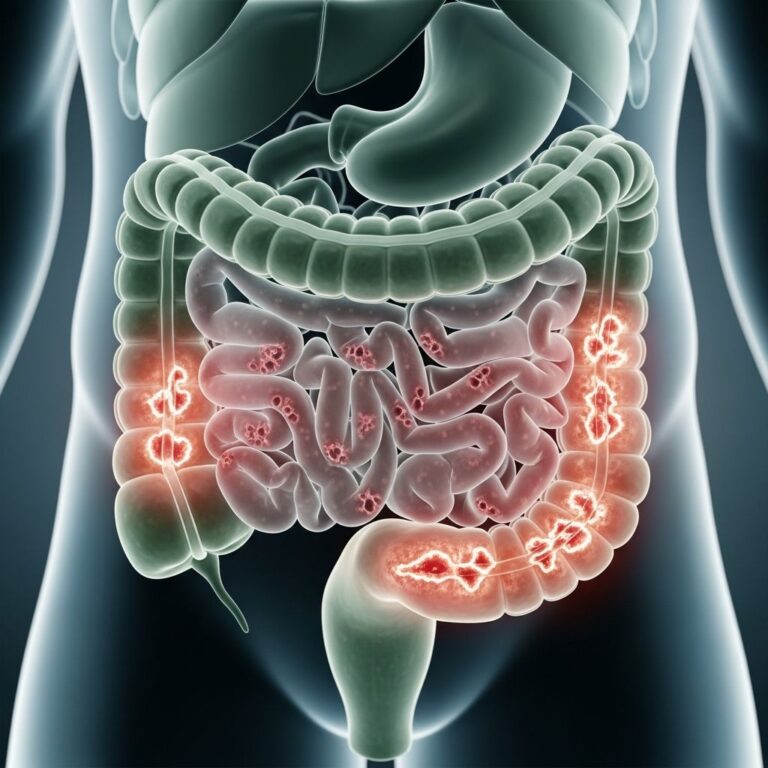
, and triticale that gives dough its elasticity and helps baked goods maintain shape. For most people, gluten is harmless, but it triggers immune responses in those withceliac disease
, causing intestinal damage, ornon-celiac gluten sensitivity
, leading to symptoms like bloating, fatigue, and digestive issues.Going gluten-free is medically necessary for celiac patients to prevent long-term complications like nutrient malabsorption and osteoporosis. Others may adopt it for symptom relief or wellness, though evidence for non-medical benefits is limited. Always consult a healthcare professional before starting to confirm diagnosis and monitor nutrition.
Who Should Consider a Gluten-Free Diet?
- Celiac disease: An autoimmune disorder affecting about 1% of the population; gluten damages the small intestine.
- Wheat allergy: An allergic reaction to wheat proteins, distinct from gluten intolerance.
- Non-celiac gluten sensitivity: Symptoms mimic celiac but without intestinal damage.
- Dermatitis herpetiformis: A gluten-related skin condition.
Diagnosis via blood tests or biopsy is crucial; self-diagnosing can lead to unnecessary restrictions.
Foods to Eat on a Gluten-Free Diet
Many foods are naturally gluten-free, forming the foundation of a balanced diet. Focus on whole, unprocessed options to ensure nutrient density.
Fresh Produce and Proteins
- Fresh
fruits
andvegetables
(e.g., apples, berries, spinach, broccoli); check processed versions for additives. - **Meats, poultry, fish, and seafood** (unbreaded, unseasoned).
- **Eggs** and most
low-fat dairy
like plain milk, yogurt, and cheese. - **Legumes, nuts, and seeds** in natural forms (beans, lentils, almonds).
Gluten-Free Grains and Flours
Safe grains provide fiber, vitamins, and energy alternatives to wheat.
- **Amaranth, buckwheat, millet, quinoa, teff**.
- **Corn** (labeled gluten-free), rice (including wild), sorghum.
- **Gluten-free flours**: rice, corn, potato, bean, soy, tapioca, arrowroot, flax.
Incorporate these into porridges, salads, and baking for variety.
Foods to Avoid
Steer clear of obvious and hidden gluten sources to prevent cross-contamination and symptoms.
| Category | Examples to Avoid |
|---|---|
| Breads & Grains | Wheat bread, pasta, cereals, bulgur, matzo, couscous |
| Baked Goods | Cakes, cookies, pies, crackers, croutons |
| Processed Foods | Seasoned rice mixes, soups, bouillon, French fries, chips |
| Beverages & Misc | Beer (unless gluten-free), malt vinegar, communion wafers |
Even “wheat-free” labels may contain barley or rye; vigilance is key.
How to Read Labels and Shop Smart
In the U.S., “**gluten-free**” labels mean less than 20 ppm gluten, ensuring safety for most. Scan ingredients for wheat, barley, rye, malt, brewer’s yeast, or triticale. Look for allergen statements.
- Choose certified products to minimize cross-contamination risks.
- Opt for fresh over packaged to avoid additives.
- Buy in bulk for grains like quinoa and rice to save costs.
Related Stories



Apps and gluten-free aisles simplify shopping, but always verify.
Sample 7-Day Gluten-Free Meal Plan
This beginner-friendly plan emphasizes variety, balance, and simplicity, clocking ~1,800-2,200 calories daily. Adjust portions as needed.
| Day | Breakfast | Lunch | Dinner | Snacks |
|---|---|---|---|---|
| Monday | Chia pudding with Greek yogurt, berries, vanilla | Chicken lentil veggie soup | Steak tacos in corn tortillas with mushrooms, spinach | Apple with almond butter |
| Tuesday | Veggie omelet | Quinoa salad with tomatoes, cucumber, avocado | Shrimp skewers with garden salad | Carrot sticks, hummus |
| Wednesday | Oatmeal (gluten-free) with berries, walnuts | Tuna salad with eggs | Chicken broccoli stir-fry with tamari | Greek yogurt, nuts |
| Thursday | Avocado toast (gluten-free bread), egg | Burrito bowl: rice, beans, guac, veggies | Garlic butter shrimp, salad | Banana |
| Friday | Banana-berry smoothie with yogurt | Chicken salad wrap (gluten-free) | Baked salmon, potatoes, broccoli | Cottage cheese, fruit |
| Saturday | Mushroom zucchini frittata | Stuffed peppers with beef, rice, cheese | Roasted chicken quinoa salad | Trail mix (gluten-free) |
| Sunday | Poached eggs, gluten-free toast | Chicken salad with olive oil | Grilled lamb, roasted veggies | Handful of seeds |
Drink plenty of water; include healthy fats like olive oil and avocados.
Gluten-Free Cooking and Baking Tips
Master substitutions for successful meals:
- Flour blends: Mix rice flour, potato starch, xanthan gum for elasticity.
- Binders: Eggs, flaxseed meal replace gluten’s structure.
- Recipes: Start with simple swaps like almond flour pancakes.
Avoid cross-contamination: Use separate toasters, utensils, and cutting boards. Clean surfaces thoroughly.
Eating Out and Social Tips
Dining out requires preparation:
- Research menus for gluten-free options (grilled meats, salads, rice bowls).
- Inform servers; request no breading or shared grills.
- Choose chains with dedicated gluten-free menus.
- Carry safe snacks for events.
At home, host with labeled dishes and alternatives.
Nutritional Concerns and Supplements
Gluten-free diets risk deficiencies in
fiber, iron, B vitamins, calcium
due to limited grains. Some products are higher in sugar/fat.- Enrich diet with quinoa, legumes, fortified rice.
- Consult a
registered dietitian
for personalized plans. - Consider supplements if tested deficient (e.g., vitamin D, folate).
Monitor weight and energy; balance prevents issues.
Common Mistakes to Avoid
- Relying on processed gluten-free junk food.
- Ignoring hidden gluten in sauces, dressings.
- Skipping label reads on meds/cosmetics.
- Not planning meals, leading to boredom.
Track symptoms in a food diary for adjustments.
Frequently Asked Questions (FAQs)
What is the best way to start a gluten-free diet?
Consult a doctor for diagnosis, purge pantry of gluten items, stock safe foods, and follow a meal plan like the one above.
Can I eat oats on a gluten-free diet?
Only certified
gluten-free oats
; regular oats risk cross-contamination with wheat.Is rice always gluten-free?
Pure rice is, but flavored/seasoned rice mixes often contain gluten; choose plain or labeled gluten-free.
How do I prevent cross-contamination?
Use color-coded utensils, separate storage, and clean shared surfaces diligently.
Will I lose weight on gluten-free?
Not automatically; focus on whole foods for health benefits over weight loss.
References
- Gluten-free diet — Mayo Clinic Staff. 2023-10-18. https://www.mayoclinic.org/healthy-lifestyle/nutrition-and-healthy-eating/in-depth/gluten-free-diet/art-20048530
- The Gluten-Free Diet: A Beginner’s Guide with Meal Plan — Healthline. 2024-05-15. https://www.healthline.com/nutrition/gluten-free-diet
Similar Articles








Read full bio of medha deb