Starting Insulin For Type 2 Diabetes: Practical Guide
Comprehensive guide to beginning insulin therapy safely and effectively for better blood sugar control in type 2 diabetes patients.
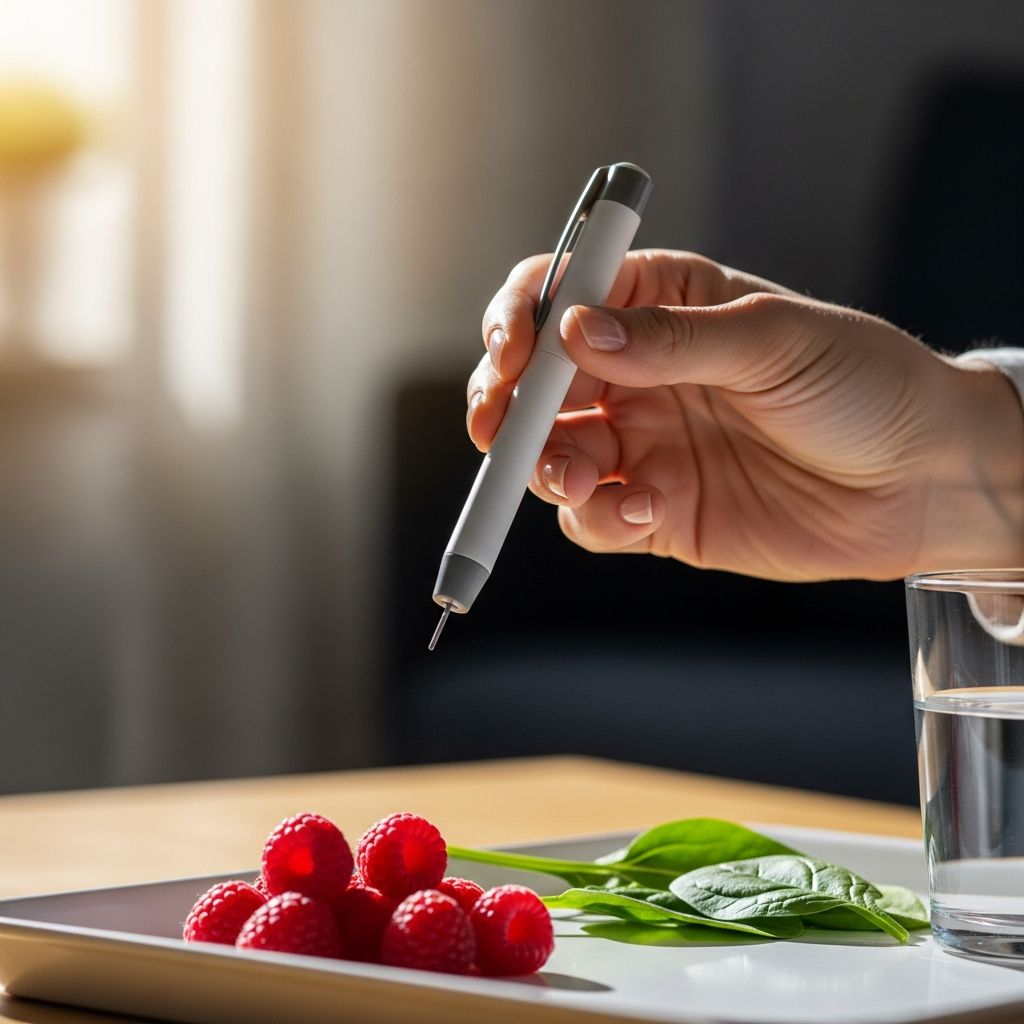
Insulin therapy marks a pivotal step in managing type 2 diabetes when oral medications and lifestyle changes no longer suffice to control blood glucose levels. This guide explores the rationale, strategies, and practical considerations for introducing insulin, drawing from established clinical protocols to empower patients and healthcare providers.
Understanding the Need for Insulin in Type 2 Diabetes
Type 2 diabetes involves progressive beta-cell dysfunction, where the pancreas produces insufficient insulin or the body resists its effects. Initially managed with diet, exercise, and oral agents like metformin, many patients eventually require insulin as endogenous production declines. According to guidelines, insulin initiation is recommended when A1C exceeds 10%, blood glucose surpasses 300 mg/dL, or symptoms of hyperglycemia persist despite maximal oral therapy.
Delaying insulin can lead to prolonged hyperglycemia, increasing risks of cardiovascular complications, neuropathy, and retinopathy. Early intervention with insulin not only restores glycemic control but also preserves beta-cell function, potentially allowing reduced doses later.
Types of Insulin and Their Roles
Insulin formulations are categorized by onset, peak, and duration to mimic natural pancreatic secretion.
- Basal insulin: Long-acting analogs like glargine or detemir provide steady 24-hour coverage, suppressing overnight glucose production. Ideal for first-line insulin therapy.
- Prandial (bolus) insulin: Rapid-acting analogs such as lispro, aspart, or glulisine cover post-meal spikes, injected 0-15 minutes before eating.
- Premixed insulin: Combines basal and prandial components (e.g., 70/30 mix) for simplified regimens, suitable for patients needing multiple daily doses.
Choosing the right type depends on lifestyle, hypoglycemia risk, and glycemic patterns monitored via continuous glucose monitoring (CGM) or self-monitoring of blood glucose (SMBG).
When to Begin Insulin Therapy
Healthcare providers assess readiness based on clinical indicators:
- A1C >9% despite triple oral therapy for >3 months.
- Random blood glucose >250-300 mg/dL or fasting >140 mg/dL persistently.
- Symptomatic hyperglycemia: polyuria, polydipsia, unexplained weight loss.
- Acute illness or surgery requiring rapid control.
For patients on high-dose oral agents, transitioning to insulin often involves continuing metformin to leverage its insulin-sensitizing effects, unless contraindicated.
Step-by-Step Guide to Basal Insulin Initiation
Basal insulin is the cornerstone of initial therapy due to its simplicity and lower hypoglycemia risk compared to full basal-bolus regimens.
- Calculate starting dose: 10 units daily or 0.1-0.2 units/kg body weight for most patients. For A1C >8%, consider 0.2-0.3 units/kg.
- Timing: Once daily at bedtime or evening meal; split to twice daily if daytime hyperglycemia occurs.
- Titration: Adjust by 2-4 units or 10-15% every 3-4 days based on fasting plasma glucose (FPG) target of 80-130 mg/dL. Use treat-to-target algorithms for self-adjustment under supervision.
| FPG (mg/dL) | Action |
|---|---|
| <70 | Reduce dose by 10-20% or 4 units |
| 70-130 | Maintain dose |
| 131-180 | Increase by 2 units |
| >180 | Increase by 4 units or 10% |
This table, adapted from ADA protocols, guides safe titration.
Advancing to Prandial Insulin
Once basal insulin achieves FPG targets but A1C remains elevated, add prandial coverage. ADA outlines three intensification options:
Related Stories



- Regimen 1 (Basal +1): Start rapid-acting insulin at 2-4 units or 10% of basal dose before the largest meal (often dinner). Titrate by 1-2 units until postprandial target (post-meal <180 mg/dL). Progress to 2-3 meals if needed.
- Regimen 2: Add GLP-1 receptor agonist (e.g., liraglutide) to basal insulin for synergistic effects, minimizing weight gain and hypoglycemia. Fixed-ratio combos like iGlarLixi start at 15-30 units.
- Regimen 3: Switch to premixed insulin (e.g., 70/30) twice or thrice daily, totaling 0.3-0.5 units/kg, split 50/50 basal/prandial.
Combination Therapies and Modern Options
Fixed-ratio co-formulations simplify therapy:
- IDegLira: Starts at 16 units (insulin degludec + liraglutide), titrate by 2 units every 3-4 days.
- iGlarLixi: 15 units for low-dose prior basal (<30 units), 30 units otherwise; adjust by 2-4 units weekly.
These reduce injection burden while improving A1C by 1.8-2.5% in trials, outperforming basal alone.
Monitoring and Adjusting Doses
Regular SMBG or CGM is essential: check fasting, pre-meal, 1-2 hours postprandial, and bedtime glucose. Target time-in-range (70-180 mg/dL) >70%.
Titration frequency: Weekly reviews with provider; patients can self-titrate using apps or algorithms. Address barriers like injection anxiety through education.
Managing Hypoglycemia Risks
Hypoglycemia (glucose <70 mg/dL) affects 20-30% on insulin. Prevention strategies:
- Educate on symptoms (shakiness, sweating) and rule of 15: 15g fast carbs, recheck in 15 min.
- Avoid overtreatment of asymptomatics.
- Reduce dose proactively during illness, exercise, or alcohol use.
GLP-1 combos lower hypo risk vs. bolus insulin.
Lifestyle Integration for Optimal Control
Insulin works best alongside:
- Diet: Carbohydrate counting for prandial dosing (1 unit per 10-15g carbs initially).
- Exercise: Adjust basal down 20% for prolonged activity; monitor closely.
- Weight management: Basal insulin may cause modest gain (2-4 kg); pair with GLP-1 or SGLT2i.
Patient Education and Support
Success hinges on comprehensive training: injection technique, storage (room temp <28 days), rotation sites (abdomen, thighs). Digital tools like apps for logging and reminders enhance adherence.
Overcome myths: Insulin doesn’t cause blindness/amputations; it prevents them by controlling glucose.
Common Challenges and Solutions
| Challenge | Solution |
|---|---|
| Dawn phenomenon (AM hyperglycemia) | Split basal or add bedtime snack |
| Weight gain | Low-carb diet, GLP-1 addition |
| Injection pain | 90-degree angle, new needles |
| Cost barriers | Generics, assistance programs |
Frequently Asked Questions (FAQs)
Does starting insulin mean my diabetes is worsening?
No, it’s a natural progression; timely insulin protects organs.
How quickly does insulin lower blood sugar?
Basal effects in 1-2 days; full control in 1-2 weeks with titration.
Can I stop oral meds on insulin?
Metformin often continues; others may be tapered.
What if I miss a dose?
Basal: Take ASAP if <12h late; skip if longer. Prandial: Dose for next meal only.
Is insulin safe long-term?
Yes, with proper management; benefits outweigh risks.
References
- Insulin Therapy in Type 2 Diabetes Algorithm — Indian Health Service. 2017. https://www.ihs.gov/sites/diabetes/themes/responsive2017/display_objects/documents/algorithms/DmInsulinTherapy.pdf
- Insulin Initiation and Titration in Patients With Type 2 Diabetes — PMC (NCBI). 2019-05-01. https://pmc.ncbi.nlm.nih.gov/articles/PMC6528396/
- Getting Started with Insulin if You Have Type 2 Diabetes — diaTribe.org. N/A. https://diatribe.org/diabetes-medications/getting-started-insulin-if-you-have-type-2-diabetes
- Insulin Initiation and Titration in Patients With Type 2 Diabetes — Diabetes Spectrum (ADA). 2019-04-01. https://diabetesjournals.org/spectrum/article/32/2/104/32457/Insulin-Initiation-and-Titration-in-Patients-With
- Type 2 Diabetes Mellitus: Outpatient Insulin Management — AAFP. 2018-01-01. https://www.aafp.org/pubs/afp/issues/2018/0101/p29.html
- Insulin Routines — American Diabetes Association. N/A. https://diabetes.org/health-wellness/medication/insulin-routines
- Initiation and Titration of Basal Insulin — ADCES. N/A. https://www.adces.org/education/danatech/insulin-medicine-delivery/basal-insulin-titration/basal-insulin-initiation-and-titration
Similar Articles








Read full bio of Sneha Tete