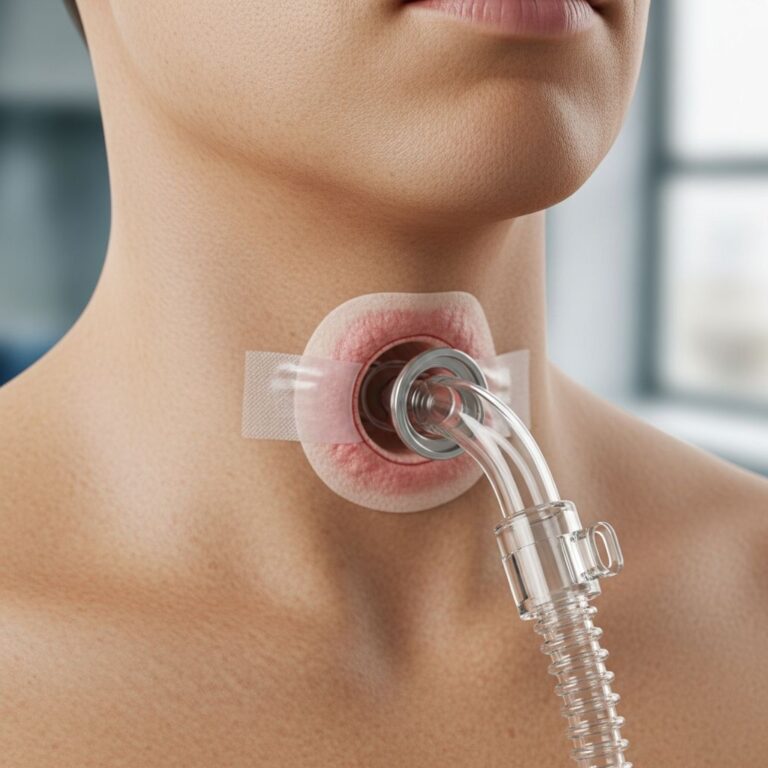
Status Asthmaticus: Causes, Symptoms & Treatment
Understanding status asthmaticus: a life-threatening asthma emergency requiring urgent medical care.
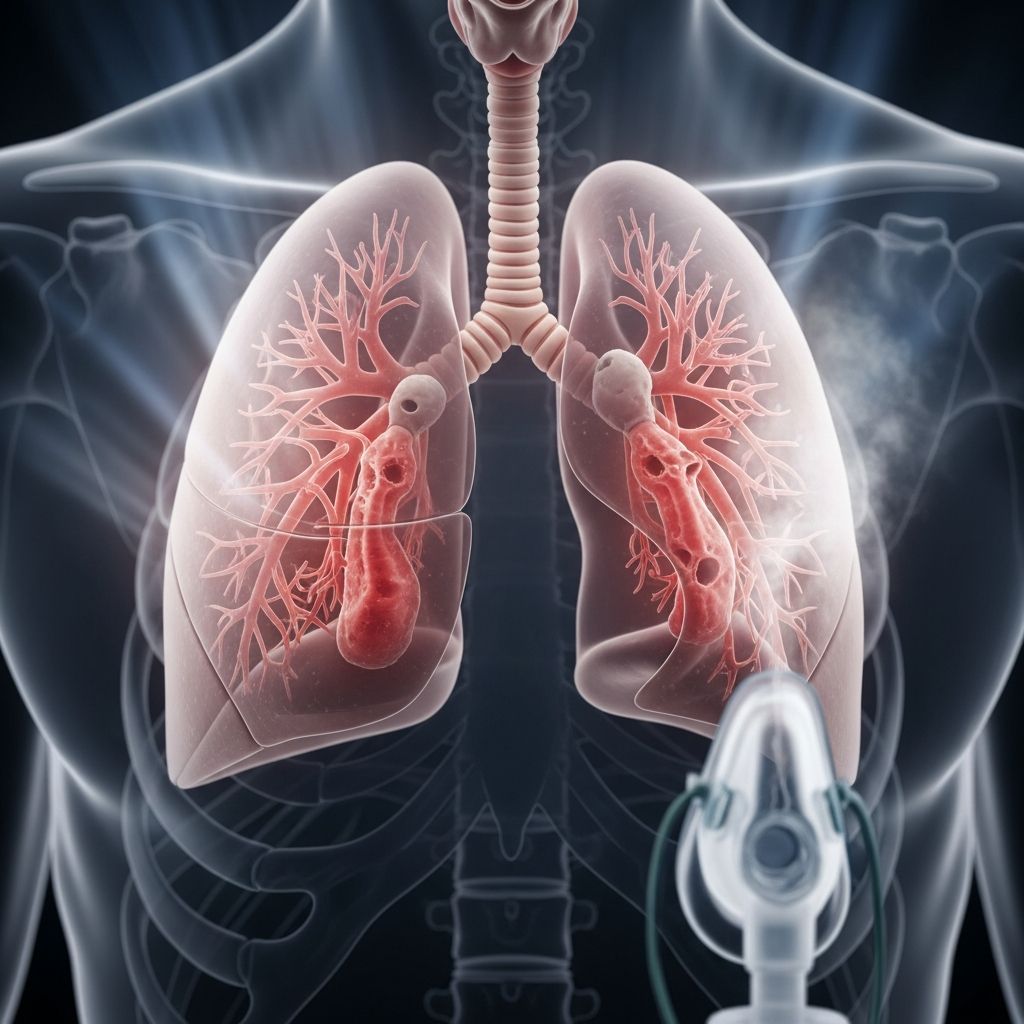
What Is Status Asthmaticus?
Status asthmaticus, also known as acute severe asthma, is a severe asthma attack that does not improve with standard asthma treatments. It is a medical emergency that can make it extremely difficult to breathe and may lead to respiratory failure if not treated promptly.
Causes of Status Asthmaticus
Status asthmaticus typically occurs when an asthma attack is triggered by factors such as:
- Allergens (pollen, dust, pet dander)
- Respiratory infections (viral or bacterial)
- Environmental irritants (smoke, pollution)
- Physical exertion
- Emotional stress
- Medication non-compliance or incorrect use of inhalers
In some cases, status asthmaticus can develop due to a sudden worsening of asthma symptoms, especially if the person has not responded to initial rescue medications like albuterol or corticosteroids.
Symptoms of Status Asthmaticus
The symptoms of status asthmaticus are more severe than those of a typical asthma attack and may include:
- Severe shortness of breath
- Wheezing that does not improve with treatment
- Coughing that persists despite medication
- Chest tightness or pain
- Difficulty speaking in full sentences
- Use of accessory muscles to breathe (neck, chest, abdomen)
- Bluish tint to lips or fingernails (cyanosis)
- Confusion or drowsiness
- Exhaustion from trying to breathe
A particularly concerning sign is a “silent chest,” where there is little or no wheezing due to severely reduced airflow, which may indicate impending respiratory failure.
Diagnosis of Status Asthmaticus
Healthcare providers diagnose status asthmaticus based on:
- Medical history and physical examination
- Assessment of breathing difficulty and oxygen levels
- Pulse oximetry to measure blood oxygen saturation
- Arterial blood gas analysis to assess oxygen and carbon dioxide levels
- Chest X-ray to rule out other causes of respiratory distress
- Lung function tests (if possible)
The Clinical Respiratory Score (CRS) is often used to assess severity:
| CRS Component | Mild (≤3) | Moderate (4–7) | Severe (8–12) |
|---|---|---|---|
| Respiratory rate | Normal | Moderately increased | Markedly increased |
| Auscultation | Mild wheezing | Moderate wheezing | Severe wheezing or silent chest |
| Accessory muscle use | Minimal | Moderate | Severe |
| Mental status | Alert | Agitated | Confused or drowsy |
| Room air SpO2 | ≥95% | 90–94% | <90% |
| Color | Pink | Pale | Cyanotic |
Treatment of Status Asthmaticus
Treatment for status asthmaticus is urgent and typically involves:
- Oxygen therapy to maintain adequate oxygen levels
- Medications to reduce swelling and open the airways, such as:
- Inhaled or intravenous bronchodilators (e.g., albuterol, epinephrine)
- Systemic corticosteroids (e.g., prednisone, methylprednisolone)
- Anticholinergics (e.g., ipratropium)
- Continuous nebulization for severe cases
- IV fluids if dehydration is present
- Monitoring in a hospital setting, often in the intensive care unit (ICU)
- Mechanical ventilation in severe cases where breathing is inadequate
The goal of treatment is to relieve airway obstruction, improve oxygenation, and prevent complications such as respiratory failure.
When Is Mechanical Ventilation Needed?
Related Stories



Mechanical ventilation is required in a small percentage of patients with status asthmaticus, typically when:
- There is severe hypoxemia unresponsive to supplemental oxygen
- Respiratory or cardiac arrest occurs
- There is significant respiratory distress or fatigue
- Mental status changes (e.g., confusion, drowsiness)
Intubation and mechanical ventilation are life-saving interventions but carry risks, so they are used only when absolutely necessary.
Prognosis and Complications
With prompt and appropriate treatment, most people with status asthmaticus recover fully. However, complications can include:
- Respiratory failure
- Pneumothorax (collapsed lung)
- Cardiac arrhythmias
- Death (rare, but possible in severe cases)
Long-term outcomes depend on the severity of the attack, the timeliness of treatment, and the presence of underlying health conditions.
Prevention of Status Asthmaticus
Preventing status asthmaticus involves:
- Regular use of prescribed asthma medications
- Avoiding known asthma triggers
- Following an asthma action plan
- Seeking medical care early if symptoms worsen
- Regular follow-up with a healthcare provider
Education for patients and families about recognizing early signs of worsening asthma and knowing when to seek emergency care is crucial.
Frequently Asked Questions (FAQs)
Q: What is the difference between an asthma attack and status asthmaticus?
A: An asthma attack is a sudden worsening of asthma symptoms that usually responds to rescue medications. Status asthmaticus is a severe asthma attack that does not improve with standard treatments and requires urgent medical intervention.
Q: Can status asthmaticus be fatal?
A: Yes, status asthmaticus can be life-threatening if not treated promptly. It can lead to respiratory failure and, in rare cases, death.
Q: How long does it take to recover from status asthmaticus?
A: Recovery time varies depending on the severity of the attack and the individual. Most people recover within a few days to a week with appropriate treatment.
Q: What should I do if someone is having status asthmaticus?
A: Call emergency services immediately. While waiting for help, assist the person in sitting upright, use their rescue inhaler if available, and stay calm to help them remain calm.
Q: Is mechanical ventilation always needed for status asthmaticus?
A: No, most people with status asthmaticus do not require mechanical ventilation. It is only used in severe cases where breathing is inadequate despite other treatments.
References
- Status Asthmaticus in the Pediatric ICU: A Comprehensive Review — PMC. 2024. https://pmc.ncbi.nlm.nih.gov/articles/PMC11348376/
- Status Asthmaticus: Causes, Symptoms & Treatment — Cleveland Clinic. 2024. https://my.clevelandclinic.org/health/diseases/status-asthmaticus
- A Cost-Saving Algorithm for Children Hospitalized for Status Asthmaticus — JAMA Pediatrics. 2024. https://jamanetwork.com/journals/jamapediatrics/fullarticle/189970
Similar Articles








Read full bio of medha deb