Status Epilepticus: Understanding This Life-Threatening Seizure Emergency
Learn about status epilepticus, a medical emergency requiring immediate treatment to prevent brain damage.
What Is Status Epilepticus?
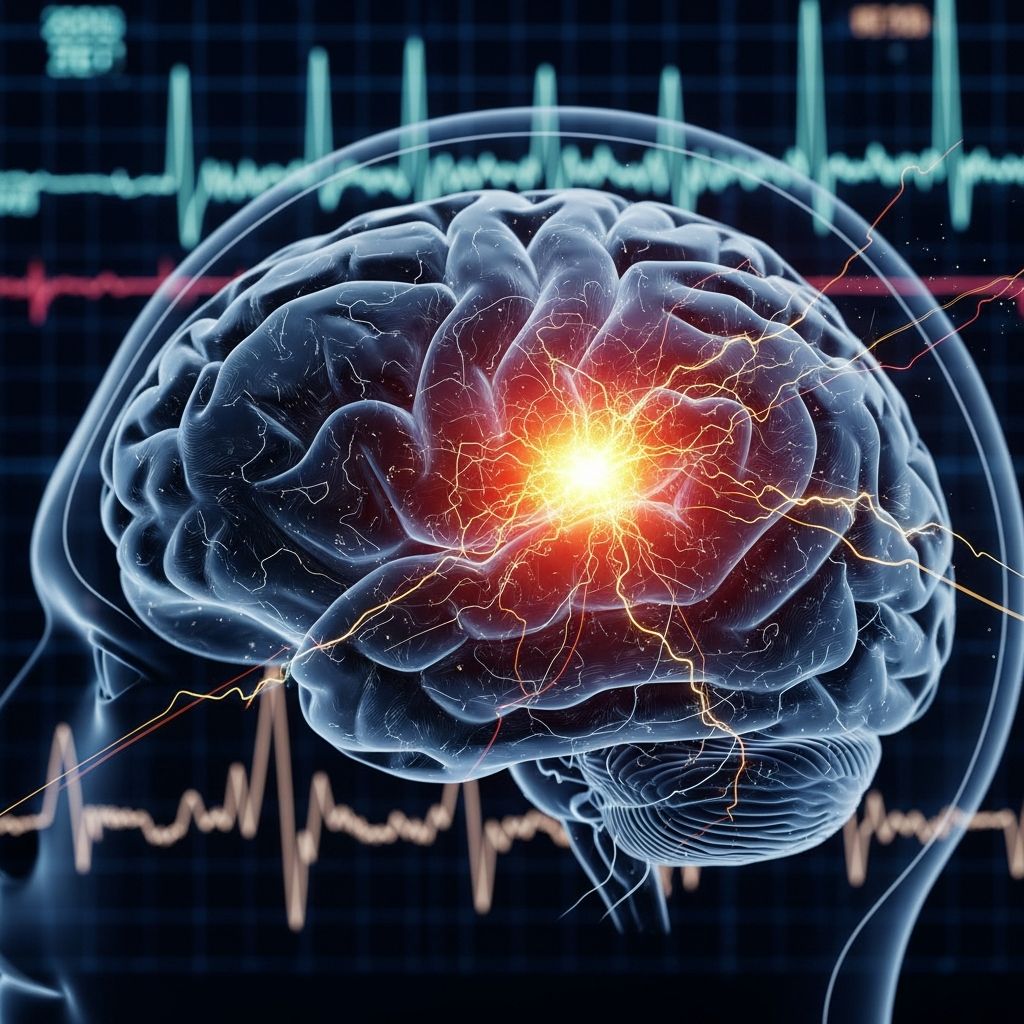
Status epilepticus (SE) is a serious medical emergency characterized by prolonged seizure activity or recurrent seizures without complete return to normal consciousness or baseline neurological function. Unlike typical seizures that last less than five minutes, status epilepticus involves continuous seizure activity lasting five or more minutes, or multiple seizures occurring in rapid succession without the person regaining consciousness between episodes.
This condition represents one of the most urgent neurological emergencies and requires immediate medical intervention. The longer a seizure continues without treatment, the more difficult it becomes for healthcare providers to stop it with medication, and the greater the risk of permanent brain damage, serious injury, or death. Early recognition and rapid treatment are essential to prevent irreversible neurological damage and improve patient outcomes.
Types of Status Epilepticus
Status epilepticus manifests in several distinct forms, each presenting with different clinical characteristics and requiring specific treatment approaches:
Convulsive Status Epilepticus
Convulsive status epilepticus (CSE) is the most common and most dangerous type, characterized by visible tonic-clonic movements of the body. During the tonic phase, which typically lasts less than one minute, muscles become rigid and stiff. The person loses consciousness, eyes roll back, and breathing becomes difficult. This transitions into the clonic phase, where rapid jerking and spasming movements occur in the neck and limbs, gradually slowing over several minutes. Convulsive status epilepticus carries a mortality rate of 20-30% in elderly patients and 0-3% in young children. Survivors often experience lasting cognitive and neurological deficits.
Nonconvulsive Status Epilepticus
Nonconvulsive status epilepticus (NCSE) is characterized by prolonged altered consciousness without the visible convulsive movements of CSE. Patients typically present with persistent confusion, altered awareness, staring, and unresponsiveness. About 50% of NCSE cases involve patients who remain semi-conscious and can respond but are confused, while 44% experience prolonged or fragmentary coma. Nonconvulsive status epilepticus is often underdiagnosed because it lacks the dramatic physical manifestations of convulsive forms, making clinical recognition more challenging.
Focal Motor Status Epilepticus
This type involves seizure activity limited to specific body regions without impaired consciousness. Epilepsia partialis continua is a variant involving hour-, day-, or even week-long jerking movements in localized areas. This form typically results from vascular disease, tumors, or encephalitis and is often resistant to standard antiseizure medications.
Refractory Status Epilepticus
Refractory status epilepticus develops when seizure activity fails to respond to first-line anticonvulsant therapies. This challenging variant accounts for approximately one-third of all status epilepticus cases and requires more aggressive intervention and intensive care management. New-onset refractory status epilepticus (NORSE) represents a specific clinical presentation in patients without active epilepsy or other relevant neurological disorders, with new-onset refractory seizures without clear structural, toxic, or metabolic causes.
Causes and Risk Factors
Status epilepticus can result from various acute and chronic medical conditions. Understanding these underlying causes is crucial for appropriate treatment and prevention of recurrence.
Neurological Causes
Cerebrovascular events represent significant risk factors for status epilepticus. Stroke, hemorrhage, and other cerebrovascular accidents can precipitate seizure activity by disrupting normal brain electrical function. Head trauma with or without intracranial bleeding frequently leads to status epilepticus, particularly in acute settings. Central nervous system infections including meningitis, encephalitis, and intracranial abscesses are common acute causes, especially in children. Brain tumors and remote CNS pathology from previous traumatic brain injury or stroke can cause chronic breakthrough seizures.
Related Stories



Medication and Substance-Related Causes
Inadequate dosing or sudden withdrawal of anticonvulsant medications remains one of the most common preventable causes of status epilepticus. Similarly, abrupt discontinuation of benzodiazepines can trigger status epilepticus, mirroring alcohol withdrawal mechanisms. Alcohol withdrawal itself is a significant risk factor, particularly in patients with alcohol use disorder. Drug toxicity from various medications and intoxication from drugs or other substances can precipitate status epilepticus.
Metabolic and Systemic Causes
Metabolic disturbances significantly increase status epilepticus risk. Hypoglycemia, hyponatremia, hypocalcemia, hepatic encephalopathy, and inborn errors of metabolism in children are important metabolic causes. Severe dehydration, particularly when combined with other risk factors, can trigger status epilepticus. Sleep deprivation beyond short periods often causes loss of seizure control and can precipitate status epilepticus. Hypertensive emergencies and hypoxia can also contribute to seizure development.
Pre-existing Epilepsy
A history of epilepsy is the most significant risk factor for status epilepticus, with approximately 15% of epilepsy patients experiencing a status epilepticus episode during their lifetime. Refractory epilepsy—seizures poorly controlled by antiseizure medications—particularly increases this risk.
Symptoms and Clinical Presentation
The clinical presentation of status epilepticus varies depending on the type and varies in severity:
Convulsive Status Symptoms
Patients with convulsive status epilepticus present with obvious physical manifestations including generalized tonic-clonic movements of the extremities and severely impaired mental status. During the initial tonic phase, consciousness is lost abruptly, muscles become rigid, the back arches, eyes roll upward, and breathing becomes labored or may temporarily stop. The subsequent clonic phase involves rhythmic jerking and spasming movements that gradually slow over minutes. Temporary focal neurological deficits such as Todd paralysis may appear in the postictal period.
Nonconvulsive Status Symptoms
Nonconvulsive status epilepticus presents subtly without obvious physical convulsions. Patients may appear confused, absent, or unresponsive. Some patients maintain semi-consciousness and can respond to stimuli but demonstrate marked confusion. Others may experience altered awareness or prolonged periods of reduced consciousness.
Diagnosis of Status Epilepticus
Accurate and rapid diagnosis of status epilepticus is critical for initiating timely treatment and preventing brain injury:
Diagnostic Criteria
Status epilepticus is diagnosed when continuous seizure activity persists for five or more minutes or when recurrent seizures occur without intervening periods of neurological recovery for greater than five minutes. Previous definitions used a 30-minute threshold, but current diagnostic criteria emphasize earlier recognition to enable rapid intervention.
Diagnostic Procedures
A comprehensive diagnostic workup includes multiple components:
- Blood glucose measurement to exclude hypoglycemia as a cause
- Neuroimaging of the head (CT or MRI) to identify structural abnormalities, hemorrhage, or other lesions
- Blood tests assessing electrolytes, liver and kidney function, and metabolic parameters
- Electroencephalogram (EEG) to confirm seizure activity, particularly for detecting nonconvulsive seizures
EEG is particularly important for diagnosing nonconvulsive status epilepticus, which may not be apparent from clinical observation alone. The EEG helps distinguish status epilepticus from conditions that mimic it clinically.
Differential Diagnosis
Several conditions can present similarly to status epilepticus and must be excluded during diagnosis. Psychogenic nonepileptic seizures may resemble status epilepticus but lack the characteristic EEG changes. Low blood sugar (hypoglycemia), movement disorders, meningitis including tuberculous meningitis, and delirium can all mimic status epilepticus. Careful clinical assessment and diagnostic testing help differentiate these conditions from true status epilepticus.
Complications and Prognosis
Status epilepticus carries significant risks for serious complications. Prolonged or repeated seizure activity can cause permanent brain damage, particularly when treatment is delayed beyond 30 minutes. The longer seizures persist, the greater the risk of irreversible neurological injury, cognitive deficits, and neurological disability. Status epilepticus also increases the risk of death, especially in elderly patients and those with convulsive forms. Patients who survive initial onset are frequently left with lasting cognitive and neurological problems.
Treatment Approaches
Immediate medical intervention is essential for status epilepticus. First-line treatment involves rapid administration of seizure-suppressing medications, typically benzodiazepines such as lorazepam or diazepam. These medications work most effectively when administered promptly—any delay significantly reduces their effectiveness. For patients who fail to respond to initial medications, second-line agents including phenytoin, valproate, or levetiracetam may be employed. Patients requiring intensive medication management often necessitate admission to an intensive care unit (ICU) for continuous EEG monitoring and advanced life support.
Prevention Strategies
Preventing status epilepticus requires careful management of known risk factors. Patients with epilepsy should maintain consistent adherence to prescribed anticonvulsant medications at therapeutic doses without interruption. Individuals should avoid alcohol misuse and seek treatment for alcohol use disorder. Prompt medical attention for conditions such as stroke, CNS infections, and metabolic disturbances helps prevent status epilepticus development. Adequate sleep and hydration support seizure control. Regular follow-up with healthcare providers ensures appropriate medication management and identification of breakthrough seizures early.
Frequently Asked Questions
Q: How long is status epilepticus considered an emergency?
A: Status epilepticus is defined as seizure activity lasting five or more minutes and is considered an emergency from the onset. Brain damage can begin accumulating, particularly after 30 minutes of continuous seizure activity, making immediate treatment essential.
Q: Can status epilepticus occur without visible seizure movements?
A: Yes. Nonconvulsive status epilepticus occurs without obvious physical convulsions. Patients may appear confused, unresponsive, or absent but still experience dangerous seizure activity visible only on EEG.
Q: What percentage of people with epilepsy experience status epilepticus?
A: Approximately 15% of people with epilepsy will experience at least one episode of status epilepticus during their lifetime.
Q: What is the mortality rate for status epilepticus?
A: Mortality varies by age and seizure type. Convulsive status epilepticus carries a mortality rate of 20-30% in elderly patients and 0-3% in young children.
Q: Can missing doses of seizure medication cause status epilepticus?
A: Yes. Inadequate dosing or sudden withdrawal of anticonvulsant medications is one of the most common preventable causes of status epilepticus. Consistent adherence to prescribed medications is crucial for seizure control.
Q: How is nonconvulsive status epilepticus diagnosed?
A: Nonconvulsive status epilepticus is diagnosed through EEG monitoring, which shows seizure activity despite the absence of visible convulsions. Clinical assessment revealing confusion or altered consciousness combined with characteristic EEG patterns confirms the diagnosis.
References
- Status Epilepticus — Wikipedia. 2025. https://en.wikipedia.org/wiki/Status_epilepticus
- Status Epilepticus – Symptoms, Diagnosis and Treatment — BMJ Best Practice. 2025. https://bestpractice.bmj.com/topics/en-us/464
- Status Epilepticus — StatPearls, National Center for Biotechnology Information (NCBI), U.S. National Library of Medicine. 2025. https://www.ncbi.nlm.nih.gov/books/NBK430686/
- Status Epilepticus — Texas Children’s Hospital. 2025. https://www.texaschildrens.org/content/conditions/status-epilepticus
- What Is Status Epilepticus? What Causes It? — WebMD. 2025. https://www.webmd.com/epilepsy/status-epilepticus
- Status Epilepticus — Life in the Fast Lane (LITFL), Critical Care Neurology. 2025. https://litfl.com/status-epilepticus/
- Epilepsy – Symptoms and Causes — Mayo Clinic. 2025. https://www.mayoclinic.org/diseases-conditions/epilepsy/symptoms-causes/syc-20350093
Similar Articles








Read full bio of Sneha Tete