Stress Management During Turbulent Times: Expert Strategies
Master practical strategies to manage stress and anxiety during uncertain and challenging periods.
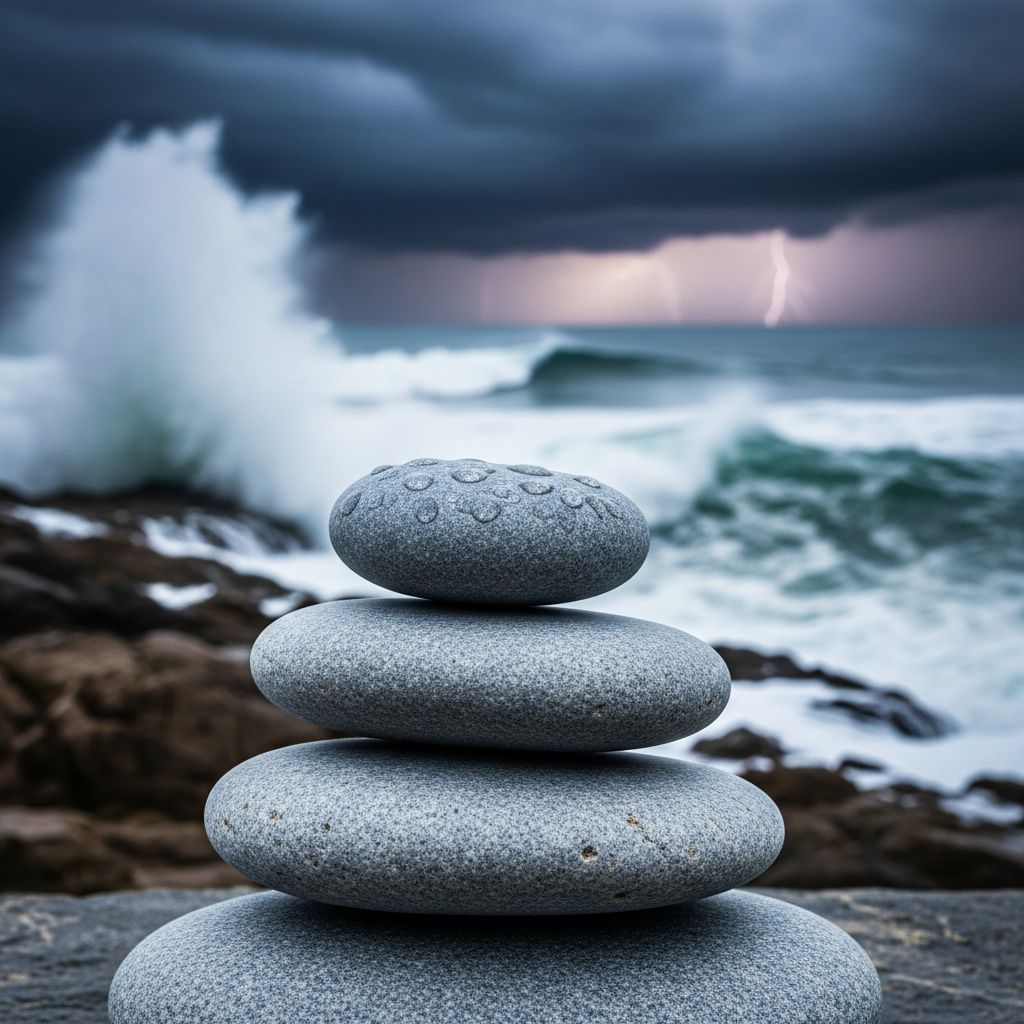
Understanding Stress and Turbulent Times
In today’s fast-paced world, turbulent times seem increasingly common. Whether facing economic uncertainty, health crises, workplace challenges, or major life transitions, stress and anxiety have become prevalent experiences for many people. The constant barrage of news, social media updates, and daily pressures can leave us feeling overwhelmed and emotionally exhausted. Understanding the nature of stress and recognizing its impact on our physical and mental health is the first step toward developing effective coping strategies.
Stress is a natural response to perceived threats or challenges, triggering our body’s fight-or-flight response. While some stress can be motivating, prolonged exposure to stressful situations without adequate coping mechanisms can lead to anxiety, depression, burnout, and various health problems. During turbulent times, this stress response can become chronic, affecting our ability to think clearly, maintain relationships, and perform effectively in our daily lives.
The Power of Mindfulness and Meditation
One of the most effective tools for managing stress during turbulent times is mindfulness—the practice of paying attention to the present moment without judgment. Mindfulness helps us break free from ruminating about the past or worrying about the future, two common patterns that amplify anxiety. By anchoring ourselves in the present, we can reduce the mental clutter that often overwhelms us during uncertain periods.
Meditation, a cornerstone practice for developing mindfulness, works by training the mind to observe thoughts without becoming caught up in them. During meditation, we learn to recognize that our minds naturally generate countless thoughts every moment, but we don’t have to react to all of them. This mental clarity gained through regular meditation practice extends into daily life, helping us respond more skillfully to challenges rather than react impulsively.
Building a Daily Meditation Practice
Establishing a consistent meditation routine creates a foundation for emotional resilience. Morning meditation, often combined with compassion and loving-kindness practices, sets a positive intention for the day ahead. This morning practice helps us prepare mentally and emotionally for the challenges we may face. Evening meditation allows us to reflect on the day’s events, examine how we responded to different situations, and identify areas for personal growth.
This rhythm of intention and reflection builds inner clarity and strengthens our emotional capacity to handle stress. Even brief sessions—beginning with just 5-10 minutes daily—can produce significant benefits. As your practice develops, you’ll notice increased ability to remain calm during difficult moments and a greater sense of overall well-being.
Breathing Techniques for Immediate Calm
When anxiety strikes, our breathing often becomes shallow and rapid, which actually intensifies the stress response. Conscious breathing techniques offer an immediate tool for calming the nervous system. These techniques work by activating the parasympathetic nervous system, which counteracts the stress response and promotes relaxation.
Practical Breathing Exercises
Several evidence-based breathing techniques can quickly reduce anxiety:
- Diaphragmatic breathing: Breathing deeply from the belly rather than shallow chest breathing signals safety to your nervous system and increases oxygen flow to the brain.
- Box breathing: Inhale for four counts, hold for four counts, exhale for four counts, hold for four counts. This rhythmic pattern promotes calm and focus.
- 4-7-8 breathing: Inhale for four counts, hold for seven counts, exhale for eight counts. The extended exhale activates the relaxation response.
- Alternate nostril breathing: This yogic technique involves breathing through one nostril at a time, promoting balance and reducing anxiety.
Related Stories



Practicing these techniques regularly—not just during moments of crisis—trains your nervous system to respond more calmly to stressors. Over time, you’ll find it easier to access this calm state even when facing significant challenges.
Managing Media Consumption and Information Overload
In turbulent times, constant exposure to news and social media can significantly amplify anxiety and stress. The 24-hour news cycle and social media algorithms are designed to capture attention through emotionally charged content, often featuring negative or alarming information. While staying informed is important, excessive media consumption can be counterproductive to your mental health.
Setting Healthy Boundaries with Technology
Establishing clear boundaries around technology use is crucial for maintaining mental well-being. Consider implementing these practical strategies:
- Designate phone-free times, particularly after 7:00 PM and during meals, to reduce constant connectivity.
- Avoid sleeping with your phone in the bedroom, allowing for better sleep quality and preventing late-night anxiety spirals.
- Choose specific times for checking news and social media rather than constantly throughout the day.
- Take regular social media fasts—periods of days or weeks where you completely abstain from these platforms.
- Curate your information sources carefully, selecting reputable news outlets and limiting exposure to sensationalism.
Remember that important emergencies will reach you through direct communication. The fear of missing something urgent is rarely justified and shouldn’t serve as an excuse for constant connectivity. Your mental health is worth the temporary disconnect from the endless stream of information.
Building Social Connections and Support Networks
Humans are inherently social beings, and meaningful relationships are essential for emotional resilience. During turbulent times, isolation can intensify anxiety and depression, while connection provides comfort, perspective, and practical support. However, relationships themselves require ongoing attention and care to remain healthy.
Cultivating Meaningful Connections
Quality relationships aren’t destinations but ongoing journeys of growth and change. During challenging periods:
- Reach out to trusted friends and family: Don’t try to handle stress alone. Sharing what you’re experiencing with supportive people relieves the psychological burden.
- Practice compassionate listening: When others share their struggles, your presence and understanding alone provide healing value without needing to fix everything.
- Create community: Whether through work groups, spiritual communities, hobby groups, or volunteer organizations, shared purpose and mutual support strengthen resilience.
- Set realistic expectations: Relationships are not always smooth; they evolve through differences and growth. This understanding reduces disappointment during conflicts or challenges.
- Show kindness and care: Treating colleagues and loved ones with compassion narrows emotional distance and creates environments of mutual support.
Connection combats the isolation that often accompanies stress and provides both emotional support and practical assistance during difficult times. Remember that you are not alone in facing challenges, and sharing your struggles is a sign of strength, not weakness.
Physical Self-Care During Stressful Periods
The mind-body connection is well-established by scientific research. Physical well-being directly influences mental and emotional health, particularly during turbulent times. Neglecting basic self-care—sleep, exercise, nutrition, and relaxation—can intensify stress responses and reduce your ability to cope effectively.
Key Physical Self-Care Practices
Prioritize these foundational practices for maintaining resilience:
- Regular exercise: Physical activity reduces stress hormones, releases mood-boosting endorphins, and improves sleep quality. Even 20-30 minutes of daily movement significantly impacts anxiety levels.
- Quality sleep: During stress, sleep often suffers, yet adequate rest is when your brain processes emotions and consolidates learning. Protect sleep by maintaining regular schedules and limiting screen time before bed.
- Nutritious eating: Proper nutrition supports brain function and emotional regulation. Limit caffeine and sugar, which can amplify anxiety, and focus on whole foods that provide sustained energy.
- Time in nature: Exposure to natural environments reduces stress hormones and promotes psychological restoration. Even brief time outdoors provides measurable benefits.
- Progressive muscle relaxation: Systematically tensing and releasing muscle groups promotes physical relaxation and body awareness, counteracting the physical tension that accompanies stress.
Cognitive Strategies for Managing Anxious Thoughts
During turbulent times, our thoughts often become distorted, with our minds focusing on worst-case scenarios and catastrophizing about future events. These thought patterns amplify anxiety and prevent us from accessing our problem-solving abilities. Cognitive strategies help us recognize and reshape unhelpful thinking patterns.
Reframing and Perspective-Taking
When anxious thoughts arise, practice these cognitive techniques:
- Identify the thought: Simply naming anxious thoughts—”I’m having the thought that everything will go wrong”—creates distance and reduces their power.
- Question the evidence: Ask whether your anxious thoughts are based on facts or assumptions. Often they reflect catastrophic predictions rather than likely outcomes.
- Consider alternative perspectives: What would you tell a friend in this situation? What other ways might this situation unfold?
- Focus on what you control: Identify what actions are within your control and direct your energy there, accepting what you cannot control.
- Practice gratitude: Deliberately noting things for which you’re grateful shifts attention away from threats and toward positive aspects of your life.
Seeking Professional Support
While self-help techniques are valuable, sometimes professional mental health support becomes necessary. If anxiety or stress significantly interferes with your daily functioning, relationships, work performance, or physical health, reaching out to a mental health professional is an important step toward recovery.
When to Seek Help
Consider professional support if you experience:
- Persistent anxiety that doesn’t respond to self-help strategies
- Depression or feelings of hopelessness
- Sleep disturbances that significantly impact daily life
- Physical symptoms without clear medical causes
- Difficulty concentrating or making decisions
- Increased substance use or unhealthy coping behaviors
Mental health professionals—including therapists, counselors, psychiatrists, and psychiatric nurse practitioners—offer evidence-based treatments like cognitive-behavioral therapy, medication when appropriate, and specialized techniques for anxiety and stress management. Seeking help is a sign of wisdom and self-care, not weakness.
Building Long-Term Emotional Resilience
While turbulent times are inevitable, developing emotional resilience means building the capacity to navigate challenges effectively and recover from difficulties. Resilience isn’t something you’re born with; it’s a skill developed through practice and intentional effort.
Key Components of Resilience
Strengthen your emotional resilience through:
- Regular self-reflection: Understanding your values, strengths, and past successes provides resources during difficult times.
- Consistent practices: Daily meditation, exercise, journaling, or spiritual practice builds the inner stability needed during crises.
- Strong relationships: Cultivating and maintaining meaningful connections creates a support network for difficult times.
- Meaning and purpose: Connecting with something larger than yourself—whether spiritual beliefs, community service, or personal values—provides perspective and motivation during challenges.
- Flexibility: Adapting your strategies based on changing circumstances and learning from experiences builds problem-solving capacity.
Frequently Asked Questions
Q: How long does it take to see benefits from meditation?
A: Many people notice improved calm and focus within the first few weeks of regular practice. However, deeper benefits typically develop over months and years of consistent meditation. Even brief daily sessions—as little as 5-10 minutes—can produce measurable improvements in stress and anxiety.
Q: Can breathing exercises really reduce anxiety quickly?
A: Yes. Conscious breathing techniques activate the parasympathetic nervous system, which counteracts the stress response within minutes. Techniques like box breathing or 4-7-8 breathing can provide immediate relief during acute anxiety episodes.
Q: Is it possible to manage anxiety without medication?
A: Many people successfully manage anxiety through lifestyle changes, mindfulness practices, exercise, sleep, and social connection. However, some anxiety conditions benefit from medication, and professional evaluation helps determine the best approach for your individual situation.
Q: How much should I limit news and social media consumption?
A: While staying informed is important, most mental health professionals recommend limiting news to 20-30 minutes daily at specific times rather than constant checking. Social media use should be intentional and limited, with regular fasts of several days to weeks recommended for mental health.
Q: Can physical exercise really help with anxiety?
A: Absolutely. Regular exercise reduces stress hormones, releases mood-boosting endorphins, and improves sleep quality. Even moderate activity like brisk walking for 20-30 minutes daily significantly reduces anxiety levels and improves overall mental health.
Q: What should I do if self-help strategies aren’t working?
A: If anxiety persists despite implementing these strategies or significantly interferes with your daily life, professional mental health support is recommended. Therapists and other mental health professionals can provide evidence-based treatments tailored to your specific needs.
References
- Mindfulness During Times of Uncertainty — Harvard Catalyst. 2024. https://catalyst.harvard.edu/news/article/mindfulness-during-times-of-uncertainty/
- You Need to Be Bored. Here’s Why — Harvard Business Review. 2025-08. https://hbr.org/2025/08/you-need-to-be-bored-heres-why
- Helping Children Manage Anxiety During Emergencies — Oregon Department of Emergency Management. 2024. https://apps.oregon.gov/oregon-newsroom/OR/OEM/Posts/Post/helping-children-manage-anxiety
- Staying Calm in Turbulent Times — Harvard Health. 2024. https://www.health.harvard.edu/mind-and-mood/staying-calm-in-turbulent-times
- The Role of Social Connection in Mental Health — American Psychological Association. 2023. https://www.apa.org/science/about/psa/social-connection
- Physical Activity and Mental Health — Centers for Disease Control and Prevention. 2024. https://www.cdc.gov/mentalhealth/physical-activity/index.htm
- Evidence-Based Psychotherapy for Anxiety Disorders — National Institute of Mental Health. 2024. https://www.nimh.nih.gov/health/topics/anxiety-disorders
Similar Articles








Read full bio of medha deb