Staying Healthy During Pregnancy: Essential Tips
Complete guide to maintaining wellness and ensuring a safe pregnancy journey for you and your baby.
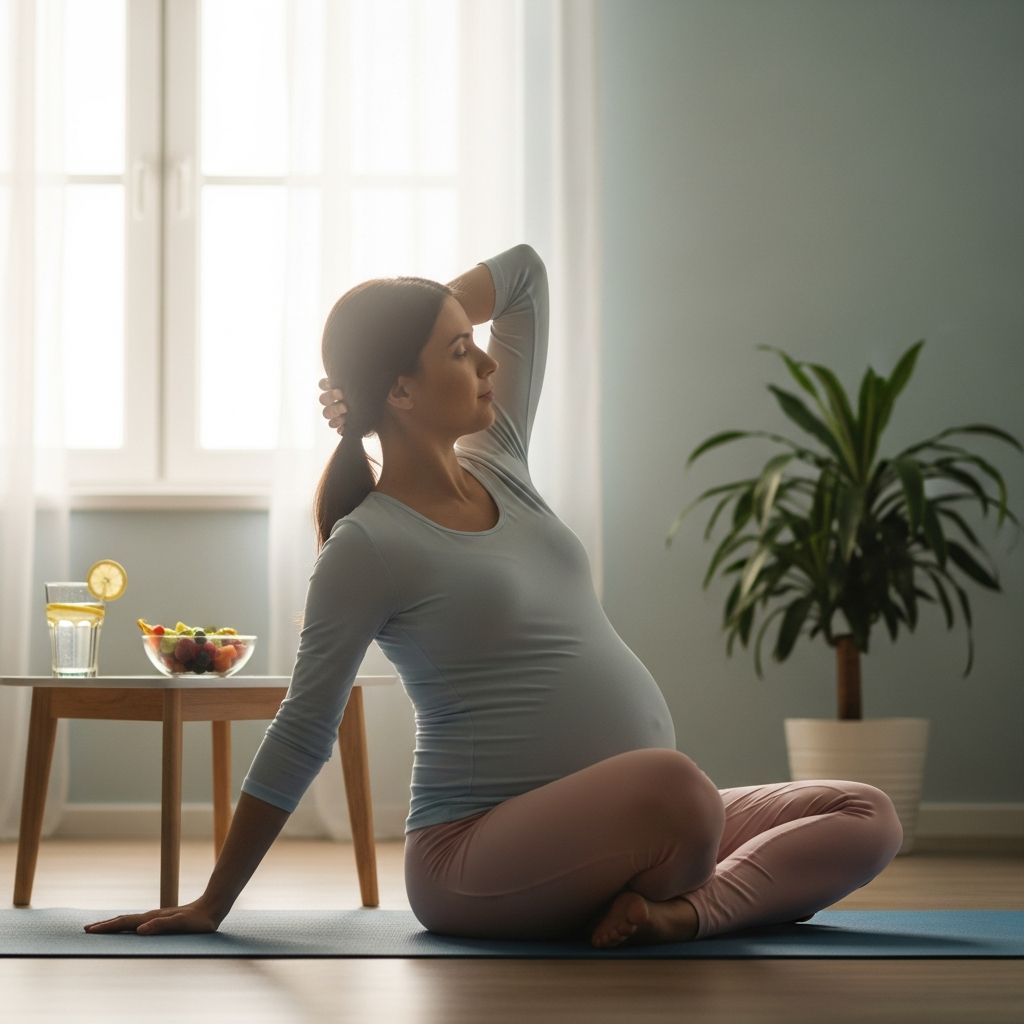
Pregnancy is a transformative time that requires careful attention to your health and well-being. Making informed choices about nutrition, exercise, prenatal care, and lifestyle changes can significantly impact both your health and your baby’s development. Whether you’re in your first trimester or preparing for delivery, understanding how to maintain optimal health during pregnancy is crucial for ensuring the best possible outcomes for both mother and child.
Understanding Your Nutritional Needs During Pregnancy
One of the most important aspects of staying healthy during pregnancy is meeting your increased nutritional requirements. As your body changes to support fetal development, you need more of certain vitamins, minerals, and proteins than you did before pregnancy. Your nutritional intake directly affects your baby’s growth, brain development, and overall health.
Essential Nutrients for Pregnancy
During pregnancy, your body requires additional amounts of several key nutrients. Calcium is essential for building your baby’s bones and teeth, while also maintaining your own bone health. Folic acid is critical in preventing neural tube defects and supporting your baby’s brain and spinal cord development; pregnant women should aim to consume 600 micrograms daily. Iron helps prevent anemia and ensures adequate oxygen supply to your baby. Protein supports tissue growth and development for both mother and baby, while DHA (omega-3 fatty acids) contributes to your baby’s brain and eye development.
Building a Balanced Pregnancy Diet
A healthy pregnancy diet should include a variety of food groups to ensure comprehensive nutrition. Fresh fruits and vegetables provide essential vitamins, minerals, and fiber. Whole grains, including whole-wheat bread, brown rice, and whole-grain cereals, offer sustained energy and help prevent constipation, a common pregnancy complaint. Lean proteins from sources such as poultry, fish, beans, and legumes support fetal development. Dairy products or fortified alternatives provide calcium and vitamin D needed for bone health.
Practical Eating Strategies
Never skip breakfast, as it sets the tone for your day’s nutrition. If you experience morning sickness upon waking, try eating dry whole-wheat or whole-grain toast before getting out of bed, then complete your breakfast later in the morning with fruit, oatmeal, cereal, milk, or yogurt. This approach helps manage nausea while ensuring adequate nutrition.
Keeping healthy foods readily available makes nutritious choices easier. Maintain a bowl of fresh fruits like apples, bananas, peaches, oranges, and grapes for convenient snacking. Fresh, frozen, and canned fruits and vegetables can be quickly added to meals, and canned beans provide quick protein and fiber. Eating smaller, more frequent meals rather than three large meals can help manage both morning sickness and heartburn, two common pregnancy complaints.
Managing Common Pregnancy Digestive Issues
Handling Morning Sickness
Morning sickness, medically known as hyperemesis, affects many pregnant women, particularly during the first trimester. If you experience persistent nausea or vomiting, consult your healthcare provider for guidance. They may recommend dietary adjustments such as eating smaller, more frequent meals and drinking plenty of fluids throughout the day. Ginger, vitamin B6, and certain medications may also help manage symptoms while keeping your healthy eating habits on track.
Related Stories



Managing Heartburn
Heartburn is common during pregnancy due to hormonal changes and physical pressure on your digestive system. To minimize heartburn, consume smaller meals more frequently rather than large meals. Eat slowly and avoid spicy and fatty foods such as hot peppers or fried chicken. Drink beverages between meals rather than with meals, and avoid lying down immediately after eating. These simple modifications can significantly reduce discomfort and allow you to maintain adequate nutrition.
Preventing Constipation
Constipation frequently occurs during pregnancy due to hormonal changes and pressure from the growing uterus. Consuming high-fiber foods including whole-grain cereals, vegetables, fruits, beans, whole-wheat bread, and brown rice can prevent constipation. Additionally, drinking plenty of water and engaging in daily physical activity support healthy digestion and bowel function.
Foods and Substances to Avoid During Pregnancy
Harmful Beverages and Substances
Alcohol should be completely avoided during pregnancy, as it can harm your baby’s development and lead to serious complications. Instead, choose healthy beverages such as apple cider, tomato juice, sparkling water, or other nonalcoholic options. Caffeine should be limited during pregnancy; if you consume large amounts of coffee, tea, or soda, consult your healthcare provider about reducing caffeine intake. Consider switching to decaffeinated versions of your favorite beverages or enjoying warm low-fat or fat-free milk and sparkling mineral water.
Foods Containing Harmful Bacteria
Certain foods can contain dangerous bacteria or parasites that may harm your developing baby. Raw fish such as sushi, sashimi, or ceviche should be avoided due to potential bacterial contamination. Raw or undercooked meat and poultry pose similar risks. Always cook fish, meat, and poultry thoroughly to safe internal temperatures before consuming. Additionally, avoid unpasteurized dairy products, which may contain harmful bacteria such as Listeria.
Mercury-Containing Fish
While fish provides valuable omega-3 fatty acids and protein, certain species contain high levels of mercury, which can harm your baby’s nervous system development. Avoid consuming shark, swordfish, king mackerel, and tilefish during pregnancy. Limit consumption of other fish to no more than 350 grams per week. Instead, choose lower-mercury options such as salmon, sardines, and trout.
Unusual Cravings
Some pregnant women develop cravings for non-food items such as laundry starch or clay—a condition known as pica. If you experience such cravings, discuss them with your healthcare provider, as they may indicate nutritional deficiencies or other underlying health concerns.
Physical Activity and Exercise During Pregnancy
The Benefits of Prenatal Exercise
Almost all women can and should remain physically active during pregnancy. Regular exercise during pregnancy ensures you gain the appropriate amount of weight, boosts your mood, reduces physical discomfort, improves sleep quality, and promotes overall cardiovascular health. Exercise also helps manage gestational diabetes and reduces the risk of excessive weight gain that can complicate delivery.
Getting Started Safely
Before starting or continuing any exercise program during pregnancy, discuss your plans with your healthcare provider—especially if you have high blood pressure, diabetes, anemia, bleeding, or other medical conditions, or if you are obese or underweight. Your doctor can recommend a safe exercise level tailored to your individual health status and pregnancy circumstances. Whether or not you were physically active before pregnancy, your healthcare provider can help determine appropriate activities and intensity levels.
Exercise Recommendations
Aim for at least 30 minutes of moderately intense physical activity on most, if not all, days of the week. This can include brisk walking, swimming, stationary cycling, or modified versions of your favorite activities. Exercise should elevate your heart rate moderately but allow you to maintain a conversation while exercising.
Five Steps for Safe Exercise During Pregnancy
Following these guidelines helps ensure safe and beneficial exercise throughout your pregnancy:
- Always warm up for five to ten minutes before exercising and cool down afterward
- Avoid lying flat on your back for extended periods after the first trimester, as this can reduce blood flow
- Stay hydrated by drinking water before, during, and after exercise
- Stop exercising if you experience dizziness, shortness of breath, chest pain, or unusual fatigue
- Avoid high-impact activities, contact sports, and exercises with a fall risk
Activities to Avoid During Pregnancy
For you and your baby’s health and safety, certain activities should be avoided during pregnancy. These include high-contact sports such as boxing, basketball, or soccer that carry collision or fall risks. Avoid activities with significant fall potential such as skiing, horseback riding, or rock climbing. Do not engage in scuba diving, as pressure changes can harm your baby. Additionally, avoid strenuous exercise that leaves you breathless or causes extreme fatigue. Never participate in activities that involve abdominal trauma or lying on your back for extended periods.
Prenatal Care and Medical Supervision
Regular Prenatal Appointments
Consistent prenatal care is fundamental to maintaining a healthy pregnancy. Regular appointments allow your healthcare provider to monitor your health, track fetal development, and identify any potential complications early. During these visits, your provider will check your blood pressure, monitor your weight gain, test for gestational diabetes and anemia, and perform ultrasounds to assess fetal development and position.
Communicating with Your Healthcare Provider
Maintain open communication with your healthcare provider throughout your pregnancy. Report any concerns, unusual symptoms, or changes in how you feel. Your provider can offer evidence-based guidance on managing pregnancy-related conditions, medication safety, and lifestyle modifications tailored to your specific circumstances.
Mental Health and Emotional Well-being
Pregnancy involves significant physical and emotional changes. It is normal to experience a range of emotions, from excitement and joy to anxiety and concern. If you experience persistent sadness, anxiety, or other mental health concerns, discuss them with your healthcare provider. Prenatal depression and anxiety are treatable conditions, and seeking support is an important part of maintaining overall health during pregnancy.
Rest and Sleep During Pregnancy
Your body works hard during pregnancy, and adequate rest is essential. Try not to overdo it and prioritize sleep, as pregnancy often increases fatigue, particularly during the first and third trimesters. Aim for seven to nine hours of sleep per night, and don’t hesitate to take naps when needed. Proper rest supports immune function, emotional well-being, and optimal fetal development.
Preparing for a Healthy Pregnancy: Before Conception
Even before becoming pregnant, establishing healthy habits supports a successful pregnancy. Regular exercise and good nutrition are important foundations for your well-being. If you’re planning to become pregnant, begin taking prenatal vitamins containing folic acid, maintain a healthy weight, manage any existing health conditions, and eliminate harmful substances such as tobacco and alcohol. These preconception steps create the optimal environment for a healthy pregnancy.
Frequently Asked Questions
Q: How much weight should I gain during pregnancy?
A: Healthy weight gain depends on your pre-pregnancy weight. Generally, women with normal weight should gain 25-35 pounds, underweight women should gain 28-40 pounds, overweight women should gain 15-25 pounds, and obese women should gain 11-20 pounds. Your healthcare provider can provide personalized recommendations.
Q: Can I continue working during pregnancy?
A: Most women can continue working during pregnancy. However, if your job involves physical labor, chemical exposure, or other hazards, discuss modifications with your employer and healthcare provider to ensure safety for you and your baby.
Q: Is it safe to travel during pregnancy?
A: Generally, traveling is safe during pregnancy, particularly between weeks 14 and 20 when the risk of complications is lowest. Avoid traveling late in pregnancy, and discuss travel plans with your healthcare provider before making arrangements.
Q: What supplements should I take during pregnancy?
A: Prenatal vitamins containing folic acid, iron, calcium, and DHA are typically recommended. Your healthcare provider may recommend additional supplements based on your individual nutritional status and health conditions.
Q: When should I start prenatal care?
A: Ideally, schedule your first prenatal appointment as soon as you suspect pregnancy or receive a positive pregnancy test. Early prenatal care allows your healthcare provider to establish baseline health information and begin monitoring your pregnancy from the start.
Q: Can I exercise if I had a sedentary lifestyle before pregnancy?
A: Yes, but begin gradually. Start with gentle activities such as walking and gradually increase intensity as tolerated. Always consult your healthcare provider before starting a new exercise program during pregnancy.
Conclusion
Staying healthy during pregnancy requires a comprehensive approach that addresses nutrition, physical activity, prenatal care, and emotional well-being. By eating a balanced diet rich in essential nutrients, remaining physically active with your healthcare provider’s approval, attending regular prenatal appointments, and managing stress and rest, you create the optimal environment for a healthy pregnancy and optimal fetal development. Remember that every pregnancy is unique, and personalized guidance from your healthcare provider ensures that your individual health needs are addressed. Taking these steps demonstrates your commitment to a safe and healthy pregnancy journey for both you and your baby.
References
- Your Health during Pregnancy — Johns Hopkins Aramco Healthcare. 2025. https://www.jhah.com/en/news-events/in-focus/your-health-during-pregnancy/
- Maternal, Fetal and Perinatal Health Research and Practice — Johns Hopkins Bloomberg School of Public Health. 2025. https://publichealth.jhu.edu/departments/population-family-and-reproductive-health/research-and-practice/maternal-fetal-and-perinatal-health
- Pregnancy Support — Johns Hopkins Employer Health Programs (EHP). 2025. https://www.ehp.org/health-and-wellness/pregnancy-support/
- Nutrition During Pregnancy — Centers for Disease Control and Prevention (CDC). 2024. https://www.cdc.gov/nutrition/
- Guidelines on Physical Activity During Pregnancy — American College of Obstetricians and Gynecologists (ACOG). 2023. https://www.acog.org
- Prenatal Care: Overview — MedlinePlus, U.S. National Library of Medicine. 2024. https://medlineplus.gov/prenatalcare.html
Similar Articles








Read full bio of medha deb