STD Risk During Your Period: What You Need to Know
Understanding STD transmission risks during menstruation and protective measures.
Many people wonder whether it’s safe to have sex during menstruation and what health risks might be involved. While sexual activity during your period is generally safe, there are important considerations regarding sexually transmitted disease (STD) transmission that deserve attention. Understanding these risks and taking appropriate precautions can help you maintain your sexual health while making informed decisions about intimate activity during your menstrual cycle.
Understanding the Increased STD Risk During Menstruation
Research has demonstrated that the risk of contracting or transmitting sexually transmitted infections may be elevated during menstruation. This increased vulnerability is not simply a misconception but is supported by scientific evidence examining the relationship between the menstrual cycle and infection transmission rates.
The primary reason for this increased risk relates to changes in your vaginal environment during your period. Normally, your vagina maintains an acidic pH between 3.8 to 5.0, which creates a protective barrier against many harmful microorganisms. However, during menstruation, your vaginal pH becomes more alkaline, which allows bacteria and viruses to survive and multiply more readily in your reproductive tract. This alteration in the vaginal environment creates an ideal setting for pathogens to establish infections more easily than they might during other phases of your cycle.
Additionally, scientists believe that cyclical changes during your menstrual cycle may compromise your immune system’s ability to fight infections effectively. Research has shown that higher susceptibility to bacterial, viral, and fungal infections occurs during the luteal phase of the menstrual cycle, which is associated with elevated progesterone levels. This immunosuppression means your body’s natural defenses are temporarily weakened, making you more vulnerable to acquiring STDs if exposed to pathogens during sexual contact.
Which STDs Are Transmitted More Easily During Menstruation
Certain sexually transmitted infections pose a greater risk of transmission during your period, particularly blood-borne pathogens. Research has shown that people who reported having sex during menstruation were more likely to have a history of several STDs.
The infections most commonly associated with increased transmission during menstruation include:
- HIV
- Hepatitis B
- Herpes simplex virus
- Syphilis
- Chlamydia
- Gonorrhea
- Genital warts (condyloma)
- Trichomonas
- Chancroid
- Bacterial vaginosis
Among these, blood-borne infections like HIV and Hepatitis B warrant particular attention during menstruation. HIV is contained in blood, and transmission may occur through contact with menstrual blood containing the virus. Hepatitis B is notably more infectious than HIV and is seen more commonly in vaginal sex among unvaccinated individuals. However, it’s important to note that transmission of HIV from woman to man through period blood is rare, and the likelihood decreases significantly if the infected person has a reduced viral load due to antiretroviral medication.
Related Stories



How Menstruation Affects Your Body’s Defenses
Understanding the biological mechanisms behind increased STD risk during menstruation can help you appreciate why protection is so crucial during this time. Your menstrual cycle involves significant hormonal fluctuations that affect multiple body systems, including your immune function.
During the luteal phase of your cycle, which occurs after ovulation and leads up to menstruation, progesterone levels are elevated. This hormonal state is associated with what researchers call “cyclical immunosuppression,” meaning your immune system is less responsive to pathogens. If a pathogen gains entry during this phase, your body’s ability to mount an effective immune response is compromised, allowing microorganisms to establish infections more easily.
Furthermore, the inflammation and tissue changes associated with menstruation create additional vulnerabilities. The shedding of the uterine lining and the bleeding involved in menstruation create microscopic breaks in the vaginal and cervical tissue. These small breaks in the protective mucous membranes can provide additional entry points for pathogens to establish infections.
The Role of Menstrual Blood in STD Transmission
One specific concern during period sex is the potential for menstrual blood to facilitate STD transmission. Menstrual blood differs from regular vaginal fluid and may carry pathogens if you or your partner has a blood-borne STD.
If your partner has an STD that is present in blood, such as HIV or Hepatitis B, there is a theoretical risk of transmission through menstrual blood exposure. However, the actual risk varies depending on several factors. The viral load of the infection is particularly important—if an infected person is taking antiretroviral medications that have significantly reduced their viral load, the likelihood of transmission through period blood is minimal.
The risk of transmission is also increased if your partner has existing damage to their urogenital tract mucous membranes from infections like herpes, syphilis, or chlamydia, as these conditions make it easier for pathogens to establish new infections. Additionally, if menstrual blood comes into contact with open wounds or sores on your partner’s skin, such as cuts on their fingers or mouth, transmission becomes more likely, though such scenarios remain uncommon.
Other Infection Risks Beyond STDs
While STDs represent the primary infection concern during period sex, other types of infections can also occur or become more likely during menstruation.
Yeast Infections: The hormonal changes during menstruation increase your risk of developing yeast infections. While yeast infections can occur without sexual activity, the vaginal environment during your period makes yeast overgrowth more likely. Additionally, vaginal-penile sex can spread yeast infections to your partner, causing balanitis, which is inflammation of the head of the penis.
Bacterial Vaginosis: Changes in your normal vaginal flora during menstruation can contribute to bacterial vaginosis, a condition where harmful bacteria overgrow in the vagina.
Urinary Tract Infections (UTIs): Some individuals experience UTIs during or following their menstrual cycle. While sexual activity does not necessarily cause UTIs, there is an increased risk that bacteria will travel into the urinary tract during intercourse, where it can multiply and cause infection. If you experience symptoms such as burning during urination, frequent urination, or pelvic discomfort, consult your doctor for proper diagnosis and treatment.
How to Protect Yourself During Period Sex
The most effective way to reduce your STD risk during menstruation is to use barrier protection methods consistently and correctly. Understanding and implementing these protective measures can significantly lower your infection risk during this vulnerable time in your cycle.
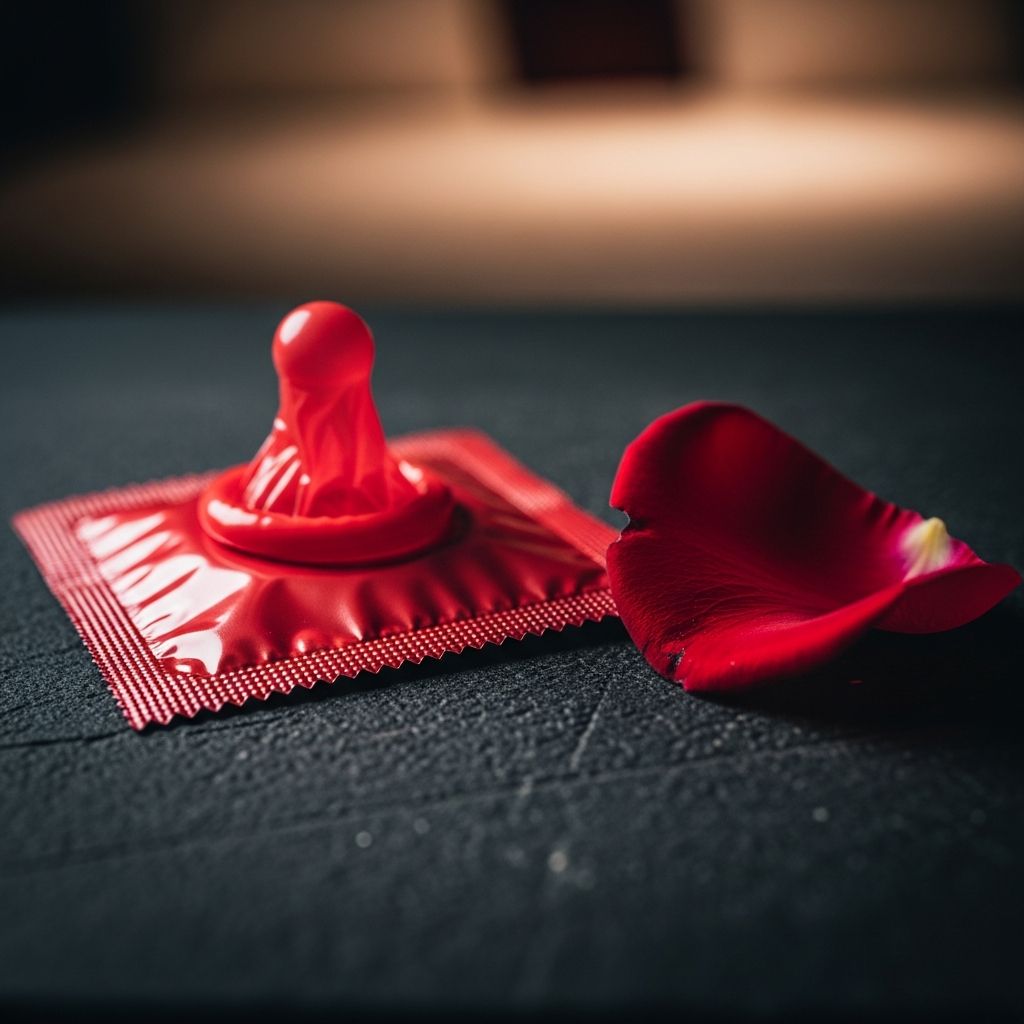
Use Condoms: Condoms are the most accessible and effective barrier method for preventing STD transmission. When used correctly and consistently, condoms can significantly reduce your risk of contracting or transmitting sexually transmitted infections. It’s essential to use condoms every time you have sexual contact during your period, not just occasionally.
Dental Dams for Oral Sex: If you engage in oral sex during your period, dental dams (latex barriers) can reduce the risk of transmitting or contracting STDs through oral contact with genital tissue or menstrual blood.
Remove Menstrual Products: If you wear a tampon, remove it before having vaginal sex, as a forgotten tampon can be pushed too far into your vagina and require medical removal. Certain menstrual cups may also need to be removed before sexual activity.
Communicate with Your Partner: Discuss STD status and testing history with your partner before engaging in sexual activity. If either partner has an STD, additional precautions or modifications to sexual activity may be necessary to minimize transmission risk.
Get Tested Regularly: If you’re sexually active, regular STD testing is important for your health and that of your partners. Testing becomes even more important if you have multiple partners or if your partner’s STD status is unknown.
Pregnancy Risk During Menstruation
While this article focuses on STD risk, it’s worth noting that pregnancy is still possible if you have sex during your period, though less likely than during other phases of your cycle. This is due to fluctuating fertility throughout your menstrual cycle. Most people are most fertile approximately two weeks after menstruation ends, but sperm can survive long enough to fertilize an egg if ovulation occurs sooner than expected. Therefore, if you wish to avoid pregnancy, you should continue using contraception during menstruation.
Research Findings on Period Sex and STDs
Scientific research has consistently found associations between sexual intercourse during menstruation and STD transmission. A landmark study analyzing national population-based data from sexually active women found a strong statistical association between sexual intercourse during menstruation and self-reported STD history. Interestingly, this practice was most common among women in relatively low-risk groups, yet the association with STD history remained significant, suggesting that menstruation itself is a meaningful risk factor rather than merely a marker of other risky behaviors.
The findings from this research indicated that sexual intercourse during menstruation may be an important risk factor for heterosexual transmission of HIV and other STDs. Based on these findings, public health recommendations suggest that individuals consider abstaining from sexual activity during menstruation, particularly those in groups where this practice is prevalent.
When to Seek Medical Advice
If you have engaged in unprotected sex during your period and are concerned about potential STD exposure, consider the following steps:
- Schedule an STD test with your healthcare provider or a sexual health clinic
- Be honest with your healthcare provider about your sexual activity and concerns
- Ask about post-exposure prophylaxis (PEP) if you had potential HIV exposure—this medication can prevent HIV infection if taken soon after exposure
- Inform your sexual partner(s) if you test positive for an STD so they can also seek testing and treatment
- Avoid sexual activity until you’ve been tested and received results
- Seek treatment promptly if you test positive for an STD, as many are easily treatable
Frequently Asked Questions
Q: Is it completely safe to have sex during your period?
A: While it is generally safe for most people to have sex during menstruation, there are increased risks of STD transmission due to changes in vaginal pH and immune function. Using barrier protection like condoms significantly reduces these risks.
Q: Can you get HIV from period blood?
A: HIV contained in menstrual blood could theoretically be transmitted, but actual transmission is rare, especially if the infected person is taking antiretroviral medication that has reduced their viral load to undetectable levels.
Q: Why is STD transmission more likely during menstruation?
A: During menstruation, your vaginal pH becomes more alkaline, allowing pathogens to survive and multiply more easily. Additionally, your immune system is less responsive during this phase of your cycle, making infections more likely to establish.
Q: What STDs are most likely to be transmitted during period sex?
A: Blood-borne infections like HIV and Hepatitis B pose particular concerns during menstruation. Other STDs including herpes, syphilis, chlamydia, and gonorrhea also show increased transmission risk.
Q: How effective are condoms at preventing STD transmission during menstruation?
A: When used correctly and consistently, condoms can significantly reduce the risk of STD transmission even during menstruation. However, no barrier method provides 100% protection.
Q: Should I avoid sex during my entire period?
A: While some public health recommendations suggest considering abstinence during menstruation, you can reduce your risk significantly by using appropriate barrier protection and maintaining good hygiene practices throughout your period.
Q: Can you get a UTI from sex during your period?
A: Yes, there is an increased risk of UTIs during or following your menstrual cycle. Bacteria can travel into the urinary tract during sexual activity, so proper hygiene and barrier use are important.
References
- Sexual intercourse during menstruation and self-reported sexually transmitted diseases — U.S. National Library of Medicine, National Institutes of Health (PubMed). 1996. https://pubmed.ncbi.nlm.nih.gov/8885071/
- STDs That Affect Your Period — Everlywell. 2024. https://www.everlywell.com/blog/sti-testing/stds-that-affect-your-period/
- Do sexually transmitted infections exacerbate negative premenstrual symptoms? — Oxford University Press, Evolution, Medicine, and Public Health. 2018. https://academic.oup.com/emph/article/2018/1/138/5048464
- Sex during menstruation: Safety, can you get pregnant, and benefits — Medical News Today. 2024. https://www.medicalnewstoday.com/articles/321667
- Can You Have Sex On Your Period? Potential Risks and Benefits — Uqora. 2024. https://uqora.com/blogs/sexual-wellness/sex-during-period
- Sex During Periods: Benefits, Side Effects, Pregnancy Risk — Healthline. 2024. https://www.healthline.com/health/womens-health/sex-during-periods
- Can you get an STD from period blood? — Better2Know. 2024. https://www.better2know.com/en/blog/can-you-get-an-std-from-period-blood
Similar Articles








Read full bio of Sneha Tete