Steam Inhalation: Health Risks and Modern Alternatives
Discover why steam inhalation is no longer recommended and explore safer treatment options.
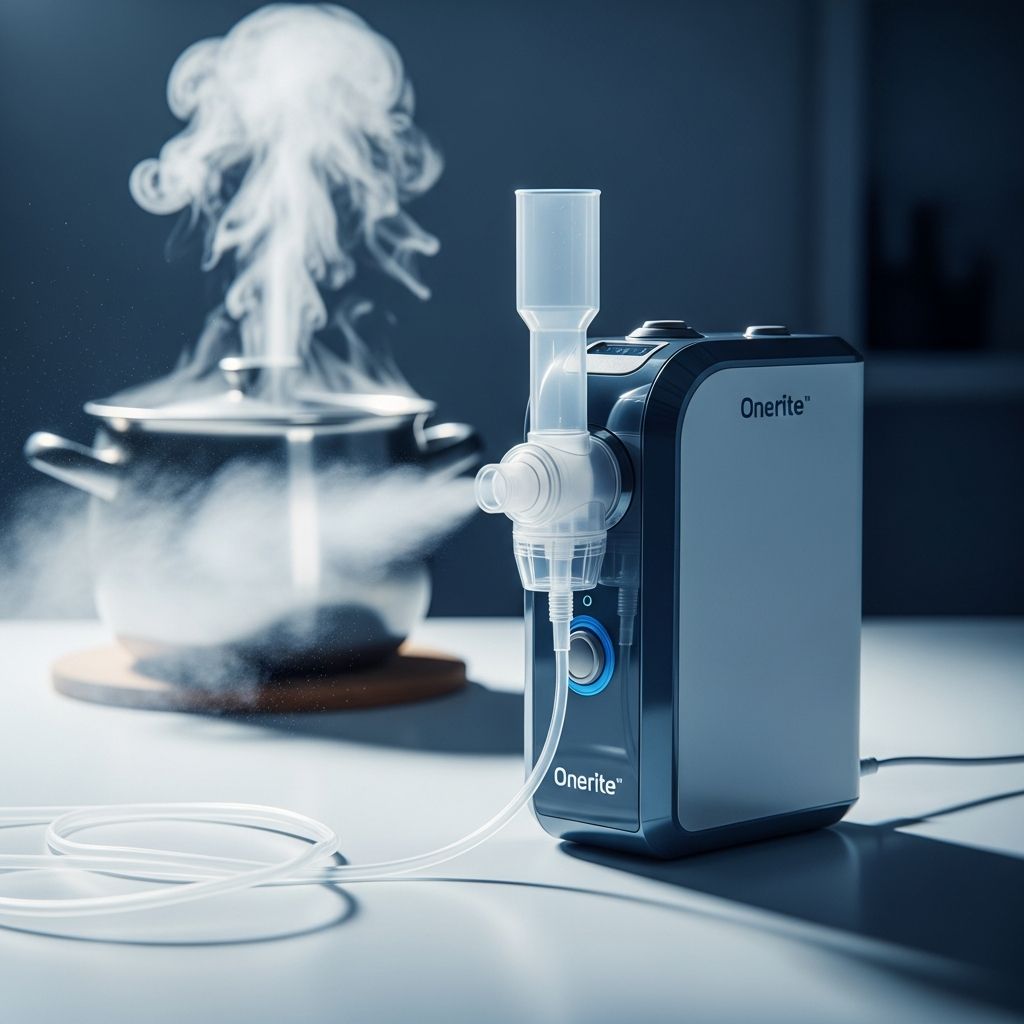
For generations, steam inhalation has been a trusted home remedy for alleviating cold and sinus symptoms. The practice involves breathing in warm mist from a bowl of hot water, often with a towel draped over the head to trap the steam. However, contemporary medical research and clinical experience have fundamentally changed professional recommendations regarding this popular therapy. Modern health organizations now advise against steam inhalation due to the substantial risks it poses, particularly when weighed against its minimal therapeutic benefits.
The Current Medical Position on Steam Inhalation Therapy
Health authorities have increasingly distanced themselves from recommending steam inhalation as a treatment approach. The shift in medical guidance reflects growing evidence that the practice offers limited clinical benefit while carrying significant potential for harm. This change represents an important evolution in how healthcare providers approach symptomatic relief for respiratory conditions, prioritizing patient safety over traditional home remedies that lack robust scientific support.
Research examining the effectiveness of steam therapy has yielded disappointing results. A comprehensive review of clinical trials found mixed outcomes, with some participants reporting minimal symptom relief while others experienced discomfort during the treatment itself. The subjective relief that some individuals report typically lasts only 20 to 30 minutes and does not accelerate recovery from underlying infections. More importantly, steam inhalation does not eliminate the infection causing the symptoms—it merely masks some discomfort temporarily.
Primary Safety Concerns Associated With Steam Inhalation
Thermal Burn Injuries and Scalding Incidents
The most significant and well-documented risk associated with steam inhalation involves thermal injuries. Burns and scalds represent the predominant adverse outcome reported in medical literature, with emergency departments consistently managing cases of steam-related injuries. The mechanism of injury typically involves accidental contact with extremely hot water, most commonly when individuals inadvertently knock over the container of boiling water.
Hospital admission data demonstrates the serious impact of steam inhalation injuries. These accidents result in extended hospital stays and substantial treatment costs, representing a considerable burden on healthcare systems. During respiratory illness seasons, steam-related injuries contribute meaningfully to burn unit admissions. Particularly alarming are reports from medical facilities documenting a 30-fold increase in pediatric scald injuries directly attributable to steam inhalation during periods when the practice gained renewed attention.
Young children face especially elevated vulnerability to these injuries. Because children have thinner, more delicate skin than adults, they sustain more severe injuries from the same degree of heat exposure. The American Academy of Pediatrics specifically recommends against traditional steam inhalation for children under 12 years of age due to these documented burn risks.
Tissue Damage at the Cellular Level
Beyond the obvious burn hazard, excessively hot steam can inflict microscopic damage to delicate tissues within the respiratory tract. The mucous membranes lining the nasal passages and throat contain specialized nerve cells and sensitive epithelial tissue that can be harmed by extreme heat exposure. This cellular damage can weaken the local immune response precisely when the body needs optimal defense against respiratory pathogens.
Related Stories



Ocular Complications and Eye Irritation
Steam inhalation creates an environment of high heat and moisture around the eyes, which can lead to several ocular problems. When excessive steam exposure occurs, or when individuals add essential oils or homemade preparations to the water, the normal blood supply to eye tissues can become compromised. This vascular disruption frequently results in redness, swelling, and in some cases, infection of the eye structures.
Dermatological Effects and Skin Complications
The prolonged exposure to steam and heat associated with inhalation therapy can paradoxically damage skin health. Opening facial pores excessively through steam exposure can lead to abnormal drying of the skin. Additionally, the warm, moist environment created during steam inhalation can promote bacterial growth on the skin surface, potentially triggering inflammation, acne development, and itching sensations.
Respiratory System Adverse Effects
For individuals with specific respiratory conditions, steam inhalation can provoke negative reactions. People with asthma may experience bronchospasm—a sudden tightening of the airways—when exposed to the hot, humid air characteristic of steam therapy. Similarly, those with reactive airways may find their breathing difficulties worsened rather than improved by this treatment approach.
Cardiovascular and Systemic Heat Stress
The elevated temperatures associated with steam inhalation therapy can cause systemic physiological stress. Individuals with cardiac conditions may experience cardiovascular strain from the combination of heat and humidity. In more extreme scenarios, excessive heat exposure raises the risk of heat-related illnesses, potentially resulting in dangerous elevation of core body temperature, breathing difficulty, or even heatstroke.
Rare But Serious: Mortality Risk
While exceptionally uncommon, steam inhalation has the potential to cause fatal outcomes in vulnerable populations. Severe airway injuries sustained during steam therapy could progress to life-threatening complications in individuals with compromised health status or weakened immune systems.
Populations at Greatest Risk
| Population Group | Specific Vulnerabilities |
|---|---|
| Young Children (Under 12) | Thinner skin, difficulty maintaining distance from heat source, higher burn severity |
| Elderly Individuals | Reduced thermal sensation, slower reflexes, temperature regulation challenges |
| People with Asthma | Airways may constrict in response to hot, humid air |
| Cardiac Patients | Heat stress can strain cardiovascular system |
| Those with Fever | Risk of dangerous heat accumulation and heatstroke |
| Immunocompromised Individuals | Heightened susceptibility to infection from tissue damage |
The Evidence Gap: Limited Scientific Support
A fundamental problem with steam inhalation is the weakness of scientific evidence supporting its use. Despite its widespread recommendation historically, rigorous clinical trials have failed to establish clear therapeutic superiority over other approaches. The Cochrane review examining steam therapy in adults with common colds documented only equivocal results, with symptom relief occurring in some participants but not others, and additional discomfort being reported in some cases.
Most troubling is that while steam inhalation lacks proven benefits, it carries well-documented harms. This fundamental imbalance has prompted leading medical researchers to conclude that the practice violates the basic medical principle of “first do no harm.”
Safer Alternatives for Respiratory Symptom Management
Modern Humidification Technology
Contemporary humidifiers and vaporizers operate at much lower temperatures than traditional steam inhalation methods, eliminating burn risk while still providing therapeutic moisture. Cool-mist humidifiers or warm-mist devices that operate below dangerous temperatures offer symptom relief without the hazards of boiling water.
Saline Rinse Solutions
Saline nasal rinses represent an evidence-supported alternative for nasal congestion relief. These preparations help clear nasal passages without thermal injury risk and can be used safely across all age groups.
Pharmacological Interventions
Decongestants, antihistamines, and other medications prescribed by healthcare providers offer targeted symptom relief based on the specific condition causing discomfort.
Environmental Humidity Management
Simply increasing ambient humidity in a room through safe humidification methods provides therapeutic moisture without direct exposure risks.
Supportive Care Measures
Adequate hydration, rest, and time remain fundamental to recovery from viral respiratory infections. These approaches address the underlying cause rather than merely masking symptoms.
Frequently Asked Questions About Steam Inhalation
Is any amount of steam inhalation safe?
Health professionals now recommend avoiding traditional steam inhalation entirely due to the risk-benefit ratio, even when precautions are taken. Safer alternatives exist for any therapeutic goal someone might pursue through steam therapy.
What should I do if I’ve already used steam inhalation?
Occasional exposure in the past is unlikely to cause lasting harm. However, discontinue the practice going forward and monitor for any signs of burns, respiratory distress, or eye irritation. Seek medical attention if concerning symptoms develop.
Are essential oil steamers safer than plain water?
No—adding essential oils or homemade preparations actually increases risks by potentially compromising eye blood supply and introducing irritant substances to the respiratory tract. This makes the practice more dangerous, not safer.
Can adults use steam inhalation if they’re careful?
While adults have lower susceptibility to severe burns than children, the risk remains substantial and unacceptable given the minimal proven benefits. Medical professionals recommend safer alternatives regardless of age.
Does steam inhalation actually cure colds faster?
No. Steam inhalation at best provides temporary subjective symptom relief lasting 20-30 minutes but does not accelerate viral clearance or cure the underlying infection.
Clinical Implications and Professional Guidance
The cumulative evidence has prompted a reconsideration of steam inhalation’s role in clinical practice. While older guidelines may have mentioned steam therapy with warnings about proper technique, contemporary recommendations increasingly exclude it entirely. Healthcare providers now emphasize that patient education should focus on safer alternatives rather than attempting to optimize an inherently hazardous procedure.
The economic burden of treating steam inhalation injuries further supports moving away from this practice. Hospital admissions, burn care, and rehabilitation costs for scalding injuries represent a significant healthcare expenditure that could be prevented entirely by discontinuing recommendations for steam inhalation.
Conclusion: Why Medical Practice Has Shifted
Modern medical evidence and clinical experience have conclusively demonstrated that steam inhalation deserves its changing status as an obsolete therapy. The convergence of three factors explains why health organizations have moved away from this historical practice: thermal burn injuries are common and sometimes severe, the therapeutic benefits are minimal and inconsistently documented, and safer alternatives are readily available.
For individuals seeking relief from cold symptoms, sinus congestion, or other respiratory discomfort, modern medicine offers multiple evidence-based options that do not carry the burn risk inherent in steam inhalation. Making this shift away from traditional steam therapy represents a clear example of how medical practice evolves as evidence accumulates, always prioritizing patient safety.
References
- Does Inhaling Steam Cause Injury and/or Death? — MyPurmist. Accessed 2026. https://mypurmist.com.au/blog/post/does-inhaling-steam-cause-injury-and-or-death
- Does Steam Inhalation Really Work? Benefits and Effectiveness Explored — Sleep and Sinus Centers. Accessed 2026. https://sleepandsinuscenters.com/blog/does-steam-inhalation-really-work-benefits-and-effectiveness-explored
- Steam inhalation: More harm than good? — PubMed Central (PMC). 2020. https://pmc.ncbi.nlm.nih.gov/articles/PMC7456299/
- Steam inhalation therapy: severe scalds as an adverse side effect — PubMed Central (PMC). 2012. https://pmc.ncbi.nlm.nih.gov/articles/PMC3381273/
- Steam Room: Benefits, Risks, and Vs. Sauna — Healthline. Accessed 2026. https://www.healthline.com/health/steam-room-benefits
- Steam Inhalation: Benefits, Risks, and How To — Healthline. Accessed 2026. https://www.healthline.com/health/steam-inhalation
- Steam inhalation — Healthify. Accessed 2026. https://healthify.nz/health-a-z/s/steam-inhalation
Similar Articles








Read full bio of medha deb