Steatotic Liver Disease: Symptoms, Causes & Treatment
Understanding steatotic liver disease: causes, symptoms, diagnosis, and evidence-based treatment options.
Understanding Steatotic Liver Disease
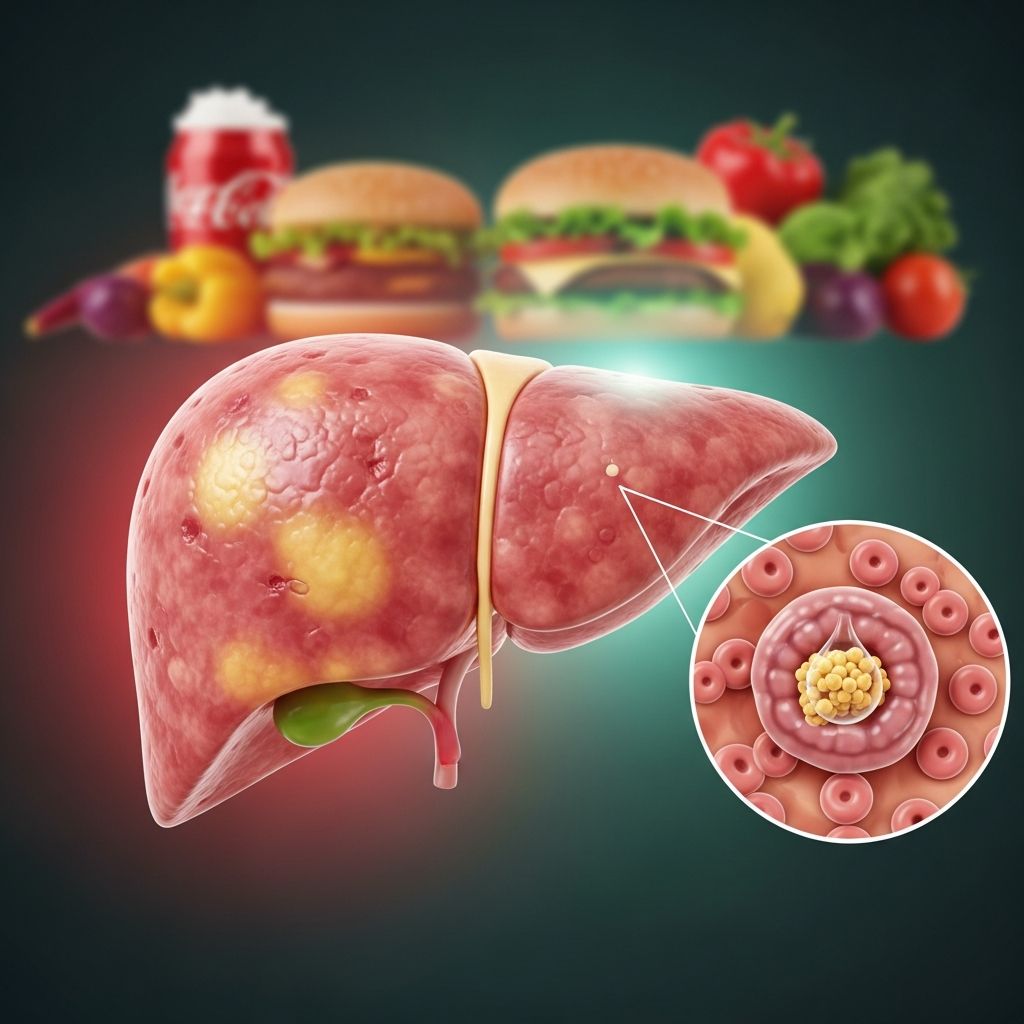
Steatotic liver disease (SLD), commonly referred to as fatty liver disease, is a condition characterized by excess fat accumulation in liver cells. This condition affects millions of people worldwide and has become increasingly prevalent in recent years. The disease occurs when fat comprises 5% or more of liver tissue weight, either from imaging studies or confirmed through liver biopsy. Unlike alcoholic liver disease, steatotic liver disease encompasses both alcohol-related and non-alcoholic forms, with the latter being significantly more common. The encouraging news is that when detected early, steatotic liver disease is often manageable and even reversible with appropriate medical intervention and lifestyle modifications.
Types of Steatotic Liver Disease
Steatotic liver disease is classified into two primary categories based on alcohol consumption patterns:
Alcohol-Related Fatty Liver Disease
Alcohol-related fatty liver disease develops from excessive and prolonged alcohol consumption. Heavy drinking damages liver cells and impairs the liver’s ability to metabolize fat properly. This type of disease progression can be halted or reversed by eliminating or significantly reducing alcohol intake.
Non-Alcoholic Fatty Liver Disease (NAFLD)
Non-alcoholic fatty liver disease affects individuals who drink little to no alcohol. NAFLD is the most prevalent chronic liver disease globally, impacting approximately 25% of the world population. Within this category, two distinct subtypes have been identified: simple fatty liver, where fat accumulates without causing significant inflammation or liver damage, and non-alcoholic steatohepatitis (NASH), characterized by inflammation and hepatocellular injury in addition to fat accumulation. NASH represents a more advanced and concerning form of the disease.
Risk Factors and Causes
Multiple interconnected factors contribute to the development of steatotic liver disease. Understanding these risk factors is essential for prevention and early intervention:
Metabolic Conditions
Metabolic syndrome represents the most common cause of fatty liver disease. This syndrome encompasses a cluster of conditions including obesity, type 2 diabetes, high blood pressure, and abnormal lipid profiles. When individuals carry excess weight along with these metabolic complications, the risk of developing steatotic liver disease increases substantially. Insulin resistance plays a central role in this process, disrupting the liver’s ability to regulate fat storage and metabolism.
Weight and Lifestyle Factors
Both excessive weight gain and rapid weight loss can trigger fatty liver development. Dietary choices significantly influence disease progression, with high-calorie diets and excessive sugar consumption promoting fat accumulation in hepatic tissue. Physical inactivity compounds these risks by reducing the body’s capacity to metabolize glucose and lipids effectively.
Additional Contributing Factors
Genetic predisposition plays a role in determining individual susceptibility to steatotic liver disease. Chronic stress elevates cortisol levels, which can promote metabolic dysfunction and liver fat accumulation. Certain medications may also contribute to fat deposition in liver cells, making medication review an important part of disease management.
Recognizing Symptoms
One of the most challenging aspects of steatotic liver disease is its asymptomatic nature in early stages. Many individuals have no awareness they have the condition until advanced disease develops. However, when symptoms do manifest, they may include:
- Fatigue and persistent tiredness
- Abdominal pain or discomfort
- Swelling in the abdomen or legs
- Nausea and loss of appetite
- Unexplained weight loss
- Jaundice (yellowing of skin and eyes) in advanced cases
Related Stories



The absence of symptoms in early-stage disease underscores the importance of routine health screenings, particularly for individuals with metabolic risk factors.
Diagnostic Approaches
Healthcare providers employ multiple diagnostic methods to confirm steatotic liver disease and assess its severity:
Physical Examination
During the initial evaluation, physicians perform a comprehensive physical examination. They assess body weight and composition, measure blood pressure, and palpate the abdomen to detect hepatomegaly (enlarged liver). A detailed medical history focuses on alcohol consumption patterns, dietary habits, exercise routines, and the presence of metabolic risk factors such as diabetes or high cholesterol.
Laboratory Tests
Blood tests, known as liver function tests, provide critical information about hepatic health. These tests measure liver enzyme levels, including aspartate aminotransferase (AST) and alanine aminotransferase (ALT). Elevated liver enzymes or abnormal protein levels may indicate liver inflammation and damage. Laboratory analysis also includes assessment of metabolic parameters such as glucose levels, lipid profiles, and platelet counts, which contribute to disease severity scoring.
Imaging Studies
Advanced imaging techniques provide detailed visualization of liver structure and composition. Abdominal ultrasound can detect fatty infiltration and assess liver size. Computed tomography (CT) scans offer more detailed imaging of liver architecture. These imaging modalities help differentiate steatotic liver disease from other liver conditions and evaluate disease progression.
Elastography (FibroScan®)
This non-invasive test employs painless, low-frequency vibrations to measure liver stiffness, indicating the presence and extent of fibrosis (scar tissue formation). Vibration-controlled transient elastography helps determine if cirrhosis may be developing and guides treatment decisions. This technology has become essential in assessing disease severity without requiring invasive procedures.
Liver Biopsy
When additional information is necessary beyond what blood work and imaging provide, physicians may recommend liver biopsy. A thin needle is used to extract a small tissue sample from the liver, which is then examined microscopically by a pathologist. This procedure provides definitive assessment of liver damage, inflammation, and fibrosis severity, though it is reserved for cases where this detailed information will meaningfully impact treatment decisions.
Treatment and Management Strategies
Currently, no specific medications have been approved to treat steatotic liver disease itself. Instead, treatment focuses on managing underlying risk factors and promoting lifestyle modifications that reduce liver fat accumulation:
Lifestyle Modifications
Intensive lifestyle modification represents the cornerstone of steatotic liver disease management. A calorie-restricted Mediterranean diet has demonstrated particular effectiveness in reducing liver fat content and improving metabolic parameters. This dietary approach emphasizes olive oil, whole grains, legumes, fish, and abundant vegetables while limiting processed foods and refined carbohydrates.
Regular physical activity and structured exercise programs are essential components of treatment. Exercise improves insulin sensitivity, reduces body weight, and decreases liver fat independent of weight loss. Healthcare providers typically recommend at least 150 minutes of moderate-intensity aerobic activity weekly, combined with resistance training.
Weight loss, particularly 5-10% reduction of body weight, can significantly improve liver health in individuals with obesity. For those requiring more substantial weight reduction, surgical and endoscopic weight loss interventions may be considered under professional guidance.
Metabolic Condition Management
Addressing underlying metabolic conditions is crucial for halting disease progression. Management of diabetes includes glycemic control through medication adjustments and lifestyle modification. Treatment of hypertension reduces cardiovascular risk and may improve liver function. Dyslipidemia management through dietary intervention and medications reduces systemic inflammation that perpetuates liver damage.
Medication Review
Healthcare providers assess current medications to identify any that may be contributing to liver fat accumulation. Prescription adjustments or alternative medications may be recommended when appropriate to reduce hepatic lipid burden.
Advanced Treatment Considerations
For patients with advanced disease and cirrhosis, more intensive interventions may become necessary. In cases of end-stage liver disease, liver transplantation may be the only viable treatment option. Specialized liver transplant programs provide comprehensive evaluation and surgical intervention for eligible candidates.
Disease Progression and Complications
While early-stage steatotic liver disease often remains stable, disease progression can occur in some individuals. Non-alcoholic steatohepatitis (NASH) represents a more serious form characterized by inflammation and hepatocellular injury. Continued disease progression may lead to fibrosis and eventually cirrhosis, with associated complications including portal hypertension, ascites, hepatic encephalopathy, and hepatocellular carcinoma.
Early detection and intervention are critical because disease progression is not inevitable. With appropriate management, many individuals can halt disease progression or achieve disease reversal, preventing serious complications.
Comprehensive Care Approach
Managing steatotic liver disease often requires coordinated care involving multiple specialists. Hepatologists and gastroenterologists work with cardiologists, endocrinologists, nutritionists, and rehabilitation specialists to address the multifaceted nature of this condition. This integrated approach ensures that metabolic syndrome components—including obesity, diabetes, hypertension, and dyslipidemia—receive appropriate treatment alongside liver-specific interventions.
Frequently Asked Questions
Q: Is steatotic liver disease reversible?
A: Yes, when caught early, steatotic liver disease is often reversible. Lifestyle modifications including weight loss, dietary changes, and increased physical activity can reduce liver fat content and normalize liver function. However, advanced stages with cirrhosis may be irreversible.
Q: How is steatotic liver disease diagnosed without symptoms?
A: Many individuals discover steatotic liver disease through abnormal liver enzyme levels detected during routine blood work or imaging studies performed for other reasons. This emphasizes the importance of regular health screenings, particularly for those with metabolic risk factors.
Q: What is the difference between NAFLD and NASH?
A: NAFLD (non-alcoholic fatty liver disease) refers to simple fat accumulation in the liver without inflammation or cellular injury. NASH (non-alcoholic steatohepatitis) involves fat accumulation plus hepatocellular inflammation and damage, representing a more advanced and concerning form of the disease.
Q: Can medications cause steatotic liver disease?
A: Yes, certain medications can contribute to fat accumulation in liver cells. Healthcare providers regularly review medications to identify potential contributors and may adjust prescriptions when appropriate to reduce hepatic lipid burden.
Q: What role does diet play in managing steatotic liver disease?
A: A calorie-restricted Mediterranean diet has proven particularly effective for managing steatotic liver disease. This dietary approach reduces overall calorie intake while emphasizing nutrient-dense foods and healthy fats, promoting weight loss and metabolic improvement.
Q: How much weight loss is needed to improve steatotic liver disease?
A: Research demonstrates that 5-10% weight loss can significantly improve liver health and reduce liver fat content in individuals with obesity-related steatotic liver disease. Greater weight loss may produce additional benefits.
References
- Steatotic (Fatty) Liver Disease: Symptoms & Treatment — Cleveland Clinic. 2024. https://my.clevelandclinic.org/health/diseases/15831-fatty-liver-disease
- Therapies for Non-Alcoholic Fatty Liver Disease: A 2022 Update — National Center for Biotechnology Information (NCBI). 2022. https://pmc.ncbi.nlm.nih.gov/articles/PMC9521452/
- Is Your Patient at Risk for NAFLD? — Cleveland Clinic Journal of Medicine. 2020. https://www.ccjm.org/content/89/12/719
- Fatty Liver Disease Program — Cleveland Clinic. 2024. https://my.clevelandclinic.org/departments/digestive/depts/fatty-liver-disease
- Common Tests for Liver Disease — Cleveland Clinic. 2024. https://my.clevelandclinic.org/departments/digestive/medical-professionals/hepatology/liver-tests
- Fatty Liver Disease Treatment — Cleveland Clinic. 2024. https://my.clevelandclinic.org/services/fatty-liver-disease-treatment
Similar Articles








Read full bio of Sneha Tete