Stem Cell Transplants: Treatment for Blood Disorders
Discover how stem cell transplants treat blood disorders, cancers, and autoimmune diseases effectively.
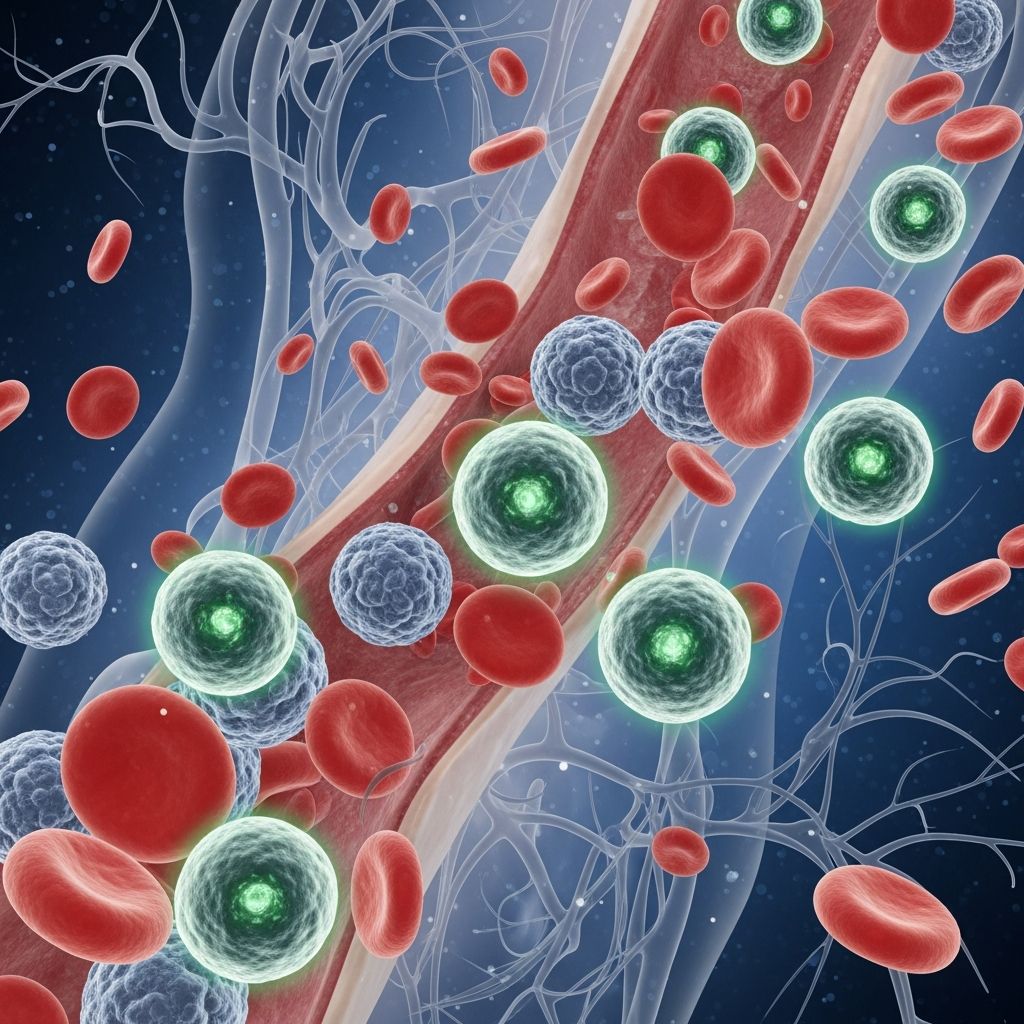
Understanding Stem Cell Transplants: A Comprehensive Guide
A stem cell transplant is a medical procedure that can treat and sometimes cure certain blood disorders, cancers, and autoimmune diseases. The procedure works by replacing unhealthy or damaged stem cells with healthy ones, allowing the body to generate new, functional blood cells. This innovative treatment has transformed the lives of thousands of patients who have not responded well to conventional therapies or whose conditions have relapsed after initial treatment.
Stem cells are unique cells capable of developing into any type of blood cell your body needs. When these cells mature, they become platelets that help blood clot, red blood cells that carry oxygen, or white blood cells that fight infection. The goal of a stem cell transplant is to restore the bone marrow’s ability to produce healthy blood cells and rebuild the immune system.
Types of Stem Cell Transplants
There are two primary types of stem cell transplants: autologous and allogeneic. Each type has distinct advantages, procedures, and considerations that your healthcare team will evaluate when determining the best approach for your specific condition.
Autologous Stem Cell Transplant
In an autologous stem cell transplant, your healthcare team removes healthy blood stem cells from your own bone marrow or bloodstream before you receive high-dose chemotherapy to kill cancerous cells. You may also receive radiation therapy as part of the treatment plan. After the cancer cells are destroyed, your stored healthy stem cells are reinfused into your body to help rebuild your bone marrow and immune system.
This type of transplant uses your own cells, which eliminates concerns about tissue rejection and graft-versus-host disease. However, there is a possibility that cancer cells could contaminate the harvested stem cells, potentially reintroducing disease into the body.
Allogeneic Stem Cell Transplant
An allogeneic stem cell transplant uses donated stem cells from another person to replace unhealthy stem cells in your bone marrow. The donated cells may be blood stem cells or bone marrow stem cells from a matched donor. Approximately 40% of all stem cell transplants use donated stem cells, as many patients do not have a suitable matched donor available.
Allogeneic transplants offer the advantage of using healthy donor cells without the risk of reintroducing cancer cells. However, there is a potential risk of graft-versus-host disease, where the donor’s immune cells may attack the recipient’s tissues. Additionally, the donor and recipient must have compatible tissue types to minimize rejection.
Conditions Treated with Stem Cell Transplants
Stem cell transplants are used to treat a variety of serious medical conditions, particularly blood cancers, blood disorders, and immune system disorders. Healthcare providers typically recommend stem cell transplants if initial treatments don’t work or if conditions have come back.
Common conditions treated with stem cell transplants include:
Related Stories



– Hodgkin’s lymphoma- Non-Hodgkin’s lymphoma- Acute leukemia- Chronic leukemia- Multiple myeloma- Aplastic anemia- Severe combined immunodeficiency (SCID)- Other blood disorders and immunodeficiency conditions
Pre-Transplant Preparation and Testing
Before undergoing a stem cell transplant, your transplant team will conduct several comprehensive tests to confirm you can manage the side effects of pre-transplant conditioning. This evaluation is crucial to ensure you are medically suitable for the procedure and to establish baseline health metrics.
Standard pre-transplant tests include:
– Complete history and physical examination- Pulmonary function tests to assess lung health- Bone density screening to evaluate skeletal health- Mammogram if clinically indicated- Fasting laboratory tests including cholesterol, liver function, kidney function, and complete blood counts- Endocrine screening for diabetes and thyroid function- Ophthalmology evaluation for graft-versus-host disease assessment- Gynecology appointment for applicable patients- Meetings with the blood and marrow transplant survivorship team
If you have cancer, your transplant team may perform a bone marrow biopsy to remove a sample of your bone marrow. A medical pathologist will examine your bone marrow cells for signs of new changes and help your team understand the risk that your condition could recur after transplant.
The Transplant Process
Pre-Transplant Conditioning
The next step in the transplant process is pre-transplant conditioning, which uses chemotherapy and/or full-body radiation therapy. This intensive treatment serves multiple critical purposes: it eliminates diseased or cancerous cells, suppresses your immune system to prevent rejection of donor cells, and creates space in your bone marrow for new stem cells to grow and develop.
You will stay in the hospital during conditioning, which typically takes one to two weeks to complete. The conditioning regimen is tailored to your specific diagnosis, overall health status, and the type of transplant you are receiving.
Stem Cell Collection (For Autologous Transplant)
Before receiving high-dose chemotherapy, patients undergoing autologous transplants must have healthy stem cells collected and stored. Once cleared for transplant, you’ll receive growth factor drugs—hormone-like substances that help your bone marrow produce more blood cells. You’ll also receive other drugs that help move blood cells from your bone marrow into your bloodstream during the mobilization process.
In stem cell collection, providers use apheresis to remove healthy blood stem cells from your bloodstream. The harvesting process doesn’t cause pain but can take three to four hours, as providers may need to collect blood more than once to ensure sufficient stem cells for transplant. You’ll remain still during collection but can read or watch television during the procedure.
The Transplant Infusion
The actual transplant procedure itself is painless. Your transplant care team will place a central venous catheter (CVC) in one of the large veins in your upper chest. This tube delivers the new stem cells directly to your bone marrow. The infusion process resembles a blood transfusion: healthy stem cells flow from a bag through the CVC into your bone marrow.
Before infusion begins, your provider will give you fluids and medications to help prevent side effects and reduce the chance your body may reject the new stem cells. The infusion process typically takes 30 minutes to an hour for allogeneic transplants, though autologous transplants may take several hours. Your transplant team will remain with you throughout the infusion, checking vital signs and monitoring for any symptoms of infusion-related side effects.
Post-Transplant Recovery and Care
Recovery following a stem cell transplant is a gradual process that requires careful monitoring and specialized medical care. Most patients need to remain hospitalized for several weeks as their new immune system begins to develop. During this critical period, you will be closely watched for complications and supported with medications, blood transfusions, and nutritional support as needed.
Long-term follow-up care is essential after stem cell transplant. Your transplant team will monitor your recovery through regular blood tests, imaging studies, and clinical visits. Many patients experience a full recovery and return to normal activities within several months to a year after transplant, though individual timelines vary significantly.
Potential Risks and Side Effects
While stem cell transplants offer hope for treating serious conditions, they do carry significant risks and potential side effects that patients must carefully consider. These include short-term complications during recovery and potential long-term effects that may persist years after transplant.
Common short-term side effects may include:
– Nausea and vomiting- Mouth sores- Hair loss- Diarrhea- Fatigue- Fever and chills- Increased infection risk due to weakened immune system
Potential long-term side effects may include:
– Graft-versus-host disease (primarily in allogeneic transplants)- Secondary malignancies or cancers- Organ damage affecting the lungs, heart, liver, or kidneys- Hormonal changes and infertility concerns- Cataracts- Chronic infections- Psychological effects including anxiety and depression
Treatment Options: Inpatient vs. Outpatient
Both chemotherapy, radiation therapy, stem cell infusion, and all post-transplant care can be administered either in the hospital as an inpatient or—if you’re medically eligible—without a hospital stay as an outpatient. Your provider will discuss which option is best for your specific situation and provide detailed information about the process for each approach.
Inpatient care allows for continuous monitoring and immediate intervention if complications arise, making it the standard approach for most stem cell transplants. However, some medically stable patients may be candidates for outpatient procedures, which allow them to return home after treatment while still receiving comprehensive medical oversight.
Frequently Asked Questions
Q: What is the success rate of stem cell transplants?
A: Success rates vary depending on the condition being treated, the type of transplant, patient age, and overall health status. Your transplant team can provide specific success rate information based on your individual diagnosis and circumstances.
Q: How long does recovery from a stem cell transplant take?
A: Initial recovery typically takes several weeks to months, with hospitalization often lasting 3-4 weeks or longer. Full recovery and return to normal activities may take 6-12 months or more, varying significantly between individuals.
Q: Can stem cell transplants cure blood cancers?
A: Yes, stem cell transplants can sometimes cure certain blood cancers and disorders, particularly when the disease is in remission at the time of transplant. However, outcomes vary based on disease type, stage, and individual patient factors.
Q: What are the differences between autologous and allogeneic transplants?
A: Autologous transplants use your own stem cells, eliminating rejection risk but potentially carrying contaminated cancer cells. Allogeneic transplants use donor cells, offering disease-free cells but carrying graft-versus-host disease risk and requiring a matched donor.
Q: Is a central venous catheter (CVC) necessary?
A: Yes, a CVC is typically placed before transplant to deliver stem cells, medications, and draw blood samples, avoiding repeated needle sticks throughout the lengthy treatment process.
Q: What should I expect during the stem cell infusion?
A: The infusion process resembles receiving medication or a blood transfusion. It is painless and typically takes 30 minutes to several hours. Your medical team will monitor you closely for any side effects throughout the procedure.
Finding a Transplant Center
Choosing an experienced and reputable transplant center is crucial for achieving the best possible outcomes. Look for centers with:
– Board-certified and fellowship-trained transplant specialists- Extensive experience with your specific condition- Comprehensive support services including social workers, nutritionists, and mental health professionals- Access to clinical trials and emerging therapies- High transplant volumes and success rates- Personalized treatment planning based on individual health goals
Your oncologist can help identify appropriate transplant centers in your region and discuss which facility may be best suited for your needs.
References
- Allogeneic Stem Cell Transplant — Cleveland Clinic. 2024. https://my.clevelandclinic.org/health/treatments/22790-allogeneic-stem-cell-transplantation
- Blood and Marrow Transplant and Cellular Therapy Services — Cleveland Clinic. 2024. https://my.clevelandclinic.org/services/blood-marrow-transplant-cellular-therapy
- Autologous Stem Cell Transplant — Cleveland Clinic. 2024. https://my.clevelandclinic.org/health/procedures/autologous-stem-cell-transplant
- Stem Cell (Bone Marrow) Transplant — Cleveland Clinic. 2024. https://my.clevelandclinic.org/health/treatments/22567-stem-cell-transplants
- Blood and Bone Marrow Transplant Services — Cleveland Clinic. 2024. https://my.clevelandclinic.org/departments/cancer/depts/blood-marrow-transplant
- About Transplant Center — Cleveland Clinic. 2024. https://my.clevelandclinic.org/departments/transplant/about
Similar Articles








Read full bio of medha deb