Stem Cell Innovation Transforms Corneal Disease Treatment
Revolutionary autologous stem cell therapy offers hope for previously untreatable corneal damage
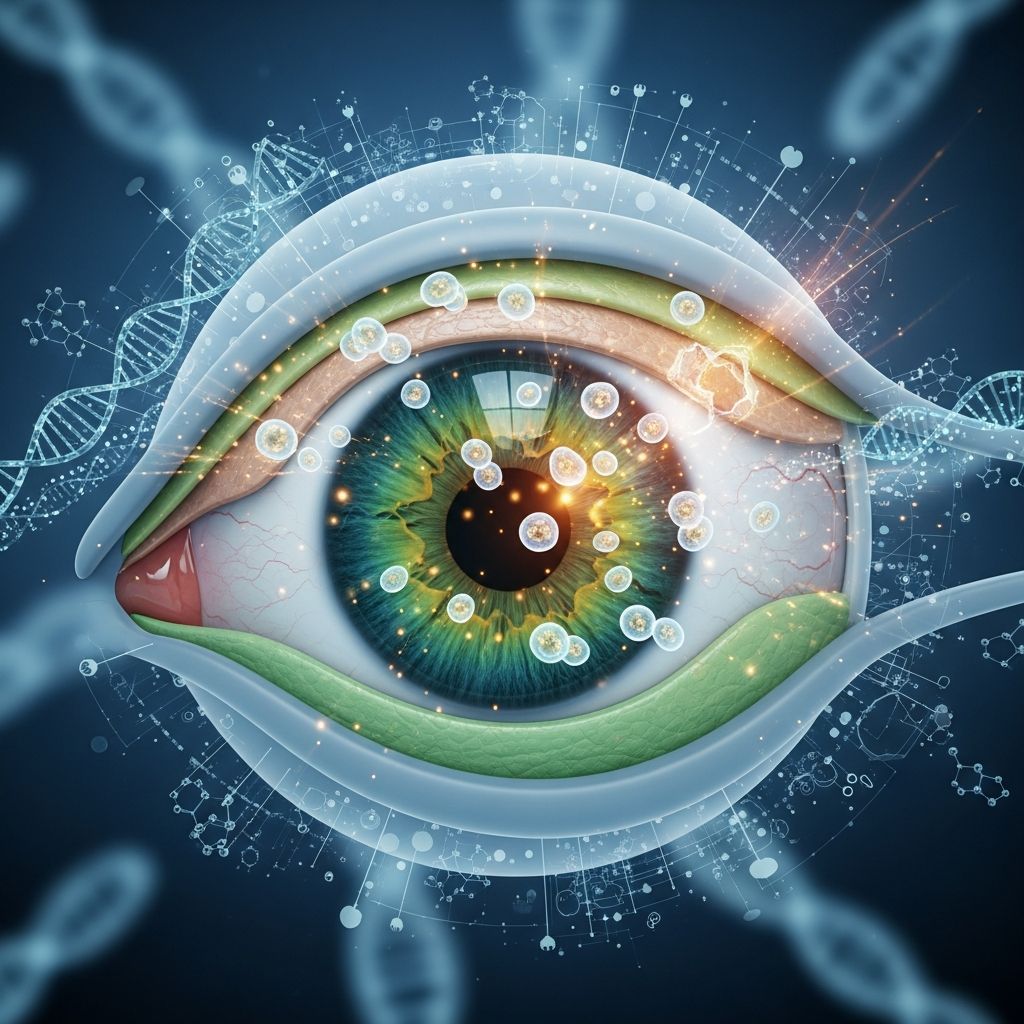
Recent advances in regenerative medicine have introduced a promising treatment for corneal conditions that were previously considered beyond medical intervention. A novel stem cell-based therapy represents a significant breakthrough in ophthalmology, offering patients with severe corneal damage a viable path toward vision restoration. This innovative approach combines cutting-edge laboratory techniques with surgical precision to address one of the most challenging problems in eye care.
Understanding Corneal Injury and Current Limitations
The cornea serves as the eye’s outermost protective layer and plays a crucial role in focusing light for clear vision. Certain types of corneal damage, particularly those affecting the limbal region, can result in permanent scarring and irreversible vision loss. The limbal area contains specialized stem cells essential for maintaining a healthy corneal surface. When these cells are damaged—often through chemical burns, thermal injuries, or severe infections—conventional treatments prove insufficient.
Traditional approaches to corneal rehabilitation, including standard corneal transplantation, may not be suitable for patients with compromised limbal function. This limitation has left many individuals with chronic pain, reduced visual acuity, and diminished quality of life. The absence of effective treatment options for limbal stem cell deficiency has been a significant gap in ophthalmologic care for decades.
The Science Behind Cellular Regeneration Therapy
The breakthrough treatment, known as cultivated autologous limbal epithelial cells (CALEC), represents a sophisticated approach to regenerating damaged eye tissue. The procedure begins with a minimally invasive biopsy of healthy tissue from the patient’s unaffected eye. Specialized stem cells are extracted during this initial step, preserving the donor eye’s function while harvesting the necessary cellular material.
Once collected, these cells undergo a specialized manufacturing process conducted in laboratory facilities equipped for cellular cultivation. Over a period of two to three weeks, the initial cell sample is carefully expanded into a functioning tissue graft. This expansion process requires precise control of growth conditions, nutrient delivery, and environmental parameters to ensure the cells develop into mature epithelial tissue suitable for transplantation.
The manufactured tissue graft is then surgically implanted into the eye with the damaged cornea. This surgical procedure restores the population of limbal stem cells necessary for natural corneal regeneration and ongoing tissue maintenance. By using the patient’s own cells, the approach eliminates concerns about immune rejection and reduces the need for long-term immunosuppressive medications.
Clinical Trial Results and Efficacy Outcomes
A Phase I/II clinical trial evaluated the safety and effectiveness of CALEC in patients with severe corneal damage. The study, published in a peer-reviewed scientific journal, tracked 14 patients who received the treatment and were followed for 18 months post-transplantation. The results demonstrated remarkable success rates across multiple timepoints:
- At the three-month follow-up visit, 50% of participants experienced complete restoration of their corneal surface
- By the 12-month evaluation, the success rate increased to 79% for complete restoration
- At the 18-month assessment, 77% of participants maintained complete success
- When including partial success cases, overall efficacy reached 93% at 12 months and 92% at 18 months
Related Stories



Beyond structural restoration of the corneal surface, the treatment demonstrated measurable improvements in visual function. An analysis of visual acuity outcomes showed that all 14 patients experienced varying degrees of improvement in their ability to see clearly. For individuals who had previously relied on chronic pain management and vision aids, these improvements represented transformative changes in daily functioning.
Three participants required a second CALEC transplant during the study period, with one achieving complete success by the final evaluation. This outcome suggests that while most patients respond positively to initial treatment, the option for repeat procedures remains available for those who need additional cellular regeneration support.
Safety Profile and Adverse Event Monitoring
A critical component of any new medical treatment involves rigorous assessment of safety outcomes. The CALEC trial demonstrated an excellent safety profile throughout the 18-month observation period. No serious adverse events were reported in either the donor eye (from which cells were harvested) or the recipient eye (receiving the transplant).
The majority of patients experienced no complications whatsoever. Only one patient developed a bacterial infection, which occurred eight months after the initial transplant and was attributed to chronic contact lens use rather than the procedure itself. This infection was successfully managed with appropriate medical intervention.
Minor adverse events that did occur were resolved quickly following the surgical procedures, without requiring extended treatment or causing lasting damage. The absence of significant immune-related complications reflects the advantages of using autologous cells—those derived from the patient’s own tissue—rather than cells or tissue from donor sources.
From Laboratory Discovery to Clinical Application
The development of CALEC represents nearly two decades of scientific research and clinical investigation. The concept originated from observations about limbal stem cell deficiency and the need for alternative approaches when conventional transplantation was not viable. Initial researchers at specialized eye care institutions recognized the problem and began exploring regenerative solutions.
Preclinical studies in laboratory settings and animal models demonstrated the feasibility of cultivating limbal epithelial cells and transplanting them successfully. These foundational experiments provided the scientific basis for advancing to human trials. Collaborations between multiple research institutions, including specialized cancer research centers and pediatric hospitals, contributed essential expertise in cell cultivation techniques and quality control standards.
The manufacturing process required development of rigorous protocols to ensure consistency, viability, and safety of the cultured tissue grafts. Regulatory agencies, including the U.S. Food and Drug Administration, carefully reviewed all protocols and safety data before approving the first human studies. The first patient received CALEC treatment in 2018, marking an important milestone in regenerative eye medicine.
Current Availability and Regulatory Status
While the clinical trial results are encouraging, CALEC remains an experimental procedure and is not yet available to the general patient population. The treatment is not currently offered at participating medical centers or other U.S. hospitals outside of active research protocols. This limitation reflects the current regulatory status and the need for additional evidence before widespread clinical implementation.
Regulatory approval from the FDA remains necessary before CALEC can transition from experimental research to standard clinical care. The regulatory pathway typically involves submission of comprehensive trial data, manufacturing specifications, long-term safety information, and evidence of consistent efficacy across diverse patient populations. Researchers anticipate submitting materials for federal approval as additional studies are completed.
Future Directions and Research Expansion
While autologous CALEC (using cells from the patient’s own eye) has demonstrated excellent results, researchers are exploring additional applications to broaden treatment access. One promising development involves creating allogeneic versions of the therapy, which would use limbal stem cells obtained from deceased organ donors. This approach would eliminate the need for a healthy eye in the donor patient and would allow treatment of individuals with damage to both eyes.
Future clinical studies are planned to include larger patient populations across multiple medical centers, longer-term follow-up observations, and randomized control group designs. These expanded trials will provide additional evidence regarding long-term durability, optimal patient selection criteria, and potential applications in different types of corneal damage.
The research team remains committed to advancing this treatment toward FDA approval and clinical availability, recognizing that many patients across the country are waiting for access to effective options for previously untreatable eye conditions.
Implications for Patients and Eye Care Practice
For individuals living with severe corneal damage, the development of CALEC represents hope for vision restoration and improved quality of life. Patients who have experienced chronic pain, visual impairment, and limitations in daily activities may eventually have access to a treatment that addresses the underlying cellular cause of their condition rather than merely managing symptoms.
The success of CALEC may also encourage further investigation into other regenerative approaches for eye disease. As regenerative medicine techniques become more refined and manufacturing processes more efficient, additional applications in ophthalmology may emerge. Other specialized eye structures and tissue types could potentially benefit from similar cellular cultivation and transplantation strategies.
Frequently Asked Questions About CALEC Therapy
Who is a candidate for CALEC treatment?
Currently, CALEC is available only through active research trials. Future candidates would likely include patients with severe limbal stem cell deficiency from chemical or thermal burns, chronic eye infections, or other conditions causing irreversible corneal damage who are not suitable candidates for conventional transplantation.
How long does the entire treatment process take?
The manufacturing phase requires two to three weeks from biopsy to transplant-ready graft. The surgical implantation itself is performed during a single outpatient procedure. Recovery and assessment of outcomes continues over the following weeks and months.
Will insurance cover CALEC when it becomes available?
Insurance coverage will likely depend on regulatory approval status and how the procedure is classified. As CALEC transitions toward FDA approval, insurance coverage determination will evolve accordingly.
What happens if CALEC is not completely successful on the first attempt?
In the clinical trial, some patients received a second CALEC transplant with improved outcomes. Repeat procedures may be an option for patients who do not achieve complete restoration after initial treatment.
Are there any long-term risks associated with CALEC?
The 18-month trial data showed an excellent safety profile with no serious complications. Longer-term studies are planned to assess durability and long-term safety outcomes beyond this timeframe.
The Broader Context of Regenerative Ophthalmology
CALEC represents one of several emerging regenerative approaches in contemporary ophthalmology. Other novel treatments for corneal disease, including new keratoconus therapies and synthetic corneal implants, are also advancing through clinical development. These parallel innovations demonstrate a growing commitment to solving previously intractable eye problems through technological and biological advancement.
The convergence of improvements in cell cultivation, tissue engineering, surgical techniques, and regulatory pathways is creating unprecedented opportunities for treating eye diseases that have limited patient options. As these various approaches mature and become clinically available, ophthalmology will be transformed by a broader toolkit of regenerative and restorative options.
References
- Novel stem cell therapy repairs ‘irreversible’ corneal damage in clinical trial — Medical Xpress (citing Nature Communications publication). 2025-03. https://medicalxpress.com/news/2025-03-stem-cell-therapy-irreversible-corneal.html
- Novel therapy for incision-free keratoconus: Q&A with Gloria B. Chiu, OD, FAAO, FSLS — Ophthalmology Times. 2025. https://www.ophthalmologytimes.com/view/novel-therapy-for-incision-free-keratoconus-q-a-with-gloria-b-chiu-od-faao-fsls
- FDA clears first US trial of synthetic corneal implant — The Jerusalem Post. 2026-02. https://www.jpost.com/health-and-wellness/article-882993
Similar Articles








Read full bio of Sneha Tete