STEMI Heart Attack: Symptoms, Diagnosis & Treatment
Understanding STEMI heart attacks: Complete guide to symptoms, diagnosis, and emergency treatment options.
What is a STEMI Heart Attack?
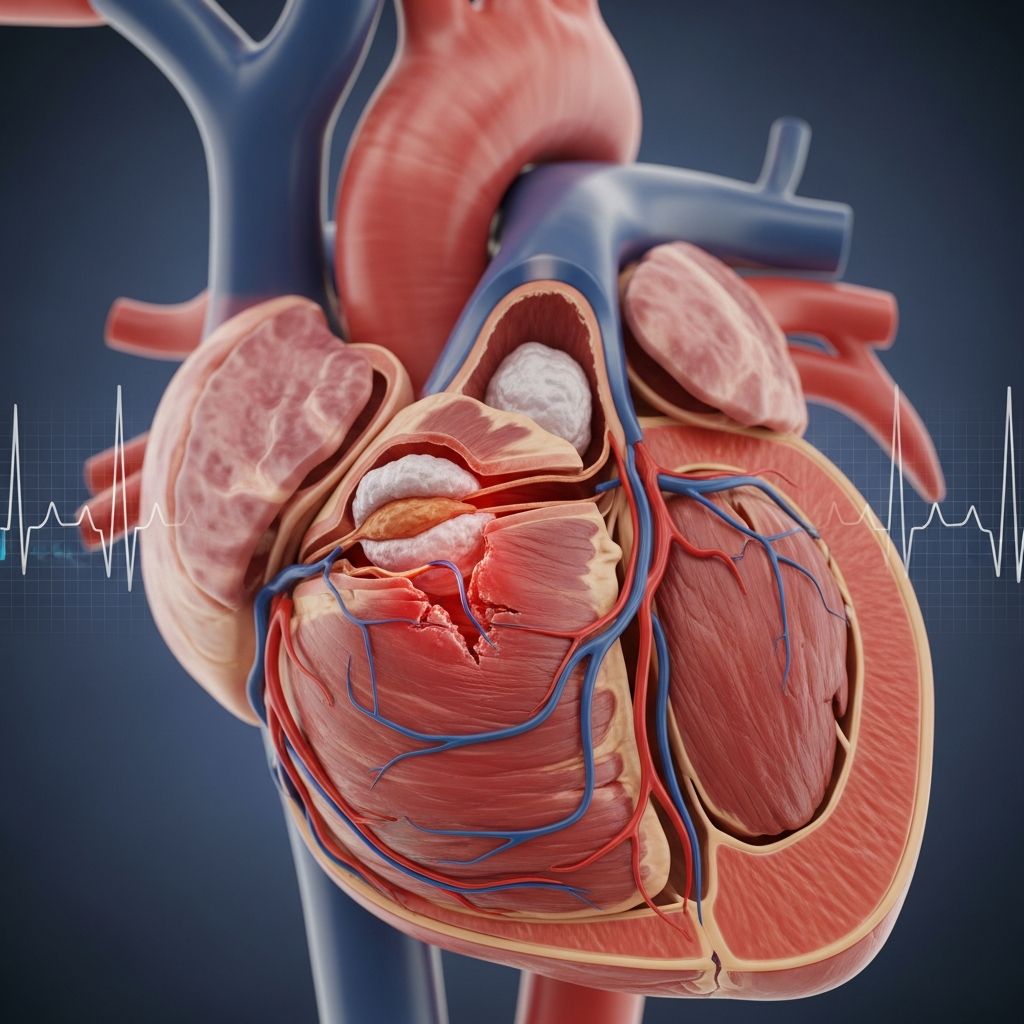
A STEMI, or ST-segment elevation myocardial infarction, is one of the most serious types of heart attacks. It occurs when a coronary artery becomes completely blocked, preventing oxygen-rich blood from reaching the heart muscle. This complete blockage causes the heart muscle to begin dying, which is why immediate medical intervention is critical. STEMI represents approximately 30% of all acute coronary syndrome cases and is distinguished by characteristic ST-segment elevation visible on an electrocardiogram (ECG).
The key difference between a STEMI and other types of heart attacks, such as NSTEMI (non-ST-elevation myocardial infarction), is the severity of the blockage. While NSTEMI typically involves a partial blockage of a coronary artery, STEMI involves a complete obstruction. This complete blockage means the STEMI causes more extensive heart muscle damage and requires immediate emergency treatment to minimize tissue death and prevent life-threatening complications.
Understanding the Coronary Arteries
Your heart relies on coronary arteries to deliver oxygen-rich blood to the heart muscle itself. When one of these critical vessels becomes completely blocked, the area of the heart it supplies is deprived of oxygen. This ischemia—the lack of oxygen—causes the heart tissue to become injured or die. The damage occurs rapidly, often within hours, which is why prompt recognition and treatment are essential to preserve as much heart function as possible.
Recognizing STEMI Symptoms
Understanding the warning signs of a STEMI can be life-saving. The symptoms often develop suddenly and require immediate emergency medical attention. Recognizing these signs and calling emergency services promptly can mean the difference between recovery and permanent heart damage.
Common Symptoms in Both Men and Women
The most typical symptoms of a STEMI include:
- Chest pain or discomfort, often described as pressure, tightness, or heaviness
- Shortness of breath or dyspnea
- Nausea or vomiting
- Excessive sweating (diaphoresis) or cold sweats
- Dizziness or lightheadedness
- Pain radiating to the left arm, shoulder, neck, jaw, or back
- Weakness and fatigue
- Abdominal discomfort that may resemble indigestion
Symptoms More Common in Women
Women experiencing a STEMI may present with different or additional symptoms compared to men. Women are less likely to report chest pain in the center of the chest and may instead describe discomfort that feels like indigestion. Additional symptoms that women may experience include unusual fatigue, sleep disturbances, anxiety, weakness, shortness of breath without chest pain, and upper back or jaw pain. These atypical presentations can sometimes lead to delayed diagnosis, which is why awareness of all possible symptoms is important for both patients and healthcare providers.
Risk Factors for STEMI
Certain conditions and lifestyle factors increase your risk of experiencing a STEMI. Understanding these risk factors can help you take preventive measures and recognize when you need medical evaluation.
Related Stories



- High blood pressure (hypertension)
- High cholesterol or dyslipidemia (imbalance of blood lipids)
- Diabetes mellitus
- Smoking or tobacco use
- Family history of coronary artery disease or heart attacks
- Obesity
- Sedentary lifestyle
- Excessive stress
- Age (older individuals at higher risk)
- Male gender (though women can develop STEMI, particularly after menopause)
If you have multiple risk factors, it’s essential to work with your healthcare provider to manage them through lifestyle modifications, medication, or both.
How is STEMI Diagnosed?
Early and accurate diagnosis of STEMI is critical because delayed treatment significantly increases the risk of death and permanent heart damage. Healthcare providers use multiple diagnostic tools to confirm a STEMI diagnosis.
Electrocardiogram (EKG)
The electrocardiogram is the key diagnostic test for STEMI. An EKG records the electrical activity of your heart and displays it as wave patterns on paper or a monitor. In STEMI, the ECG shows characteristic ST-segment elevation in specific leads, indicating transmural myocardial ischemia—damage affecting the full thickness of the heart wall. This distinctive finding on the EKG is what gives STEMI its name and is the hallmark sign that alerts medical professionals to the need for emergency intervention.
Blood Tests
Blood tests are performed to detect elevated cardiac biomarkers, particularly troponin. Troponin is a protein that is released into the bloodstream when heart muscle cells are damaged or dying. Elevated troponin levels confirm myocardial injury and help establish a diagnosis of myocardial infarction. Blood tests may also include measurements of other cardiac enzymes and tests to rule out other conditions such as thyroid disorders or infections.
Imaging Tests
Echocardiography is the most commonly used imaging test for suspected STEMI. This non-invasive procedure uses high-frequency ultrasound waves to create detailed images of your heart, including its internal structures. An echocardiogram can show areas of the heart muscle that are not contracting properly due to ischemia or previous infarction, helping to confirm the diagnosis. Additionally, it can identify other potential causes of chest pain, such as acute aortic disease or complications like pulmonary embolism. A major advantage of echocardiography is that it can be performed at the bedside without requiring patient transport, making it especially valuable in emergency situations.
Coronary Angiogram
A coronary angiogram is often performed after STEMI diagnosis is confirmed by ECG. This procedure involves inserting a catheter into the coronary arteries and injecting contrast dye to visualize the location and severity of the blockage. This information helps guide the treatment strategy and allows physicians to proceed directly to intervention if needed.
STEMI vs. NSTEMI: Key Differences
| Feature | STEMI | NSTEMI |
|---|---|---|
| Artery Blockage | Complete blockage | Partial blockage or narrowing |
| ST-Segment on ECG | ST-segment elevation | No ST-segment elevation |
| Heart Muscle Damage | Extensive transmural damage | Limited or subendocardial damage |
| Troponin Levels | Usually elevated | May be elevated or normal initially |
| Treatment Urgency | Requires immediate intervention | Urgent but slightly less emergent than STEMI |
| Percentage of ACS Cases | Approximately 30% | Approximately 70% |
Emergency Treatment for STEMI
Time is critical in STEMI treatment. The goal is to restore blood flow to the blocked artery as quickly as possible to minimize heart muscle damage. Medical professionals must balance speed with accuracy to ensure patients receive appropriate care.
Immediate Management
Upon arrival at the hospital or identification of STEMI by paramedics, immediate steps are taken: Intravenous access is established to administer medications. Continuous cardiac monitoring is initiated to observe heart rhythm and detect any dangerous arrhythmias. Oxygen therapy may be provided to improve blood oxygenation. Medications are administered to reduce chest pain, thin the blood, and stabilize the heart.
Reperfusion Strategies
The primary goal of STEMI treatment is to restore blood flow through the blocked artery. Two main reperfusion strategies exist:
Percutaneous Coronary Intervention (PCI): Also called angioplasty, PCI is the preferred treatment for STEMI when available. During this procedure, a catheter is inserted into the coronary artery, and a balloon is inflated to compress the blockage and restore blood flow. A stent—a small mesh tube—is typically placed to keep the artery open. PCI is recommended for patients with symptoms lasting less than 12 hours.
Fibrinolytic Therapy: Clot-busting medications can be administered intravenously to dissolve the blood clot causing the blockage. While this therapy can be initiated quickly, often before the patient reaches a PCI-capable facility, it is generally less effective than PCI and carries a higher risk of complications.
Medications Used in STEMI Treatment
Multiple medications are used to manage STEMI:
- Antiplatelet agents (such as aspirin and P2Y12 inhibitors) to prevent clot formation
- Anticoagulants to prevent blood clots from forming or growing
- Beta-blockers to reduce heart rate and blood pressure
- ACE inhibitors or other vasodilators to reduce stress on the heart
- Statins to manage cholesterol and stabilize plaques
- Pain medications to relieve chest discomfort
Advanced Interventions
In certain situations, additional interventions may be necessary. For patients who do not respond adequately to fibrinolytic therapy, rescue PCI is recommended to improve outcomes. For patients presenting with cardiogenic shock or acute severe heart failure, immediate invasive intervention is strongly advised regardless of symptom onset timing. In some cases, coronary artery bypass surgery may be considered, particularly if multiple arteries are severely blocked or if PCI is not feasible.
The Importance of Coordination and Time
Effective STEMI management depends critically on seamless coordination between emergency medical services and hospitals. EMS personnel should notify the PCI center as soon as a reperfusion strategy is determined, allowing the hospital to prepare. Patients should be transported directly to a PCI-capable center, bypassing the emergency department when possible to reduce treatment delays. Time from symptom onset to treatment—known as door-to-balloon time—is a key quality metric for STEMI care, with shorter times associated with better outcomes.
Recovery and Rehabilitation
Following STEMI treatment, patients require careful monitoring and rehabilitation to optimize recovery and prevent future cardiac events. Cardiac rehabilitation programs typically include supervised exercise, education about heart disease, counseling for emotional health, and management of risk factors. Regular follow-up appointments allow physicians to assess heart function recovery and adjust medications as needed.
Frequently Asked Questions
What should I do if I suspect I’m having a STEMI?
If you experience chest pain or pressure, shortness of breath, or other symptoms suggestive of a heart attack, call emergency services immediately. Do not drive yourself to the hospital. Chewing aspirin (if not allergic) while waiting for paramedics may be helpful, as it can prevent clot formation. Time is critical—every minute counts in STEMI treatment.
How is STEMI different from a regular heart attack?
STEMI is characterized by complete blockage of a coronary artery and shows ST-segment elevation on an ECG. Other types of acute coronary syndrome, such as NSTEMI or unstable angina, involve partial blockage or more limited damage. STEMI generally causes more extensive heart damage and requires more urgent intervention.
What is the survival rate for STEMI?
Survival rates have improved significantly with modern treatment, particularly with rapid access to PCI. However, outcomes depend on many factors including the timing of treatment, the location of the blockage, overall health status, and the presence of complications. Early recognition and treatment are the most important factors for improving survival.
Can STEMI be prevented?
While STEMI cannot always be prevented, controlling risk factors significantly reduces your risk. Managing blood pressure, maintaining healthy cholesterol levels, not smoking, exercising regularly, maintaining a healthy weight, managing diabetes, and reducing stress all help lower your risk of coronary artery disease and STEMI.
What happens after STEMI treatment?
After receiving treatment, you will be monitored in an intensive care unit or cardiac care unit. You’ll undergo further tests to assess heart function and determine the extent of damage. You’ll then participate in cardiac rehabilitation, take prescribed medications long-term, and make lifestyle modifications to prevent future cardiac events.
References
- Acute ST-Segment Elevation Myocardial Infarction (STEMI) — National Center for Biotechnology Information, National Institutes of Health. 2024. https://www.ncbi.nlm.nih.gov/books/NBK532281/
- What is a STEMI Heart Attack? — Cleveland Clinic. 2024. https://my.clevelandclinic.org/health/diseases/22068-stemi-heart-attack
- STEMI Heart Attack: Symptoms and More — Medical News Today. 2024. https://www.medicalnewstoday.com/articles/stemi-heart-attack
- STEMI: ST-segment Elevation Myocardial Infarction — The Cardiology Advisor. 2024. https://www.thecardiologyadvisor.com/ddi/stemi-st-elevation-myocardial-infarction/
- Heart Attack Treatment — American Heart Association. 2024. https://www.heart.org/en/health-topics/heart-attack/treatment-of-a-heart-attack
- Heart Attack – Diagnosis & Treatment — Mayo Clinic. 2024. https://www.mayoclinic.org/diseases-conditions/heart-attack/diagnosis-treatment/drc-20373112
- Treatment of a Heart Attack — National Health Service (NHS). 2024. https://www.nhs.uk/conditions/heart-attack/treatment/
Similar Articles








Read full bio of medha deb