Step-by-Step Guide to Performing Kegel Exercises
Master pelvic floor exercises with our comprehensive guide to Kegel techniques and benefits.
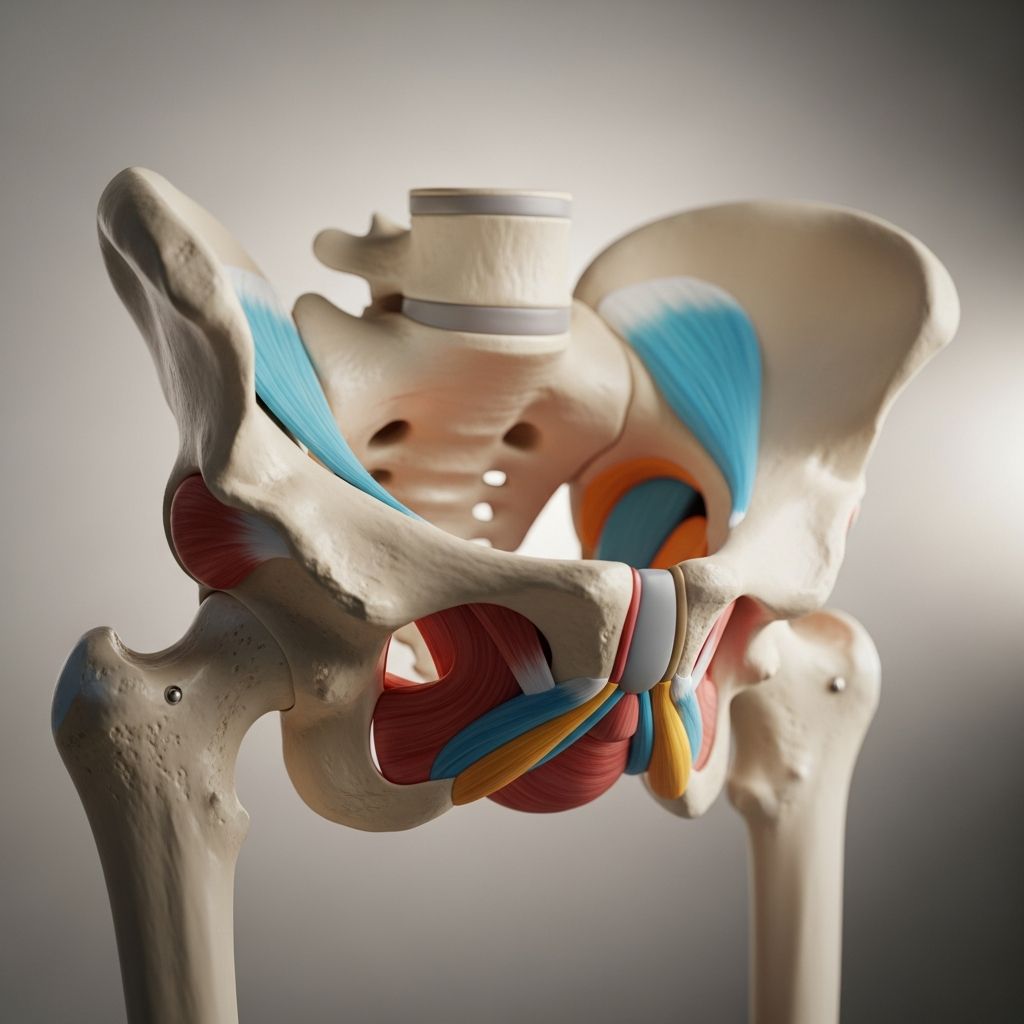
Understanding Kegel Exercises: A Comprehensive Guide to Pelvic Floor Strengthening
Kegel exercises represent one of the most effective and accessible methods for strengthening the pelvic floor muscles, a group of muscles that play a crucial role in supporting the bladder, uterus, and bowel. These exercises have been recommended by healthcare providers for decades as a non-invasive approach to improving bladder control, preventing urinary incontinence, and maintaining overall pelvic health. Whether you’re experiencing occasional leakage, looking to prevent future pelvic floor issues, or simply seeking to enhance your wellness routine, understanding how to perform Kegel exercises correctly is essential for achieving optimal results.
The pelvic floor is a network of muscles and connective tissue that forms a supportive hammock at the base of the pelvis. When these muscles weaken due to age, pregnancy, childbirth, obesity, or chronic straining, individuals may experience urinary incontinence, fecal incontinence, or pelvic organ prolapse. Kegel exercises work by targeting these specific muscles through controlled contractions and relaxations, gradually building strength and endurance that translates into improved daily function and quality of life.
What Are Pelvic Floor Muscles and Why Do They Matter?
The pelvic floor muscles are a group of skeletal muscles that extend from the pubic bone in front to the tailbone in back, and from one side of the pelvis to the other. These muscles are responsible for several critical functions in the body. They support the pelvic organs, including the bladder, uterus, and bowel, helping them maintain their proper position and function. Additionally, these muscles play a vital role in sphincter control, allowing you to voluntarily control the release of urine and stool.
Understanding the anatomy and function of the pelvic floor is fundamental to appreciating why Kegel exercises are so important. Unlike the skeletal muscles in your arms or legs, the pelvic floor muscles are often overlooked and undertrained. This neglect can lead to weakening over time, particularly following significant life events such as pregnancy and childbirth, or as part of the natural aging process. By dedicating time to strengthening these muscles through regular Kegel exercises, you can prevent or minimize many common pelvic floor disorders.
Identifying Your Pelvic Floor Muscles: The First Step
Before you can begin performing Kegel exercises effectively, you must first learn to identify and isolate your pelvic floor muscles. This is perhaps the most important step in the process, as performing exercises on the wrong muscle groups will provide no benefits. Many people initially struggle with muscle identification, but with the right guidance and practice, you can quickly learn to recognize and control these muscles.
The most straightforward method for identifying your pelvic floor muscles is to imagine that you are trying to prevent the passing of gas. This visualization helps you contract the correct muscle group without engaging your abdominal, hip, or buttock muscles, which should remain completely relaxed. Another helpful technique involves attempting to stop the flow of urine midstream during urination. The muscles you use to accomplish this task are your pelvic floor muscles. However, this technique should only be used for identification purposes and not regularly practiced, as frequently stopping urination can interfere with normal bladder emptying.
Once you’ve identified these muscles, you may notice that they’re relatively weak initially, which is completely normal. The key is to practice isolating and contracting them independently of surrounding muscles. Avoid tightening your abdominal, buttock, or thigh muscles during this process, as this indicates you haven’t yet fully isolated the pelvic floor. You should be able to feel the muscles tightening in the lower pelvic area, creating a gentle lifting and pulling sensation.
Related Stories



Step-by-Step Instructions for Performing Kegel Exercises
Now that you understand how to identify your pelvic floor muscles, you’re ready to begin performing Kegel exercises. Follow these detailed steps to ensure you’re performing the exercises correctly and safely:
The Basic Kegel Exercise Technique
Step 1: Find a Comfortable Position
Begin by finding a comfortable position where you can focus on your pelvic floor muscles without distraction. You can perform Kegels sitting, standing, or lying down. Choose whichever position feels most natural and comfortable for you. Many people prefer to start while lying down in bed, as this position makes it easier to relax the surrounding muscles completely.
Step 2: Contract Your Pelvic Floor Muscles
Tighten your pelvic floor muscles by using the “stop the flow of urine” or “prevent gas” technique discussed earlier. When you contract these muscles, you should feel a gentle lifting and pulling sensation in the lower pelvic region. The contraction should be firm but not strained, and it should not involve any movement of your abdomen, hips, or buttocks.
Step 3: Hold the Contraction
Once you’ve successfully contracted your pelvic floor muscles, hold this contraction for a count of five seconds while continuing to breathe normally. Maintaining steady, relaxed breathing is crucial during this step, as many people unconsciously hold their breath when concentrating on muscle contractions. Breathing helps oxygenate your muscles and prevents unnecessary tension in other body areas.
Step 4: Relax Completely
After holding for five seconds, completely relax your pelvic floor muscles for another five seconds. This relaxation period is just as important as the contraction phase, as it allows your muscles to recover between repetitions and helps prevent fatigue. You should feel a noticeable release of tension in the pelvic area.
Step 5: Repeat the Sequence
Repeat this contract-and-relax sequence 10 times in a row. This constitutes one complete set of Kegel exercises. For optimal results, perform three sets daily, spreading them throughout your day at different times and locations.
When and Where to Perform Kegel Exercises
One of the greatest advantages of Kegel exercises is their flexibility and convenience. Unlike many exercise routines that require special equipment or designated workout spaces, you can perform Kegels virtually anywhere and at any time without anyone knowing what you’re doing. This accessibility makes it easy to incorporate them into your daily routine consistently.
Consider performing your three daily sets at different times throughout the day. You might do one set while sitting at your desk at work, another set while relaxing at home in the evening, and a third set while lying in bed before sleep. Some people find it helpful to associate their Kegel exercise routine with other daily activities, such as brushing their teeth, eating meals, or driving their car, creating a helpful reminder system that ensures they don’t forget to perform their exercises.
You can perform Kegels while sitting in traffic, standing in line at stores, or any other time when you have a few spare moments. The discrete nature of these exercises means you can maintain your pelvic floor strengthening routine regardless of your schedule or environment.
Common Mistakes to Avoid
While Kegel exercises are relatively simple to perform, many people inadvertently make mistakes that reduce their effectiveness. Being aware of these common errors can help you get the most from your exercise routine:
Contracting the Wrong Muscles: The most common mistake is engaging your abdominal, buttock, or thigh muscles instead of isolating your pelvic floor. Keep these muscles completely relaxed throughout the exercise. If you find yourself tightening your stomach or buttocks, stop and refocus on identifying the correct muscle group.
Holding Your Breath: Many people unconsciously hold their breath while performing Kegel exercises. This creates unnecessary tension and can actually interfere with proper muscle contraction. Remember to breathe slowly and steadily throughout your entire exercise session.
Performing Too Vigorously: Some individuals believe that performing more intense contractions or more frequent repetitions will yield faster results. However, overworking these muscles can lead to fatigue and reduced effectiveness. Stick to the recommended protocol of holding for five seconds and relaxing for five seconds, completing 10 repetitions per set.
Inconsistency: Performing Kegel exercises sporadically will not produce significant results. These muscles respond to consistent, regular training just like any other muscle group in your body. Commit to performing your exercises three times daily for the best outcomes.
Expected Timeline for Results
One of the most frequently asked questions about Kegel exercises concerns how long it takes to see noticeable improvements. Understanding realistic timelines helps maintain motivation and ensures you don’t abandon your routine prematurely.
Most people begin noticing improvements in their symptoms within three to four weeks of consistent practice. During this initial period, you may observe that urinary leakage becomes less frequent and severe, particularly during activities that previously triggered incontinence. As you continue your routine beyond this initial period, the improvements typically become more pronounced, with many individuals experiencing significant symptom relief within two to three months of regular Kegel practice.
The timeline for noticeable results varies among individuals and depends on several factors, including the severity of your initial condition, your age, and your consistency with the exercise routine. Younger individuals and those with milder symptoms may see results more quickly, while those with more significant weakness may require a longer training period. Regardless of your starting point, maintaining your Kegel exercise routine faithfully every day is essential for achieving and sustaining improvements.
Progressing Your Kegel Exercise Routine
Once you’ve mastered the basic Kegel exercise technique and have been practicing for several weeks, you may want to progress your routine to continue challenging your pelvic floor muscles and achieving continued improvements. Progression can involve several different strategies:
Increasing Hold Duration: Gradually extend the duration of each muscle contraction from five seconds to ten seconds and eventually to fifteen seconds, while maintaining the same five-second relaxation period between contractions.
Increasing Repetitions: Rather than performing only 10 contractions per set, gradually work up to 15 or 20 repetitions per set as your muscle strength improves.
Quick Flicks: Incorporate quick, rapid contractions into your routine by tightening and releasing your pelvic floor muscles rapidly in succession without holding. These quick flicks help train your muscles for the sudden demands placed on them during coughing, sneezing, or laughing.
Varied Positions: As you progress, practice performing Kegels in different positions, such as standing or walking, which require greater muscle stability and control.
Using Kegels to Prevent Incontinence During Activities
Beyond your scheduled daily exercise routine, you can use Kegel exercises proactively to prevent incontinence during activities that commonly trigger leakage. Be sure to contract and tighten your pelvic floor muscles if you’re about to engage in any activity that might cause you to leak, such as coughing, lifting, sneezing, standing up after sitting, or walking. This anticipatory muscle contraction provides additional support to your pelvic organs during moments of increased intra-abdominal pressure, helping prevent embarrassing leaks.
Benefits of Regular Kegel Exercise Practice
Beyond improving bladder control, regular Kegel exercise practice offers numerous additional health benefits. These exercises help prevent progression of pelvic organ prolapse, a condition where weakened pelvic floor muscles allow pelvic organs to descend into the vaginal canal. Regular Kegel practice helps maintain and improve your bladder control throughout your life, reducing the likelihood of developing urinary incontinence as you age. Additionally, many individuals report improved sexual function and satisfaction following consistent Kegel practice, as stronger pelvic floor muscles can enhance sensation and improve muscle tone in the pelvic region.
Frequently Asked Questions About Kegel Exercises
Q: Can men perform Kegel exercises?
A: Yes, men absolutely can and should perform Kegel exercises. Men have pelvic floor muscles that can weaken for various reasons, and strengthening them through Kegels can improve urinary control, erectile function, and overall pelvic health.
Q: How many times per day should I perform Kegel exercises?
A: Most healthcare providers recommend performing three sets of Kegel exercises daily, with each set consisting of 10 repetitions. You can space these sets throughout your day at convenient times.
Q: Can I perform too many Kegel exercises?
A: Yes, overtraining your pelvic floor muscles can lead to muscle fatigue and tension rather than strength. Stick to the recommended three sets of 10 repetitions daily unless your healthcare provider recommends otherwise.
Q: Are Kegel exercises safe during pregnancy?
A: Yes, Kegel exercises are generally safe and beneficial during pregnancy. However, you should consult with your healthcare provider before starting any new exercise routine during pregnancy.
Q: Do Kegel exercises work for everyone?
A: Kegel exercises are effective for most people, but results vary. Consistency and proper technique are crucial for success. If you don’t see improvements after three months of faithful practice, consult your healthcare provider.
Q: Can I stop performing Kegel exercises once my symptoms improve?
A: Once you achieve improvement in your symptoms, you should maintain a less intensive Kegel routine to preserve your gains. Stopping completely may result in gradual weakening of these muscles over time.
Conclusion
Kegel exercises represent a simple yet powerful tool for maintaining and improving pelvic floor health. By correctly identifying your pelvic floor muscles and consistently performing these exercises as outlined in this guide, you can achieve significant improvements in bladder control, reduce the frequency and severity of incontinence, and maintain the strength and function of these vital muscles throughout your life. Remember that success with Kegel exercises requires commitment and consistency—faithfully performing these exercises every day is essential for achieving optimal results. If you have any concerns about whether Kegel exercises are appropriate for your specific situation, don’t hesitate to consult with your healthcare provider for personalized guidance.
References
- Pelvic Muscle Exercises/Kegels — Brigham and Women’s Hospital. 2024. https://www.brighamandwomens.org/obgyn/urogynecology/forms-and-education-materials/kegels-pelvic-muscle-exercises
- Pelvic Floor Muscle Training for Urinary Incontinence in Women — American College of Obstetricians and Gynecologists (ACOG). 2023. https://www.acog.org/clinical/clinical-guidance/committee-opinion/articles/2021/04/pelvic-floor-muscle-training-for-urinary-incontinence
- Conservative Management of Urinary Incontinence in Women — Cochrane Database of Systematic Reviews. 2023. https://www.cochranelibrary.com
- Physical Therapy for Pelvic Floor Dysfunction — American Physical Therapy Association (APTA). 2024. https://www.apta.org/patient-care/evidence-based-practice-resources/incontinence
Similar Articles








Read full bio of medha deb