Steps to Take This Winter to Avoid Falls
Essential strategies to stay safe on ice and snow, preventing slips and injuries during winter months.
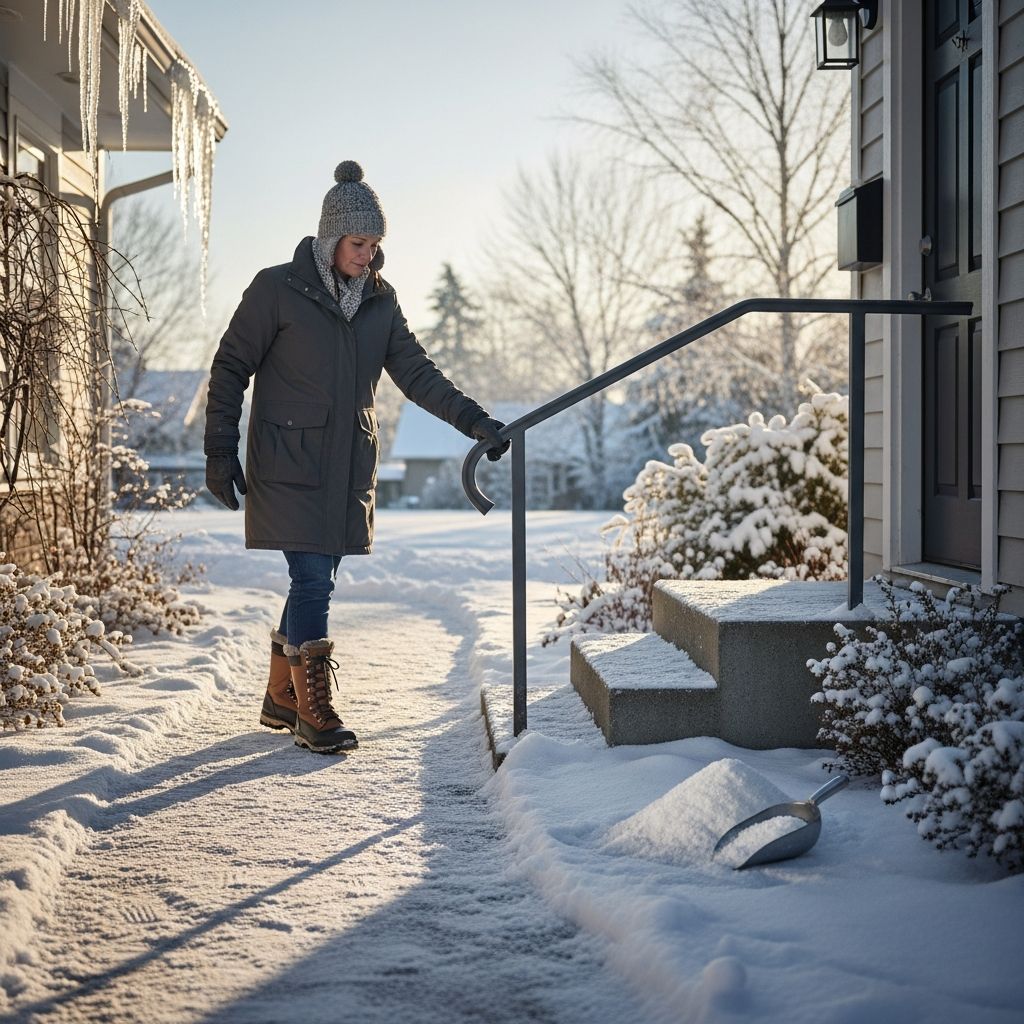
Winter brings snow, ice, and slippery surfaces that increase the risk of falls, particularly for older adults. Falls are a leading cause of injury, with orthopedic issues like hip fractures common during cold months. By adopting simple precautions, you can significantly reduce your risk.
Why Falls Are a Bigger Risk in Winter
Icy sidewalks, untreated driveways, and black ice create hidden hazards. General risk factors amplify this: advancing age weakens balance, previous falls erode confidence, poor vision obscures dangers, chronic conditions like arthritis limit mobility, multiple medications cause dizziness, and fear of falling leads to cautious but unstable movements.
Northern regions face additional challenges with limited sunlight reducing vitamin D, weakening bones. Hospitals see a spike in wrist, arm, ankle, and hip fractures from winter slips.
Prepare Your Home and Outdoor Spaces
Start with your surroundings to create a safer environment.
- Clear snow and ice promptly: Shovel sidewalks and driveways, even if asking for help. Use ice melt products, sand, or kitty litter for traction on steps and paths.
- Illuminate entryways: Install lights at doors and turn them on at night. Keep porches clear of debris like branches.
- Secure steps: Add non-slip treads to outdoor stairs and ensure they are even and unbroken. Consider grab bars near doors.
- Indoor vigilance: Watch for slippery floors from melting snow. Remove shoes at the door and use mats.
Dress and Gear for Safety
Appropriate clothing and equipment are your first line of defense.
- Footwear matters: Wear boots with non-slip treads, good traction, and low heels. Add ice grippers or cleats for extra grip.
- Layer warmly: Dress in warm, covering clothes—even for short trips. Avoid robes or inadequate attire that leaves you exposed if you fall.
- Keep hands free: Wear gloves to stay warm but ready to break a fall. Skip pockets.
- Assistive aids: Use canes with ice tips or walkers with spikes. Equip devices for winter use.
Master Safe Walking Techniques
Change how you move to maintain stability on slick surfaces.
- Penguin walk: Take short, shuffling steps like a penguin—feet wider apart, knees bent, arms out for balance. Avoid lifting feet high.
- Slower, wider gait: Walk deliberately with a broad base for better stability.
- Choose textured paths: Opt for snow, grass, or uncleared areas over glare ice.
- Car exit trick: Place both feet on the ground before standing—the ‘two-step’.
- Extra time: Plan ahead; rushing multiplies risks.
Carry sand or kitty litter to sprinkle ahead for instant traction.
Boost Your Physical Resilience
Strength and balance training prevent falls year-round.
- Exercise regularly: Tai chi, yoga, Pilates, walking, or resistance training builds strength, flexibility, and coordination. Aim for moderate sessions several days weekly.
- Bone health: Consume calcium-rich foods and ensure vitamin D intake via supplements in winter—consult your doctor.
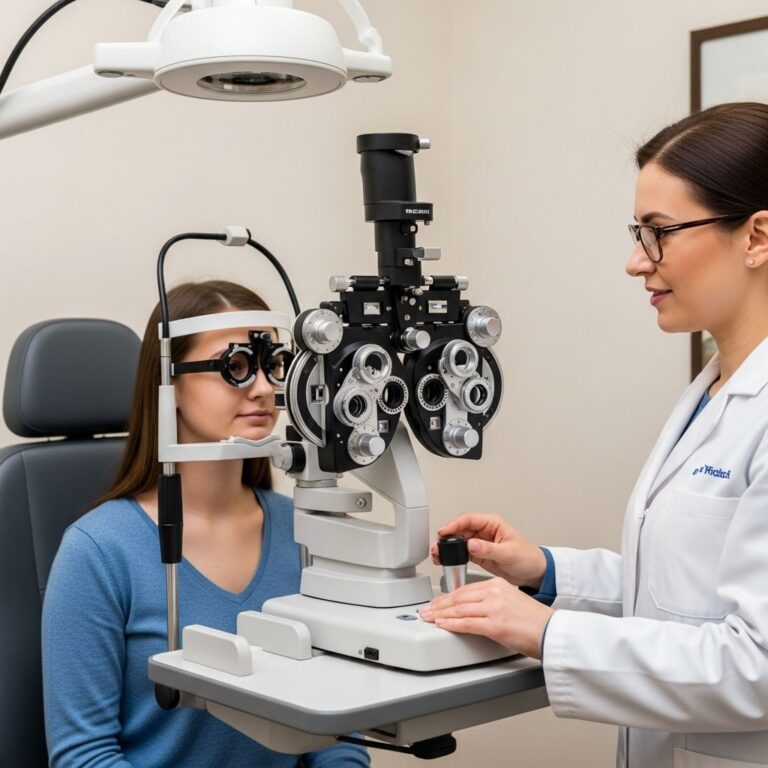
- Vision check: Update glasses and get eye exams; poor sight contributes heavily.
- Medication review: Discuss with your doctor—some drugs increase dizziness. Specialist falls clinics can optimize your regimen.
Related Stories



Tech and Habits for Peace of Mind
Simple tools enhance safety.
- Cell phone always: Carry it to call for help post-fall.
- Personal assessment: Ask your doctor or physical therapist for a fall risk evaluation and tailored plan.
What to Do If You Fall
Falls happen—respond correctly to minimize harm.
- Stay still first: Lie for a moment, check for pain or injuries. Avoid rushing up.
- Protect head: If slipping backward, tuck chin and round your body.
- Free hands: Drop items to catch yourself.
- Get up safely: Roll to side, bend knees, push with arms, use legs to stand. Crawl to a stable object like a chair if needed.
- Rest and seek help: Even minor falls warrant a check. Call emergency services if hurt.
Fall Risk Comparison Table
| Risk Factor | Winter Impact | Prevention Step |
|---|---|---|
| Age | Reduced balance on ice | Exercise programs |
| Poor Vision | Misses black ice | Eye exams |
| Medications | Dizziness on slips | Doctor review |
| Icy Surfaces | High slip potential | Ice grippers, salt |
| Rushing | Loss of control | Allow extra time |
Frequently Asked Questions (FAQs)
Why are falls more common in winter?
Snow, ice, and black ice create slippery conditions, combining with age-related risks like poor balance.
What shoes prevent winter slips?
Boots with non-slip soles, treads, and ice cleats. Avoid smooth or heeled shoes.
How do I walk on ice safely?
Use the penguin walk: short, wide, shuffling steps with arms out.
Should I exercise in winter to avoid falls?
Yes—strength, balance training like tai chi reduces risk substantially.
What if I fall on ice?
Assess injuries, roll to side to stand slowly, seek medical help if needed.
Can medications increase fall risk?
Yes; review with your doctor or falls clinic for safer options.
Implementing these steps can keep you upright and independent this winter. Stay proactive for a safer season.
References
- Avoiding Winter Falls and Slips — Weill Cornell Medicine. 2023. https://weillcornell.org/news/avoiding-winter-falls-and-slips
- Avoiding the slip: Winter fall prevention — Mayo Clinic. 2023-12-05. https://www.mayoclinic.org/medical-professionals/trauma/news/avoiding-the-slip-winter-fall-prevention/mac-20451039
- Prevent Falls & Injury During Winter — William Newton Hospital. 2024. https://www.wnhcares.org/article/prevent-falls-injury-during-winter
- Snow Falls, But You Don’t Have To! Preventing Falls this Winter — Excel Therapy Solutions. 2025-01-17. https://www.exceltherapy.com/2025/01/17/winter-fall-prevention/
- Practical steps to prevent fall-related fractures this winter — UT Southwestern Medical Center. 2024. https://utswmed.org/medblog/fall-prevention-winter-weather/
- Preventing Falls at Home: Room by Room — National Institute on Aging. 2024. https://www.nia.nih.gov/health/falls-and-falls-prevention/preventing-falls-home-room-room
Similar Articles








Read full bio of Sneha Tete