Steroid Acne: Causes, Symptoms, and Treatment
Understanding steroid acne: Causes, clinical presentation, and effective management strategies.
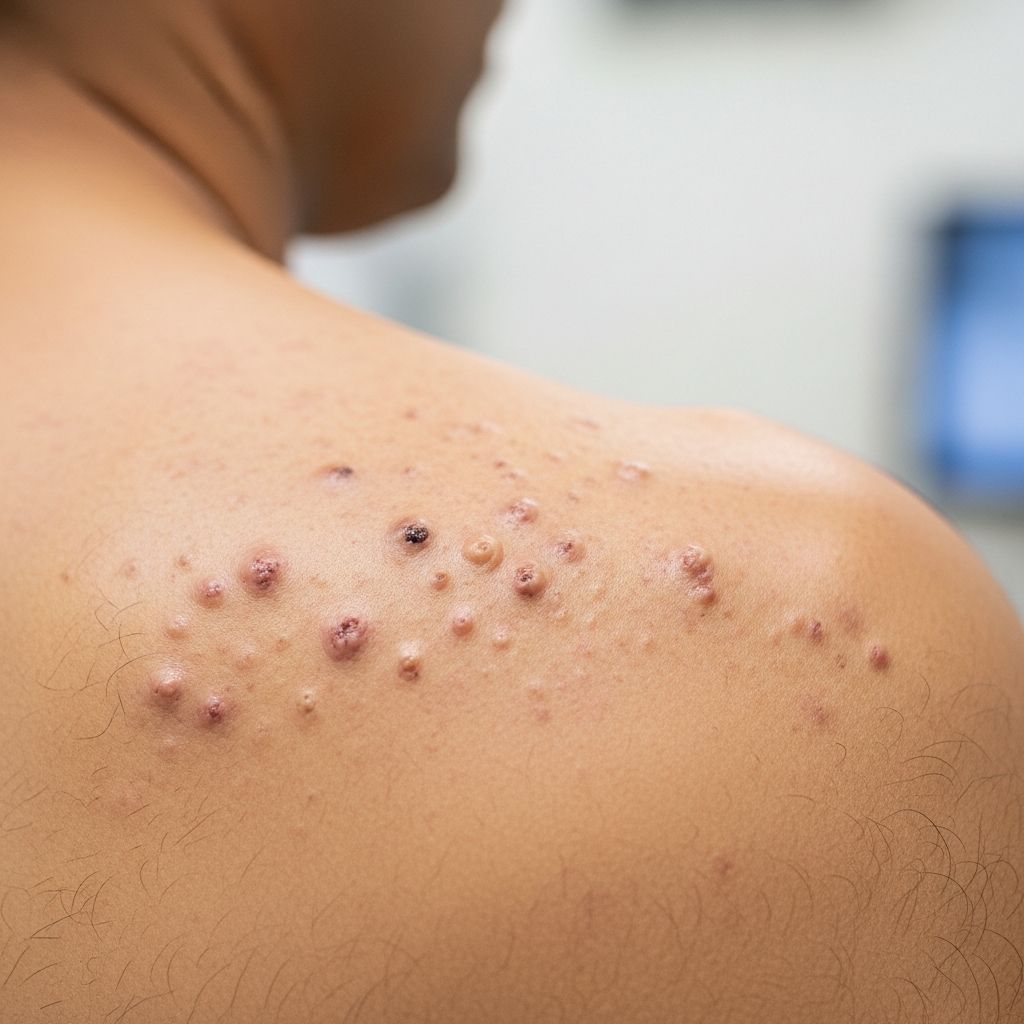
Steroid acne is a form of drug-induced acne that develops as a side effect of systemic or topical steroid use. Unlike typical acne vulgaris, which results from bacterial infection and inflammation of sebaceous glands, steroid acne is directly triggered by corticosteroid or anabolic steroid medications. This condition is increasingly common due to widespread use of corticosteroids in treating inflammatory disorders, autoimmune conditions, and post-organ transplant rejection.
Understanding Steroid Acne
Steroid acne represents a distinct clinical entity within the broader category of acne disorders. The condition manifests when systemic steroid medications alter the skin’s inflammatory response and microbial colonization patterns. While steroid acne shares visual similarities with conventional acne, its underlying pathophysiology and treatment approach differ significantly.
There are two primary forms of steroid acne recognized in dermatological practice. The first form involves inflammation of the oil glands triggered by steroid use, while the second form involves Malassezia folliculitis, a condition caused by proliferation of malassezia yeasts (also known as pityrosporum) that presents with itchy superficial papules and pustules.
Common Causes
Prescription Corticosteroids
Prescription corticosteroids represent the most common cause of steroid acne in clinical settings. These medications include oral formulations such as prednisone and dexamethasone, as well as inhaled corticosteroids used in respiratory therapy. Corticosteroid-induced acne typically develops after several weeks of treatment with moderate to high doses.
The increasing prevalence of steroid acne correlates with expanded use of corticosteroids following organ transplant surgery and chemotherapy regimens. Doctors prescribe these medications for inflammatory conditions, autoimmune disorders, and immunosuppression to prevent organ rejection.
Anabolic Steroids in Bodybuilding
Anabolic-androgenic steroids (AAS) used for performance enhancement represent a significant cause of severe steroid acne. Approximately 50 percent of individuals using high-dose anabolic steroids for bodybuilding develop acne as a side effect. The formulation known as sustanon (sometimes called “Sus” and “Deca”) represents a common culprit in bodybuilders.
High-dose testosterone and other androgenic steroids dramatically increase sebum production and skin inflammation. Athletes and bodybuilders experiencing steroid acne often develop more severe manifestations than those using prescription corticosteroids.
Topical Steroid Misuse
Beyond systemic use, topical corticosteroid creams can trigger steroid acne, particularly when misused. Some individuals apply potent steroid creams for skin lightening or extended periods without medical supervision, creating a vicious cycle of dependency. When users discontinue these topical steroids, a flare-up typically occurs, prompting reapplication and perpetuating the problem.
Mechanism of Action
The exact mechanism by which steroids induce acne remains incompletely understood, but emerging research provides valuable insights. Several studies suggest that steroids may increase your body’s production of immune system receptors known as TLR2 (Toll-Like Receptor 2).
When TLR2 receptors are elevated alongside the natural presence of the bacterium Propionibacterium acnes on the skin, these factors combine to trigger acne outbreak. Corticosteroids may impact TLR2 by promoting its activation through increased gene expression, amplifying the inflammatory cascade.
Related Stories



Additionally, steroids enhance sebum production, increase keratin deposition in hair follicles, and promote overgrowth of natural skin bacteria, all contributing factors to acne formation.
Clinical Presentation and Symptoms
Appearance and Distribution
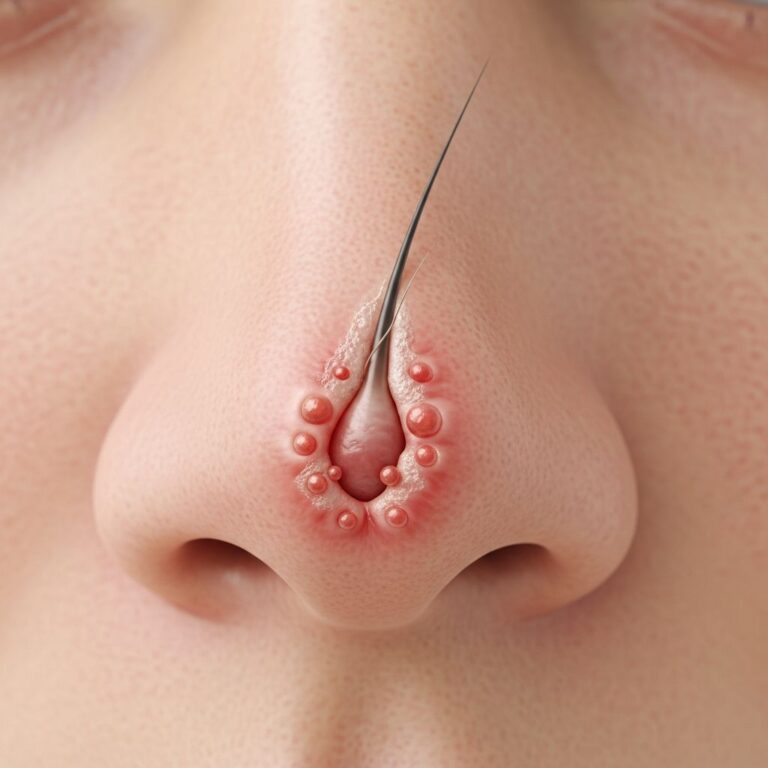
Steroid acne typically presents as small, uniform lesions measuring 1 to 3 millimeters in diameter. The lesions appear dome-shaped and are usually skin-colored or red in appearance. They are often scattered across multiple body areas rather than concentrated in one location.
Unlike conventional acne, which varies in size and appearance, steroid acne lesions tend to be remarkably uniform in morphology. This consistent appearance across lesions represents a distinguishing clinical feature.
Common Locations
Steroid acne most often affects the chest but may also develop on the face, neck, back, and arms. The upper trunk and upper arms represent particularly vulnerable areas. When individuals use inhalation therapy with corticosteroids, the mask may increase lesion concentration on the face.
The distribution pattern often reflects areas of greater sebaceous gland concentration or regions where steroid deposits accumulate. Sites prone to conventional acne may be affected when steroids aggravate prior acne tendency.
Symptom Timeline
Steroid acne does not appear immediately upon steroid initiation. Instead, it typically develops after several weeks of treatment with prescribed steroids. The delay between steroid exposure and acne appearance reflects the time required for immune system alterations and increased TLR2 production.
Risk Factors and Susceptibility
Several factors influence whether an individual will develop steroid acne when taking corticosteroids. These include:
- Age: Individuals under age 30 have higher susceptibility, though steroid acne can develop at any age
- Skin tone: The condition is more common in those with lighter skin
- Steroid dose: Higher doses increase acne risk significantly
- Treatment duration: Longer treatment courses elevate acne probability
- Individual susceptibility: Genetic predisposition to acne affects steroid acne development
- Underlying medical conditions: Patients with various conditions requiring moderate to high-dose oral steroids face increased risk
Relationship to Other Steroid-Related Skin Conditions
Steroid acne is distinct from steroid rosacea, a separate condition that develops from long-term application of topical corticosteroids. While both conditions result from steroid use, their clinical presentation, underlying pathophysiology, and treatment approaches differ considerably.
In many patients, steroid acne represents the same condition as Malassezia folliculitis, a yeast-related condition. This presentation typically involves itchy superficial papules and pustules on the chest and back. Distinguishing between bacterial steroid acne and Malassezia-related steroid acne influences treatment selection.
Treatment Approaches
Discontinuation of Steroids
The most straightforward treatment for steroid acne involves stopping steroid medication. Steroid acne usually resolves itself over a period of weeks and months once you discontinue corticosteroid treatment. However, many patients cannot discontinue steroids due to serious underlying medical conditions.
Individuals taking prescription corticosteroids should never stop medication without consulting their physician, as discontinuation may pose serious health risks. In certain situations, taking steroids plays a vital role in maintaining health, and abrupt cessation could be dangerous.
In contrast, individuals using anabolic steroids for performance enhancement should stop using them to prevent future acne outbreaks and other serious health conditions.
Topical Treatments
When steroid discontinuation is not possible, dermatologists recommend topical preparations to manage acne symptoms. Topical retinoids, when used routinely alongside other dermatologist-recommended treatments, can reduce the appearance of steroid acne for some patients.
Other topical options may include non-comedogenic skincare products and preparations designed specifically for acne management.
Oral Antibiotics
Oral antibiotics represent an important treatment option for steroid acne management. Tetracycline antibiotics are frequently prescribed to provide anti-inflammatory effects and reduce bacterial overgrowth. These medications help control flare-ups and reduce inflammation when patients must continue steroid therapy.
Additional Therapeutic Options
Treatment may also include antifungal medications, particularly when Malassezia folliculitis represents the underlying cause. Dermatologists may recommend specific acne management strategies tailored to individual patient circumstances.
It is important to recognize that steroid acne may not fully clear with antibiotics, topical preparations, and other treatment options when steroid therapy continues. Instead, complete resolution typically occurs after discontinuing steroid use.
Prevention Strategies
Prevention of steroid acne depends largely on the type of steroid use and underlying medical circumstances.
For Prescription Corticosteroid Users
The primary prevention strategy involves using the lowest effective steroid dose for the shortest duration necessary. Medical providers should consider alternative non-steroid medications when treating conditions that can be managed without corticosteroids.
Patients should avoid self-medicating with steroid creams and use non-comedogenic skincare products. Early consultation with a dermatologist if steroid acne develops can prevent long-term skin damage.
For Anabolic Steroid Users
The most effective prevention strategy involves avoiding anabolic steroid use entirely. Those using performance-enhancing steroids should stop to prevent future acne outbreaks and other serious health consequences.
Important Considerations
Steroid acne may clear despite continuing the steroid medication in some cases. It usually, however, persists until the steroid medication is discontinued.
Some steroid acne will go away on its own as your body adjusts to the steroid therapy. However, waiting and observing may not be practical for all patients, and earlier intervention often yields better outcomes.
Anyone taking steroid medications can develop steroid-induced acne, regardless of age. Recognizing this possibility and discussing acne development with healthcare providers ensures appropriate management.
Frequently Asked Questions (FAQs)
Q: How long does it take for steroid acne to develop?
A: Steroid acne typically develops after several weeks of steroid treatment, not immediately upon starting the medication. The delay reflects the time required for immune system alterations and TLR2 receptor production to occur.
Q: Can steroid acne be treated while continuing steroid medications?
A: Yes, various treatments including topical preparations, oral antibiotics, and antifungal medications can help manage steroid acne symptoms. However, complete resolution typically requires discontinuing steroid use when medically possible.
Q: Is steroid acne the same as regular acne?
A: While steroid acne shares visual similarities with conventional acne, it has distinct underlying causes related to steroid use rather than bacterial infection alone. The lesions tend to be more uniform in appearance than typical acne.
Q: Who is most likely to develop steroid acne?
A: Individuals under age 30, those with lighter skin, patients taking high steroid doses, and those with longer treatment duration are more susceptible. However, anyone taking systemic steroids can develop this condition.
Q: Should I stop taking my prescribed corticosteroids if I develop acne?
A: No. You should never discontinue prescribed corticosteroids without consulting your physician, as steroids often play a vital role in managing serious medical conditions. Discuss acne development with your doctor to explore treatment options.
Q: Is steroid acne preventable?
A: Prevention involves using the lowest effective steroid dose for the shortest duration necessary. Using non-comedogenic skincare products and avoiding topical steroid misuse can also help reduce risk.
References
- Steroid Acne: Causes and Treatment — Healthline. 2024. https://www.healthline.com/health/steroid-acne
- Acne from steroids: Symptoms, causes and what you can do — First Derm. 2024. https://www.firstderm.com/acne-from-steroids-should-you-be-worried/
- What causes steroid acne and how can you treat it? — Curology. 2024. https://curology.com/blog/everything-you-need-to-know-about-steroid-acne/
- Steroid acne: Causes, treatment, and prevention — Medical News Today. 2024. https://www.medicalnewstoday.com/articles/325997
- Steroid acne — DermNet. 2024. https://dermnetnz.org/topics/steroid-acne
Similar Articles








Read full bio of Sneha Tete