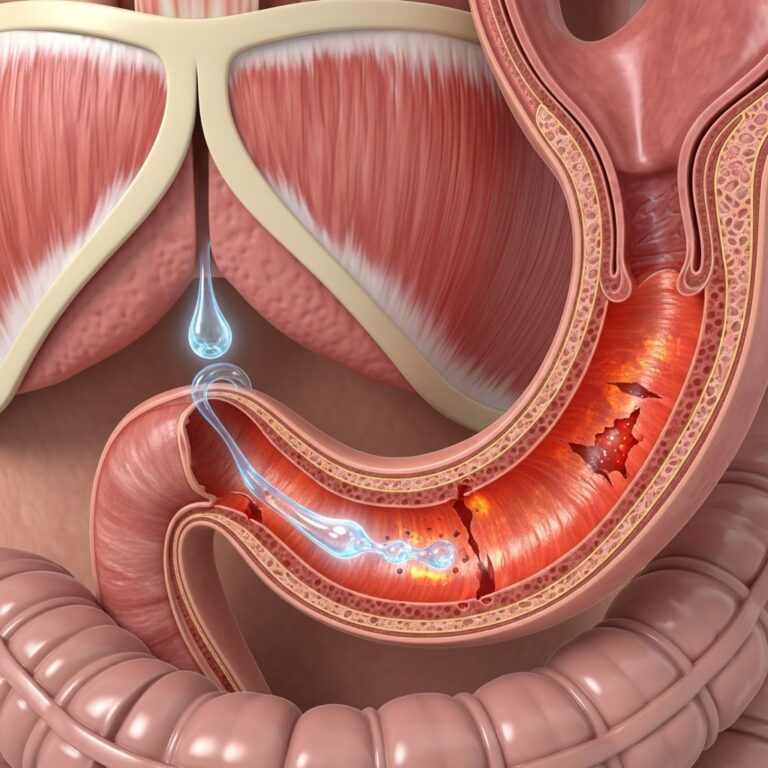
Steroid-Impregnated Tape: Expert Guide To Uses And Benefits
Discover the benefits, uses, and safety of steroid-impregnated tape for managing eczema, scars, and recalcitrant skin conditions.
Author: Reviewed by Dr. Amanda Oakley, Dermatologist, and Vanessa Ngan, Staff Writer. Updated: 15 January 2026. Synonyms: Fludroxycortide tape (Haelan tape®, UK), Flurandrenolide tape (Cordran tape®, USA), steroid tape.
What is steroid-impregnated tape?
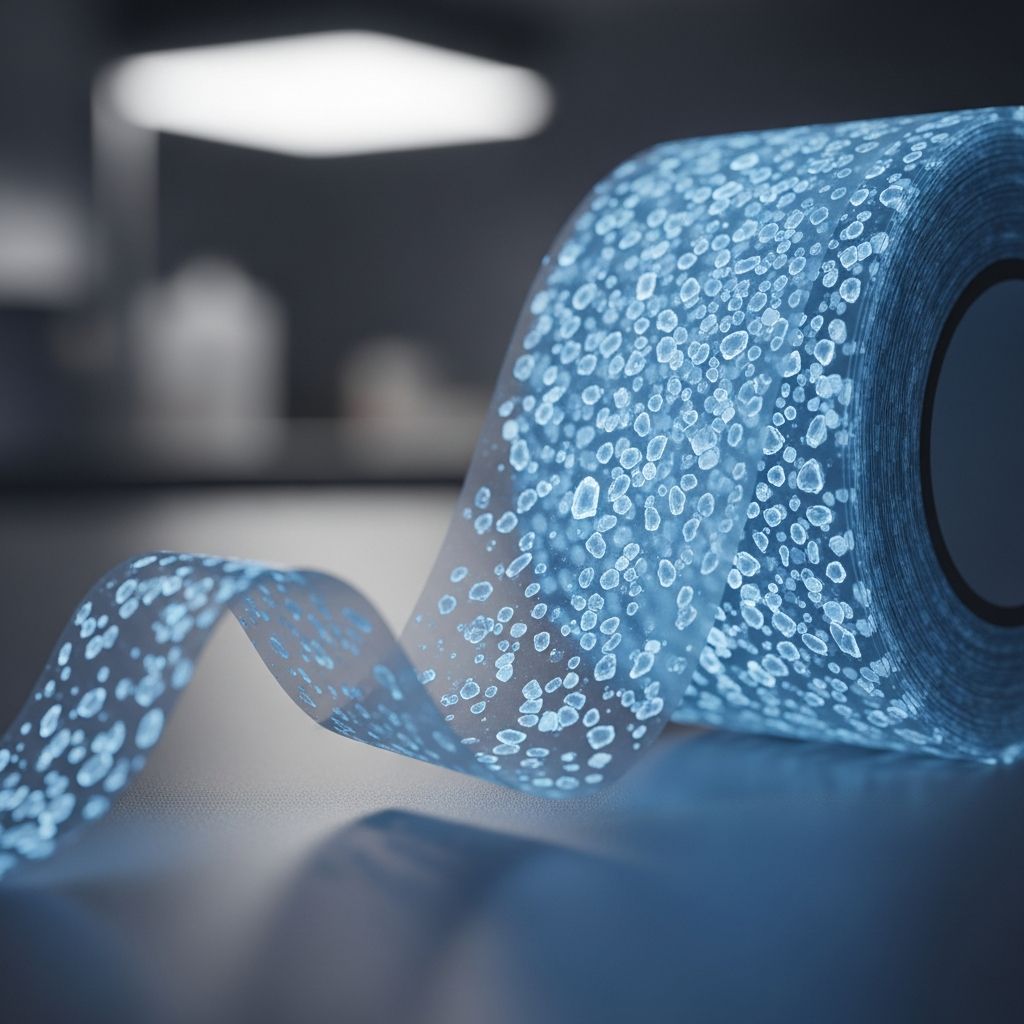
Steroid-impregnated tape is a self-adhesive, transparent or flesh-coloured tape containing a topical corticosteroid, typically fludroxycortide (4 μg/cm²) or flurandrenolide, embedded uniformly throughout an adhesive layer on a thin plastic backing. This formulation combines the therapeutic effects of a moderately potent steroid with the benefits of occlusion, enhancing percutaneous absorption while protecting the skin from external irritants.
The tape acts as both a drug delivery system and a protective dressing. By retaining moisture and preventing evaporation, it hydrates the stratum corneum, improving steroid penetration into deeper skin layers compared to standard creams or ointments. First described in the 1960s for psoriasis treatment, it has evolved into a versatile option for chronic, localised inflammatory skin conditions and scar management.
History and development
The concept of steroid-impregnated tape originated in 1966 when Weiner compared flurandrenolone tape to cream under occlusion for psoriasis, finding the tape equally or more effective with superior patient preference due to ease of use. Subsequent studies confirmed its antimitotic effects on epidermal cells, even at moderate potencies (4–20 μg/cm²), without requiring full occlusion.
In regions like Japan, higher-potency variants (e.g., 20 μg/cm² deprodone propionate) expanded indications to include scars. Today, products like Haelan® (UK) and Cordran® (USA) are licensed for adjunctive therapy in recalcitrant dermatoses, with emerging evidence supporting scar applications.
Active ingredients and formulations
- Fludroxycortide tape (Haelan®): 4 μg/cm², moderately potent, translucent plastic backing with paper liner.
- Flurandrenolide tape (Cordran®): 4 μg/cm², high-density polyethylene film backing for flexibility and waterproofing.
- Japanese variants: Fludroxycortide 4 μg/cm² (medium) and deprodone propionate 20 μg/cm² (potent) for broader inflammatory conditions including scars.
These fixed-dose tapes ensure consistent delivery, minimising dosing errors common with creams. The adhesive matrix releases steroid gradually, sustained by occlusion effects.
Mechanism of action
The tape’s efficacy stems from the corticosteroid’s anti-inflammatory, antipruritic, and vasoconstrictive properties, amplified by occlusion. Retained perspiration hydrates the skin barrier, facilitating steroid diffusion while shielding from scratching, rubbing, or clothing friction.
In scar tissue, it suppresses inflammation and fibroblast proliferation, reducing collagen synthesis in hypertrophic and keloid scars. Studies show significant mitotic count reductions in epidermis (*P* < 0.01), promoting scar flattening.
Indications
Steroid tape is indicated for:
- Chronic, localised recalcitrant dermatoses: Eczema, psoriasis, lichen simplex, dry scaling lesions unresponsive to milder topicals.
- Scar management: First-line for small paediatric or elderly keloids/hypertrophic scars; adjunct post-injection, surgery, or radiotherapy; prophylaxis post-epithelialisation (from ~1 month).
- Other: Pruritic dermatoses, contact dermatitis, lupus erythematosus (Japan).
| Condition | Evidence Level | Source |
|---|---|---|
| Eczema/Psoriasis | Licensed primary | |
| Keloid/Hypertrophic scars | Adjunct/empirical | |
| Prophylaxis post-surgery | Preventive |
Advantages over other topical steroids
Key benefits include:
- Ease of application: Cut to size, self-adheres without mess; patients prefer over creams (100% in early studies).
- Enhanced adherence: Stays in place 24–48 hours, waterproof for showering.
- Controlled release: Occlusion boosts absorption 10-fold; fixed dose prevents under/over-application.
- Protection: Acts as splint for fissures, shields from irritants.
- Aesthetics: Inconspicuous, suitable for visible areas.
- Scar-specific: Maintains steady steroid levels vs. injection peaks/troughs, better controlling inflammation.
Related Stories



Application method
- Clean and dry the lesion; ensure no infection.
- Cut tape to slightly overlap scar/lesion edges (minimal normal skin).
- Apply smooth, press firmly; cover fully.
- Change every 24–48 hours; pat dry after showering.
- For scars: Continue 3–6 months or until flattening; taper as improves.
Tips: Use scissors for precise shaping; avoid stretching. For large areas, monitor total exposure.
Dosage and duration
- Adults: 12–24 hours/day, up to 4 weeks continuous; assess HPA axis if prolonged/large areas.
- Children: Max 5–7 days; thinner skin increases absorption.
- Scars: Daily for months as adjunct; prophylaxis 1–3 months post-injury.
- No strict max quantity, but evaluate systemic effects periodically.
Efficacy evidence
Clinical trials show rapid improvement in psoriasis (days), eczema, and scars (flattening in 70–90% small lesions). In scars, combines well post-reduction therapies; Japanese protocols standardise for keloids. Paired comparisons favour tape over occluded creams.
Side effects
Generally well-tolerated; local effects mirror topicals:
- Common: Skin irritation, folliculitis, acneiform eruptions, hypopigmentation.
- Rare: Allergic contact dermatitis (adhesive/steroid), secondary infection.
- Systemic: HPA suppression with large areas/prolonged use; monitor cortisol/ACTH.
Discontinue if worsening; lower incidence than injections (no pain).
Contraindications and cautions
- Absolute: Untreated infection, rosacea, perioral dermatitis, acne vulgaris.
- Cautions: Pregnancy (category C), children, elderly, large areas, occluded flexures.
- Avoid eyes/mucous membranes; taper to prevent rebound.
Special populations
- Pregnancy/Breastfeeding: Use sparingly; minimal systemic absorption.
- Paediatrics: Ideal for small scars due to thin skin; short courses.
- Elderly: Effective for age-related thin skin; monitor skin atrophy.
Alternatives
- Topicals: Creams/ointments (less adherent).
- Injections: Triamcinolone for scars (painful).
- Other: Silicone sheets, laser, cryotherapy.
Patient information leaflet
Provide instructions: Clean area, apply tape, change 1–2x daily, report irritation. Educational videos aid compliance.
Frequently asked questions
How long should steroid tape be used?
Typically 2–4 weeks for dermatoses; 3–6 months for scars, with monitoring.
Is it waterproof?
Yes; shower normally, pat dry.
Can it be used on the face?
Avoid; risk of atrophy. Use milder topicals.
Does it work for keloids?
Yes, especially small ones or as adjunct; flattens 70–80% cases.
What if it irritates?
Remove, wash; consult doctor for alternatives.
References
- Steroid tape: A promising adjunct to scar management — Perkins K, et al. PMC. 2018-05-22. https://pmc.ncbi.nlm.nih.gov/articles/PMC5965320/
- Fludroxycortide Tape: A versatile, well-tolerated treatment option — British Dermatological Nursing Group. 2017-02. https://bdng.org.uk/wp-content/uploads/2017/02/FluReveiw.pdf
- Cordran Tape (Flurandrenolide Tape): Side Effects, Uses — RxList. Accessed 2026. https://www.rxlist.com/cordran-tape-drug.htm
- Effectiveness of Corticosteroid Tapes and Plasters for Keloids — NCBI Bookshelf. 2023. https://www.ncbi.nlm.nih.gov/books/NBK586064/
- Fludroxycortide Tape — Typharm. Accessed 2026. https://www.typharm.com/products/fludroxycortide-tape/
Similar Articles








Read full bio of medha deb