Steroid Injections: Uses, Types, Side Effects Complete Guide
Learn about steroid injections: their uses, types, how they work, side effects, and when to use them for joint and soft tissue pain relief.
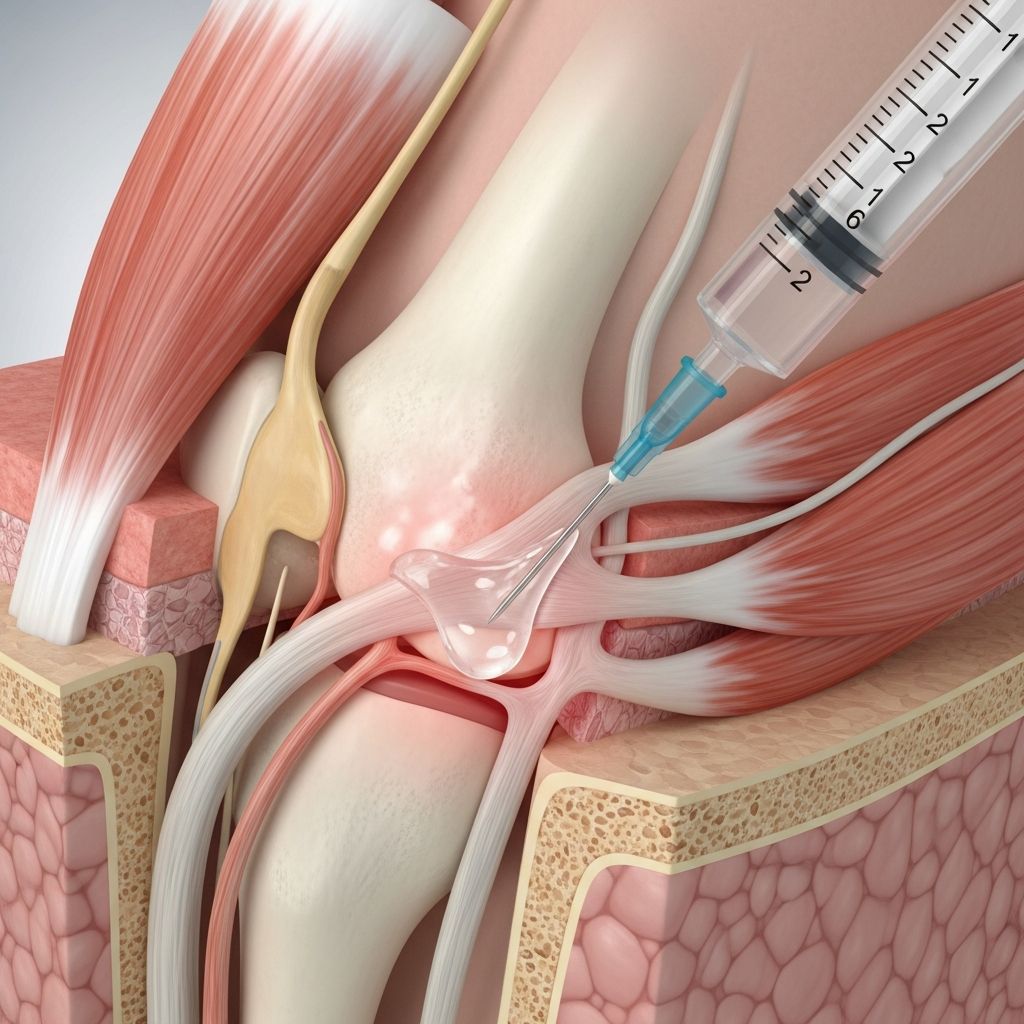
Steroid injections, also known as cortisone shots, are targeted anti-inflammatory treatments that deliver a high concentration of corticosteroids directly into affected joints or soft tissues to alleviate pain and swelling. These injections are commonly used for conditions like arthritis, tendonitis, and bursitis, providing rapid relief when combined with other therapies such as physiotherapy.
What are steroid injections?
Steroid injections involve administering a corticosteroid medication directly into a problematic area, such as a joint, tendon, or bursa, to reduce inflammation effectively. Unlike oral steroids, which affect the entire body, these local injections minimize systemic side effects by concentrating the drug at the site of pain.
What are steroids?
Steroids are naturally occurring hormones produced by the adrenal glands that help regulate inflammation, immune responses, and metabolism. Synthetic corticosteroids, like hydrocortisone, triamcinolone, or methylprednisolone, mimic these natural hormones and are used medicinally to suppress excessive inflammation in conditions such as rheumatoid arthritis, osteoarthritis, and soft tissue disorders[10]. These differ markedly from anabolic steroids, which are misused for muscle building and carry different risks.
Common examples include:
- Triamcinolone: Often used for joint injections due to its intermediate duration of action.
- Methylprednisolone: Preferred for epidural and intra-articular use.
- Betamethasone: Long-acting option for persistent inflammation.
The medication is typically mixed with a local anesthetic like lidocaine for immediate pain relief during the procedure.
Why are steroid injections used?
Steroid injections are primarily employed to manage inflammatory conditions affecting joints, muscles, tendons, and ligaments. They decrease pain, improve mobility, and allow patients to engage in physiotherapy or daily activities more comfortably.
Key indications include:
- Joint problems: Osteoarthritis, rheumatoid arthritis, gouty arthritis.
- Soft tissue conditions: Tennis elbow (lateral epicondylitis), golfer’s elbow, bursitis, tendonitis.
- Nerve compression: Carpal tunnel syndrome, where inflammation presses on nerves.
- Foot issues: Plantar fasciitis, Achilles tendinopathy.
- Other: Frozen shoulder (adhesive capsulitis), trigger finger.
Evidence shows these injections can be highly effective for short-term relief, though long-term benefits vary. Studies indicate relief lasting weeks to months, but they work best alongside non-drug treatments.
Where to get steroid injections
Steroid injections are performed by trained healthcare professionals in sterile settings to minimize infection risk. Providers include general practitioners (GPs), rheumatologists, orthopedic surgeons, radiologists, and specialist physiotherapists.
In many cases, the procedure occurs in:
- GP practices or clinics for straightforward cases.
- Hospitals or outpatient departments for complex injections, often using ultrasound or fluoroscopy guidance to ensure precise delivery.
Image guidance improves accuracy, particularly for deeper structures like the hip joint or spine, reducing complications. The process is quick, typically lasting 5-10 minutes, and uses antiseptic preparation and sterile needles.
How long do local steroid injections take to work?
Related Stories



The onset and duration of relief depend on the steroid type and formulation. Short-acting steroids like hydrocortisone provide relief within hours, lasting at least a week. Longer-acting ones, such as triamcinolone, may take 1-3 days to peak but can offer benefits for 1-3 months or more.
| Steroid Type | Onset of Action | Duration of Relief |
|---|---|---|
| Short-acting (e.g., Hydrocortisone) | Hours | 1 week+ |
| Intermediate (e.g., Triamcinolone) | 1-3 days | 4-12 weeks |
| Long-acting (e.g., Dexamethasone) | 1-7 days | Up to 6 months |
No evidence supports benefits beyond six months, and repeated injections are spaced at least 3-4 months apart. A local anesthetic provides instant numbing, but post-injection soreness (“steroid flare”) may occur for 1-2 days, managed with paracetamol.
Steroid injection side-effects
While generally safe, side effects are possible but uncommon due to the localized delivery. Most resolve quickly.
- Common (local): Pain flare-up (1-2 days), temporary skin thinning, depigmentation at injection site, fat atrophy.
- Rare systemic: Elevated blood sugar (especially in diabetics), facial flushing, insomnia, menstrual irregularities.
- Injection-related: Bleeding, bruising, infection (very rare with sterile technique), tendon weakening with overuse.
Serious complications like tendon rupture or osteonecrosis are exceedingly rare and linked to improper technique or frequent use. Patients with diabetes should monitor blood glucose for 1-2 weeks post-injection.
When should steroid injections not be used?
Contraindications ensure safety. Absolute ones include active infection at the site or systemic infection.
- Infections: Septic arthritis, cellulitis, or systemic sepsis.
- Severe joint damage: Advanced destruction where surgery is imminent (within 3 months), as it raises prosthetic infection risk.
- Bleeding risks: Uncontrolled coagulopathy, high-dose anticoagulants (e.g., warfarin; check INR), though low-dose antiplatelets are often safe.
- Other: Uncontrolled diabetes, hypertension, recent fractures, periarticular fractures.
Frequent injections (>3-4 per year per site) risk tissue atrophy. Inform providers of conditions like osteoporosis or peptic ulcers.
What other treatments should I have?
Steroid injections are adjunctive, not standalone. Combine with:
- Physiotherapy: Strengthening, stretching to address underlying causes.
- Pain management: Paracetamol, NSAIDs (if suitable).
- Lifestyle: Weight management, activity modification.
- Disease-modifying drugs: For rheumatoid arthritis (e.g., methotrexate).
Long-term, focus on root causes like biomechanics or autoimmune control for sustained benefits.
Frequently Asked Questions (FAQs)
What is a steroid flare, and how is it managed?
A steroid flare is temporary pain increase post-injection, lasting 24-48 hours. Use ice, rest, and paracetamol; it resolves as the steroid activates.
Can diabetics safely receive steroid injections?
Yes, with monitoring. Expect temporary blood sugar rises; long-acting steroids minimize this. Consult endocrinologist if needed.
How many steroid injections can I have?
Limit to 3-4 per joint/year to avoid weakening tissues. Space 3 months apart.
Are steroid injections painful?
Mild discomfort; local anesthetic numbs immediately. Post-injection soreness is common but short-lived.
Do steroid injections weaken tendons?
Rarely, if overused post-injection. Avoid heavy loading for 2 weeks.
This comprehensive overview draws from clinical guidelines, emphasizing evidence-based use of steroid injections for optimal outcomes while minimizing risks. Always consult a healthcare professional for personalized advice.
References
- Steroid Injections: Uses, Types, and Side-Effects — Patient.info. 2023. https://patient.info/treatment-medication/steroids/steroid-injections
- Cortisone Shot (Steroid Injection) — American Academy of Orthopaedic Surgeons (AAOS). 2023. https://orthoinfo.aaos.org/en/treatment/cortisone-shot-steroid-injection/
- Steroids and Corticosteroids — American Academy of Physical Medicine and Rehabilitation (AAPMR). 2024. https://now.aapmr.org/steroids-and-corticosteroids/
- Steroids: Pharmacology, Complications, and Practice Delivery Issues — National Library of Medicine (PMC). 2014-05-15. https://pmc.ncbi.nlm.nih.gov/articles/PMC4052587/
- Corticosteroids (Glucocorticoids): Definition & Side Effects — Cleveland Clinic. 2023. https://my.clevelandclinic.org/health/treatments/corticosteroids-glucocorticoids
Similar Articles








Read full bio of medha deb