Steroid Rosacea: Causes, Symptoms, And Treatment Guide
Understanding the rosacea-like condition caused by potent topical steroids on facial skin and effective management strategies.
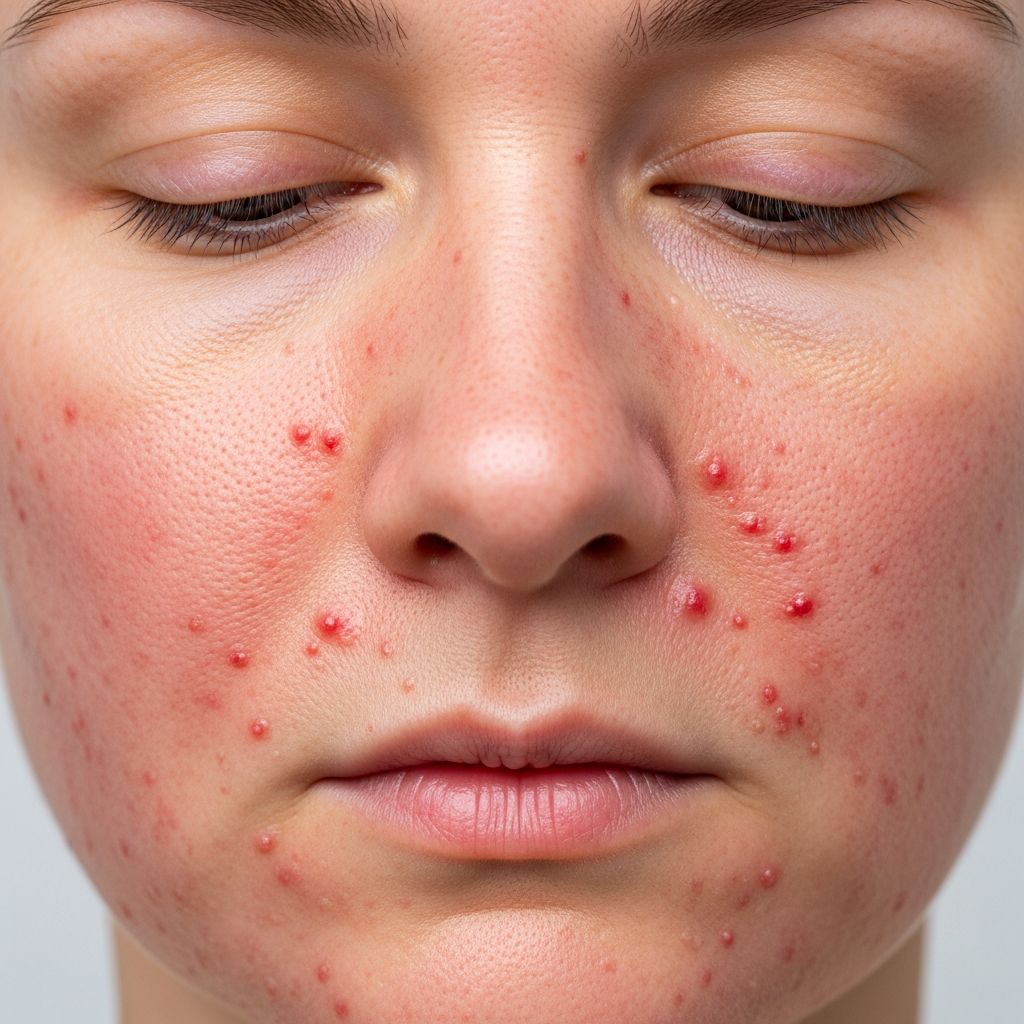
Steroid rosacea is a rosacea-like condition on the mid-face caused by potent topical steroids or their withdrawal. It presents as persistent facial redness, papules, pustules, and telangiectasia, often worsening upon discontinuation of the steroid.
What is steroid rosacea?
Steroid rosacea, also known as topical corticosteroid-induced rosacea-like dermatitis (TCIRD), develops from the inappropriate prolonged use of topical corticosteroids on facial skin. Unlike true rosacea, which is a chronic inflammatory disorder, steroid rosacea is iatrogenic and reversible with proper management. It primarily affects the central face, including cheeks, forehead, nose, and chin, and is characterized by rebound inflammation upon steroid cessation.
The condition is frequently misdiagnosed as acne, perioral dermatitis, or idiopathic rosacea, leading to continued steroid misuse. It predominantly impacts adults using over-the-counter or prescribed potent steroids for cosmetic purposes or minor dermatoses.
Who gets steroid rosacea?
Steroid rosacea most commonly affects adult women aged 18-54 years, though men and children can also develop it. In one clinical study of 110 cases, 98 were females and 12 males, with steroid use durations ranging from 4 months to 20 years. Potent steroids like betamethasone valerate are commonly implicated due to availability and initial efficacy.
Individuals applying steroids to thin facial skin are at highest risk, especially with daily use for weeks to months. Children and men are less frequently affected but vulnerable when steroids are used on eyelids or cheeks.
Causes of steroid rosacea
The exact mechanism remains unclear, but several theories explain topical steroid-induced changes:
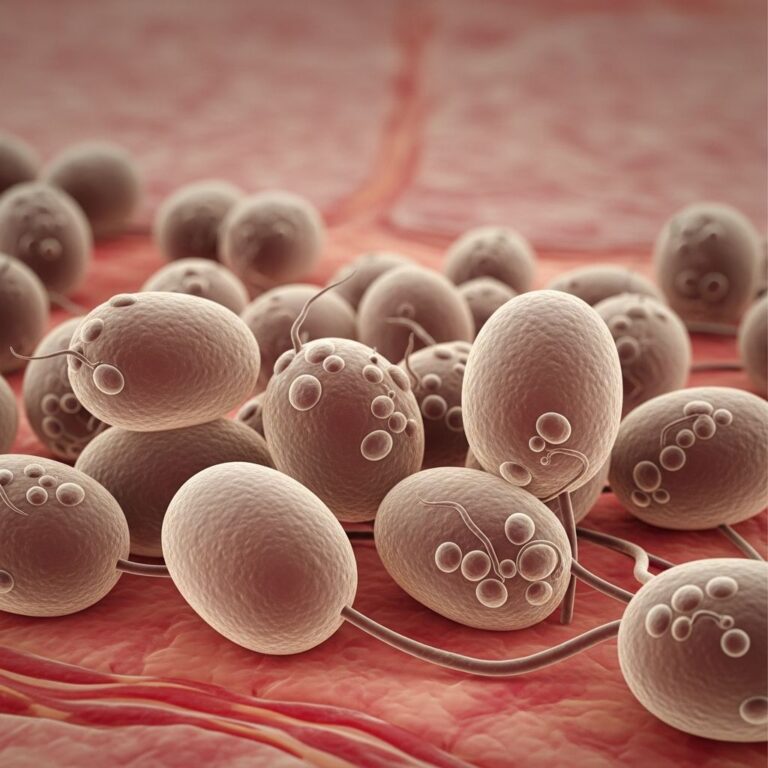
- Overgrowth of Demodex mites in hair follicles, exacerbated by steroid immunosuppression.
- Increased skin microorganisms and barrier disruption.
- Rebound vasodilation from steroid-induced blood vessel fragility and excessive formation.
- Exaggerated immune response with inflammatory cytokine release upon withdrawal.
Steroid potency and duration are key factors: class I (super potent) to class VI steroids on the face increase risk, while class VII (mild) used infrequently is safer. Calcineurin inhibitors like tacrolimus and pimecrolimus can cause similar rashes. Initial steroid response masks progression until tolerance develops, prompting rebound flares.
Clinical features of steroid rosacea
Symptoms emerge after weeks of steroid application, starting with redness and warmth on cheeks, forehead, eyelids, or chin. Key features include:
- Diffuse facial erythema, often edematous.
- Small red papules, papulovesicles, pustules, or nodules.
- Burning, itching, irritation, and sensitivity to products.
- Telangiectasia (visible blood vessels) in over 75% of cases.
- Rebound flare: worsening redness and inflammation on discontinuation.
In a study of 75 patients, >90% had redness/hotness, 97% burning/itching, 77% telangiectasia, and 40% papulopustular lesions. Triggers like heat, sun, or stress exacerbate symptoms. Skin feels warm, scaly, and fragile.
Diagnosis
Diagnosis relies on clinical history and examination: prolonged facial steroid use followed by rebound phenomenon. No specific tests are needed; biopsy is rarely performed but shows dermal inflammation without true rosacea granulomas.
Differential diagnoses include:
| Condition | Key Distinctions |
|---|---|
| Idiopathic rosacea | No steroid history; eye involvement common; persists without steroids. |
| Acne vulgaris | Comedones present; no telangiectasia rebound. |
| Perioral dermatitis | Perioral sparing; less telangiectasia. |
| Seborrhoeic dermatitis | Scalp/nasolabial involvement; greasy scales. |
A detailed history revealing steroid dependency confirms steroid rosacea.
Related Stories



Treatment of steroid rosacea
Treatment centers on steroid cessation, managed gradually to avoid rebound.
Stepwise steroid withdrawal
- Switch to mild class VI/VII steroid (e.g., desonide) if potent class I used.
- Apply daily, then weekends only, then stop.
- Alternate potent/mild every other day for 7 days, then mild daily x7, then twice weekly.
Supportive therapies
- Non-oily moisturizers for barrier repair.
- Oral tetracyclines (doxycycline, tetracycline) for 1-3 months to reduce inflammation.
- Topical non-steroidal agents: tacrolimus 0.1%/0.03% ointment or pimecrolimus 1% cream.
Most cases improve within months, though telangiectasia may persist, treatable with vascular lasers. Emotional support is vital due to dependency cycle.
What is the outcome for steroid rosacea?
Prognosis is excellent with adherence: inflammation resolves in weeks to months. Persistent telangiectasia affects some but responds to lasers. Recurrence is prevented by avoiding facial steroids. Early intervention minimizes damage.
Prevention of steroid rosacea
- Use mild steroids sparingly on face (<2 weeks).
- Educate on risks of OTC potent steroids.
- Monitor for early redness; switch to non-steroidal topicals.
- Prescribe alternatives like azelaic acid for rosacea.
Frequently Asked Questions
Q: Can children get steroid rosacea?
A: Yes, though less common, from eyelid/cheek steroid use.
Q: How long does recovery take?
A: Weeks to months with tapering and antibiotics; telangiectasia may linger.
Q: Is it permanent?
A: No, reversible except possible residual vessels treatable by laser.
Q: What if I stop steroids abruptly?
A: Expect severe rebound flare; always taper under guidance.
Q: Are all steroids risky?
A: Potent ones on face yes; mild, infrequent use safer.
References
- Steroid rosacea – Wikipedia — Wikipedia. 2023. https://en.wikipedia.org/wiki/Steroid_rosacea
- Steroid rosacea – Dr. Breslavets | CMSD — CMSDerm. 2023. https://cmsderm.ca/steroid-rosacea-2/
- The Great Impostor: Steroid-Induced Rosacea — National Rosacea Society. 2013-06-01. https://www.rosacea.org/blog/2013/june/the-great-impostor-steroid-induced-rosacea
- Topical corticosteroid-induced rosacea-like dermatitis: A clinical study of 110 cases — Indian Journal of Dermatology, Venereology and Leprology. 2012. https://ijdvl.com/topical-corticosteroid-induced-rosacea-like-dermatitis-a-clinical-study-of-110-cases/
- Steroid Rosacea – Vulvovaginal Disorders — Vulvovaginal Disorders. 2023. https://vulvovaginaldisorders.org/atlas_topic/steroid-rosacea/
- Steroid rosacea – DermNet — DermNet NZ. 2023. https://dermnetnz.org/topics/steroid-rosacea
- Rosacea – Diagnosis and treatment – Mayo Clinic — Mayo Clinic. 2023-10-04. https://www.mayoclinic.org/diseases-conditions/rosacea/diagnosis-treatment/drc-20353820
Similar Articles








Read full bio of Sneha Tete